

Monsters & Memories is a group-oriented fantasy MMORPG from Niche Worlds Cult, due to enter Early Access on 1 October 2026. Its developer describes the game as much by what it leaves out as by what it includes: no linear route through the world, no instanced dungeon runs, and no combat built around executing a rotation at speed.
This page collects the design statements the studio has published and points to the individual system pages. Every figure quoted across those pages comes from the developer directly, and where a system has not been detailed, that gap is stated rather than filled in.
The four design tenets
The studio names four tenets that sit behind the rest of the design.
Tenet | What the developer says it means |
|---|---|
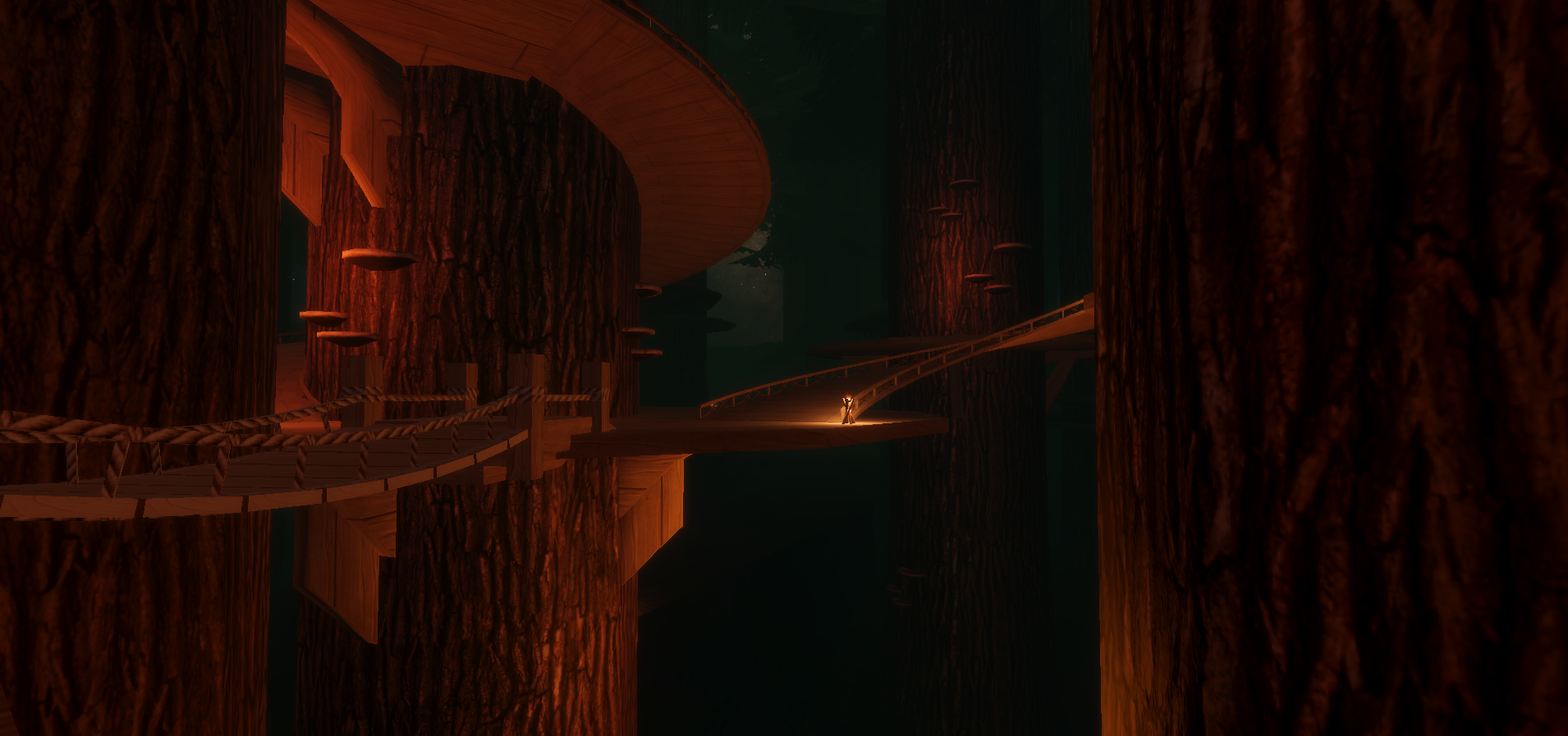
Nostalgia, Familiarity, Timelessness | Highly referential of classic fantasy themes, tropes, stories and media, and of 70s-80s rock album covers. An art style that uses a modern engine while still allowing the imagination to fill in the blanks. |
Simple, Deliberate Gameplay | Simple, streamlined, strategic combat reminiscent of classic era MMOs, a slower pace, and persistence that pays off over time. See Combat and Experience and Leveling. |
Community, Identity, and Reliance | A focus on single group activities. Classes and skills are designed to feel familiar, with distinct identities and interdependence. Even solo play, such as harvesting, ties into a greater communal purpose. World and city designs focus on longevity and long-term utility in order to maintain social friction and mitigate generational stratification. See Grouping and Classes. |
World is Living, Layered, and Mysterious | Scheduled and ever-changing content and NPC behaviours, with time, seasonality, factions and relationships sustaining mystery. Many systems are stripped of hand-holding and overt explanation. See Quests. |
Stated system focuses
Ten focuses are listed on the studio's gameplay page. They read as a list of commitments rather than a feature list, and several of them are phrased against a thing the game deliberately is not doing.
Focus | Detail |
|---|---|
Grouping | An emphasis on grouping with one or more other players. See Grouping. |
Progression pace | Slower player progression, with an emphasis on the leveling journey. See Experience and Leveling. |
World structure | Open world design with varied level ranges in each zone, rather than a linear theme park progression. See Zones. |
Camping and pulling | Camping and pulling in shared zones, rather than running instanced dungeons. See Combat. |
Combat design | Combat emphasizing preparedness, tactics and decision making over actions per minute and optimal rotations. |
Factions | An emphasis on discovering, engaging with, and betraying NPC factions. |
Religion | A similar fluid approach to player engagement with religion and the gods. |
Tradeskills | A large variety of trade skills that tie into factions, player guilds, and player housing. See Tradeskills. |
World variables | Spawns, foraging, harvesting and other discoveries that consider time of day, day of the week, lunar cycle, seasons and similar variables. |
Text interaction | Text-based interaction with the world using dozens of verbs. See Quests and Interface and Commands. |
System pages
Page | What it covers |
|---|---|
Auto-attack, considering a target, skills that improve with use, camping and pulling, looting, and the published position on player versus player. | |
Corpse runs, bind points, the exact corpse expiry timers, consent rules for dragging, resurrection and cantrips. | |
Shared experience and loot, the level spread rule, and the Group Finder listing board. | |
Zone lines, bind and gate, class transport spells, speed buffs, and asking guards for directions. | |
The named crafting and gathering skills, how recipes are learned, and how merchants buy what you make. | |
Carrying capacity, equipment slots, the four item flags, light sources, reagents and weight. | |
The 1-60 path, the Rested bonus and its timings, and confirmed level milestones. | |
Hailing, keyword dialogue, quest bags, and the fifteen published MUD action verbs. | |
Default keybinds, chat channels, slash commands, macros and the six character states. | |
All eighteen classes, their roles and their current rework status. | |
The playable races and which of them are in at launch. | |
The zone list, regions and dungeons available at Early Access. | |
The four cities a new character can begin in. | |
Launch date, content scope and what the studio says will follow, including Descent into the Deep. |
What the developer has not detailed
Several systems that players familiar with the genre will expect are simply absent from the published material, and the studio has not said whether they exist. As of September 2026, no published page from the developer describes raid content or raid sizes, an item rarity ladder, a gear score or item level, talent trees or a respec, a mount system, a cash shop, cosmetic or transmog systems, achievements, cross-server play, character transfers, controller support, or an accessibility options list. Treat all of those as unknown rather than as confirmed either way.
Player versus player does exist as a concept: it appears in the studio's own glossary and several class abilities are described with PvP use in mind. As of September 2026 no published page states whether PvP is opt-in, gated by server ruleset, restricted to particular zones, or open everywhere.