
Loading...
Loading...
Faction Warfare and PvP
June 4, 2026 at 05:23 AM
Added the named city-siege modes (Dragon-Hunting City, Four-Emperor Melee) and the cross-platform thousand-player same-screen framing to the City Sieges section
Faction Warfare is the long-term endgame of Lord of Mysteries. Player guilds (Divination Clubs) federate into Factions, and Factions wage open and instanced warfare across the Northern Continent. The system targets thousands of simultaneous PvP combatants and is structured to keep the experience legible at that scale.
Factions are large player coalitions that occupy specific territory bands and hold ideological positioning consistent with the source material's setting: pro-establishment factions tend to align with the Seven Orthodox Churches and the Mandated Punishers; reformist or rogue factions side with industrial guilds, occult underground rings, or revolutionary-aligned descendants of Roselle Gustav's movement.
Faction membership confers cosmetic identity (banners, sashes, codename palette), and a passive sanity-cost reduction on faction-aligned activities. It does not gate Pathway choice, and players can switch factions through a costly defection ritual (limited frequency).
Open-world PvP is on by default in contested zones (border regions between factions, contested resource hubs, and dynamic anomalies). Safe zones include city centres, faction capitals, and quest-critical districts. Open-world PvP rewards skirmish currency that trades for territory-control buffs and faction-flag cosmetics.
Faction battles, cross-map battlefields, and world bosses are confirmed pillars of the endgame: lively players are pointed toward clubs, large-scale raids, world bosses, and faction-based battlefields as a core part of the long-term loop.
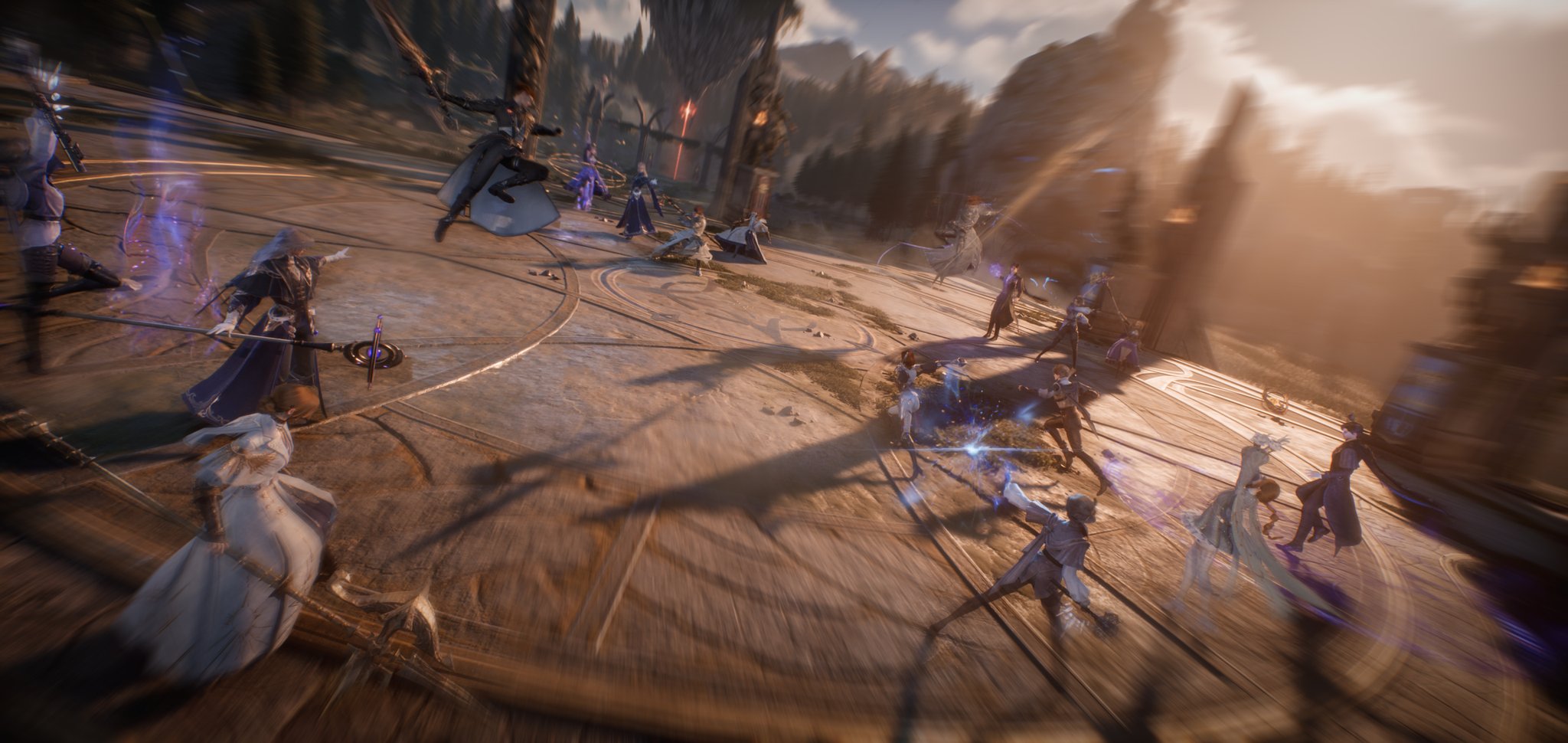
Scheduled large-scale PvP encounters that field hundreds of players per side at preset venues. Reported targets place faction battles around 500 simultaneous combatants per battle. Performance is preserved by selectively rendering players outside immediate visual range and by clustering ability animation effects.
Battles run on objective-capture mechanics (control points, ritual circles to defend, supply convoys to escort). Winning factions earn territory-progression tokens that compound across multiple battles to determine territorial control.
The apex of Faction Warfare. Full city sieges scale to thousands of simultaneous combatants per side. The siege client renders combat at reduced fidelity to keep frame-rates manageable: fewer particle effects, simplified far-rendering of player models, and clustered ability VFX. The defending faction earns long-term in-game tax-style benefits from owning a city; the challenger earns territory-toppling rewards if successful.
Sieges are infrequent (multiple-week buildup window) and feed directly into the long-term faction-rivalry storyline.
The studio frames city sieges around two named large-scale modes: the Dragon-Hunting City (猎龙之城) and the Four-Emperor Melee (四皇混战), where shifting alliances contest control of a capital. The official framing describes the engine running a cross-platform thousand-player same-screen battle, presented as the first time this scale of simultaneous on-screen combat is delivered across PC and mobile at once.
Smaller instanced PvP modes provide regular outlets between faction battles. Reported modes include 6v6 arenas, 3v3 pickup, and a Sequence-themed gauntlet (a roguelike PvE-PvP hybrid that pits players against AI bosses while tracking head-to-head DPS / healing scores). Instanced PvP rewards cosmetics, mid-tier ritual ingredients, and faction reputation.
Public framing from SPARK NEXA places PvP at the heart of long-term endgame play. The studio explicitly contrasts the endgame to traditional grind-MMO models: the goal is sustained PvP engagement (faction politics, siege buildup, retention of contested territory) rather than week-over-week PvE gear treadmill. PvE raid content is part of the loop but does not gate PvP participation.
The Crimson Test does not surface full-scale faction battles or city sieges. PvP testing is limited to instanced 6v6 arenas in this round; broader PvP scale-tests are signposted for subsequent beta phases.
Community reports from the beta described the open-world PvP rules as follows, which have not been confirmed in an official statement: The major cities, including Tingen and Backlund in full, are Protected Areas: open-world PvP is not allowed inside them under any circumstances, including by flagged enemy-faction players. The dev language explicitly named the city protections, removing earlier ambiguity about whether contested districts inside city limits could host duelling.
Open-world PvP is concentrated in dedicated wilderness zones outside city limits. These wilderness maps are flagged for combat between faction-aligned players and unaffiliated players alike, support skirmish bounties, and feed the faction-territory progression described in the Open-World PvP section above. The dev statement was emphatic that wilderness PvP is a distinct system from instanced arena content; the two are separate game loops with separate matchmaking, rewards, and balance tuning.
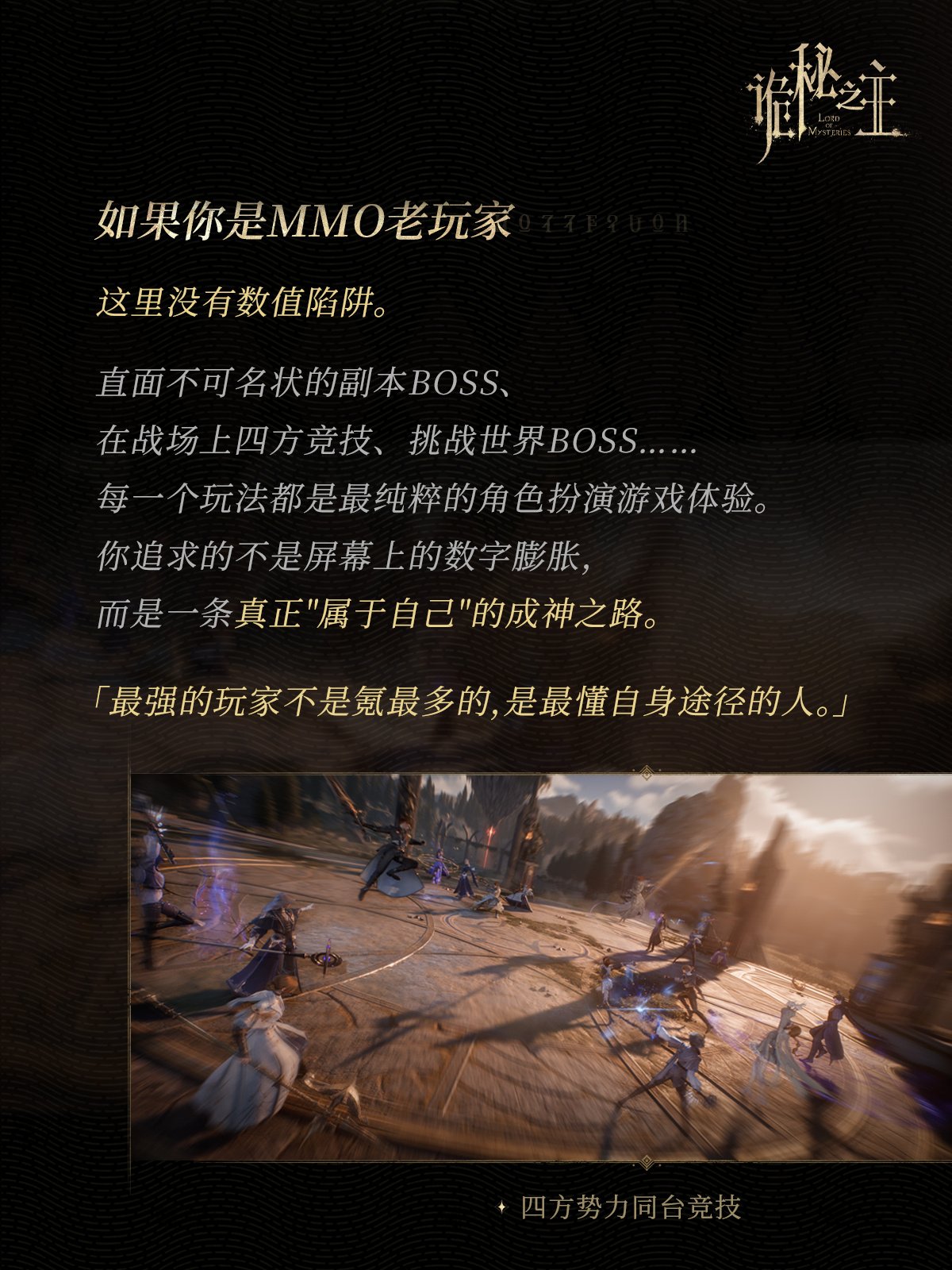
Inside the instanced PvP ladder, a Free-For-All arena format runs four small groups simultaneously in a single arena. The format is one team versus one team versus one team versus one team: every group is hostile to every other group, alliances are not bound to the faction-warfare system, and the last team standing wins the round. The mode sits alongside the previously documented 6v6 and 3v3 instanced ladders and the Sequence-themed gauntlet, broadening the small-scale PvP catalogue.
Combat tuning in Free-For-All is on the same scaling table as other instanced PvP modes: dodge invulnerability frames shorten, ability cooldowns scale longer than in PvE, and the Acting modifier is muted so that duels remain measurable. Pathway-aligned synergies still apply, which is why mixed-Pathway four-stacks tend to outperform identical-Pathway pile-ups in this format.
