Loading...
First-launch checklist, character creation choices that matter most, and a survival loop for the first few hours.
Open-world RPG and grand-strategy single-player game set in ancient China during the late Warring States era, blending mythology with historical warfare.
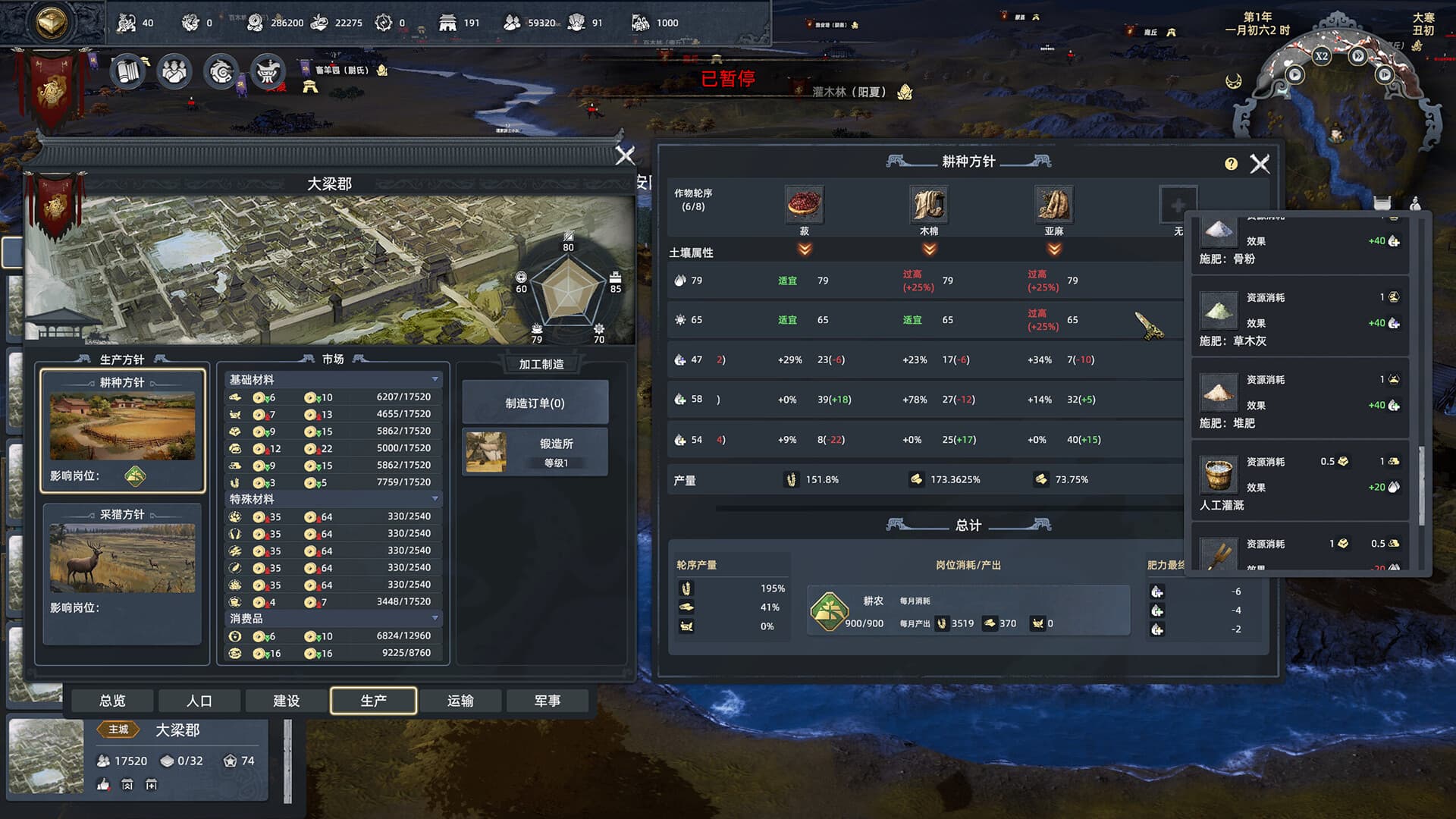
Found a clan, build a homestead from raw materials, and grow it into a base for administration, training, and economy.
Family origin, bloodline, birthplace, birth month, traits, and the talent system used at the start of every run.
Structural overview of the Early Access window, current playable scope, planned future systems, and how patches roll out during the twelve to eighteen month roadmap.
Practical advice for new and returning players: combat habits, party composition, clan-building, and how to work with Early Access volatility.
The seven warring states and the smaller clans contesting the central plains. Each major faction has its own elite high-tier units, doctrine, and political stance.
The three cultivation paths Essence (Jing), Qi, and Spirit (Shen) shape personal growth, combat power, and character build trajectories.
Nine playable philosophical schools drawn from the broader Hundred Schools tradition. Joining a school grants ideology, perks, and faction interactions.
Around eighty recruitable historical figures who serve as companions, generals, advisors, and partners during a long campaign.
The empire-building path: conquer counties and prefectures, manage a growing realm, and contest the seven warring factions of Yu Province.
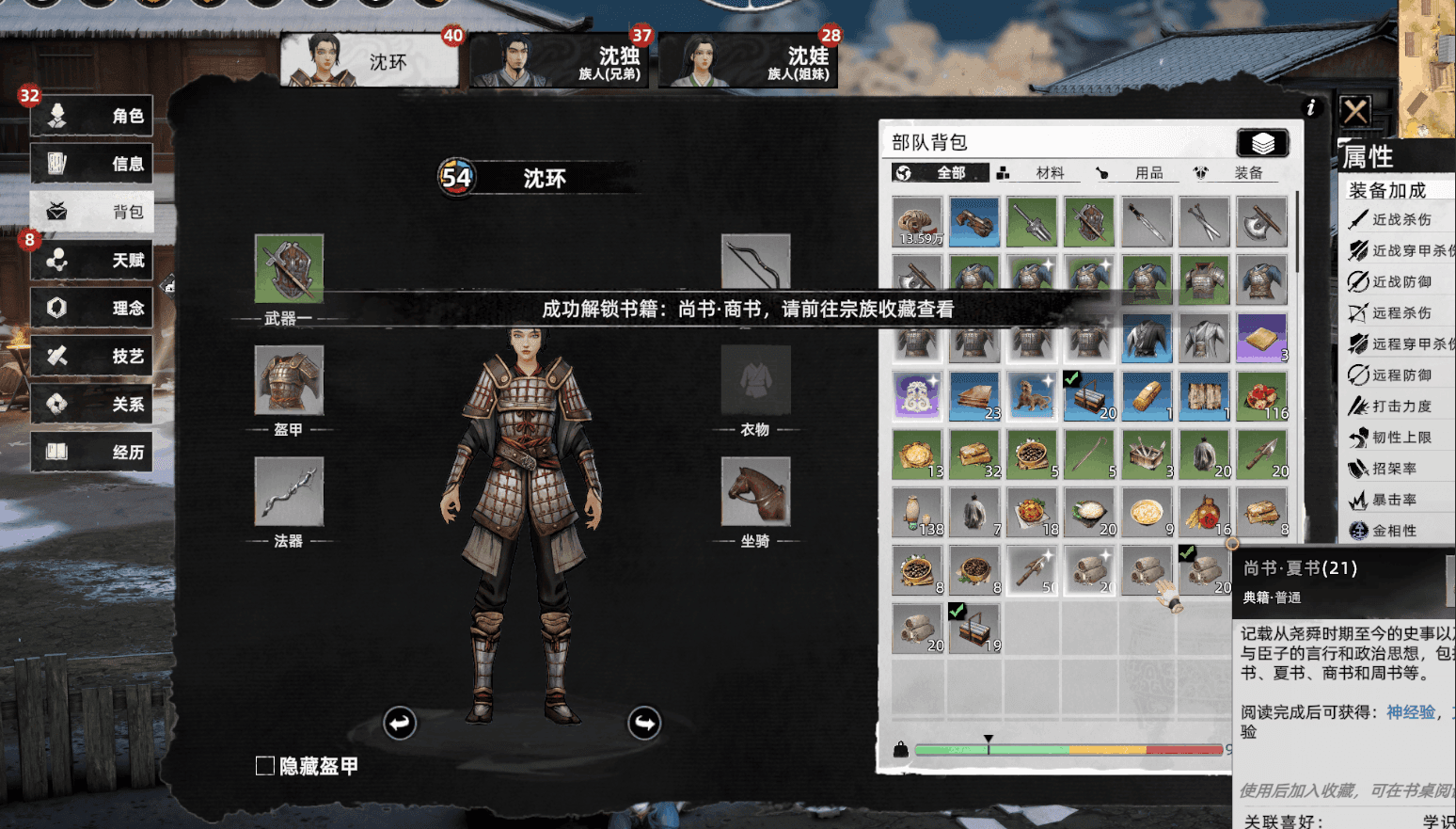
Structural overview of weapon families, how weapons interact with martial arts and cultivation, and how to acquire and improve gear.
Sixty-plus unit types span six tiers in strategic combat, with around one hundred and thirty variants when faction-specific units are counted.
Status of the English language build, history of localization commitments, and where to report translation issues.
Three overlapping cosmological frameworks that define elemental matchups across weapons, martial arts, and unit abilities.
Studied combat techniques separate from raw weapon skill: how a character learns martial arts, the role of schools, and how arts interact with cosmological modifiers.
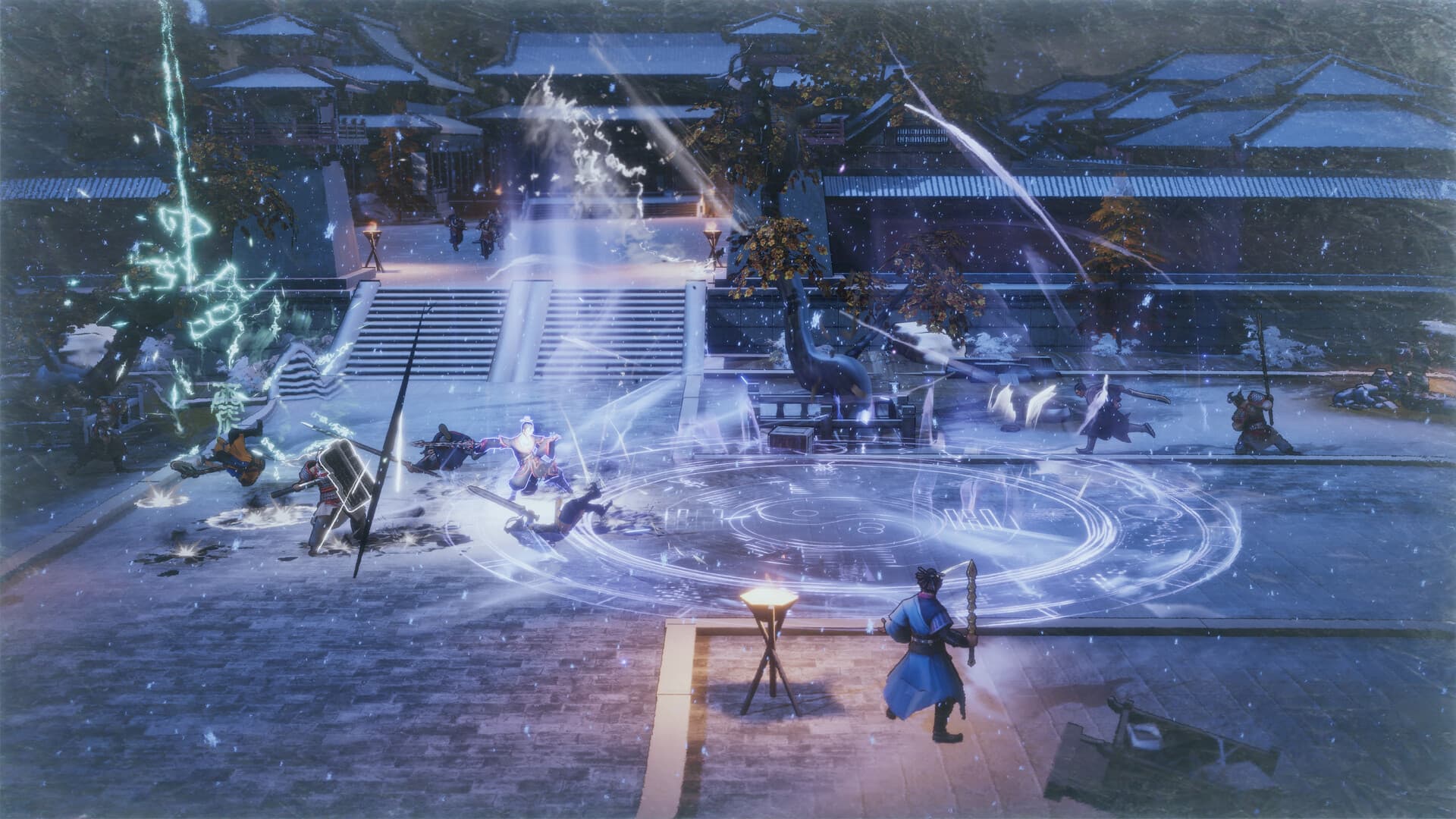
Layered combat across personal melee, strategic army battles, weapons, martial arts, cultivation paths, and elemental modifiers.
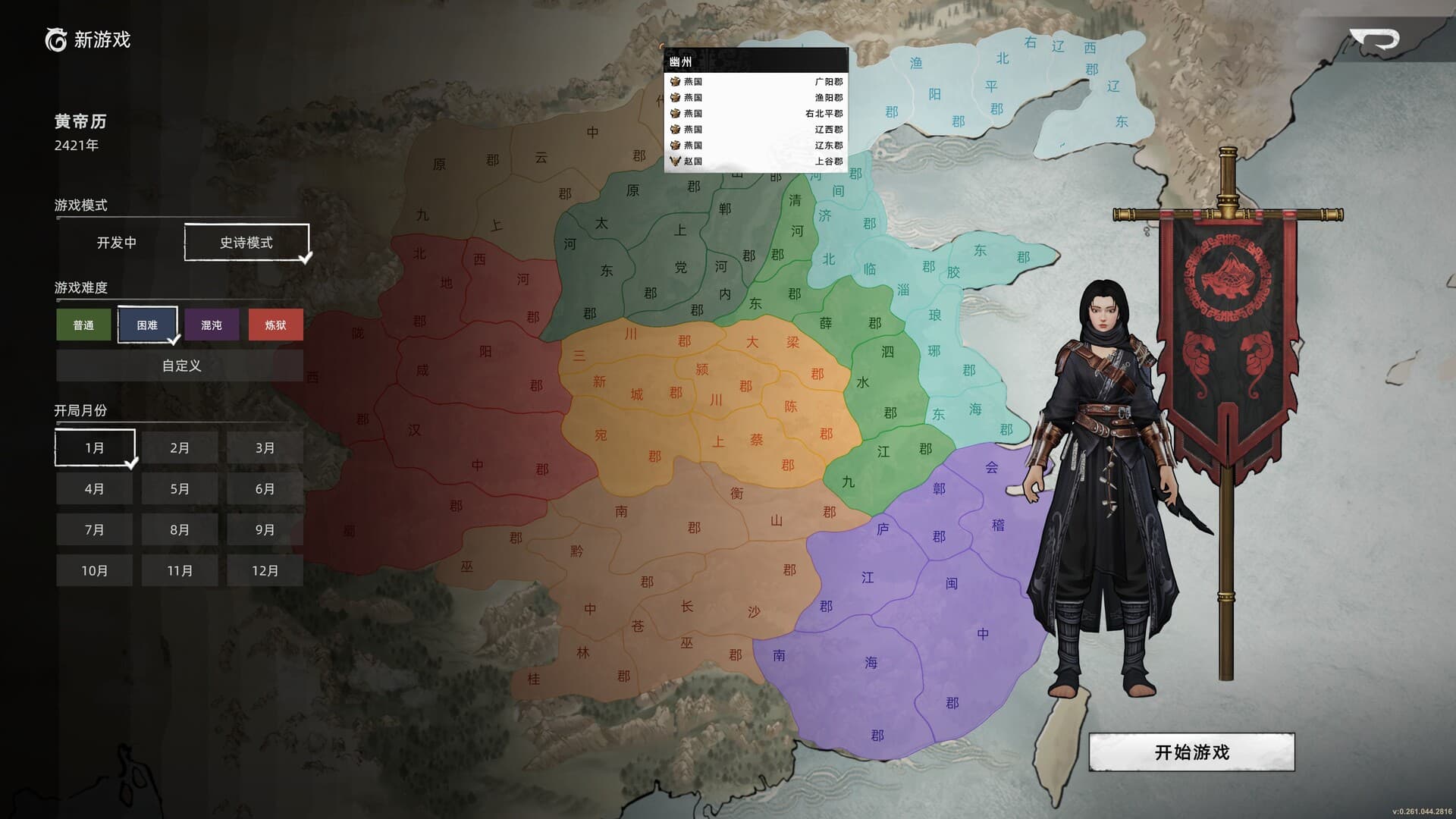
The current playable region in Early Access. Yu Province covers seven prefectures, seven cities, forty-one counties, fifty conquerable strongholds, and over three hundred interconnected villages.
The fictionalized late Warring States setting: post-Chiyou era, Yan-Huang alliance, the decline of the Zhou royal house, and the blending of myth with history.
How the free demo build differs from the paid Early Access build, and how to tell which one a video or article is showing.
The lone-warrior alternative to clan founding and conquest. Travel between schools, duel masters, take freelance work, and live without a faction.
Hidden chambers scattered across the map: how to find them, what they contain, and how the structure has changed during Early Access.
How criminal status, constable AI, and in-city crime clearing work in the current Early Access build.
Trade, alliance, recruitment, and faction-relationship mechanics in the current build, with the deeper vertical and horizontal alliance systems planned for later updates.
Minimum and recommended PC hardware for the Early Access build. Values may shift between patches.
How quests are found, accepted, and tracked in the Early Access build, including bulletin-board work, story lines, and the streamlining changes made since launch.
Input options for Huaxia: Warring States: keyboard and mouse defaults, gamepad coverage during Early Access, and accessibility-related options.
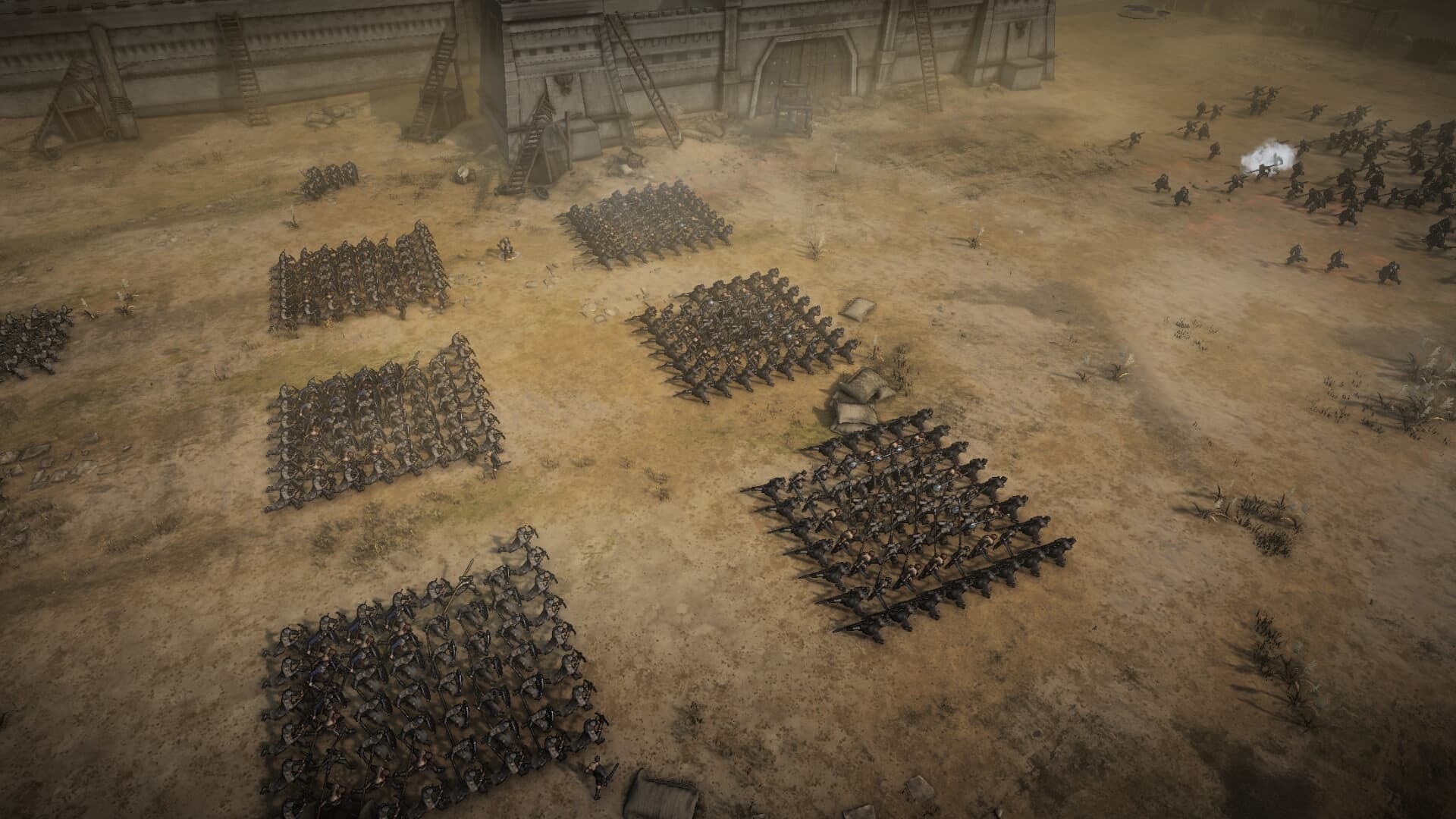
Large-scale siege combat: assault and defense of cities and strongholds, formation and command, retainers as field generals, and the role of siege weapons.
Collectible Nine Cauldrons fragments, the sacrifice ritual that converts them into Talent points, and how the system fits the wider lore.
The clan's shared record of books read and recipes learned, what it tracks, and how clansmen and retainers draw on it.
Slip into rival cities under cover, pass dice-roll checks, and use disguise to trade, recruit, and operate inside enemy walls.
The Talent-point economy: how Talent points are earned, what named talents do, and how the system layers on top of cultivation and martial arts.
The twenty achievements available in Huaxia: Warring States, plus notes on what each known achievement asks of the player.

 willowmist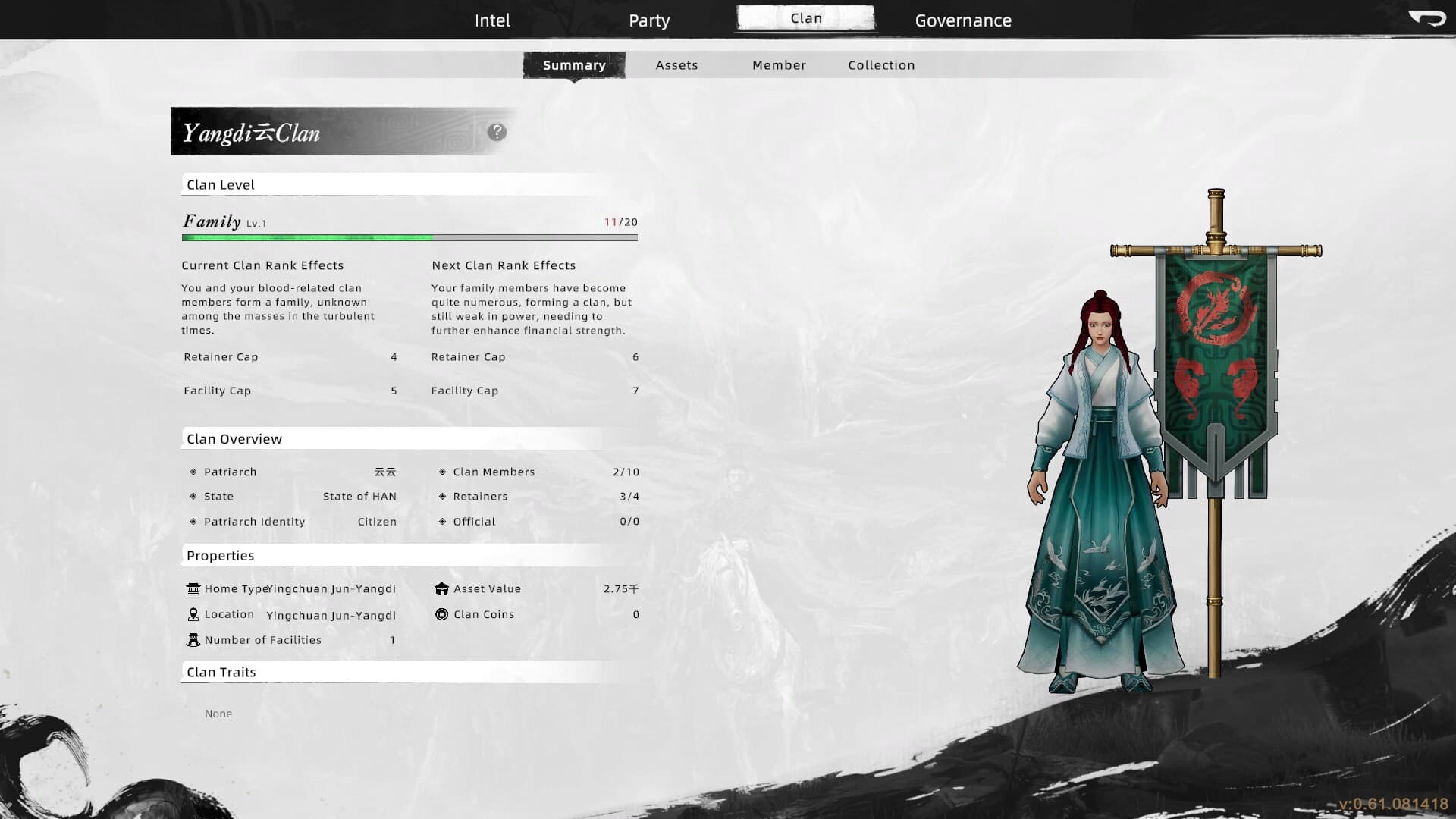
 DarkKnight_X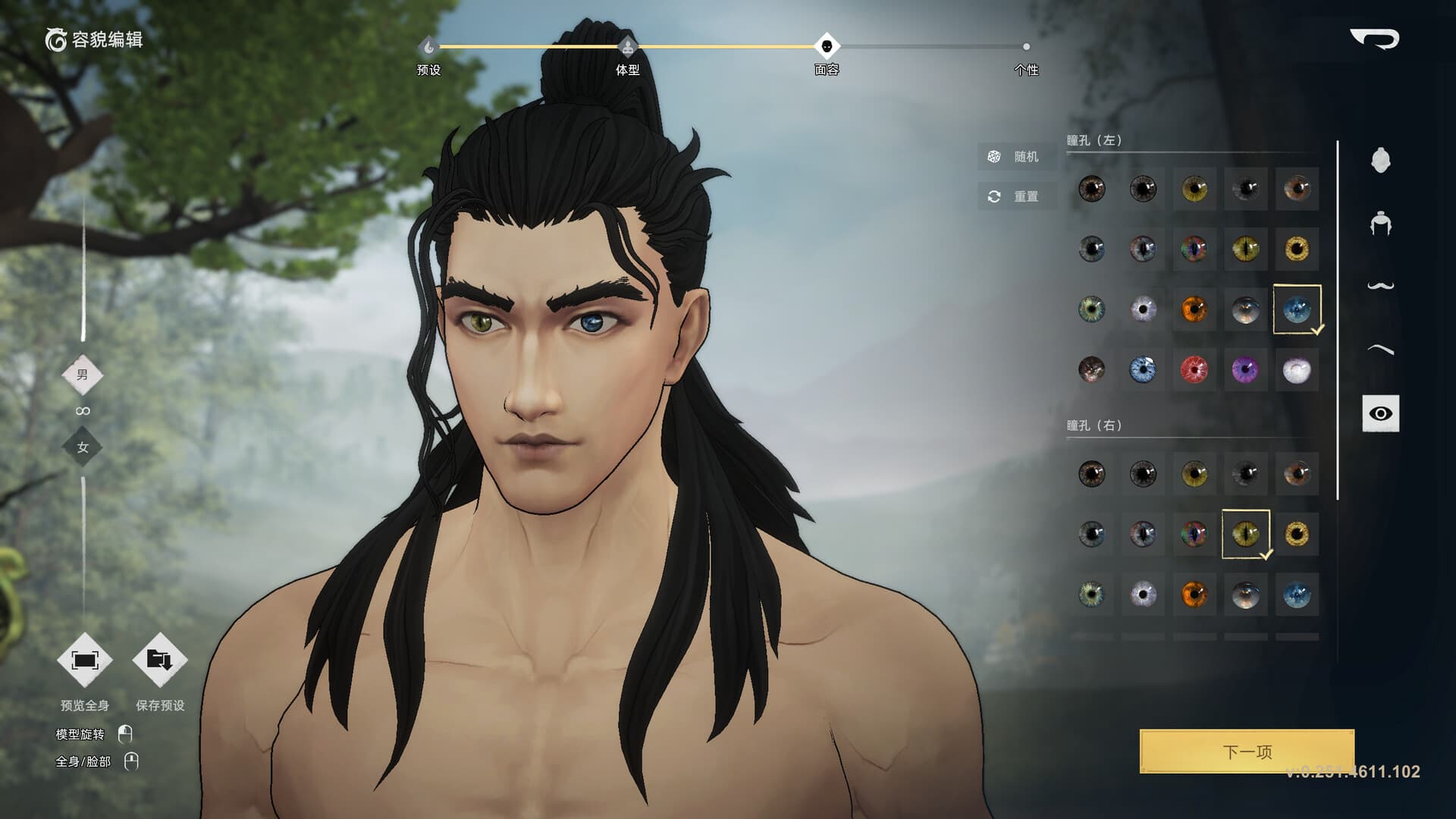
 ghostpetal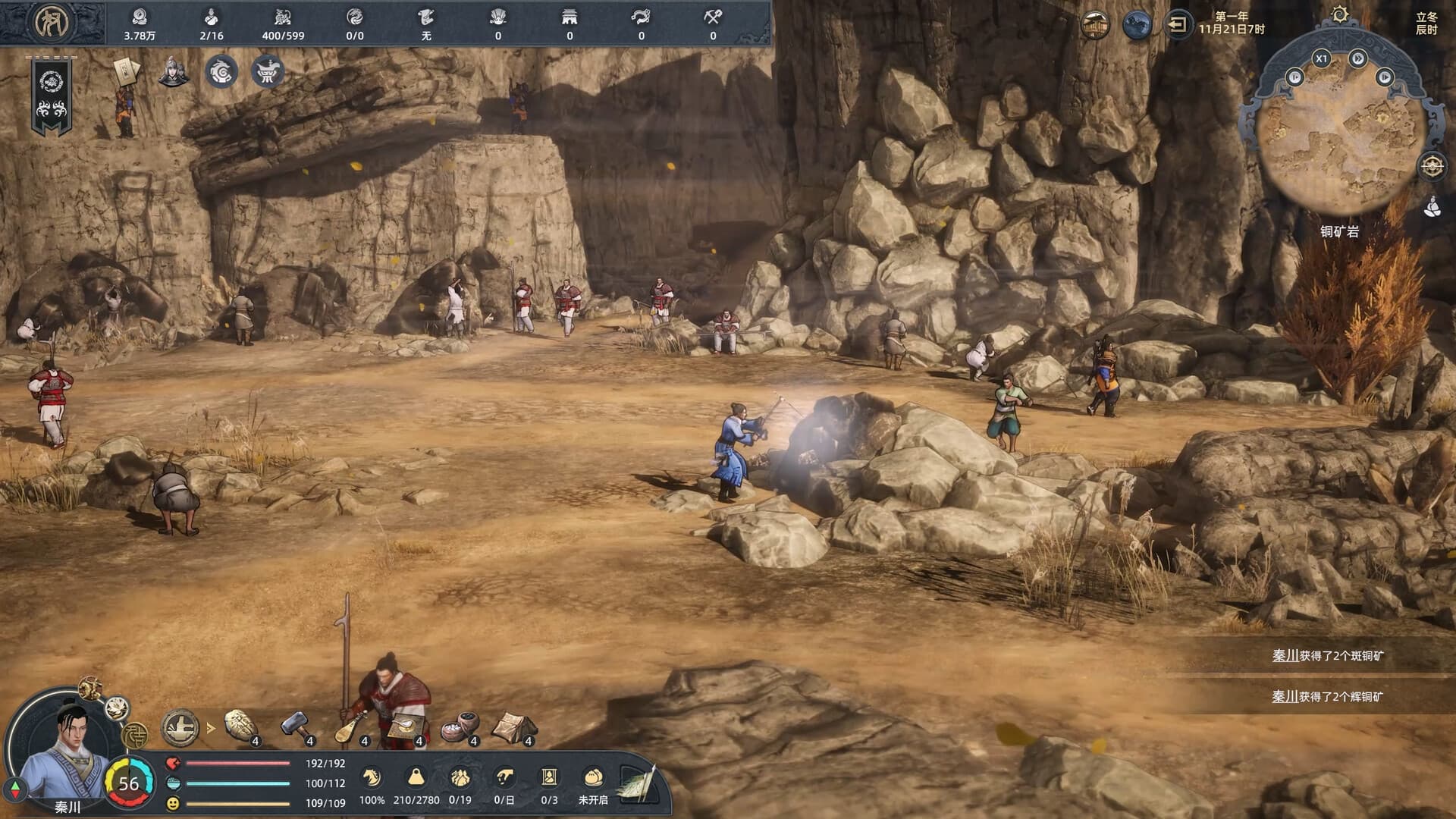
 j0shlore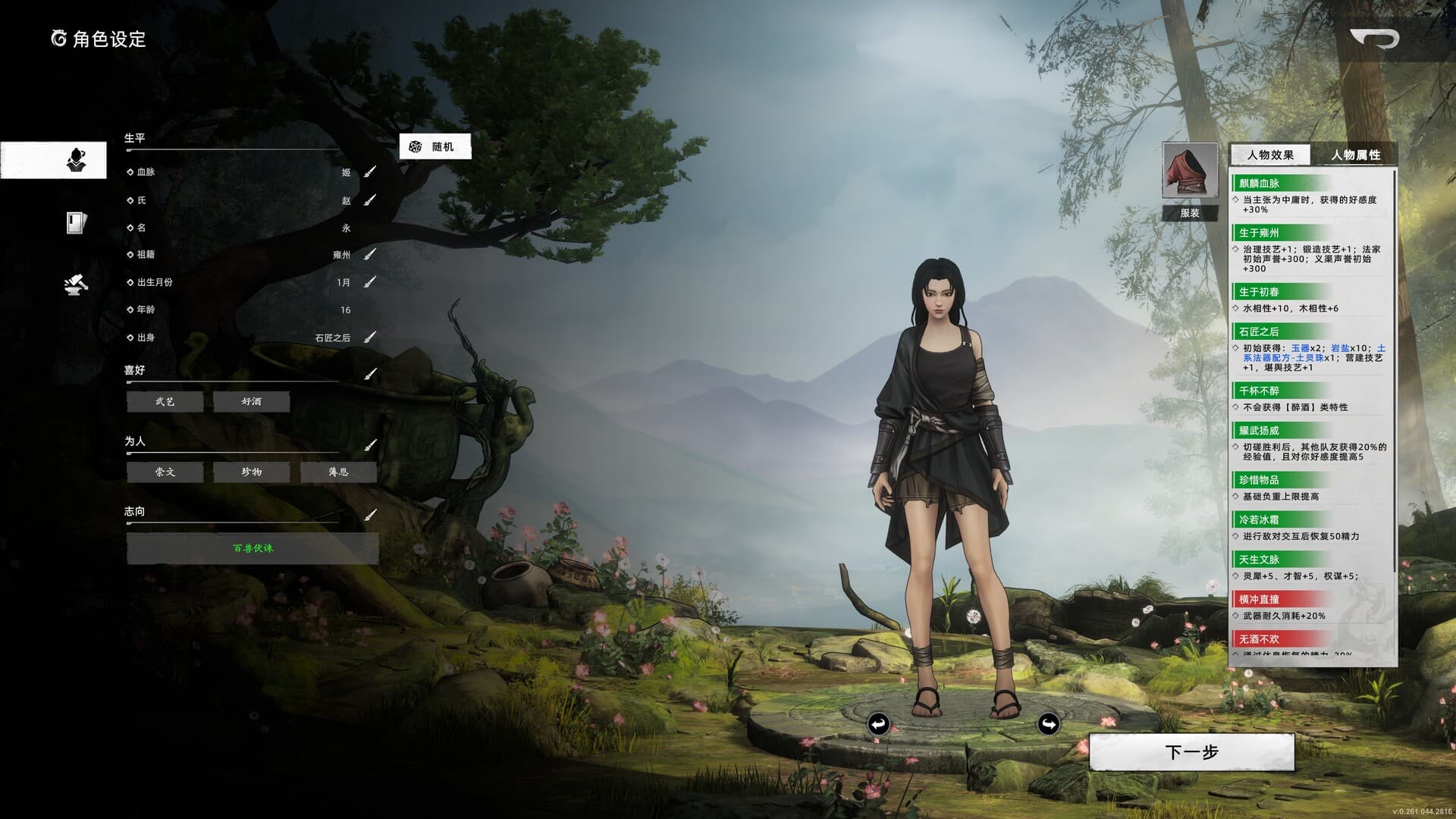
 MikoTanaka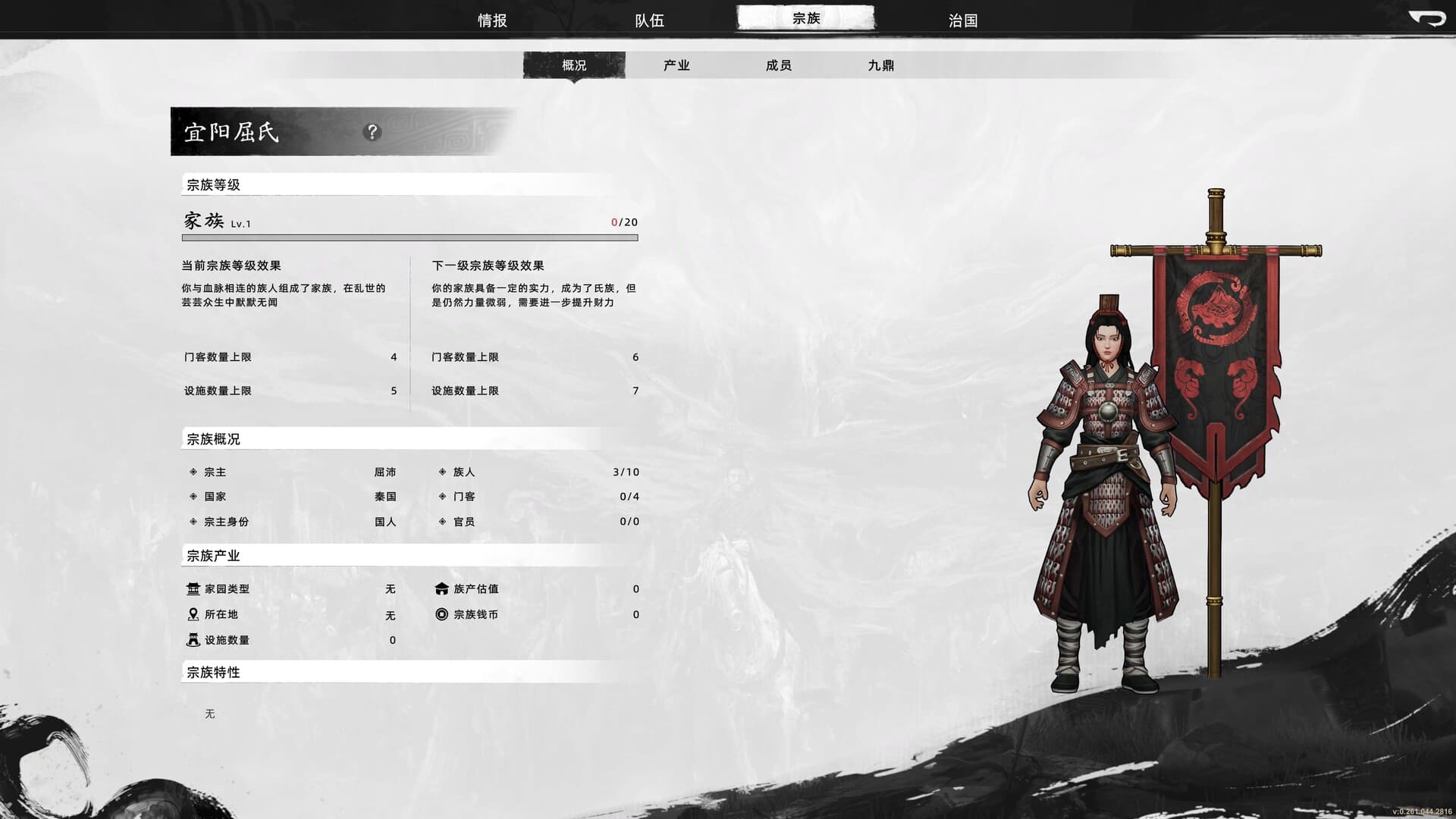
 MikoTanaka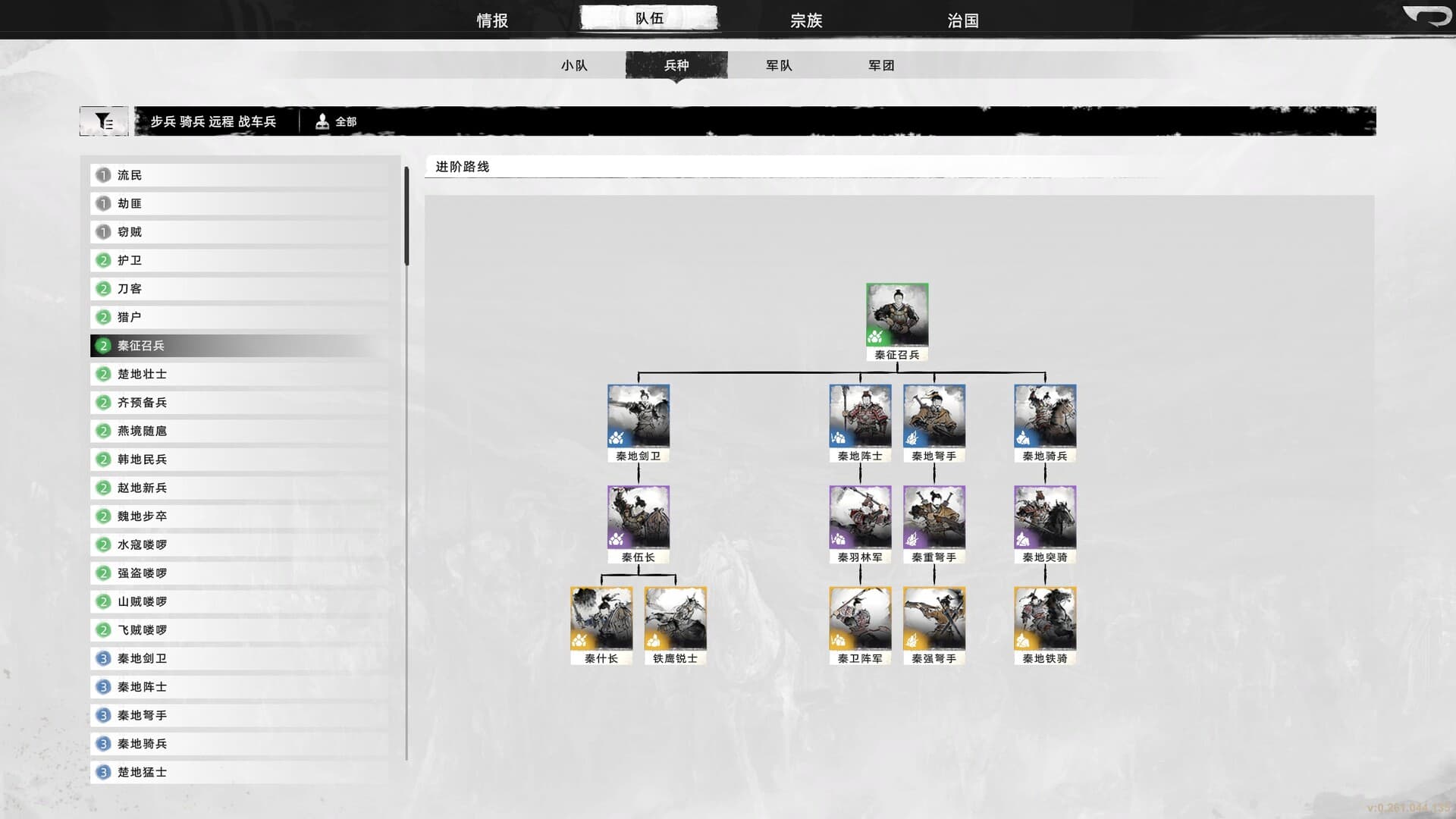
 nightowlnightowlj0shlore
 ghostpetal
 DarkKnight_X
 willowmistDarkKnight_X
 Darkwhispers
 DarkKnight_X
 willowmist
 ghostpetal
 ghostpetal