

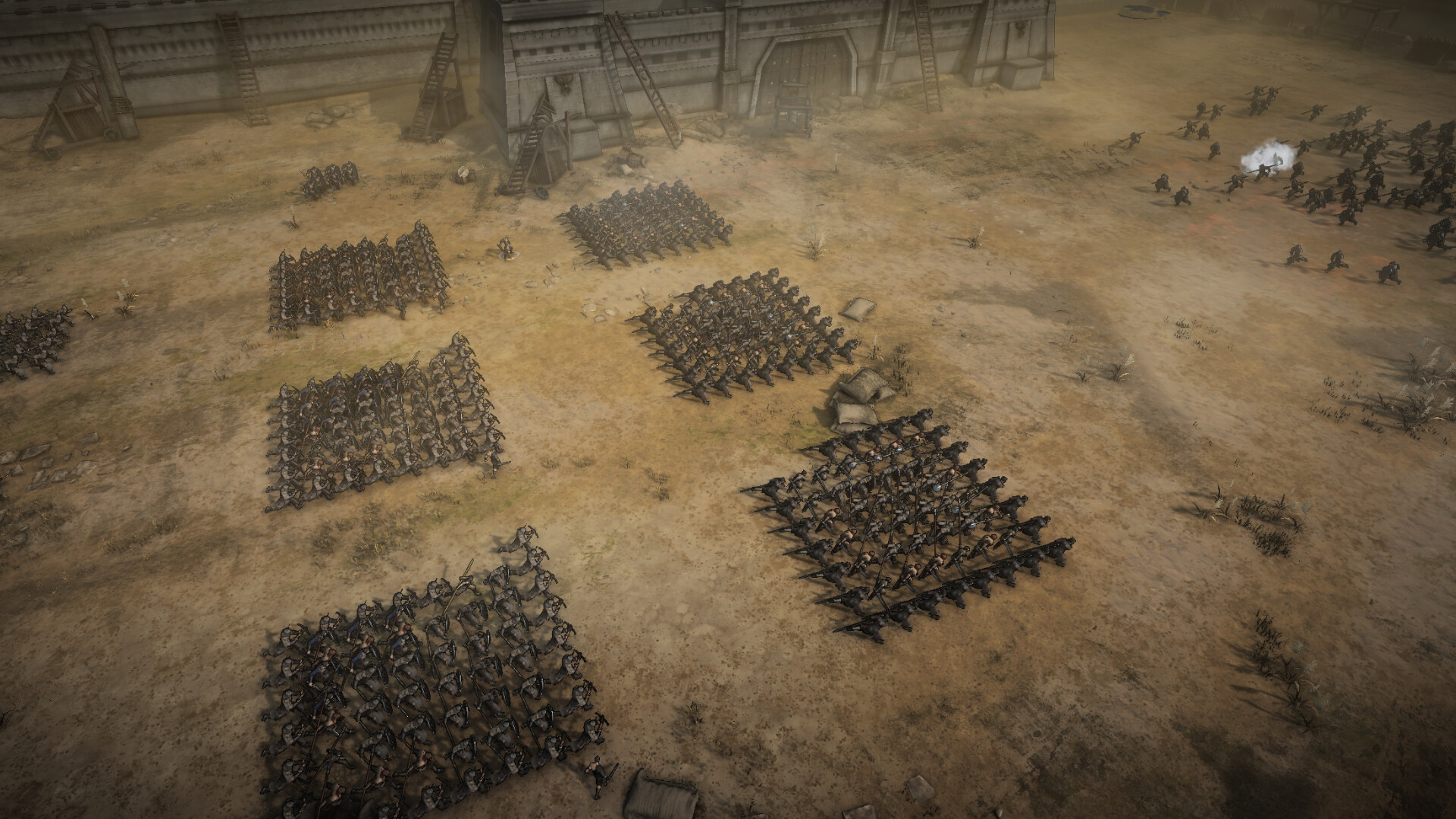
Siege battles are the largest combat scenes in Huaxia: Warring States, separate in feel and scale from personal combat. A siege puts a player-led army against a city or stronghold's walls and garrison, with hundreds of units on each side. The developer has stated the strategic combat layer is being optimised toward five hundred versus five hundred troop battles, which sets the upper bound for what a siege scene can hold.
When a Siege Begins
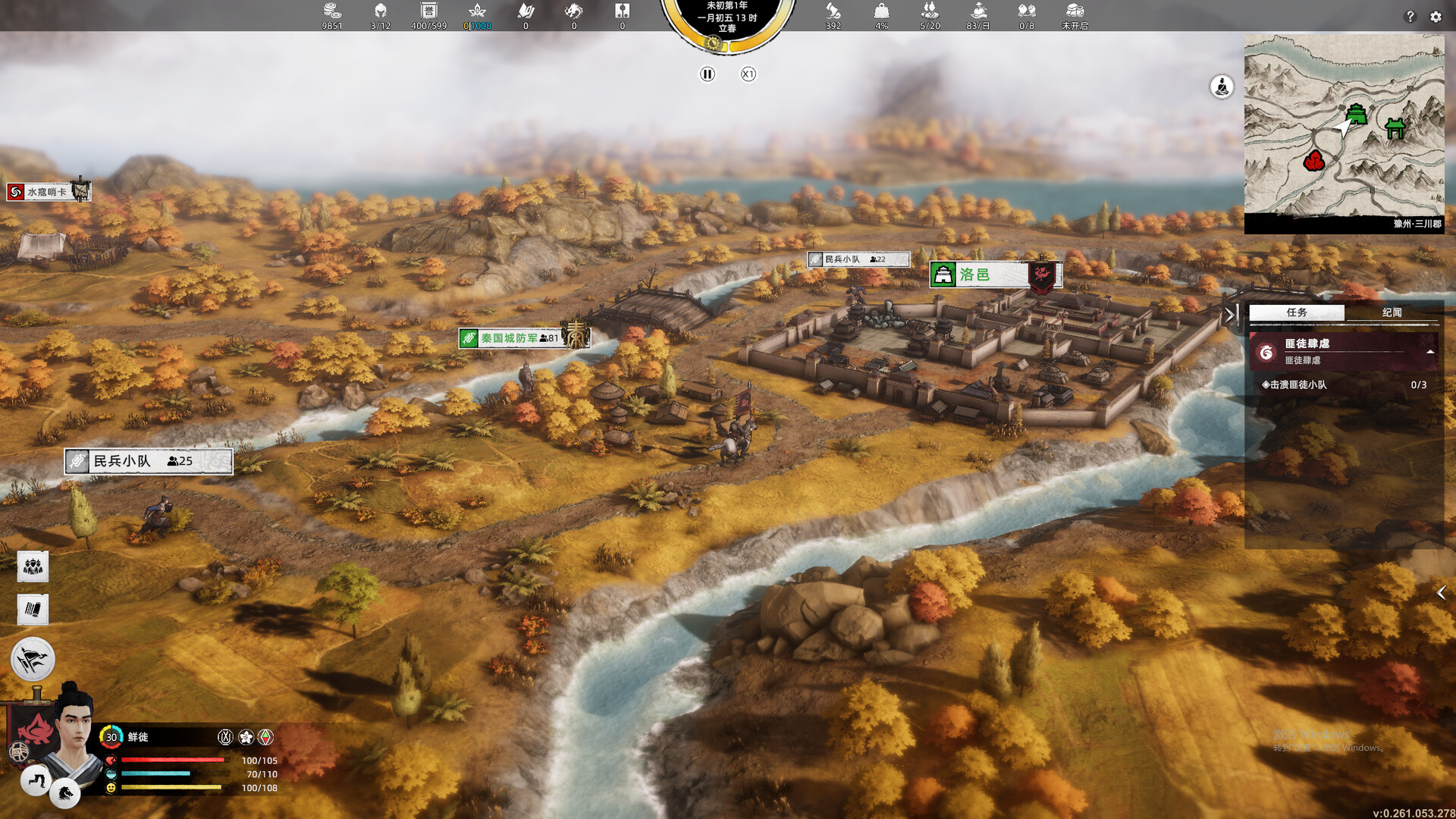
Sieges are usually the climax of a conquest arc. A clan declares war or seizes a contested prefecture, marches an army across the world map, and arrives at the target's gates. Some sieges are also possible against bandit-held strongholds during the early game. The world map shows ongoing sieges, including ones the player is not part of, and a player can choose to intervene as ally or attacker.
Camp setup at the siege site no longer requires consumable items in the current build, lowering the friction of preparing for a long engagement.
Pre-Battle Preparation
The hours before a siege are where the fight is largely decided. Useful preparations include:
Logistics: food, equipment, and replacement levies. A siege without supplies starves the attacker before the wall does.
Retainer assignments. Retainers can be assigned as field generals, each managing a wing or unit type during the battle.
Unit composition. A balanced army across unit types handles the surprises of a siege better than a single-tier force.
Diplomacy. Convincing a neutral neighbour to stay neutral, or persuading a city's locals to favour the attacker, can change the siege before the first arrow flies. See diplomacy.
Reconnaissance. Infiltration inside the target city can weaken its defenses ahead of the assault.
The Siege Battle
Once joined, a siege resolves on a dedicated battle map. Assault siege weapons, scaling ladders, and breach attempts at gates all have their place. Defenders use walls, towers, and the city garrison; attackers use numbers, mobility, and the strength of their best units.
Layered modifiers from the five-element, yin-yang, and eight-trigrams systems influence both unit and named-character matchups. A skilled defender with the right elemental affinity can hold a wall against a numerically superior attacker; a mismatched attacker can lose more troops than expected even when the numbers favour them.
Field Command
The player's role in a siege is partly direct command and partly delegation. Personal melee combat is still possible: the main character can join a wing, lead a vanguard, or duel a defender's champion. But the larger fight is shaped through orders to retainer-led wings, unit positioning, and timing of major actions like a wall breach or a feigned retreat. A clan with capable retainers can win sieges the player would lose on personal skill alone.
Common Bug Fixes and Quality of Life
Siege battles have been a focus area for fixes during early Early Access. Specific issues addressed include units becoming stuck outside invisible boundaries on siege battle maps, characters falling out of the playable area in combat scenes and being unable to fight, and unit pathing inside the city after a successful breach. Loading and frame-rate behaviour during sieges has also been on the developer's stated optimization list.
The May 22 update continued this focus by optimising combat boundaries on siege scenes, reducing cases where units became stuck against the invisible edge of the battle area. This stacks with earlier breach-pathing and out-of-bounds fixes from the launch-month patch cycle.
The June 5 update further improved battlefield behaviour: troop reinforcements arriving mid-battle no longer cause lag, which had been a problem in larger engagements. The same patch closed an exploit on the capture layer, so captured enemy heroes can no longer be disposed of while you are assisting in another faction's battle.
A July 2026 update expanded the battle scenes that sieges use. Maps are larger and more three-dimensional and support more units at once, with reinforcements joining more logically, so the biggest assaults have more room to develop. The developer named a battlefield command system for setting formations and issuing tactical orders as the next major addition, still in development at the time of the patch.
A follow-up on July 31, 2026 raised the drop rates for captives and loot from siege battles, making a successful assault a more reliable source of prisoners and equipment than it was through the launch window.
After the Siege
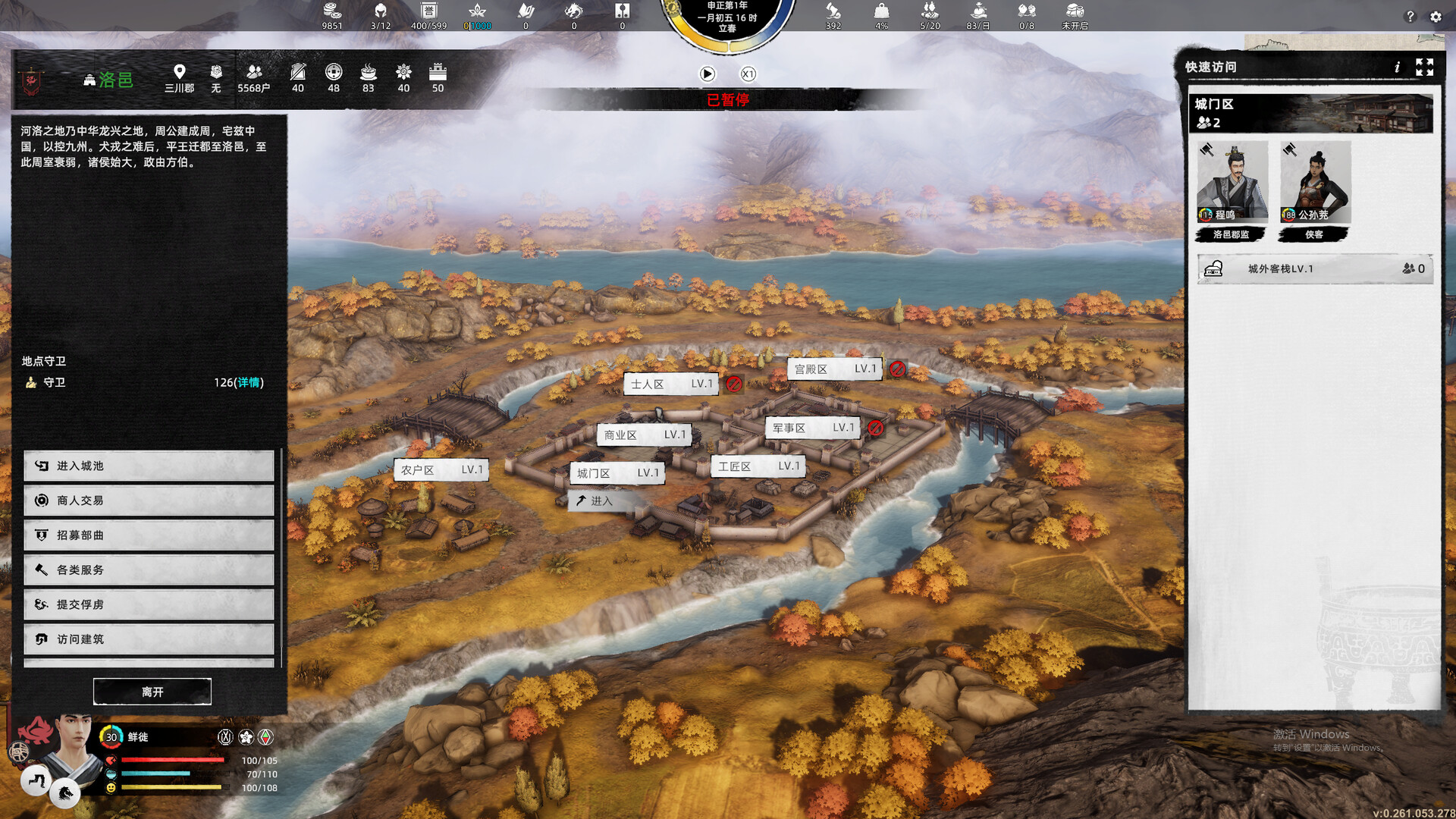
A successful assault brings the prefecture under the attacker's control. Loot, prisoners, and political consequences follow: defeated retainers may be recruited or held, defenders' clans may declare blood feuds, and the wider war state of the surrounding region shifts. A failed assault forces the attacker to retreat, recover, and either renegotiate or rebuild before another attempt.
Related Pages
Combat System: the wider melee and strategic combat overview.
Unit Types: army composition for siege and field battles.
Conquest: the empire-building path that produces sieges in the first place.
Strongholds: the smallest siege targets across the map.