

Diplomacy is the layer that ties personal play, the clan, and the seven contesting factions together. The Early Access build offers a working set of diplomatic verbs, and the developer has named a deeper alliance system as planned for later updates.
Diplomatic Verbs in the Build
The current build supports the following day-to-day diplomatic actions. None of these require declaring open war and most can be performed by an unattached wandering warrior, though clan founders gain the most benefit.
Action | What It Does |
|---|---|
Recruit | Persuade an NPC, retainer, or rival-clan member to join you. Targets range from village gatekeepers to senior generals. |
Trade | Buy and sell goods between settlements. Some goods are local specialties; arbitrage between regions is one of the simplest income loops. |
Gift | Offer items, money, or rare goods to NPCs to raise affinity. A well-chosen gift can open a recruitment door that pure persuasion cannot. |
Marry | Marriage between the player character and a notable retainer or rival-clan member raises ties between families and unlocks dynastic events. |
Persuade | Convince a target through eloquence, doctrine, or shared interest. Schools of thought can give edge in specific persuasion contexts. |
Bribe | Pay off corrupt officials, hostile bandits, or wavering retainers. Cheap solution to short-term problems; expensive on reputation. |
Treaty | Make formal peace, alliance, or vassalage agreements with rival clans and factions. |
Faction Relationships
Each of the seven warring factions tracks its own relationship with the player and with every other faction. Actions ripple outward: a treaty with one faction may sour relations with its rival; a successful recruitment of a rival's retainer rarely goes unnoticed.
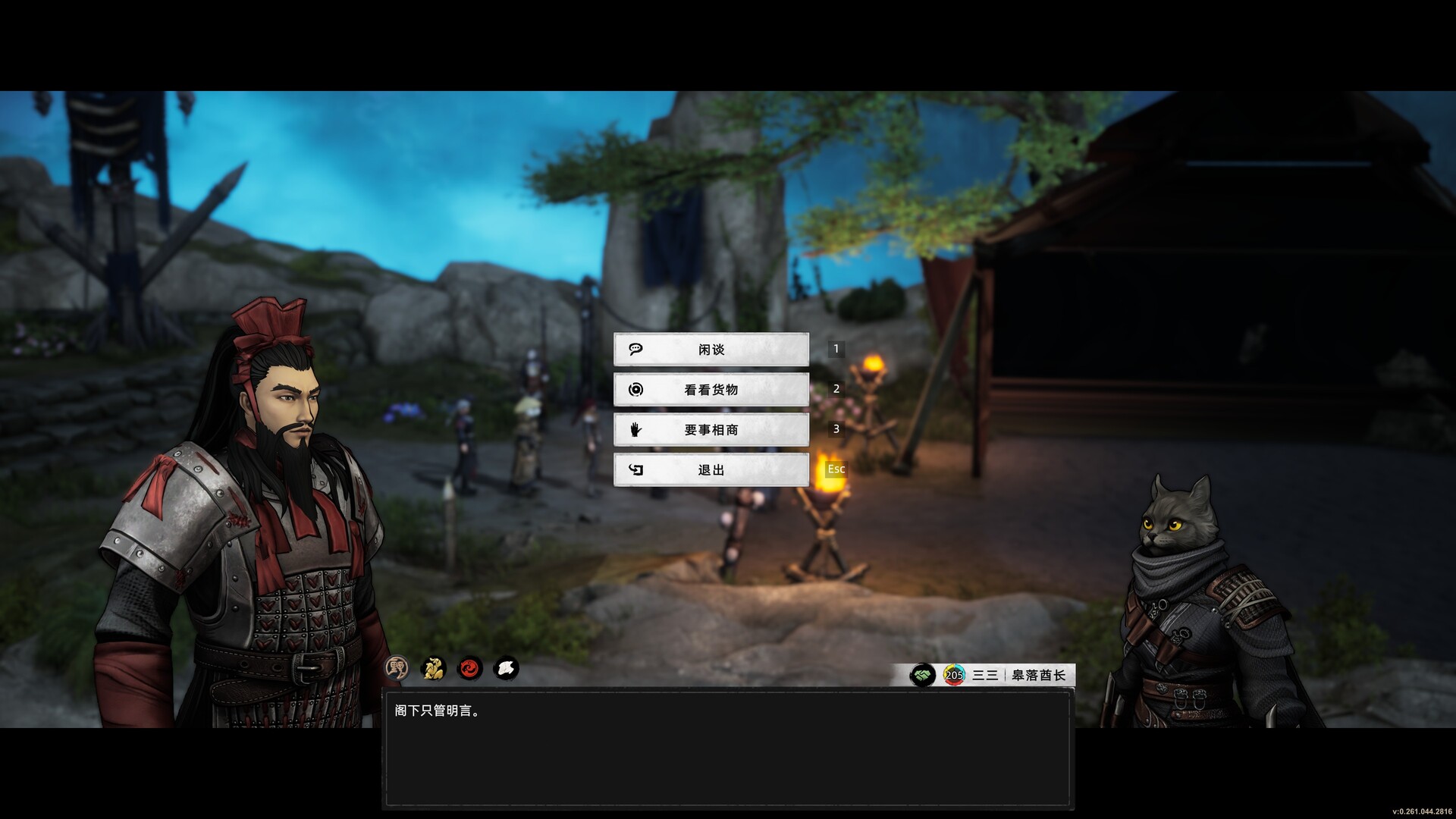
Relationships affect the price you can negotiate, the access you have to faction-specific unit types, and whether a faction will tolerate your clan operating on its border or move against you.
A July 2026 update reworked the nation AI so the diplomatic layer feels more alive. Kingdoms now change stance, go to war, and form alliances more often. They band together against a rival that grows too strong, sue for peace when they are clearly outmatched, and throw their whole strength into a war when they face being conquered outright.
School Affiliations and Diplomacy
Studying under a school of thought carries a diplomatic signature. Some schools are welcomed at courts; others are viewed with suspicion. A Confucian scholar opens doors at most courts, while a Mohist advocate of universal love and defensive war reads differently in a militaristic state. Choose study with the diplomatic posture you want to project.
Vertical and Horizontal Alliances
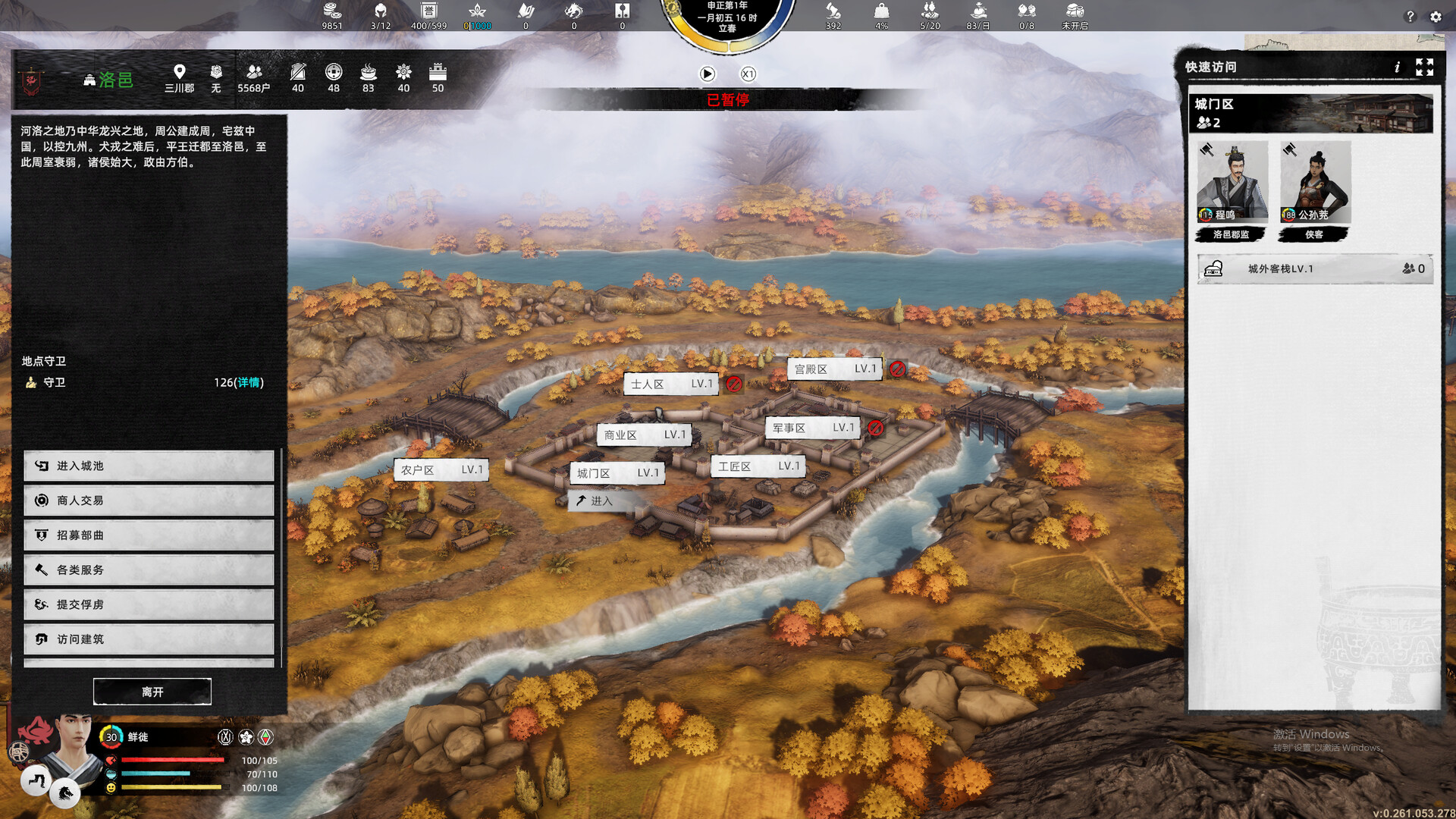
The deeper named alliance system, called vertical and horizontal alliances after the historical 合纵连横 doctrine, is the planned framework for multi-faction strategic play. In the historical metaphor, vertical alliances unite weaker states against a dominant power, while horizontal alliances align with the dominant power. The developer has named this as a planned future system rather than a current shipping feature; treat it as roadmap content until the build confirms it. The Early Access Roadmap page tracks status as deeper systems land.
Reputation and Identity
Diplomacy is also shaped by who you are. A character with a sage reputation, a notorious past, or a mythic family origin all read differently to NPCs. Reputation is partly built through character creation choices and partly earned through play. The most effective diplomats build a reputation aligned with their goals.
Recruitment access also shifted during the launch window. Black-market recruitment, once gated behind a notorious reputation, no longer requires a bad name, so even a clean-reputation character can hire from the shadow market. This loosened the old trade-off where players had to court infamy to reach certain retainers and troops.
When Diplomacy Fails
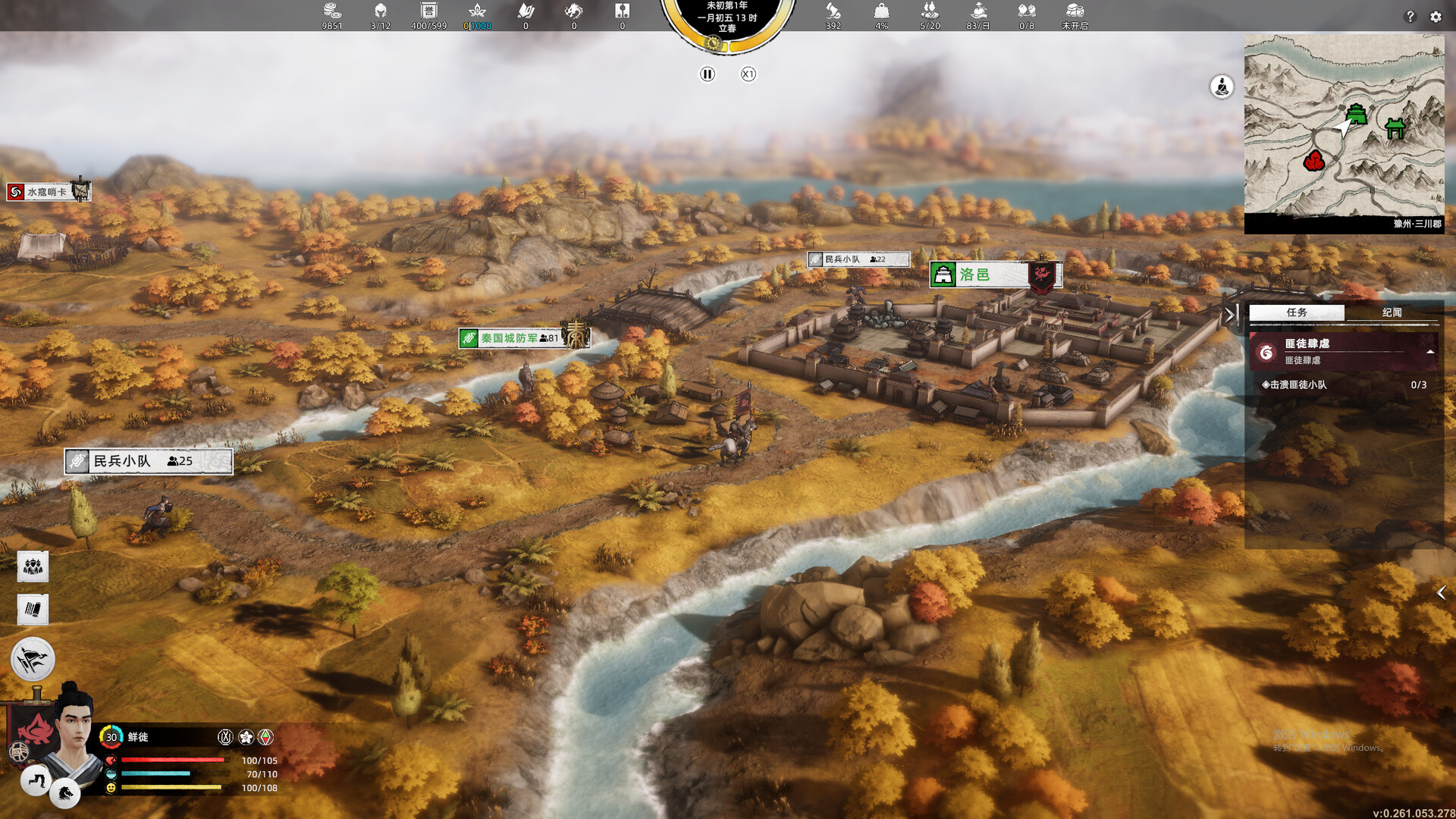
Some problems can only be solved with armies. The Conquest path is where successful diplomacy stops and military pressure begins. The Wandering Warrior Path offers a third route: walk away from the diplomatic and military games entirely.
Related Pages
Factions: the seven powers contesting the realm.
Conquest: where soft power gives way to armies.
Retainers: diplomacy is most effective when your retainers carry the right doctrine.
Hundred Schools of Thought: which school you study shapes the doors that open.