

Martial arts in Huaxia: Warring States are studied combat techniques separate from raw weapon skill. A character can carry a sword and still be a poor swordsman; mastery of a martial art transforms ordinary weapon use into a recognised, repeatable style. Demo-era documentation reported eighteen distinct martial arts in the build. The number can shift between Early Access patches as new arts are added or old ones rebalanced; the structural shape below has been stable across the launch window.
What a Martial Art Is
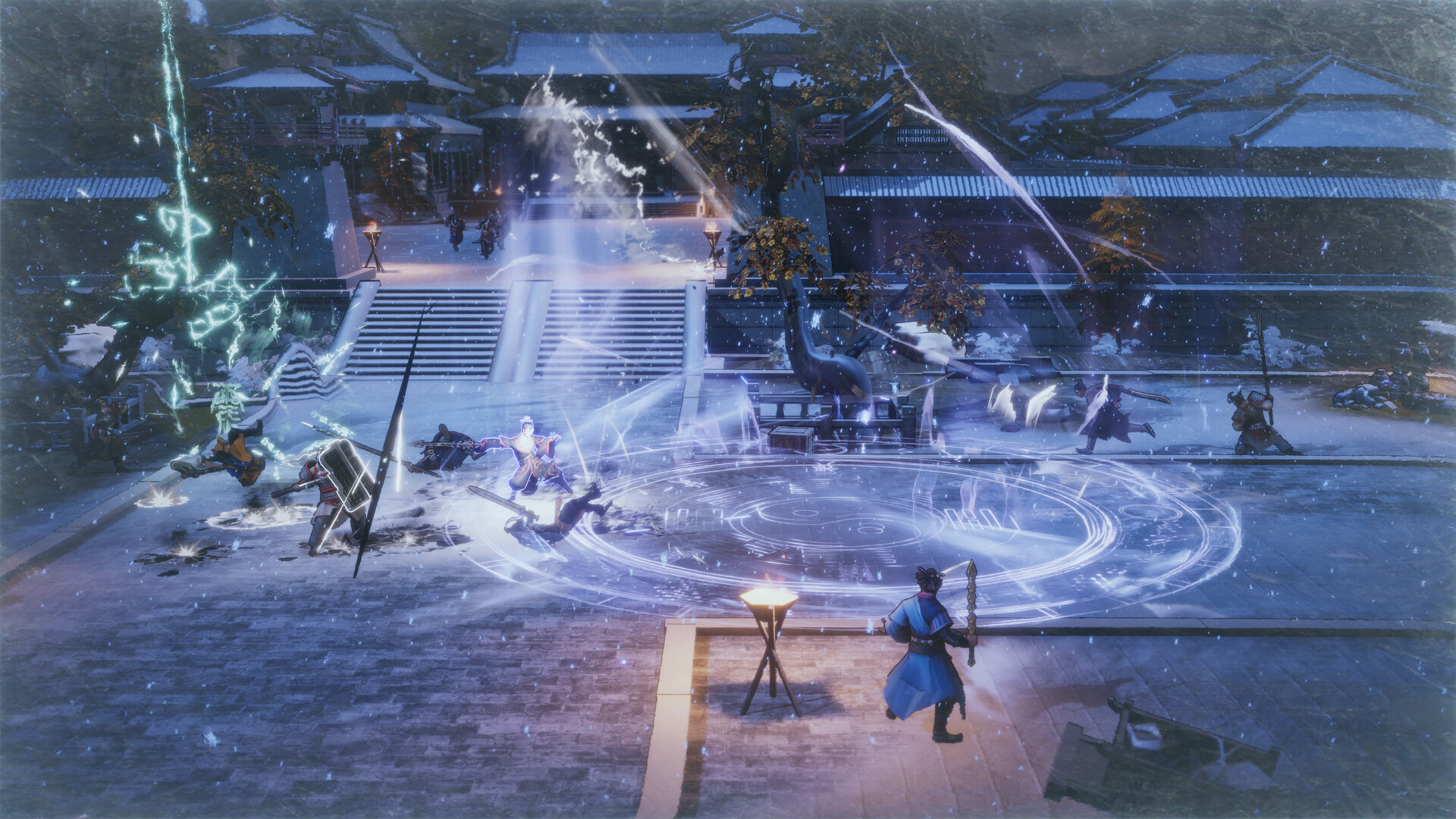
Each martial art is a named tradition with its own movement vocabulary, signature techniques, and progression path. Learning an art teaches the character a sequence of forms, opens up special moves, and grants passive bonuses to specific weapon families. Techniques are not standalone abilities; they reshape how the character handles encounters, rewarding a player who plans openings and counters around the chosen art.
How to Learn
Martial arts are usually learned from one of three sources:
A school of thought. Several of the Hundred Schools of Thought teach a signature martial art alongside their philosophical curriculum.
A wandering master. A skilled itinerant teacher might agree to take on a student after a duel or a reputation event.
A scroll or manual. Some secret realms or named strongholds hide manuals that teach an entire art if the character has the right prerequisites.
Studying an art under multiple teachers is possible and is a signature of the wandering warrior. Specialising in a single art is faster and produces a deeper one-school style.
Mastery and Progression
Each art has multiple ranks. Climbing the ranks usually requires both training time at the homestead training hall or a master's hall, and lived combat experience using the art in real fights. Higher ranks unlock signature techniques, internal energy moves, and finishing forms. Some arts have a final rank that can only be reached through a specific story event, duel, or revelation.
Schools and Affinities
Different martial arts work best with different weapons and different cultivation paths. A water-aligned art rewards a sword and water-favoured cultivation; a fire-aligned art rewards a polearm and fire-favoured cultivation. Mismatching the art with the weapon and cultivation lowers the overall effectiveness of the build, even if the individual stats look good.
Cosmological modifiers from the five-element, yin-yang, and eight-trigrams systems govern these affinities. A character with a fire weapon, water-aligned martial art, and trigram-imbalanced cultivation will struggle even with high raw stats; a character with aligned modifiers across all three layers will outperform their stat sheet.
In Combat
Martial arts shape personal melee in the combat system rather than the strategic battle layer. In a duel the right art lets a character read an opponent's openings, parry inhuman weight, and string together combo finishers that ordinary weapon use cannot. The system punishes button-mashing once the player faces opponents with their own arts. A trained art is the answer.
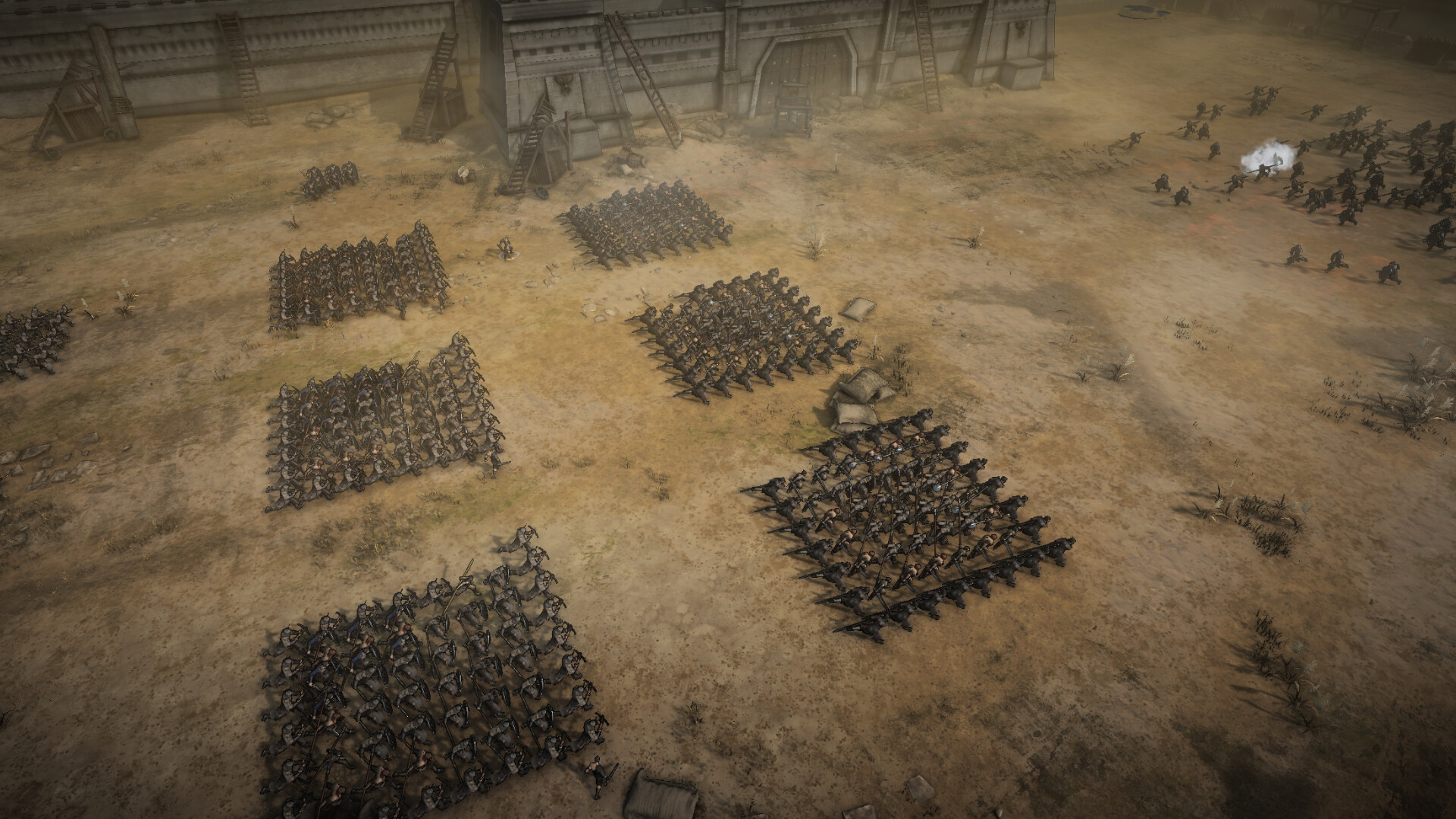
Some martial arts also produce battlefield effects in larger fights, such as a presence aura that boosts surrounding troops or a finishing technique that breaks an enemy formation. Most of the strategic-layer effect, however, comes from retainers with their own arts rather than from the player character.
What Counts and What Does Not
Martial arts are distinct from raw weapon skill, from cultivation, and from the philosophical school's wider doctrine. A character can be a Confucian scholar who has not learned any martial art at all, a peasant brawler who has learned a single art and one weapon, or a wandering polymath who knows three arts and uses none of them on the battlefield because they cultivate instead. The flexibility is the point.
Related Pages
Weapons: weapon families that pair with martial arts.
Cultivation Paths: the third leg of the combat triangle alongside arts and weapons.
Hundred Schools of Thought: philosophical schools, several of which teach a signature art.
Combat System: the wider melee and strategic combat overview.