
Loading...
Loading...
Open World
July 22, 2026 at 02:04 AM
Added the confirmed channel architecture and the map and compass navigation changes from the latest development update
Chrono Odyssey has a seamless open world set in Setera, a realm built on Unreal Engine 5 with minimal loading screens between zones.
Setera appears as a peaceful, beautiful land filled with nature. However, it is also the frontlines of a war against the Void, an ongoing conflict since the beginning of time. The land contains dangers from twisted space-time and contradicting timelines. These same dangers provide mysteries and opportunities unique to this world.
Item | Description |
|---|---|
Grasslands | Open fields with standard enemies |
Snowfields | Cold environments with weather hazards |
Swamps | Dangerous areas with environmental effects |
Mountains | Elevated terrain with unique challenges |
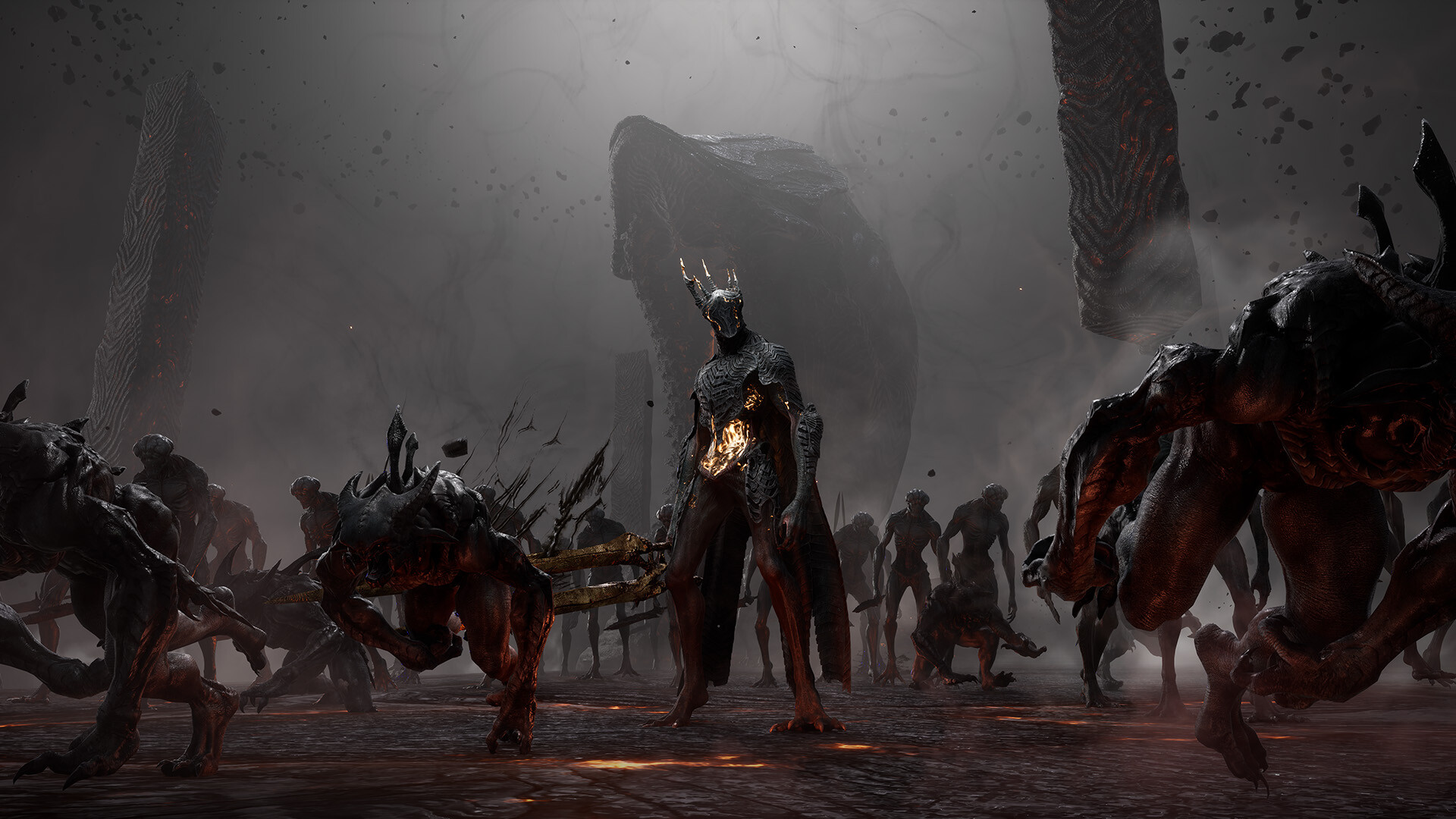
Each region has distinct visual identity and enemy types. Content scales depending on party size.
The first closed beta test (June 20-22, 2025) restricted players to one region with a dark border preventing access to other areas.
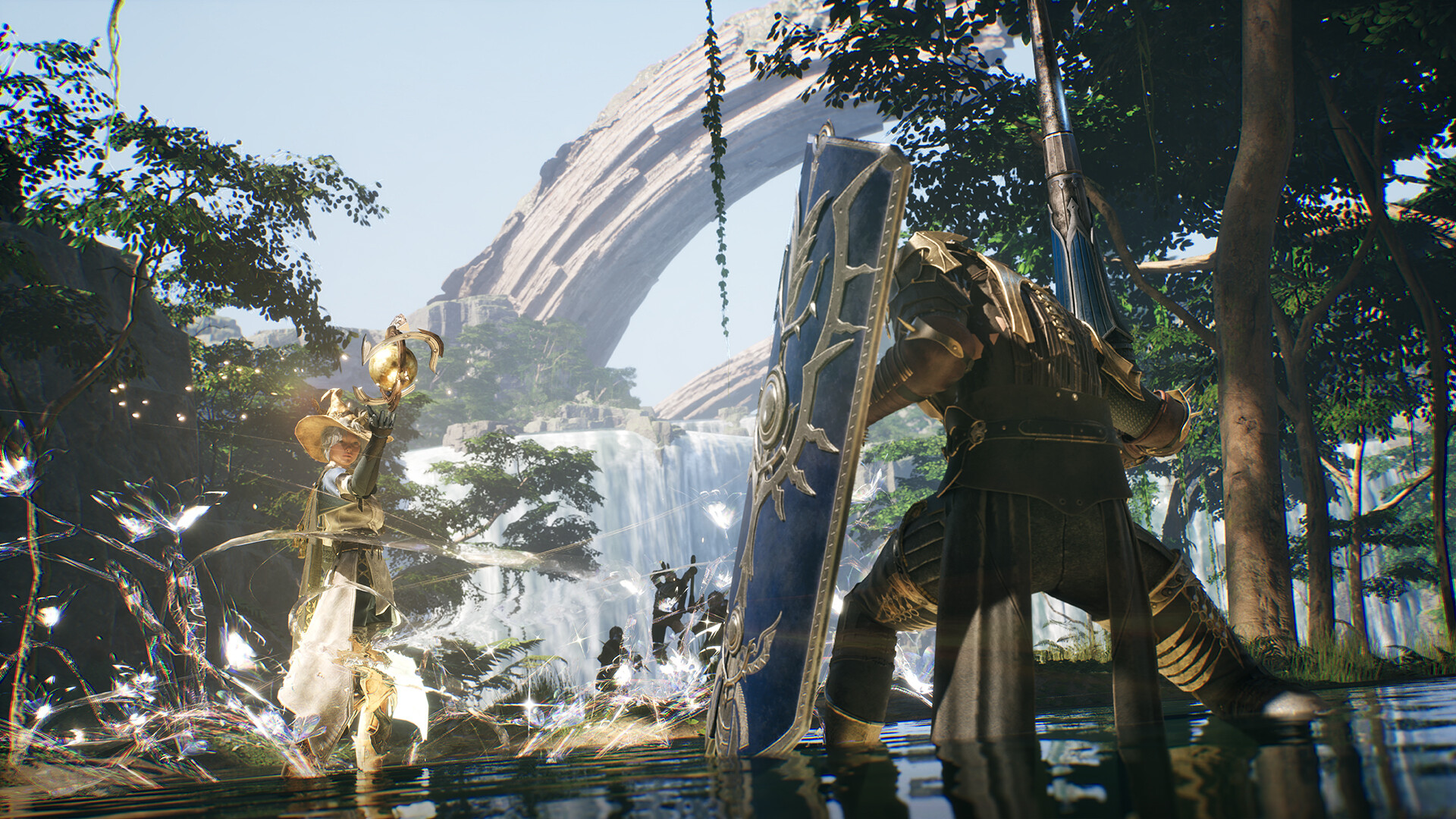
Some players crossed the boundary and discovered additional areas in development, including open fields with stone giants and new 5-player dungeons.
Based on feedback, the development team announced plans for:
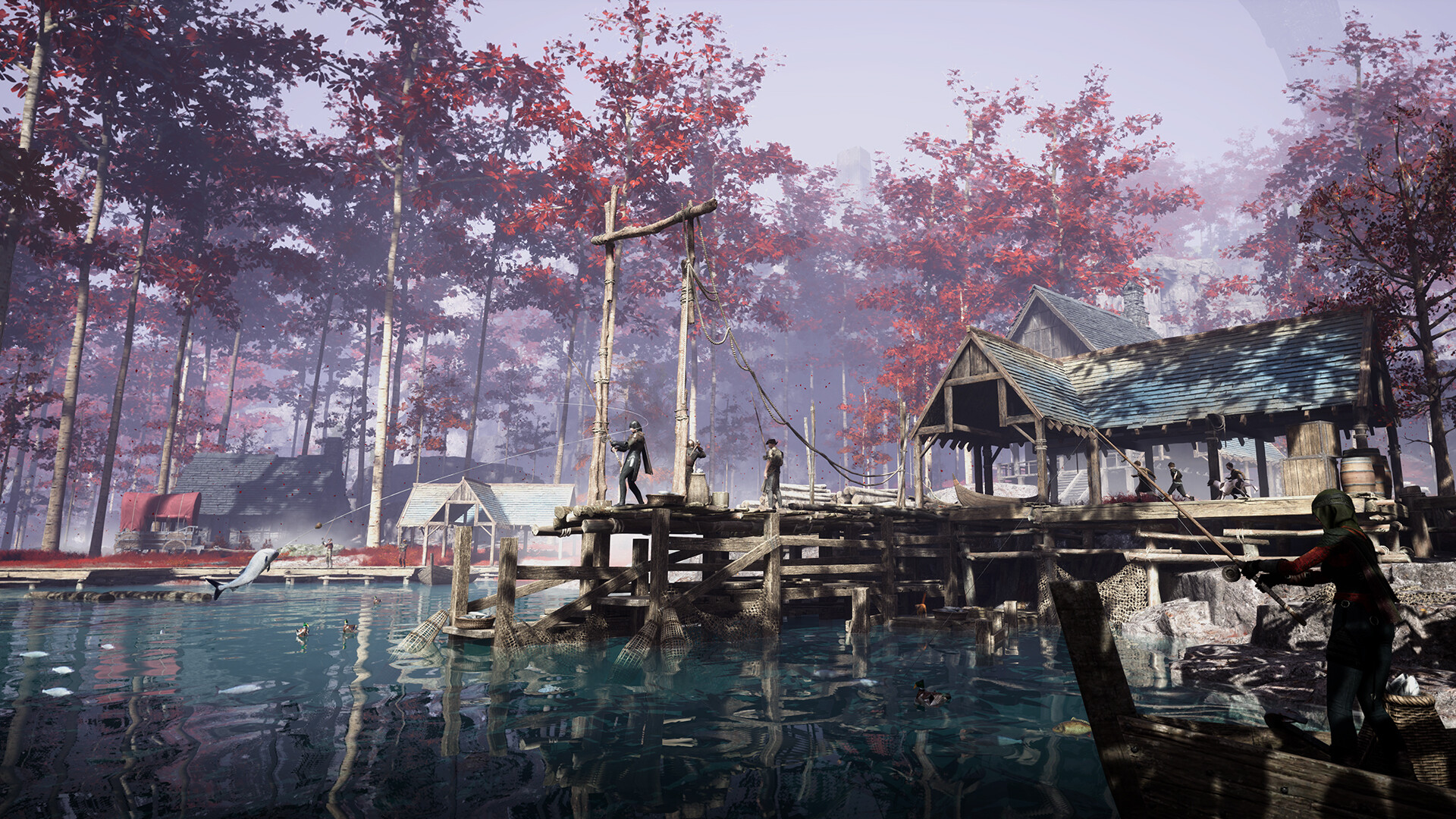
Denser and more rewarding world
Enhanced region-specific features for stronger visual identity
New exploration elements (themed caves, diverse routes)
Dynamic grass and wind systems responding to player movement
Improved dungeon replayability with randomized elements
The Continent of Setera includes the Balrog and Cradle sub-regions. Dawn Slope is the first major settlement with all crafting workbenches.
The official launch is planned for Q1 2027, following a delay from the prior Q4 2026 target announced in the publisher's Q4 2025 earnings call on February 11, 2026.
Setera is built to be traversed without hard loading screens. Players move between regions via three main systems:
On-foot movement with parkour over walls and rooftops, double-jumps across gaps, and swimming through water bodies.
Mounts: tameable horses unlocked early, with summon and dismiss controls; see Mounts and Traversal for full detail.
Chrono Leaps, the game's anchor-based fast-travel system. After completing a region's primary objectives, the region's Chrono Leap node unlocks and can be used as a one-click destination from the world map.
Setera's open world is split into biome-distinct regions, each with its own enemy density and story content. Confirmed regions include Mistwood Forest and Vinetrap Forest, both forested. Additional grassland and snowfield biomes appear in trailer footage and dev posts. Each region has its own population of field bosses, world bosses, labyrinths, and Void Nexus outbreaks.
The technical backbone is Unreal Engine 5's World Partition system, which streams the world in cells rather than loading whole zones at once. The practical effect is that crossing a region boundary does not trigger a loading screen during normal play. Post-CBT updates focused on tightening this system: the team published notes describing rendering and memory restructuring intended to lower CPU and GPU load during streaming, along with support for NVIDIA DLSS and AMD FSR upscaling to ease the performance cost on lower-end hardware.
The world's state is not static. Weather cycles change visibility and ambient effects; day/night cycles affect enemy behavior in some zones; player activity in a region triggers events such as Void Nexus outbreaks. The full launch map is described as significantly larger than the CBT1 test region. Specific scale claims should be treated as design-intent until a current build verifies them.
World of Setera: Lore-focused page on the planet itself, separate from the open-world systems page.
Mounts and Traversal: Full detail on mounts, parkour, Chrono Leaps, and movement options.
Field Bosses: Open-world boss encounters that anchor each region.
Time Portals: Instanced historical zones that branch off the open world.
Each server runs multiple channels rather than a single shared instance. The architecture exists to hold performance together in crowded regions and during large world events by spreading player density across channels. Character data is shared dynamically between every channel on the same server, so moving to another channel does not change anything about the character. Parties can form across channels, but party members have to be on the same channel to see each other in the field or in town. Rules around swapping, including any cooldown, have not been finalised.
Navigation received a set of confirmed changes after the first closed beta test. The compass gained height indicators, which matters in deep caves and on cliffside paths where an objective can sit far above or below the player. Quest markers now appear on the world map rather than only on the minimap, so routes can be planned across a region instead of followed one waypoint at a time.
World map icons also carry discovery state. Content that has not been found yet shows no icon at all, content that has been discovered but not finished shows an uncleared icon, and completed content switches to a cleared icon. Discovery still depends on the player going out and finding things; the icons only track what has already been done.
