

Overview
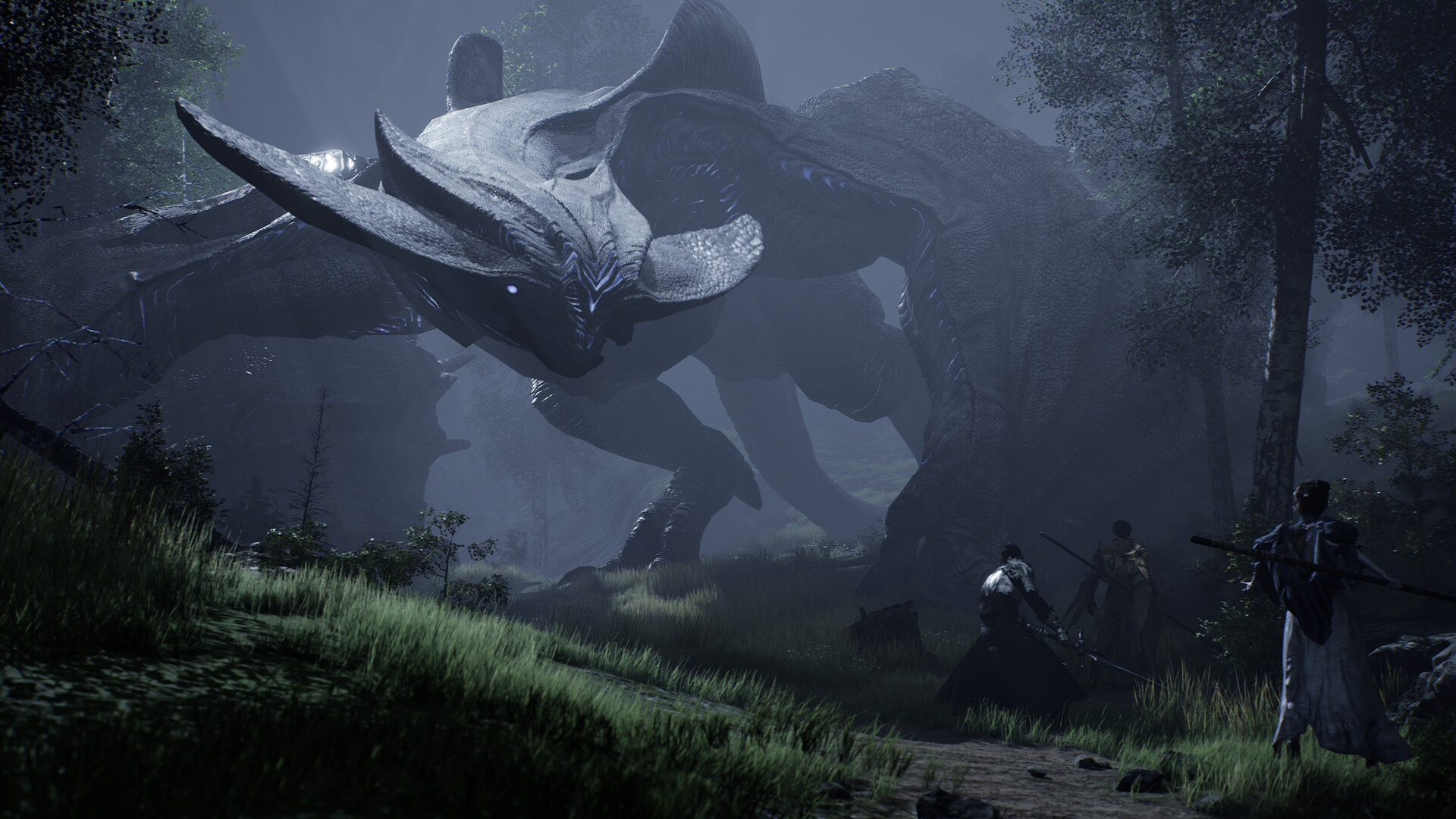
A Void Nexus is a dome-shaped corruption zone that manifests in the open world of Setera. Each Nexus contains corrupted land, relentless waves of Void enemies, and a cocoon-like object known as a Void Core at its center. Designed for 5-player groups, though possible to attempt with fewer depending on skill and gear score Void Nexus encounters are among the most intense open-world PvE experiences in the game. They spawn organically throughout Setera rather than on fixed timers, and destroying the Void Core purifies the corrupted area.
Mechanics
The Void Core
At the heart of every Void Nexus sits a Void Core the source of the corruption. As long as the Core remains intact, enemies continuously emerge from portals throughout the dome. The Core acts as both the spawn catalyst and the encounter's primary objective: while it stands, the flow of enemies never stops. Players must fight through wave after wave of Void creatures to reach the Core and destroy it, cutting off the portal spawns and purging the corruption from the area.
Multi-Phase Encounter
Void Nexus encounters progress through several phases of escalating difficulty. Each phase introduces different enemy types, increasing numbers, and more aggressive behavior patterns. The difficulty ramp is designed to test group coordination and resource management. Early phases serve as warm-ups, while later phases push groups to their limits with overlapping threats and tighter timing windows.
A boss appears during each Void Nexus encounter, adding a significant combat challenge on top of the constant enemy pressure from portal spawns. The boss fight represents the climactic phase of the encounter, requiring the group to split attention between the boss's mechanics, continuing portal spawns, and the objective of reaching and destroying the Void Core. Managing all three threats simultaneously is what makes Void Nexus encounters distinct from standard open-world combat.
Portal Spawning
Enemies emerge from portals positioned throughout the Void Nexus dome. These portals remain active as long as the Void Core is intact, creating a constant pressure that prevents groups from passively waiting out mechanics. The portal-based spawn system means enemies approach from multiple directions, requiring spatial awareness and positional discipline. Groups that fail to manage portal spawns risk being overwhelmed from behind while focusing on the Core or the boss.
Group Composition
The ideal group size for a Void Nexus is 5 players, though encounters can be completed with fewer depending on gear score and individual skill. Effective group composition benefits from a mix of AoE damage (to manage portal spawns), crowd control (to create breathing room during intense phases), and survivability across different classes. The constant enemy pressure makes pure single-target compositions risky, while the boss encounter demands enough focused damage to prevent the fight from dragging on indefinitely.
Spawn Behavior
Void Nexus zones feature organic spawning they manifest dynamically throughout Setera rather than on fixed daily-quest timers. The open world is designed as a sandbox where narrative events and large-scale activities emerge based on player activity, time cycles, and weather patterns. This means Void Nexus encounters cannot be scheduled or predicted with precision. Players must explore and respond to corruptions as they appear, creating a sense of discovery and urgency when a Void Nexus is spotted. The organic spawning system reflects the developers' broader philosophy that Setera's open world should feel alive and unpredictable rather than governed by rigid daily reset timers.
Rewards
Void Matter
Successfully destroying the Void Core yields Void Matter, a special resource required for crafting high-level gear. Void Matter is one of the most sought-after endgame materials, making Void Nexus encounters a critical part of the gear progression pipeline for players pushing into Raid-tier content. The amount and quality of Void Matter dropped may scale with the difficulty of the specific Nexus encounter.
Purification
Destroying the Void Core does not merely end the encounter, it purifies the corrupted area. The dome of corruption dissipates, the land returns to its natural state, and the Void's influence is pushed back from that area of Setera. This purification mechanic ties gameplay directly to the game's broader narrative: each Void Nexus destroyed represents a small victory in Setera's ongoing war against the Void. The corrupted eleven other planets created by Chronos were lost because they could not defeat their own Void incursions in time. Setera's fate depends on players continuing to purify corrupted zones before the Void gains a permanent foothold.
Strategic Considerations
Strategy | Details |
|---|---|
Prioritize Portal Management | Ignoring portal spawns to rush the Core will result in being overwhelmed from behind. Assign AoE-capable players to manage spawn waves. |
Save Cooldowns for the Boss | The boss phase is the most dangerous. Groups that exhaust their Chronotector abilities and class ultimates during early waves may lack the tools to handle the boss effectively. |
Positioning | The dome structure creates a confined arena. Maintain awareness of portal locations and keep escape routes clear during the boss fight. |
Smaller Groups | Attempting with fewer than 5 players is possible but dramatically increases the difficulty of managing simultaneous portal spawns and boss mechanics. Solo attempts are extremely challenging. |