

Overview
City management in The Bustling World puts the player in the role of a faction steward responsible for conducting city planning and overseeing the architectural endeavors of individual NPCs. This is not a traditional strategy game city builder where you place buildings on a grid and watch resources tick upward. The system is organic, driven by NPC behavior, and shaped by your policy decisions rather than direct construction orders.
As a steward, your job involves designating residential and commercial areas, balancing the needs and contributions of NPCs for city growth. The NPCs then respond to your zoning decisions and economic policies by building, moving, trading, and living within the framework you create. The result is a city that feels alive, growing in response to player decisions but not under complete player control. This approach differs from SLG-style management games and is closer to a simulation where you set conditions and watch emergent behavior unfold. The city-building and siege layer is not available from the start. According to the developers, it opens up once the player progresses to becoming the lord of the city, and even then the city is run from a single character's perspective rather than a detached overhead view.
Historical Architecture
The game includes nearly 2,000 building components based on historical paintings and architectural records from ancient China. These are not generic fantasy buildings. They draw from specific periods and regional styles. This reflects the diversity of Chinese architectural tradition. Tiled roofs, wooden beam structures, courtyard layouts, and defensive walls all follow historical design principles.
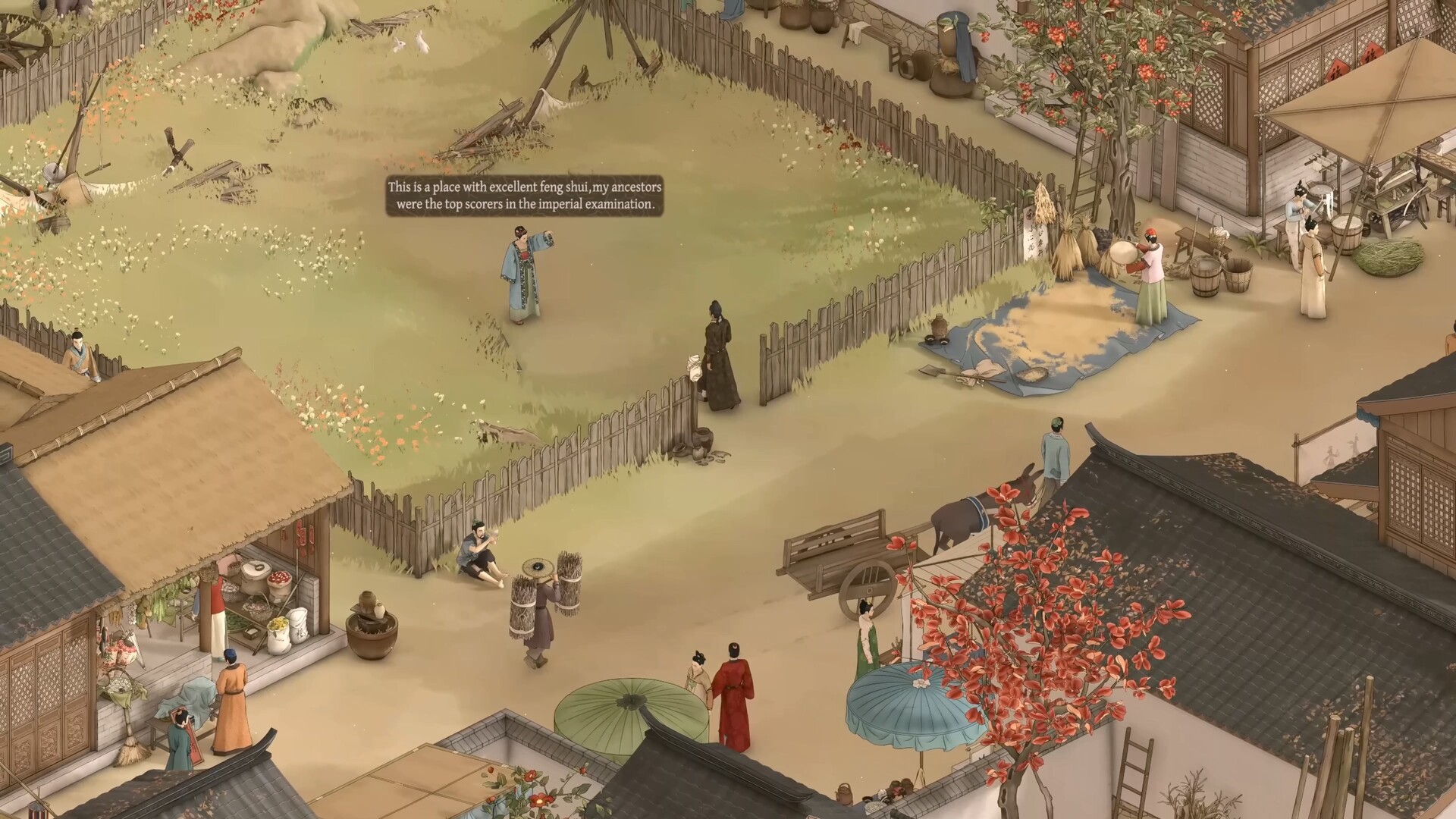
Building components can be combined in different configurations, giving each city a distinct appearance depending on the available components and the player's design preferences. A city built in a mountainous region will look different from one on a river plain, partly because of terrain constraints and partly because the available materials and building traditions vary by region.
The architectural detail connects to the game's broader focus on recreating the look and feel of historical China. The world and setting article covers the historical basis in more depth, but from a city management perspective, the building system gives players tools to construct places that look period-appropriate without requiring art history expertise.
Urban Planning and Zoning
City planning works through a zoning system. Players designate areas as residential, commercial, agricultural, military, or other functional types. NPCs then respond to these designations. A residential zone attracts civilians who build homes. A commercial zone draws merchants who open shops. A military zone supports barracks and training facilities.
The balance between zones matters. Too much residential space without enough commercial activity means residents have no place to work. Too much commercial development without enough housing means shops have no customers. Military zones drain resources from the civilian economy but provide security. Getting the balance right is the core challenge of urban planning.
Zoning is not permanent. You can redesignate areas as your city's needs change. A young settlement might start heavy on residential and agricultural zones to establish a population and food supply, then gradually add commercial and military zones as the economy grows and security threats increase.
Resident Tiers and Contributions
Residents in your city are not all equal in what they produce or what they demand. NPCs exist at different tiers based on their wealth, skills, and social standing. Higher-level residents contribute more to your city's output through taxes, skilled labor, and economic activity. However, they also demand better materials, higher-quality buildings, and improved amenities. A city full of wealthy merchants generates more revenue than one populated by subsistence farmers, but those merchants expect paved streets, quality shops, and security from crime.
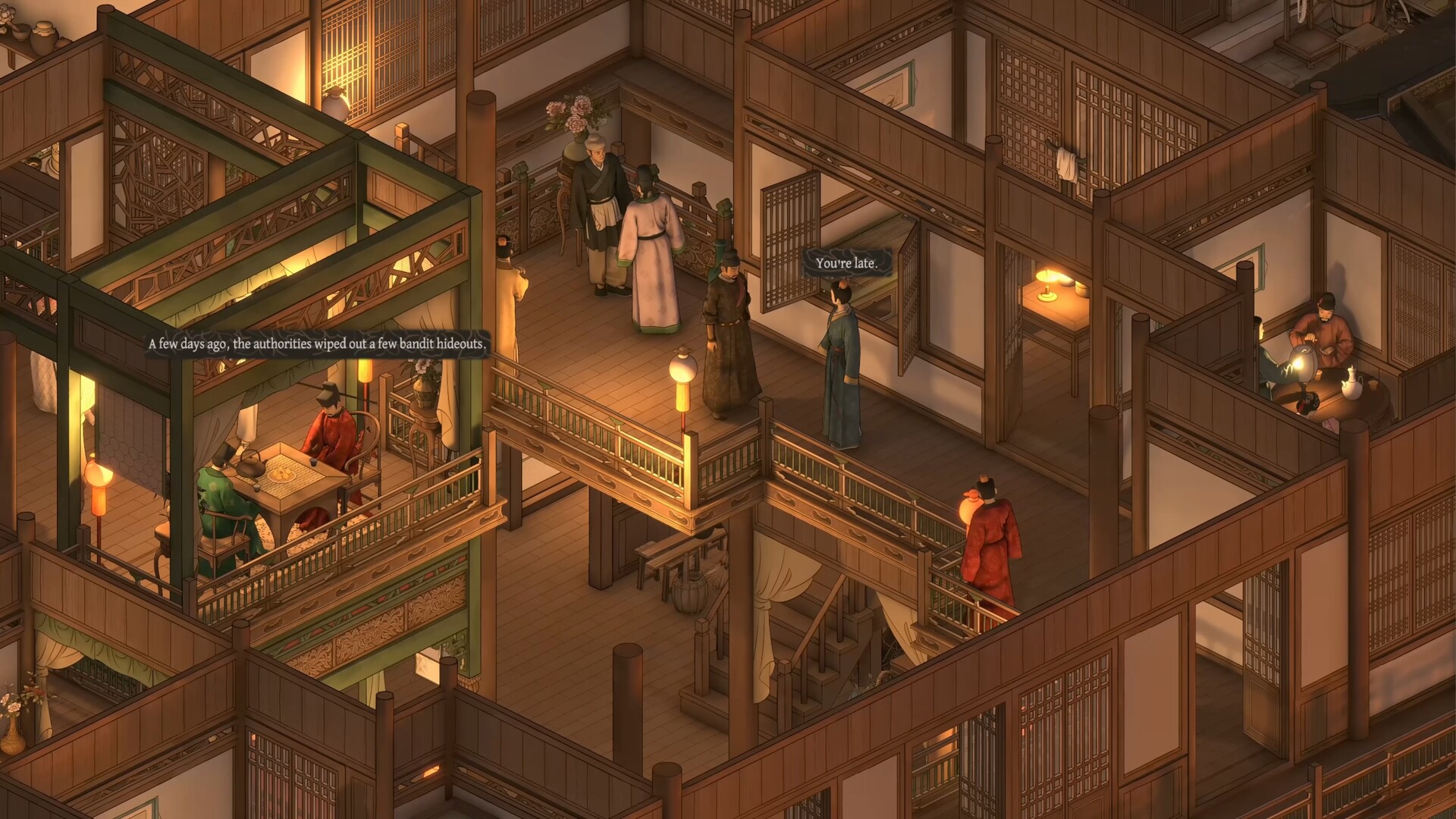
This tiered system creates a progression loop within city management. Early settlements attract lower-tier residents who have modest needs and modest output. As you invest in infrastructure, better zoning, and improved services, you attract higher-tier residents who bring more wealth but require more investment to keep satisfied. Failing to meet the expectations of higher-tier residents can cause them to leave for better-managed cities elsewhere in the game world.
The resident tier system connects directly to the policy management layer. Economic policies that encourage trade attract merchants. Cultural policies that fund festivals and arts attract educated residents. Military policies that prioritize security make wealthy citizens feel safe enough to stay. Balancing the needs of different resident tiers is part of what makes the city management system feel like managing real people rather than optimizing abstract numbers.
NPC-driven Cityscape
The distinctive feature of city management in The Bustling World is that NPCs dynamically shape the cityscape based on player interactions and policies. When you zone an area as commercial, you do not pick which shop goes where. NPCs with merchant backgrounds will move in and open businesses based on their own skills and the local market demand. A city near fertile farmland might attract food vendors. A city on a trade route might draw importers and wholesalers.
This means your city's personality emerges from the combination of your planning decisions and the NPCs who choose to live there. Two cities with identical zoning in different locations will develop differently because different NPC populations will migrate to each one. The system creates a feedback loop: your policies attract certain types of NPCs, those NPCs shape the city's character, and the city's character influences which new NPCs want to move in.
Property System
Players can buy and trade properties within cities. Property prices fluctuate with market factors including location, surrounding development, economic conditions, and seasonal changes. A shop on a busy commercial street costs more than one in a quiet residential neighborhood. A property near a newly built gate or market will appreciate as traffic increases.
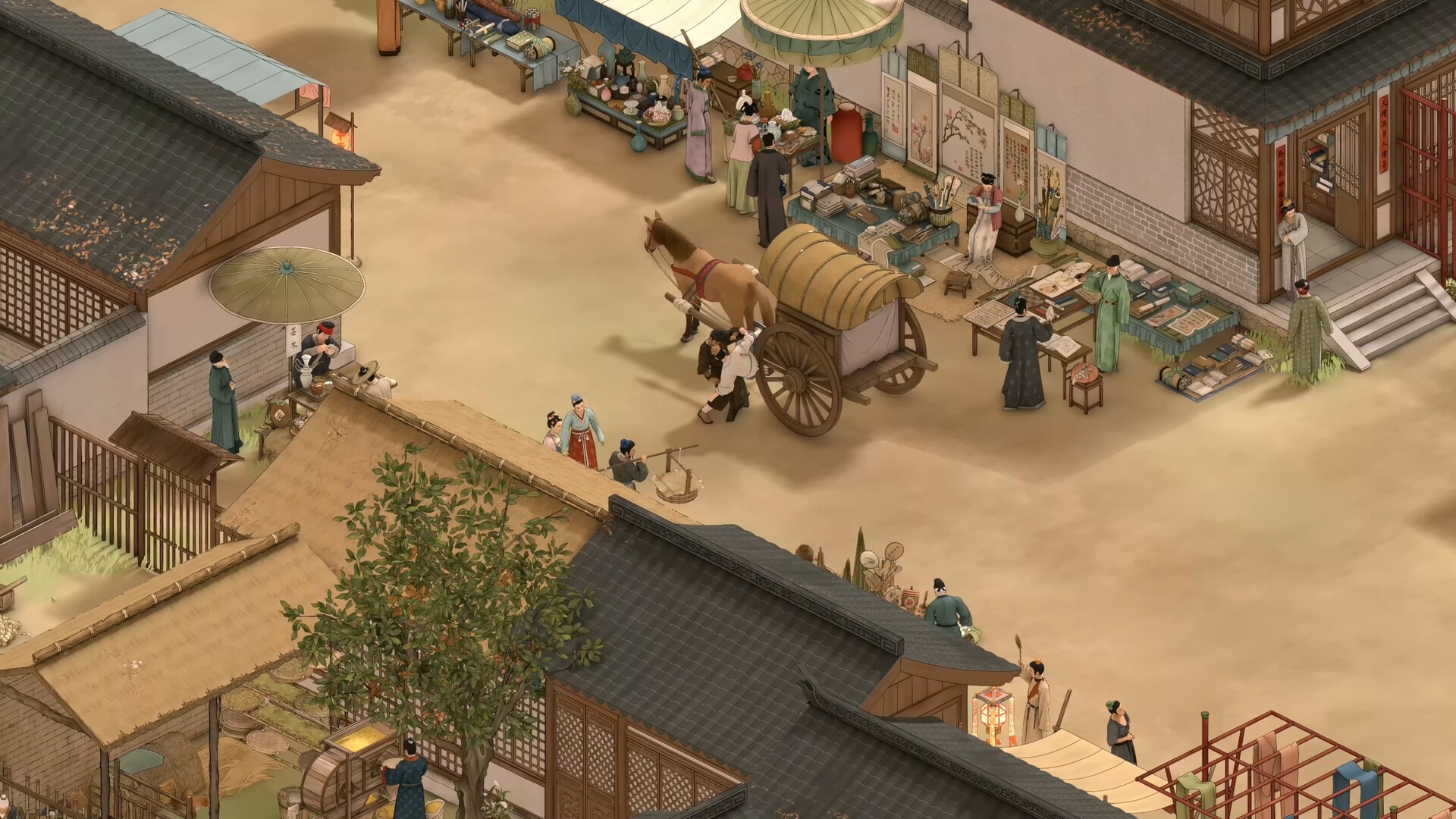
The property system connects to the broader economy. Players can speculate on property values, buying cheap in underdeveloped areas and profiting when development drives prices up. They can also use properties directly, opening businesses, establishing workshops, or setting up residences. Property ownership is tracked by the NPC system, meaning NPCs also buy, sell, and trade properties based on their own economic situations.
The connection between property values and economic activity creates interesting dynamics. A player who invests in a city's commercial development through policy changes will see their own property values rise along with everyone else's. This alignment of personal and civic interests makes city management feel rewarding on multiple levels.
Decoration and Furnishing
Nearly 1,000 items are available for decoration, including furniture, fine china, paintings, screens, and garden elements. Players can customize the interiors and exteriors of properties they own, creating personalized spaces within the broader city. Decoration is not purely cosmetic, though the exact gameplay effects have not been fully detailed.
The decoration options draw from historical Chinese material culture. Items are period-appropriate, ranging from simple wooden furniture for modest homes to elaborate porcelain collections and silk scrolls for wealthy estates. The variety supports different architectural styles and social strata, so a farmer's cottage looks and feels different from a merchant's mansion.
Policy Management and City Specialization
City management connects to the factional policy system described in the military and warfare article. Policies across military, culture, economy, and research domains are represented as policy cards that enable city specialization. A city can be tuned to excel in a particular area, becoming a military stronghold, a trade center, a cultural hub, or a research base.
Policy cards unlock through various means: hero characters who bring administrative expertise, relics found through exploration, and upgrades earned through successful governance. The card-based system means your policy options expand over time, giving you more tools to shape your cities as your territory grows.
Specialization creates trade dependencies between cities in a multi-city territory. A military city needs food from an agricultural city and weapons from a manufacturing city. A trade city generates revenue that funds military and cultural projects elsewhere. These interdependencies make managing a territory more complex than managing a single settlement, which is part of what distinguishes The Bustling World's approach from simpler city builders.
Growth and Decline
Cities are not static once built. They grow when conditions are favorable and decline when they are not. A well-managed city with good policies, adequate food supply, profitable businesses, and effective security will attract new residents and expand. A poorly managed one will lose population, see businesses close, and eventually shrink.
External factors also affect growth. War damage from sieges requires rebuilding. Seasonal changes affect agricultural output. Trade route disruptions can collapse commercial districts. The city management system responds to the full range of events in the game world, making urban planning a continuously evolving challenge rather than a solve-it-once problem.