

Gothic 1 Remake is built around slow, deliberate progression. The Nameless Hero starts the game with no skills, no allegiance, and no equipment beyond a sealed letter. Every stat increase has to be earned by finding a Trainers, and every faction decision shapes the rest of the campaign.
Pre-Launch Checklist
- Confirm your platform can run the game. See System Requirements for the PC tiers.
- Pick the right SKU. See Editions and Pre-Order Bonuses for Standard, Collector’s Edition, and pre-order bonus details.
- Choose your language. See Languages and Accessibility for the supported audio and subtitle matrix and the accessibility toggles available at launch.
- Try the free Nyras Prologue Demo if you have not already. It is the cleanest preview of the launch combat feel.
- Skim Release History for a sense of which systems are new since the 2001 reference and which match it.
Try The Demo First
The free Nyras Prologue Demo is available on PC, PS5, and Xbox Series X|S. It is roughly an hour long, stars a separate character, and is the best hands-on preview of the remake’s pacing, combat feel, and NPC routines before launch. The PC build has been patched with faster combat animations since the original release.
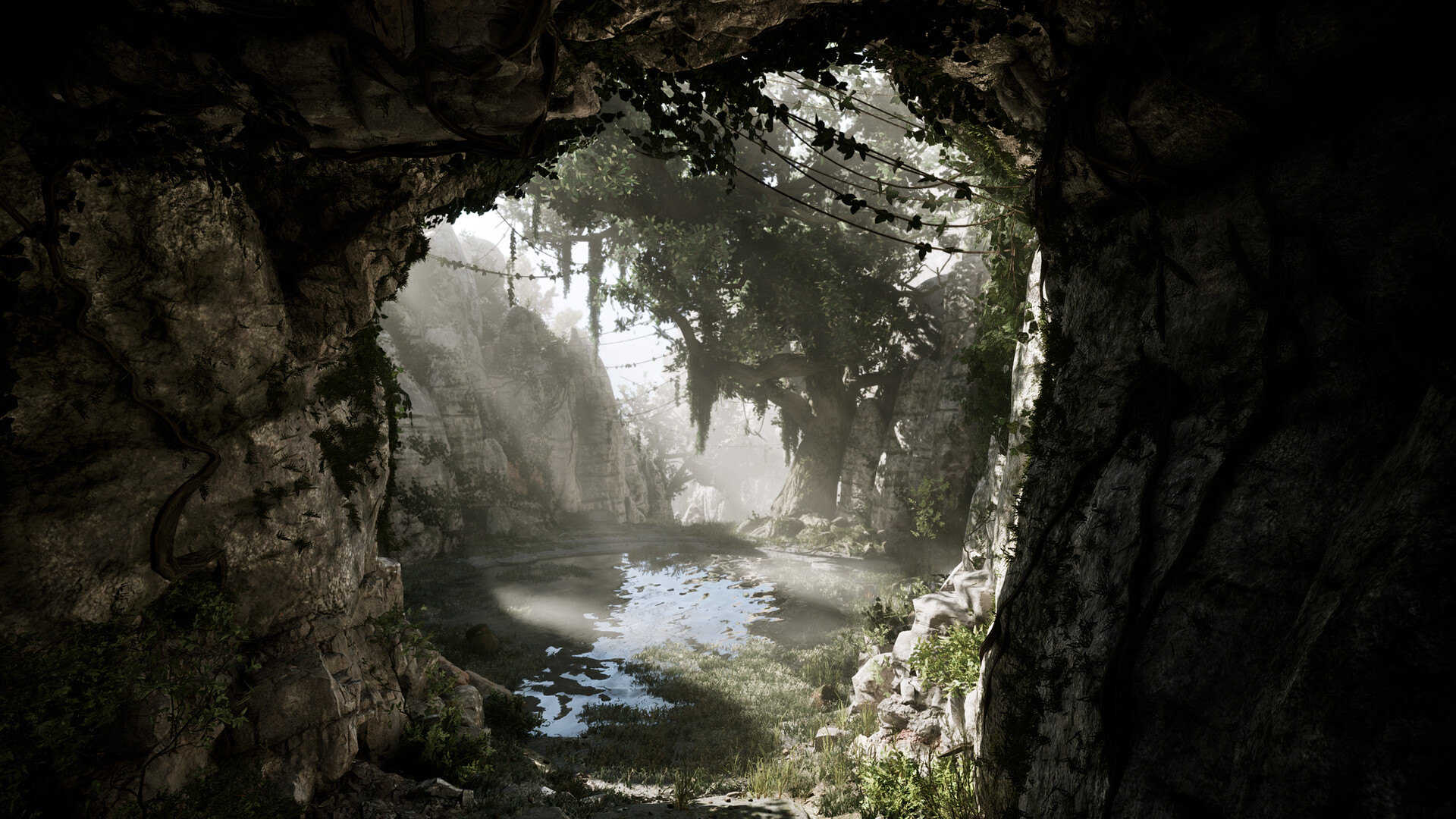
The First Minutes
After being thrown through The Barrier by royal guards, the Hero is confronted and knocked out by Bullit. He wakes up beside Diego, one of the first sympathetic faces in the Colony, who explains the basics of life behind the Barrier and points the way to the Old Camp.
Choose A Camp
The heart of the early game is joining one of the three rival camps. Each has its own admission route, its own leadership, and its own philosophy on how to deal with the Barrier.
- Old Camp. Rules the Colony’s ore trade and bargains with the Crown for wine and supplies. Led by Gomez. Home to the Fire Mages.
- New Camp. Wants to break the Barrier and escape the Colony. Jointly associated with the Water Mages and the rebel commander Lee.
- Swamp Camp. Worships an entity known only as The Sleeper and believes it will free them all. Led by the guru Y’Berion.
No Classes, No Archetypes
There is no class selection. The Hero’s identity is defined entirely by which trainers they visit, which camp admits them, and which runes and scrolls they collect. A player who only ever invests in bows can still finish the game; a player who never touches a sword can still defeat bosses, provided they read enemy windows well enough. The studio has stated a sufficiently skilled player can complete the full game at level one.
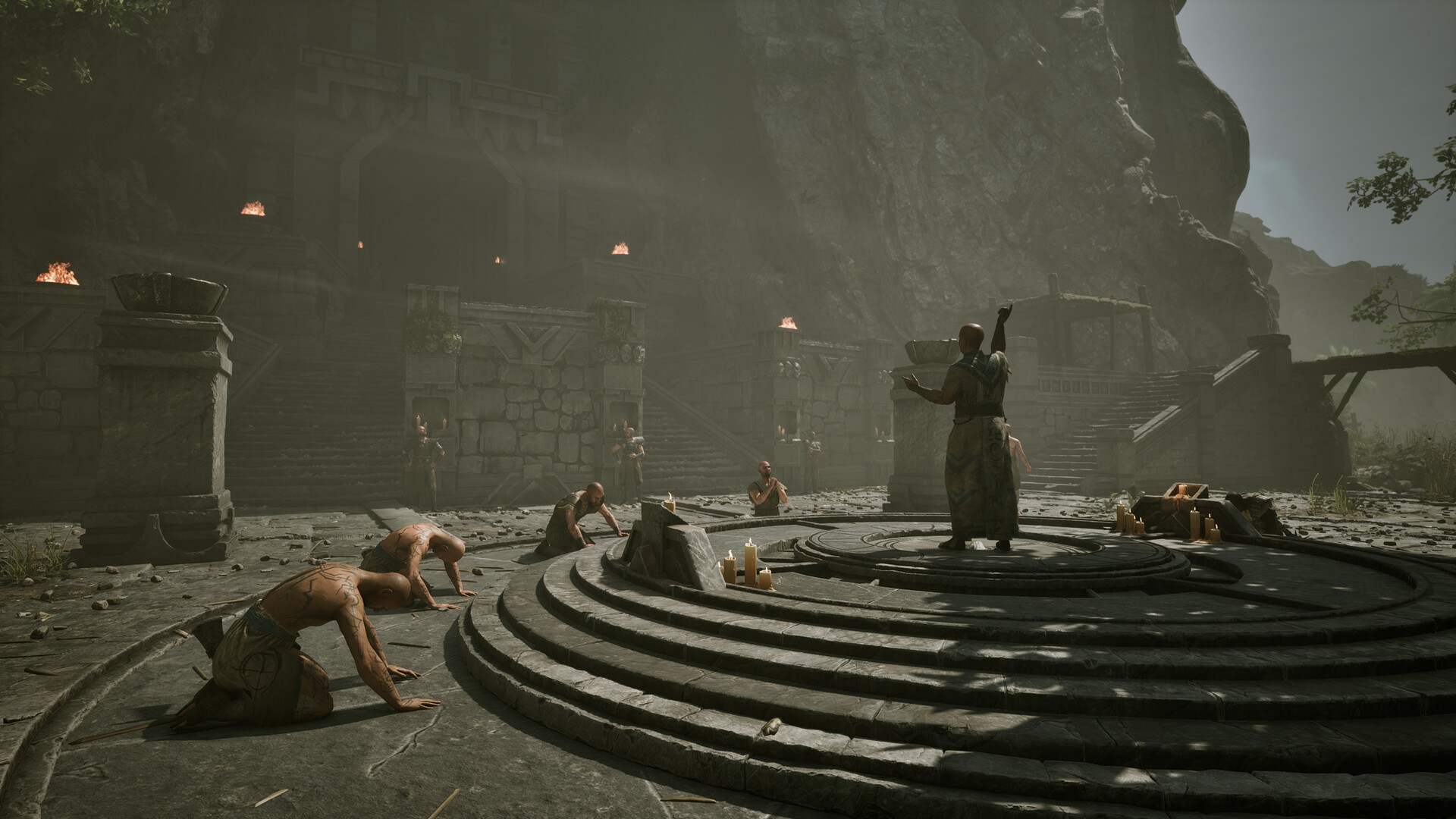
Skills And Stats
Stats only go up when a trainer teaches the Hero, so exploration and quest-giving are how you actually get stronger. Lockpicking is preserved in spirit but presented as a new layered-pin mechanic. The studio has also stated that weaponsmithing and cooking have been expanded compared to the 2001 reference. See Experience and Skills for the full breakdown.
Combat Basics
Combat is slow, tactical, and unforgiving at low levels. There is no stamina bar, so pressure comes from reading enemy telegraphs and spacing rather than from a depleting meter. Pick your fights, circle, and look for parry windows. Each weapon has three trainer-taught tiers (Beginner, Trained, Skilled) that unlock longer combos and faster attacks. Headshots register as critical hits even at Beginner bow skill. See Combat System for the full breakdown, including the lock-on camera, parry and riposte, dodge interrupts, finisher animations, and the accessibility combo toggle described in Languages and Accessibility.
Magic
The full magic path opens up once you join a camp with mages. Runes are the long-term investment for full mages, while scrolls let any character dabble in spells without committing to the circle-of-magic ladder. Spell list includes damage, telekinesis, mind control, sleep, fear, protection, heal, skeleton summoning, and transformation into wolf, lurker, or harpy form. Environmental conditions modify spells (rain dampens fire, freezing amplifies blunt damage). See Magic and Runes.
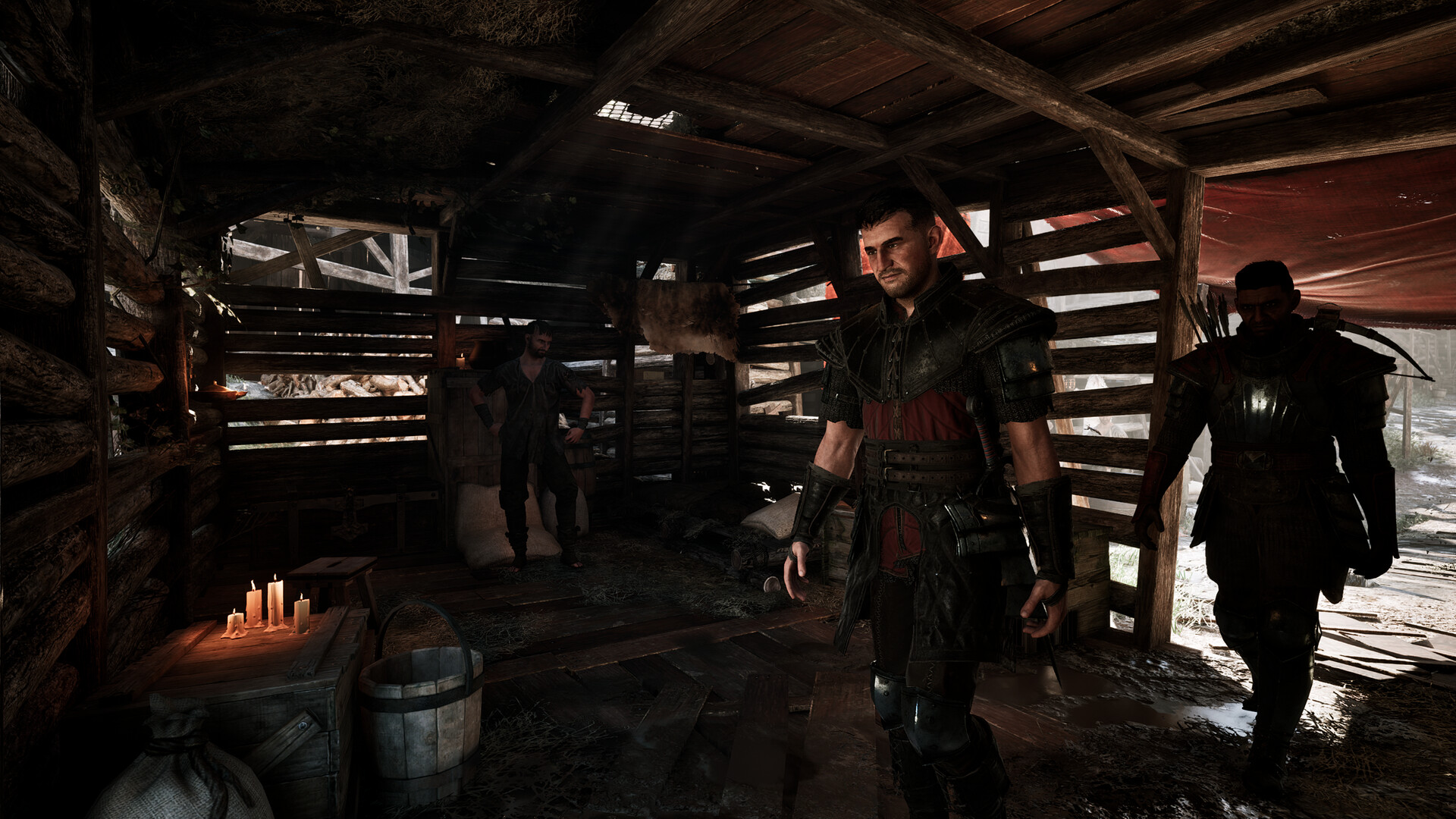
Quests
Quests are not split into main and side categories: everything lives in one log, and the player decides what to prioritise. Quest givers tell the Hero the result they want, not the steps to take there. There are no map markers, no GPS routes, and no objective paint. Optional accessibility features include a glossary and a quest-tracker panel, but the navigation core remains landmark-based. See Languages and Accessibility for those options.
New In The Remake
- Traversal. Free climbing and underwater diving are both new mechanics that did not exist in the 2001 reference layout. See Traversal for the details.
- Transformation spells. Wolf, lurker, and harpy forms give stealth and movement options the original’s toolkit did not cover.
- Orcish language. A full Orcish Language the Hero can learn, unlocking new dialogue and quests with Orc NPCs.
- Living NPCs. NPC routines are driven by mocap sequences, so villagers work, eat, sleep, drink, and socialise on believable schedules. Public talks reference around 600 unique NPC faces, with a large named cast whose persistent state changes when they die. See Engine and Modding for the pipeline.
- No shields, no helmets. The original’s philosophy is preserved. See No Shields, No Helmets.
Progression Through The Story
Joining a camp closes out the opening arc and moves the main quest forward. The story is structured around chapter-style story beats rather than timed events. See Chapters for how the overall narrative is organised.
See Also
Overview for the top-level pitch. Combat System for combat detail. Magic and Runes for the magic ladder. System Requirements for PC tiers. Languages and Accessibility for language and accessibility options. Editions and Pre-Order Bonuses for SKU detail.
First Steps in the Colony
Once you are in the world, a clear opening routine saves a lot of early pain:
Head for the Old Camp first; it is the safest hub and the gateway to most early quests.
Grab the free starting weapons on the way, and give the Hunter's Knife to Drax for a free bow.
Find a bed you can use as a safehouse, and buy the Map of the Colony so you stop getting lost.
Visit the Free Mine for a free Digger's Dress as basic armor.
Put early points into your attributes and one weapon line through a trainer, rather than spreading them thin.