

Magic in Gothic 1 Remake is built around two kinds of spell delivery: runes, which are reusable and tied to the Circles of Magic, and scrolls, which are one-shot items any character can use. The ladder of magical power for dedicated mages is the Circle of Magic system, where higher circles unlock access to stronger runes. Alkimia Interactive has also confirmed a set of environmental interactions layered on top of the base spell effects.
Runes
Reusable. Runes are permanent items that cost mana per cast rather than being consumed.
Circle-gated. Higher-tier runes require the Hero to have progressed into higher Circles of Magic. Non-mages cannot use runes above a certain threshold.
Crafted. Runes are crafted by mages of the relevant circle, which is why the Fire Mages of the Old Camp and the Water Mages of the New Camp effectively control the upper end of the ladder for their followers.
Scrolls
Single use. A scroll is consumed on cast. There is no reload loop.
Unrestricted. Any character can read a scroll regardless of circle progression, which gives a non-mage Hero a way to dabble in magic without the investment.
Situational. Scrolls are best kept for emergencies or for utility effects like teleports and transformations.
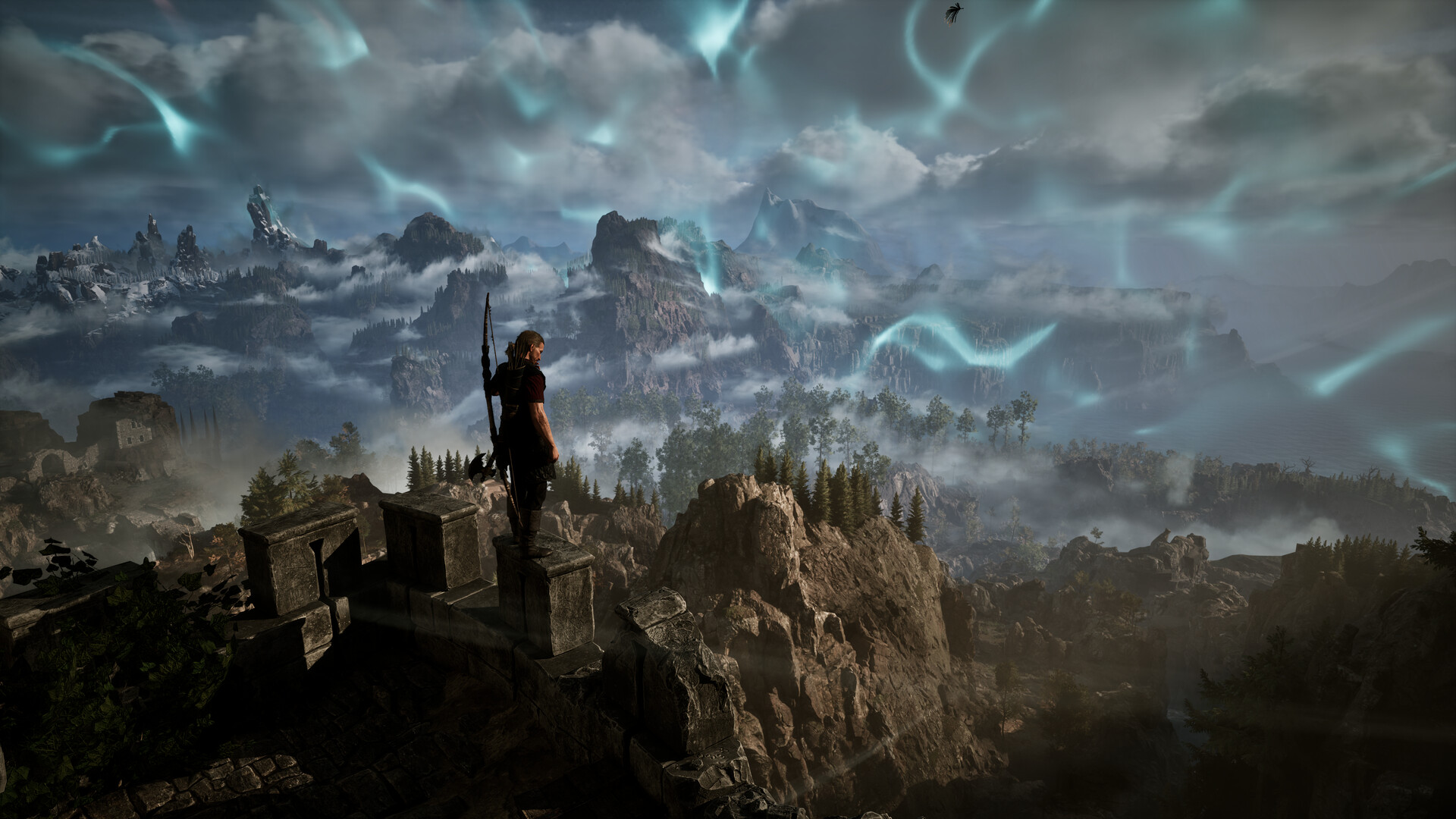
Spell Categories
Category | Examples |
|---|---|
Support | Light, Heal, Protection |
Control | Sleep, Fear, Charm, Mind Control, Telekinesis |
Offensive | Fire Bolt, Fireball, Ice Block, Chain Lightning |
Summon | Skeleton and other minion summons |
Utility | Teleport |
Transformation | Wolf, Lurker, Harpy (scroll-delivered) |
Alkimia has explicitly confirmed Heal, Protection, Sleep, Fear, Mind Control, and Telekinesis as part of the remake's spell toolkit, alongside the offensive list carried over from the 2001 original. Skeleton summoning and other minion summons are also confirmed.
Deity domains. The studio has stated that each spell is associated with the domain of one of the three deities: Innos (light, fire, order), Adanos (water, balance, knowledge), and Beliar (darkness, fear, corruption). Which runes a mage can craft depends in part on which deity their camp is aligned with, so the Fire Mages of the Old Camp work through Innos and the Water Mages of the New Camp work through Adanos.
Channelled casts. Several offensive spells support a charging step. Holding the cast input spends extra mana to release a stronger version of the spell, at the cost of a longer windup that leaves the caster exposed. This is on top of the base single-press cast, so a mage can choose between fast cheap bolts and slower heavier strikes depending on the encounter.
Transformations preserve the form’s relationships. Transformation spells (wolf, lurker, harpy, and a meatbug form used for traversal) do more than swap models. Enemies treat the transformed Hero as a member of the target species: wolves walk past a transformed Hero in the pack, lurkers swim alongside one, harpies treat a transformed Hero as a flier. The illusion breaks if a hostile NPC witnesses the transformation itself, so the caster needs line of sight to cast safely.
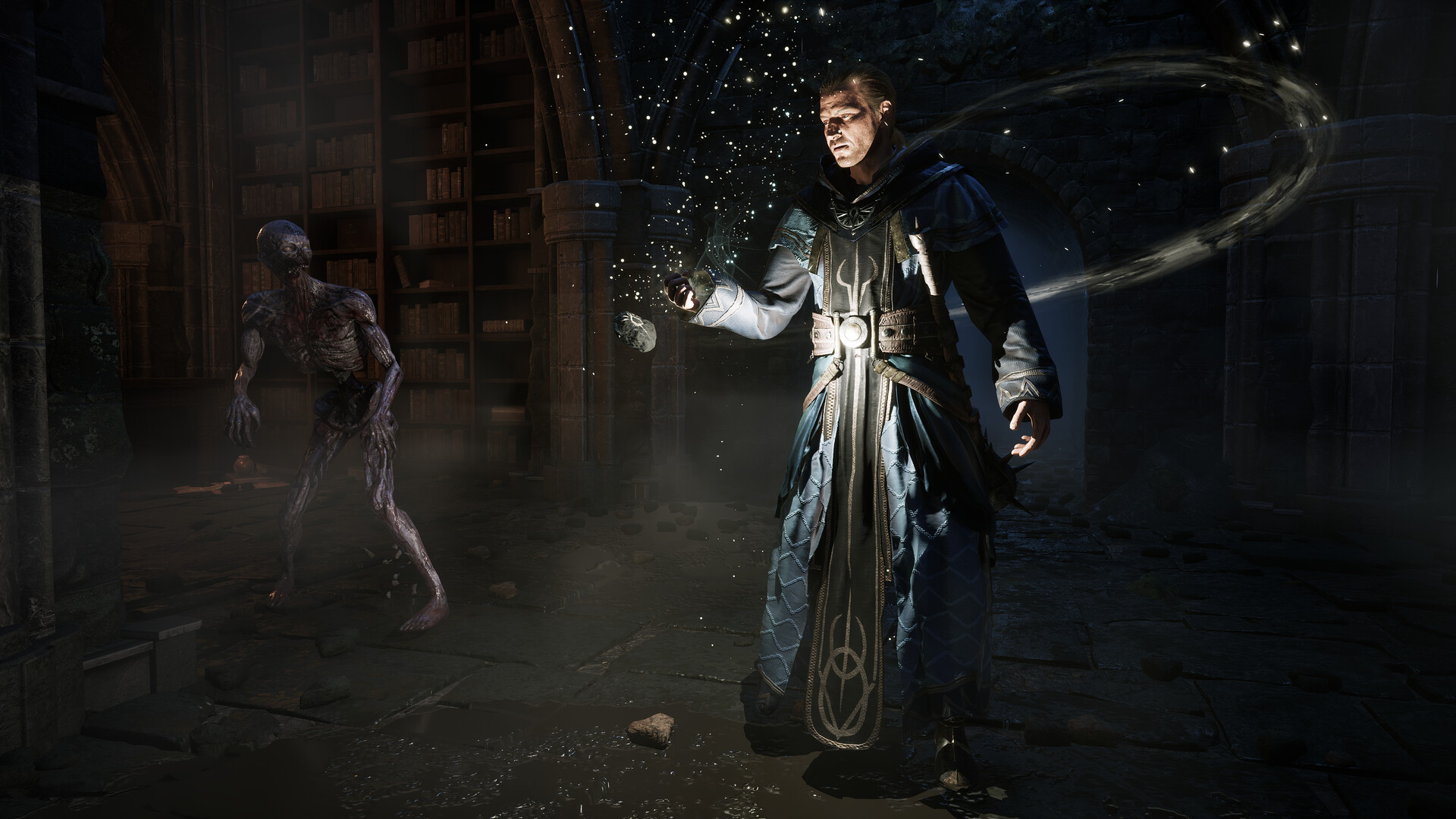
Environmental Interactions
Several spells interact with the Colony's weather and status conditions:
Rain dampens fire. Fire-based spells land softer during rainy weather, so mages who rely on fire runes have to account for the day's weather.
Freezing amplifies blunt damage. An enemy frozen by a control spell takes more damage from blunt weapons and from finisher animations, which rewards pairing an ice spell with a heavy melee follow-up.
Circles of Magic
Mages progress through the Circles of Magic by training with their camp's magical order. Each circle step raises the mana pool, unlocks new rune crafts, and gives access to higher-tier spells. The two circles accessible to the Hero are the Fire Circle (Old Camp) and the Water Circle (New Camp), depending on which faction the Hero joins.
Mage vs Scroll-User
A dedicated mage sinks experience into the Circle ladder and earns reusable, scaling power with every rune. A fighter Hero who only uses scrolls loses the scaling and has to spend real gold or rare drops for every cast, but keeps access to every spell category in a pinch. Alkimia has stated that both routes are designed to clear the full game if played well.
Patch 1.0.4 (July 31, 2026) improved how Ball Lightning and Fireball collide with the world, stopped NPCs under the Control spell from dying when they jump from heights, and fixed a teleport rune interaction that could leave the caster stuck while controlling an NPC.
Increasing Mana and the Spell List
Every cast draws on your mana pool, so a caster's progress is really a race to raise maximum mana. You increase it three ways: training with mage teachers, drinking mana potions and elixirs, and equipping accessories that boost mana. For the complete roster of spells with their forms and costs, see the Magic Spells list, and for a full caster route see the Mage Build Guide.