

Echoes of Aincrad has six weapon types. Four of them are one-handed and can be paired with a shield. Two are two-handed and give up shield use in exchange for reach or crushing damage.
The Six Types
Type | Handedness | Notes |
|---|---|---|
One-handed | Balanced damage and speed; the default choice for most players. | |
One-handed | Fast thrusts, favouring precision and timing over raw damage. | |
One-handed | Short reach but the quickest attack animations in the game. | |
One-handed | Heavier blunt weapon; pairs naturally with a shield. | |
Two-handed | Long reach, heavy damage, slow windups. | |
Two-handed | Two-handed crushing weapon focused on raw impact damage. |
A seventh category has been announced but is not in the game yet. The Genesis Maidens add-on, announced on September 3, 2026 for winter 2026, introduces the curved sword, arriving alongside the partner Misumi Tozawa who wields it. Nothing beyond its existence and its user has been published: no handedness, no shield compatibility, no moveset, and no Sword Skill pool. Until it ships, the playable lineup is the six types above.
One-Handed Plus Shield
Any of the four one-handed weapons can be equipped with a shield, which changes the moveset and opens up blocking options that two-handed weapons lose. Shield choices are covered in their own article.
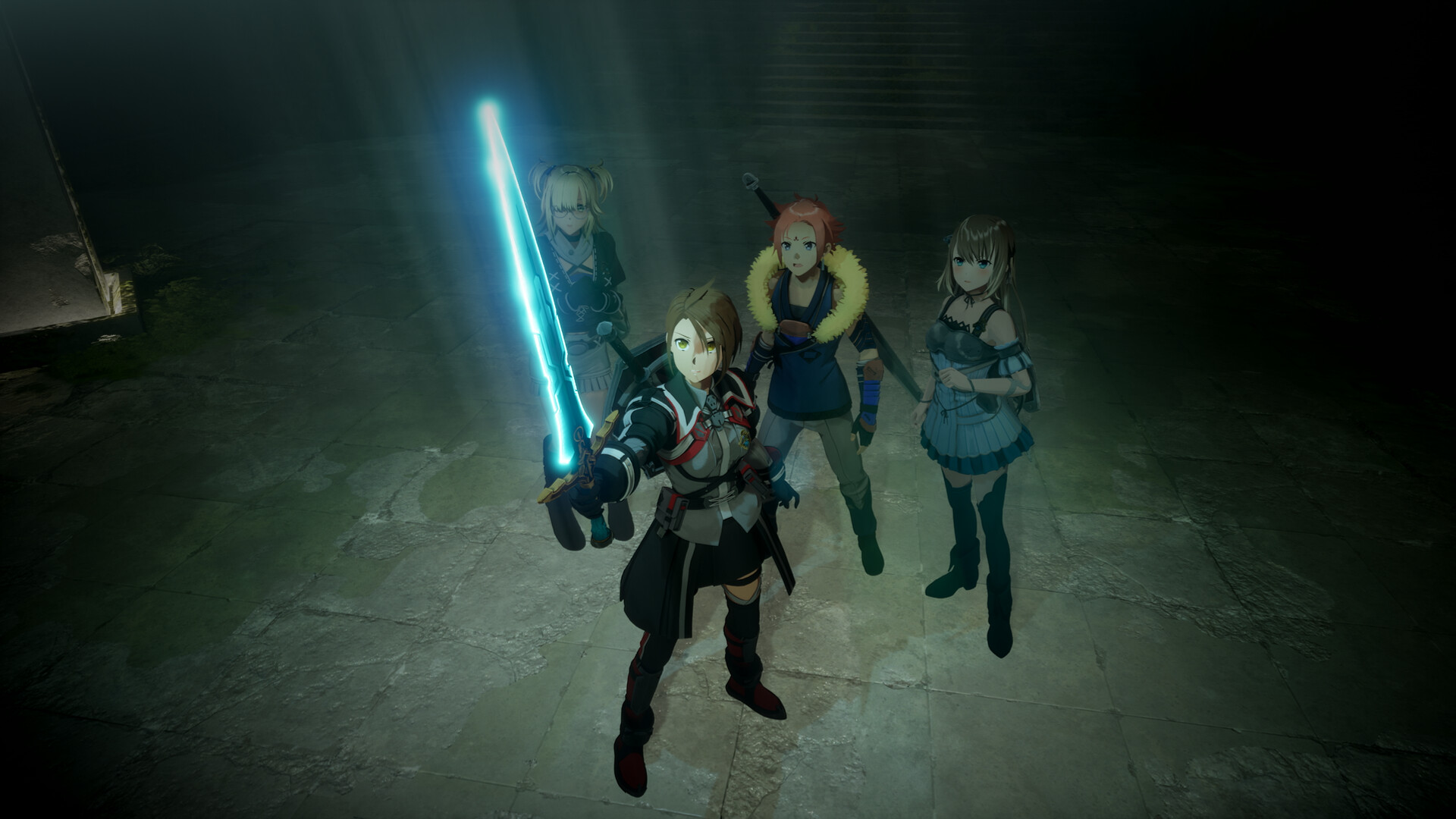
Proto-Elucidator Series
Pre-orders for the standard edition grant the Proto-Elucidator Series, a set of six early-game weapons with one entry for each type. They are intended as starter gear for any build.
Loadout and Dual Wielding
A character equips one weapon at a time, three pieces of armor, and, when that weapon is one-handed, a shield. Two-handed options trade that shield slot for reach or crushing impact. Dual wielding is intentionally absent from this entry. Series producer Yosuke Futami has said it would not make sense for the ability to show up this early in the overall story, so both hands wielding separate weapons is reserved for later in the Aincrad arc.
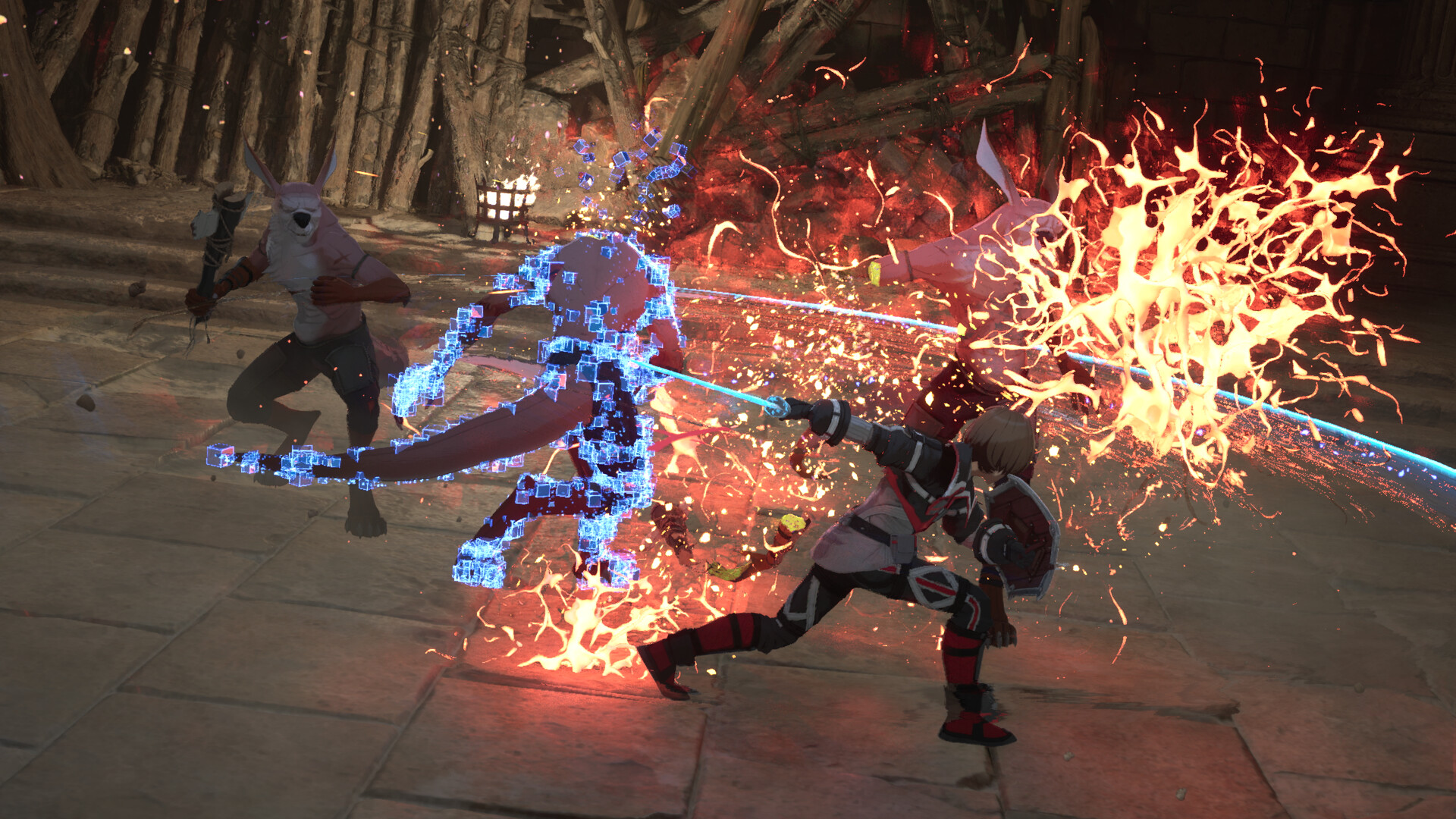
Visual Subcategories Within Each Type
The six categories group weapons by move set rather than strict silhouette, so the visible weapon model can vary a lot within a single type. One-handed axes and one-handed hammers sit inside the mace bucket, while two-handed hammers sit inside the battleaxe bucket. A player running a mace build might wield something that looks like a heavy single-hand hammer but still uses the mace animation family. The developers have hinted that these visual subcategories may carry their own distinct move sets, though that has not been fully confirmed.
Weapon Proficiency
Each weapon type carries its own proficiency value that rises as you use it. Proficiency does two things, and the second is the one that rewards sticking with a weapon rather than sampling all six.
Effect | Detail |
|---|---|
Unlocks new Sword Skills | The pool of skills available for that weapon type grows as proficiency climbs. |
Levels existing Sword Skills | Skills you already have can be raised, improving what they do rather than just adding more options. |
Because proficiency is tracked per weapon type, switching types mid-campaign restarts that progression from the bottom. That is not a permanent penalty, since early performance differences between weapons are small, but it does mean a late switch costs you the skill depth you had built up. See Sword Skills for how the skills themselves work and EX-MODs for why a committed weapon type also compounds your gear.
Sword Skill Loadout Per Type
Roughly ten sword skills exist for each weapon type, and up to three can be equipped at once. The slotted skills are bound to face inputs and shown on the HUD, with the partner's Support Skill and Combination Skill available separately. Switching weapon types means rebuilding the skill loadout, since the available pool is tied to the category you are wielding.
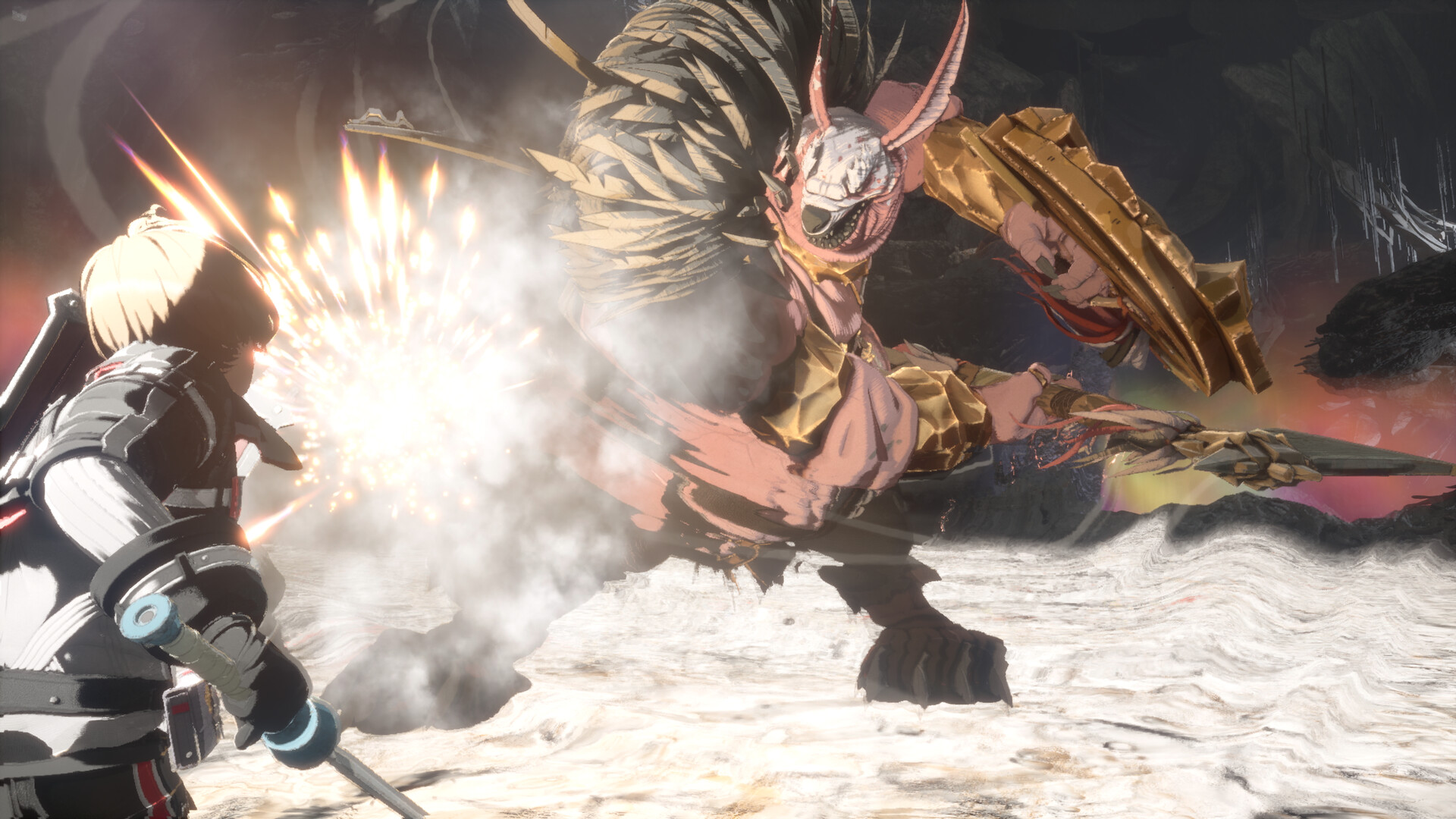
Drops, Stat Rolls, and Farming
Weapon drops are frequent across normal combat, but every drop has randomized stat rolls layered on top of its base archetype. Two one-handed swords with the same name can differ in their bonus stats, so hunting a specific enemy over and over until the roll lines up with your build is expected to be a core loop. Rare weapon drops exist as well, and these high-end pieces also carry randomized aspects, so chasing the perfect copy of a named rare is not unusual behavior for later-game builds.
Weapon Levels and EX Mod Slots
Each weapon can be leveled up to improve its base stats, and every weapon also ships with four EX Mod Slots. Those slots hold traits that further enhance the weapon beyond its baseline numbers, letting two copies of the same weapon play very differently depending on what gets slotted. One confirmed example is the Mithril Blade, which applies freeze stacks to enemies it hits and reduces sword-skill cooldowns whenever the wielder is near frozen targets. That combination creates a self-sustaining loop where the blade's own on-hit effect feeds its own cooldown reduction.
Upgrading at the Blacksmith
Unwanted weapons and a material called Tempered Steel are the two main inputs at the blacksmith. Feeding duplicate or outdated drops into the forge, together with Tempered Steel, raises the level and quality of the weapons you want to keep. Full details on the forge flow, materials list, and enhancement stages live in the Smithy and Gear Enhancement article.
Partner Shows by Category
All six weapon categories have a partner who uses them in the released game. The table below pairs each category with the partner most associated with it; several categories have more than one user across the full roster covered on the NPC Companions page.
Category | Example Partner User | Weapon Style |
|---|---|---|
Balanced blade work, the default frontline style. Iori is a solo swordsman whose move set highlights clean one-handed sword technique. | ||
Heavy blunt strikes focused on staggering enemies. Wyzeman leans on the category's raw impact and its strong pairing with a shield. | ||
Fast, short-reach attacks with the quickest animations in the game. Argo plays into the category's information-gathering, high-tempo feel. | ||
Long two-handed reach and heavy damage on committed swings. Zash represents the slower, harder-hitting frontline option. | ||
Precise thrust-focused one-handed style favouring timing over raw numbers. Asuna joins as the rapier partner on Floor 2 once a set of three side quests is finished. | ||
Agil | Two-handed crushing style centred on raw impact damage. Agil fills this slot, joining on Floor 2 after a set of three side quests. He was introduced before release only by description, as an easygoing veteran gamer whose intentions were left unclear, which is why earlier coverage listed the axe partner as unnamed. |