

Echoes of Aincrad has a smithy system that lets players enhance weapons and armour so they can handle tougher enemies higher up Aincrad. Gear progression is not just about finding better loot; the player is expected to invest in upgrading the equipment they already have.
Blueprints
Crafting is defined by blueprints. The pre-order bonus for the standard edition includes the Proto-Elucidator Series Weapon Pack, which ships not just as six ready-made weapons but also as the blueprints for them, so they can be recrafted or used as the basis for further smithy work.
Why it Matters
Smithy investment is the player's main way of keeping pace with the difficulty curve while sticking to a weapon they like. Rather than ditching one weapon type for another every floor, a committed player can enhance a favoured weapon through the smithy to keep it viable as the fights get harder.
Where to Use the Smithy
The blacksmith is a town facility, anchored in the Town of Beginnings on Floor 1 and in the later hub floors the campaign unlocks. Equipment cannot be swapped or leveled up while exploring the dungeon, and characters cannot gain power mid-floor outside of what they are already carrying. That turns every visit back to town into a small routine: cash in drops, reassess the build, spend time at the smithy, then head back out fully outfitted.
This loop is important to understand before planning a long expedition. Fights get harder quickly, but running back to the smithy is the point where the player actually converts everything earned during a trip into a stronger kit for the next one.
Weapon Leveling
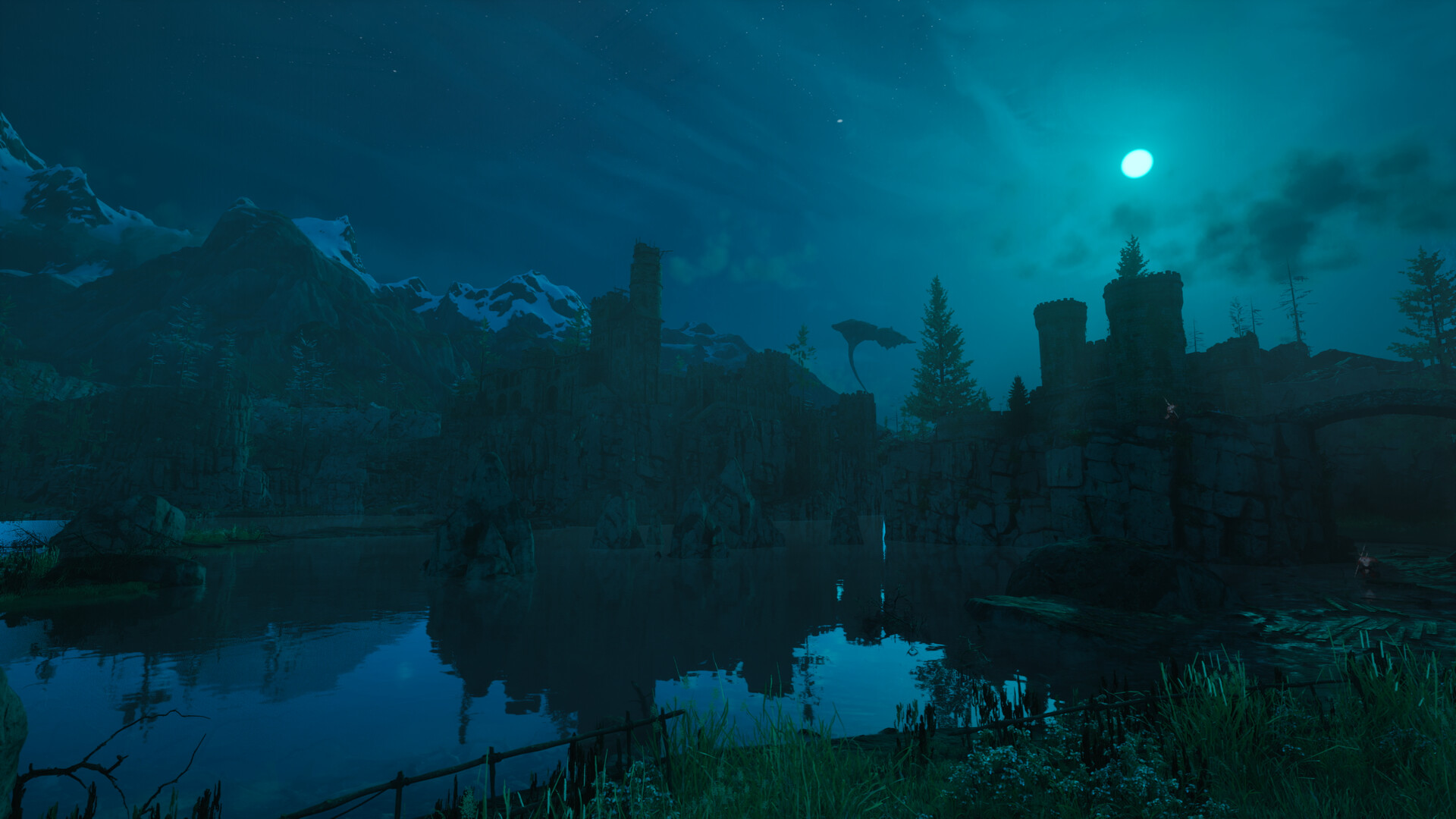
Every weapon in the game can be leveled up. Leveling a weapon raises its base stats, so the same blade or mace the player pulled off a Floor 1 drop can still stay relevant several floors up if it keeps getting fed into the smithy. This is the slow background grind that sits alongside upgrading and modding: a leveled weapon is measurably stronger than the same weapon at level one.
Leveling is what enables the favourite-weapon playstyle the developers have described. Players are not forced to retire a weapon the moment a shinier drop appears. A lower-rarity weapon that has been leveled and upgraded can outperform a freshly looted rare one of the same class.
The Upgrade Process
Upgrading a weapon is how the player pushes a keeper piece further than simple leveling can take it. The gameplay previews showed the flow clearly: the player selects the weapon they want to improve, then feeds in unwanted weapons from their inventory alongside a material called Tempered Steel. The fed-in weapons and material are consumed, and the target weapon comes out with improved stats.
In practice this means low-tier drops are not garbage. Extra swords, axes, and daggers collected while exploring double as fuel for the piece the player actually cares about. Tempered Steel is the gating resource on top of that, so stockpiling it is part of the loop.
EX-MODs
EX-MODs are the special effects carried by a weapon, and they are the layer that makes two copies of the same weapon play differently. They are rolled randomly onto weapons rather than earned, so a drop arrives with whatever effects it happened to generate.
The key rule is that an EX-MOD is not stuck where it landed. Synthesis at the blacksmith transfers an EX-MOD from one weapon onto another weapon of the same weapon type, so a good roll on a weapon you have outgrown can be carried forward. Effects cannot cross weapon types, which is the main reason committing to a weapon type early pays off.
Weapons and shields also carry unique MODs that are baked in and separate from the rolled EX-MODs. Both pools were rebalanced together in a post-launch patch, which confirms they are treated as distinct systems on the same item. The dedicated EX-MODs page covers the whole layer in detail.
Signature Built-In Mods

Separate from the four EX Mod Slots, many confirmed weapons also carry a unique built-in mod that gives them a signature effect. This is baked into the weapon itself and cannot be removed. The Mithril Blade is the cleanest example shown so far:
Mithril Blade: applies freeze stacks on hit, and reduces sword-skill cooldowns while the wielder is near frozen enemies.
A built-in mod is essentially the weapon's personality. Two swords with the same class and stat profile can play very differently because one has a status-application effect and the other has a cooldown or damage-bonus quirk. When choosing which weapon to pour smithy investment into, the built-in mod matters as much as the raw numbers.
Drops, Rarity, and Randomized Rolls
Weapon drops are frequent. Clearing regular enemies and opening chests will produce a steady stream of new gear to sort through. Most of these are common, but rare weapons drop as well. The key detail from the previews is that even rare weapons have randomized aspects: their specific stat rolls vary from copy to copy.
This pushes the game toward a loot-hunt loop on top of the scripted progression. A player who has decided to build around a specific weapon identity will often need to farm for a well-rolled copy, feed the unwanted duplicates back into the smithy as upgrade fuel, and keep grinding for better rolls. The frequency of drops is by design, since Tempered Steel and weapon leveling both expect a regular supply of raw weapons to consume.
Crafting Materials
Crafting materials like Tempered Steel come from two main activities: defeating enemies and exploring the floors. Harder enemies and less-traveled corners of each floor yield better materials. The previews did not detail specific crafting recipes, so the full material list and the recipes that consume them have not been confirmed yet. What is clear is that time spent farming outside is what funds time spent at the smithy inside town, and the two halves of the loop pay into each other.
Materials sit alongside Col, the in-world currency, as the two parallel resources the player will budget around. Col buys some goods and services; materials feed the forge.
Cardinal Rank
The player menu displays a value called Cardinal Rank that tracks overall character proficiency. The demo confirms what it does: Cardinal Rank determines which items merchants will sell, which equipment can be forged at the Smithy, how tough monsters become, and which quests are available. It rises by completing main quests and discovering new towns, so progressing the story and exploring both raise the ceiling on what the Smithy and merchants offer.
Outfitting Partners
The smithy is not only about the main character. Partners, the AI-controlled companions who fight alongside the player in the combat system, can also be given weapons and gear. That means upgrade investment pays off for the partner too, not just the lead. A serious build will usually involve maintaining a main weapon for the player and at least one well-fitted weapon and armour set for whichever partner the player runs most often.
Because partners bring their own skills and roles to a fight, giving them stronger gear has a direct effect on damage output, survivability, and how often the tag-team mechanics can be triggered during combat.
Routine Summary
Step | Why It Matters |
|---|---|
Return to town | Equipment changes and weapon leveling only happen at the smithy, so outfitting is a town activity. |
Feed fuel weapons plus Tempered Steel | Converts low-value drops and a farmed material into raw stat gains on a keeper weapon. |
Level the chosen weapon | Raises base stats over time so a favoured piece stays viable on higher floors. |
Slot or plan EX Mod Slots | Each weapon has four slots to fill, and those traits can define how the weapon plays. |
Kit out the partner too | Partner weapons and gear go through the same process and directly affect party power. |
Treated as a routine, the smithy is the place where a run's worth of drops and materials becomes next run's power level. Skipping smithy time for too long is the fastest way to find the next floor unreasonably hard.
The Blacksmith's Three Services
The blacksmith does three separate jobs, and confusing them is the most common early mistake.
Service | What It Does | Cost |
|---|---|---|
Enhancement | Raises a weapon's plus value using other weapons or enhancement materials, increasing attack power. | Fodder weapons and materials |
Synthesis | Moves EX-MODs between weapons of the same type, letting you keep a good roll. | A donor weapon of the same type |
Production | Crafts new weapons and armour from quest materials and Col. | Materials, Col, and a recipe |
Production is the one that needs a prerequisite beyond resources: a recipe is required before an item can be made at all, so a full material stack is not sufficient on its own.
The Rising Enhancement Cap
Enhancement is capped, and the cap is raised by story progress rather than by resources. This is a deliberate pacing lever, and it has two consequences worth planning around.
A weapon you already like becomes worth revisiting each time the cap moves, not only when a better base drops.
A higher-class weapon that has not been enhanced can be genuinely weaker than a lower-class weapon that has. Enhance before judging a drop.
Early on the raw performance gap between weapons is small, so picking something you enjoy and investing beats waiting for a perfect roll.
Dropped weapons always arrive unenhanced. As enemy levels climb, running an unenhanced drop is the fastest way to make progress feel unfairly hard, which is why a trip back to the smithy is the intended response to a wall rather than a difficulty change.
Armor Enhancement, Announced
Everything above concerns weapons. Armor sits outside the blacksmith's enhancement loop in the launch build, which is the single biggest asymmetry in the gear economy: a weapon can be levelled, synthesised, and slotted, while the three armor pieces are chosen and worn largely as they drop.
That is set to change. The Genesis Maidens add-on, announced on September 3, 2026 for winter 2026, adds a system for enhancing armor, letting players upgrade armor pieces with passive effects and, in the announcement's own framing, opening up build customization that the launch build did not support.
No mechanics have been published. Whether it runs through the blacksmith at all, what it consumes, whether it shares the story-gated enhancement cap described above, and how its passive effects stack with EX-MODs are all unannounced. This section will stay this short until the system actually ships.