

Echoes of Aincrad has three timing-based special responses that trigger team-up attacks between the player and their NPC companion. Each one rewards a specific read on an enemy attack.
Parry Slash
Executed right after a successful parry. Blocking at the last possible moment interrupts the incoming attack and triggers a paired follow-up slash with the companion.
Dodge Slash
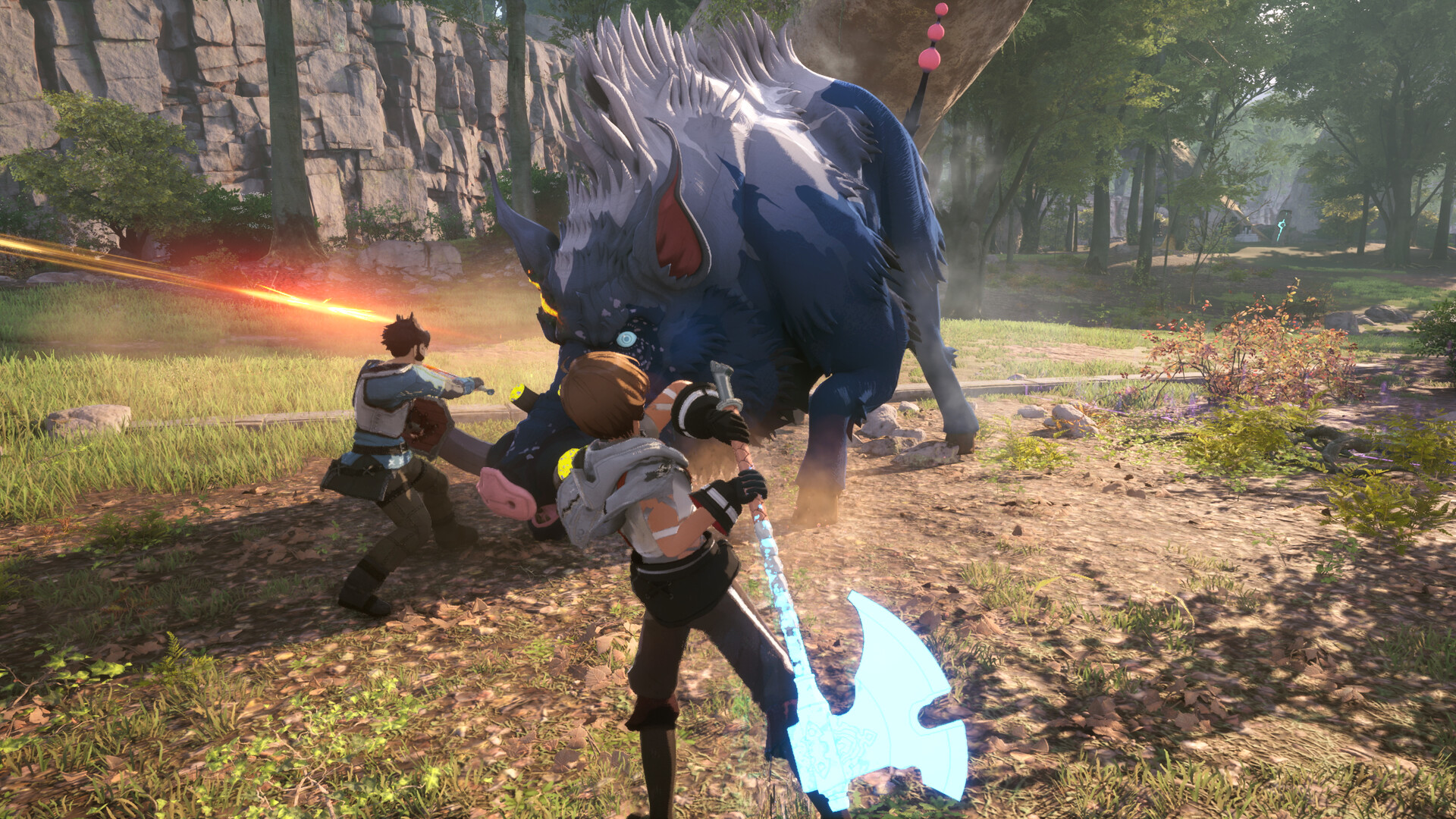
Executed right after a successful dodge. Dodging through an attack at the last possible moment lets the hero and companion immediately retaliate with a team-up strike.
Reversal Slash
Rather than reacting to an incoming attack, Reversal Slash specifically punishes enemy openings. It is the offensive counterpart of the two defensive moves and turns a readable enemy animation into a coordinated team hit.
How the Counter Family Works
Parry Slash, Dodge Slash, and Reversal Slash are three entries in the same family of tag-team counterattacks that sit at the heart of the combat system. Each one is a specific defensive or interruption trigger that opens the same follow-up: once the trigger fires, the hero can command their AI partner to jump in with a paired strike. The partner's counter briefly swaps focus to them, which often pulls aggro off the hero long enough to reposition, drink a healing potion, or line up the next engagement.
Because all three triggers share the same payoff, the decision is less about which counter to use and more about which defensive read feels safest against the attack in front of the hero. Hands-on previews have noted that the parry window is strict, so evasion tends to be the safer default for players who are still learning an enemy's timings. Perfect dodges are more forgiving on the initial trigger, while reversal setups depend on reading a specific visual cue rather than pure timing.
Trigger Conditions
The counter window opens in four distinct ways. The first three are strict defensive reads; the fourth is offensive, which is what makes the counter kit feel like a full read-and-react loop rather than a single parry rhythm.
Dodge Slash: performed after a perfect dodge. Rolling or sidestepping through an attack at the last possible instant lets the hero immediately signal the partner to swing in with a coordinated follow-up.
Parry Slash: performed after a successful parry on an incoming strike. The timing is notably strict, so the parry path rewards players who have learned a given enemy's tempo and punishes experimentation against unfamiliar moves.
Reversal Slash: performed by interrupting an enemy when a blue ring indicator appears during its attack. The ring is the clear telegraph that a given wind-up is interruptable, and hitting the enemy inside that window opens the counter.
Using a sword skill right as an enemy telegraphs an attack also counts as an interrupt. It is effectively a fourth way into the counter window, paid for in SP and cooldown rather than pure timing.
Techniques at a Glance
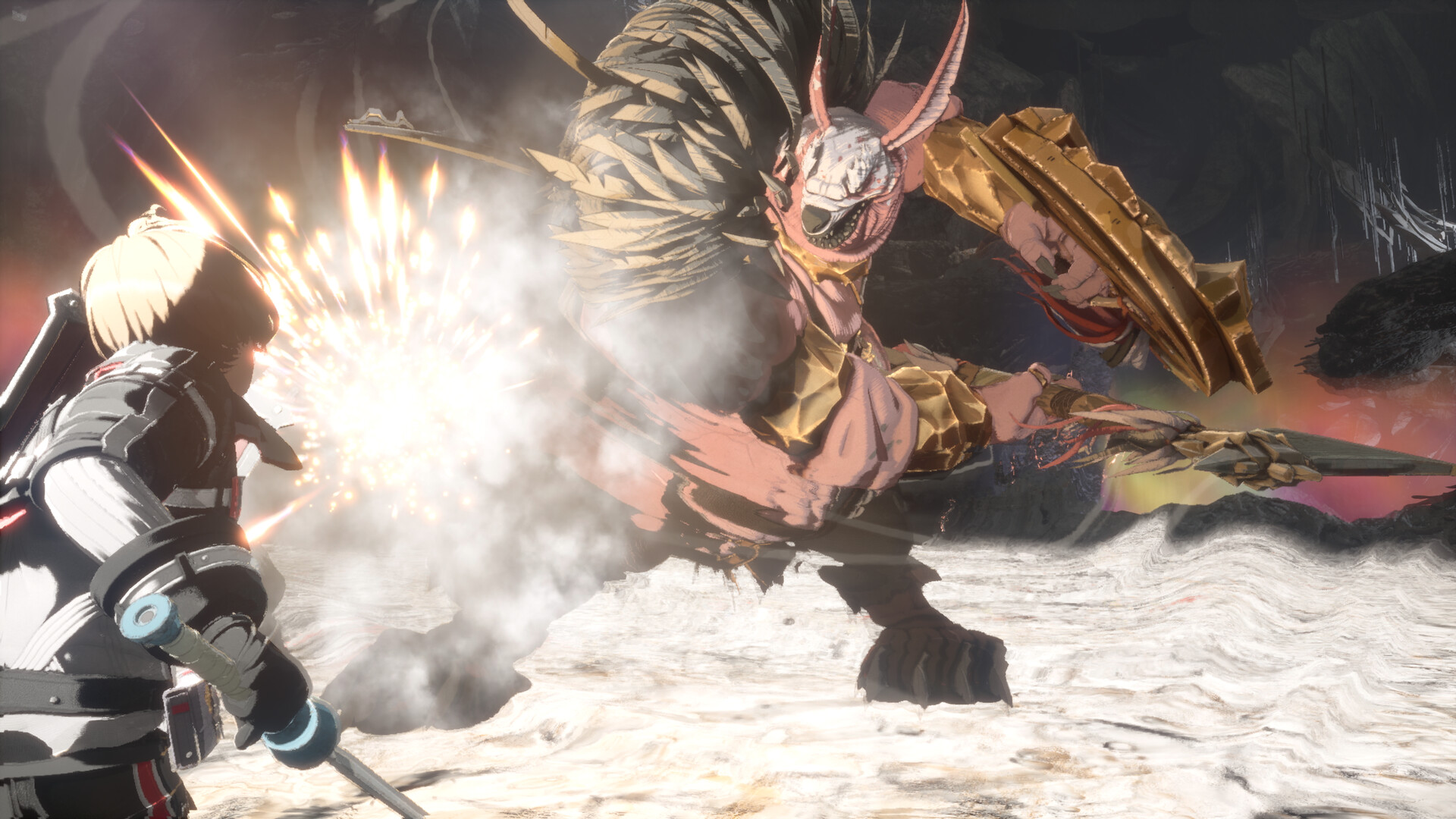
The table below collapses the three named counters down to their trigger and their shared effect. Every row ends in the same paired follow-up from the partner; only the input path differs.
Technique | Trigger | Effect |
|---|---|---|
Successful parry on an incoming enemy strike, with a strict timing window. | Opens a tag-team counter: the partner jumps in and performs a paired slash on the interrupted target, briefly pulling aggro. | |
Dodge Slash | Perfect dodge performed just before the attack lands. | Opens the same tag-team counter window as Parry Slash, with a more forgiving defensive read as the setup. |
Reversal Slash | Interrupting an enemy while the blue ring indicator is visible during its attack wind-up. | Triggers the partner counter through an offensive read instead of a defensive one, converting an interrupt into the same paired follow-up. |
Sword Skills as an Interrupt Path
As noted above, landing a sword skill at the exact moment an enemy telegraphs a heavy attack can cut through the wind-up and open the counter window the same way a blue-ring interrupt would. Previews suggest that not every enemy attack can be interrupted this way, which implies a priority system behind the scenes: certain moves can be stuffed by a sword skill of sufficient weight, while others will trade or lose to the skill's active frames. Stronger skills, and skills with armoured startup, are the likely top-priority candidates, although the exact ranking has not been published.
Because sword skills also draw from a separate SP pool and enter a cooldown after use, they are not a free replacement for parries and dodges. Spending a skill on an interrupt uses SP that could otherwise go into a combo finisher, so the choice becomes a small resource trade: pay SP now to guarantee the counter window, or try for a stricter parry to keep the bar full. For players who find the parry timing punishing, the skill-as-interrupt path is one of the most reliable ways into the counter without relying on a perfect defensive input. The same special skills hold layer used to issue partner abilities mid-fight lives right next to the sword-skill inputs on the HUD, which keeps this branching decision accessible during combat.
Switch System Interaction
All three counters plug directly into the Switch System that governs how the AI partner behaves moment to moment. In Switch Mode, the partner hangs back defensively and is primed to jump in when the hero evades, so a counter condition firing while Switch Mode is active is much more likely to find the partner already positioned for the paired strike. Free Mode leaves the partner attacking independently, which can still produce a counter but may leave the partner out of position for the immediate follow-up.
The practical read is to drop into Switch Mode whenever the plan is to bait an attack and punish it, then flip back to Free Mode for sustained pressure on a staggered target. The counters remain the same three techniques in either stance, but the reliability of the partner's in-jump is noticeably higher in Switch Mode.
Dexterity and the Perfect Windows
The defensive half of the counter kit is governed by the Dexterity stat. At specific Growth Point thresholds, Dexterity milestones grant perfect parry and perfect dodge windows, and investing further into Dexterity widens those windows over time. A hero who has not yet reached the first Dexterity milestone is relying on the default timing, which is why parry and dodge feel stricter early in a playthrough. Subsequent milestones make the same inputs feel more generous, without changing any other mechanic: the counter itself, the partner follow-up, and the blue-ring interrupt path all stay identical, only the allowable error on the defensive input changes.
Dexterity also factors into general sword-skill damage, so the stat pulls double duty: it widens the perfect windows used to open counters, and it sharpens the sword skills that provide the fourth, offensive entry into the same counter window. Because stamina costs apply to dodges and sprints on the defensive side, a Dexterity build still has to respect the shared stamina pool; a wider dodge window does not let the hero spam dodges free of charge.
Cut-In Animations and Pacing
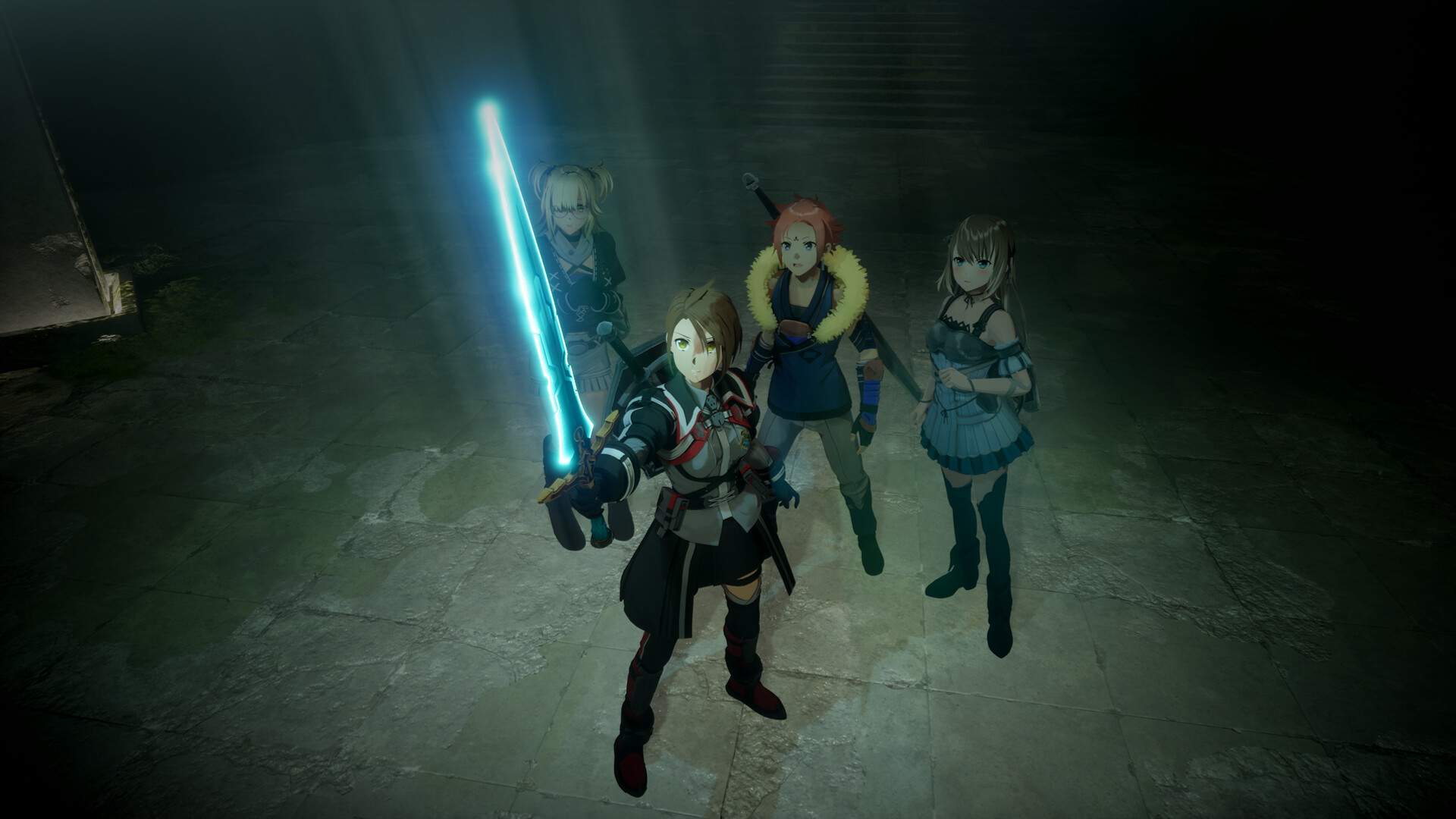
Every counter trigger plays a dedicated cut-in animation when the partner swings in. The cut-ins are visually distinctive and, during the big team plays, they reinforce the feeling that the hero and partner are fighting as a pair. In a combat flow that is built around frequent parries and interrupts, however, those cut-ins can stack up: several counters in the space of a single fight means several pauses in the action, which is a pacing concern that hands-on previews specifically flagged.
The options menu includes a toggle that suppresses non-combination cut-ins, leaving the full combination attack intact while trimming the smaller support and counter flashes. Players who prefer a faster, more continuous counter loop can cut the cut-ins for Parry Slash, Dodge Slash, and Reversal Slash while keeping the bigger combination-skill flourish visible. The exact label on the setting is not reproduced here because published material does not quote it.
The three counters were also rebalanced after release: the Ver. 1.0.3 patch adjusted the attack values on Reversal Slash, Parry Slash, and Dodge Slash, and extended the invincibility window on the step. The notes name the systems that moved without publishing numbers, so treat older damage impressions as approximate. See Update History for the full patch record.
Tips for Landing the Counters Consistently
Start with Dodge Slash as the primary counter path. A perfect dodge is easier to land than a perfect parry early on, and it opens the same follow-up window.
Switch to Parry Slash once enemy timings feel familiar. Because the parry window is strict, it is most reliable on attacks the hero has seen dozens of times rather than on new enemy types.
Watch for the blue ring during enemy attacks. The ring is the explicit cue that Reversal Slash is on the table, so any time it appears, the counter is effectively free if the hero can land a clean interrupt.
Keep Switch Mode active when fighting a single dangerous target. The partner's defensive stance puts them in position for the in-jump and makes the paired follow-up more consistent.
Invest Growth Points into Dexterity on any build that plans to lean on this counter family. The wider perfect windows directly reduce the failure rate of Parry Slash and Dodge Slash without changing any other input.
Save a sword-skill charge for heavy telegraphs. Using a skill as the fourth interrupt path is the most reliable way into the counter when defensive timing is unfamiliar, at the cost of SP and cooldown.