

This article is incomplete
Some sections are missing or need additional details. Help improve it by contributing.
Stamina is the resource that governs how often the hero can attack, dodge, and sprint in Echoes of Aincrad. Every action drains a percentage of the stamina bar, and it only regenerates while the hero is neutral.
Why it Matters
Because blocks, dodges, and attacks all share the same pool, mashing inputs runs the risk of ending up gassed at the exact moment an enemy swings back. The design intent is that players pace themselves, which is why the team has described the combat as methodical rather than twitchy.
A Core Combat Resource
Stamina is one of the defining resources that separates Echoes of Aincrad from older Sword Art Online titles. Nearly every action outside of walking draws from the stamina pool, and when the meter runs empty the player loses the option to attack, sprint, or disengage until it refills. The combat system is built around this constant push and pull, so pacing the bar is less a gentle suggestion and more the foundation of how encounters play out.
What Consumes Stamina
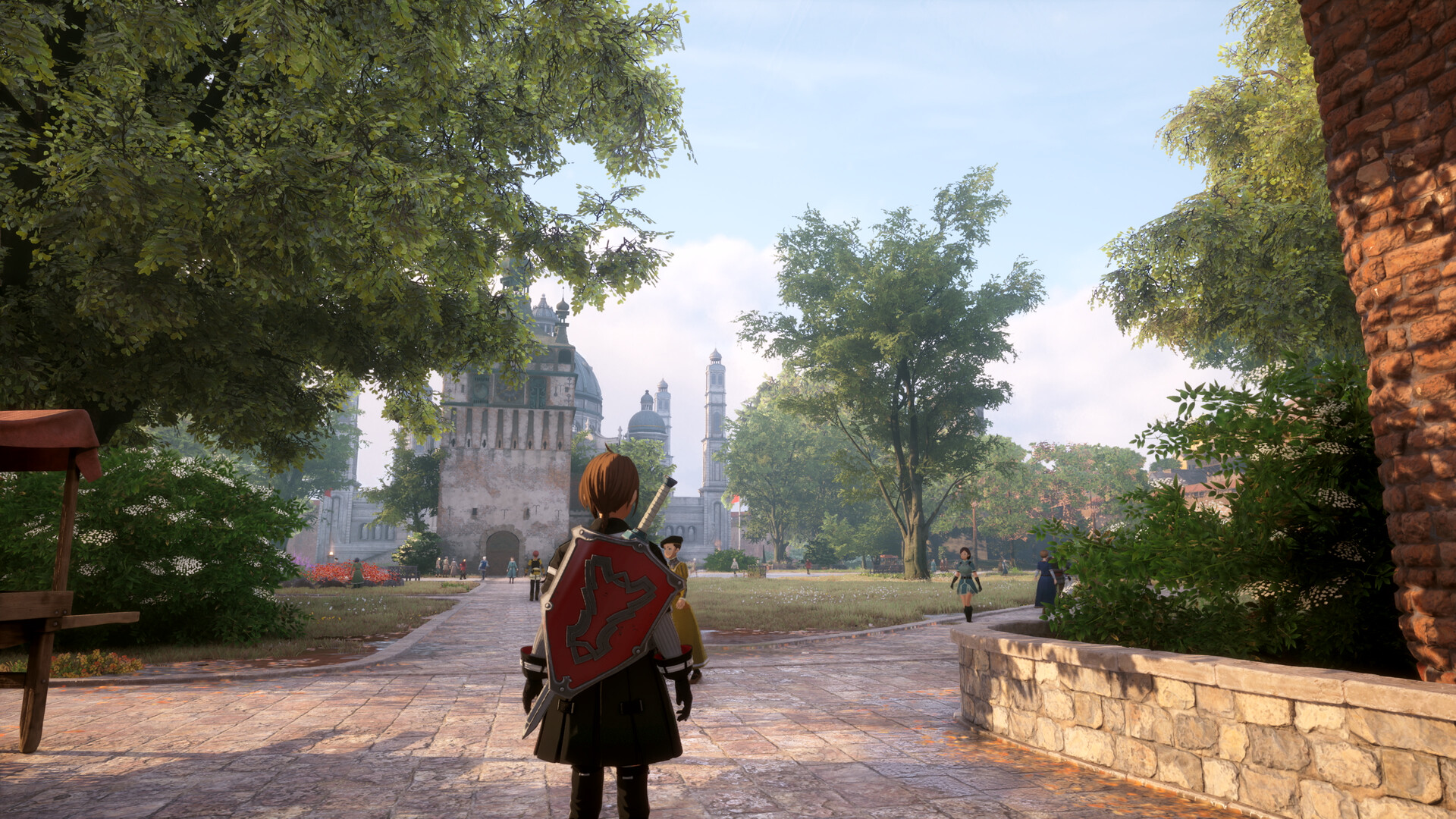
The actions that draw from the stamina bar are the ones the player relies on most during a fight. Individual inputs are not that expensive on their own, but stacking them together is where the meter drains quickly. Sprinting between enemies, evading an incoming swing, and following up with a heavy attack can empty a full bar faster than most players expect during their first encounters.
Action | Effect on Stamina |
|---|---|
Light attack | Consumes a small amount of stamina per swing. |
Heavy attack | Consumes a larger amount of stamina than a light attack. |
Sprinting | Drains stamina continuously while the player is running. |
Evasion | Consumes stamina each time the player evades an attack. |
Walking or standing still | No cost. Regenerates stamina at a steady rate. |
Regeneration and Pacing
Stamina recharges quickly whenever the player is walking or standing still. This rapid refill is a deliberate design choice: it rewards deliberate engagement, where the player commits to a combo, backs off briefly, and then re-engages, rather than punishing players who pause between actions. The rhythm it creates is closer to measured swordplay than to constant pressure, which matches the methodical pace the developers have described in interviews covering the combat system.
Disengaging is Hard by Design
One direct consequence of stamina gating both sprint and evasion is that running away from a fight is rarely a clean option. Once enemies are aggroed, turning and sprinting chips the stamina bar down while the pack chases the player across the map. If the meter empties mid-retreat, the player loses sprint entirely, which usually ends with a backstab or a forced re-engagement on the enemy's terms. This intentional friction feeds into the risk-reward exploration loop the game builds around, and plays directly into the stakes of death game mode, where being unable to disengage cleanly carries real consequences for permadeath playthroughs.
Endurance and the Stamina Pool
The maximum size of the stamina bar is tied to the Endurance stat. Endurance is one of the Growth Points that the player allocates at level up, alongside Vitality, Mind, and Dexterity. Raising Endurance directly increases the ceiling on the stamina pool, which means more light attacks, heavy attacks, sprints, and evades can be chained before the meter empties.
Hitting specific Endurance milestones also grants additional modifiers on top of the raw pool increase, including further stamina bonuses that reward builds leaning into aggressive, high-uptime combat. Players who favor long chains of attacks or who expect to sprint and evade often through tougher encounters tend to invest heavily in Endurance, while those leaning on sword skills and special skills may split points between Endurance and the stats that grow SP and damage instead.
Preview Impressions

Hands-on previews of the game noted that stamina management feels restrictive at first, particularly when players try to run from a group of enemies and find themselves gassed mid-retreat. Most previews agreed that disengaging from combat is intentionally difficult, and that this friction is a deliberate part of the death-game framing rather than an oversight. Once players internalize the pacing, the system tends to reward the patient engagement the developers built the combat system around.
Stamina Versus SP
Stamina is distinct from SP, the separate resource that fuels sword skills. The two are often confused because they both sit on the HUD and both throttle how often the player can act, but they work on different rules.
Attribute | Stamina | SP |
|---|---|---|
Spent on | Light attacks, heavy attacks, sprinting, evasion. | Sword skills (see sword skills). |
Refills by | Passive regeneration while walking or standing still. | Landing attacks on enemies, or consuming specific potions. |
Governing stat | Endurance (raises the maximum pool). | Mind (raises the maximum SP pool). |
When it runs out | No sprint, no evade, no attacks until it refills. | Sword skills cannot be used until SP is regained. |
Keeping the two meters straight matters for moment-to-moment play. A full SP bar is no help if stamina is empty, because there is no way to close the distance to an enemy to actually spend the sword skill. In the same way, full stamina without SP forces the player to stick to basic attacks. Veteran builds tend to watch both bars in parallel and use the switch system to hand pressure off to an AI partner whenever either resource is running low, rather than committing to a fight they do not have the meters to finish.
Practical Tips
Lead with walking, not sprinting. Holding sprint while closing distance burns stamina you will need for the first few swings. Walk in, sprint only when you need to close a gap fast or reposition during a swing.
Budget evades. Evasion is the most flexible tool in a fight, but each dodge costs stamina. Try to read enemy tells and commit dodges to real threats rather than reflexively dodging every swing.
Invest Growth Points into Endurance early. A larger stamina pool makes early-floor mobs dramatically easier because you can afford one or two extra evades or sprint bursts before the bar empties.
Let the bar refill between pulls. The regeneration rate while walking is fast enough that waiting a second or two between groups of enemies usually tops the meter off. This is almost always cheaper than drinking potions or relying on healing crystals.
Use the partner to cover low-stamina windows. When the bar is empty, swapping modes and letting the AI partner soak aggro buys the regeneration window you need. This is covered in more detail on the switch system page.