
Loading...
Traces of the Abyss
November 2, 2026 at 06:42 AM
Distinguish Nexus and Cresset fast-travel unlocks from older Trace terminology and update skill-resource context.
Traces of the Abyss were described as mystical waypoints in this article's earlier account of Pywel in Crimson Desert. For practical fast travel, the guide names Abyss Nexus and Abyss Cresset as the map destinations, with different unlock methods. The older lore account described physical anchors where the boundary between Pywel and the Abyss permits instantaneous traversal; that narrative explanation does not replace the named destination and unlock prompts.
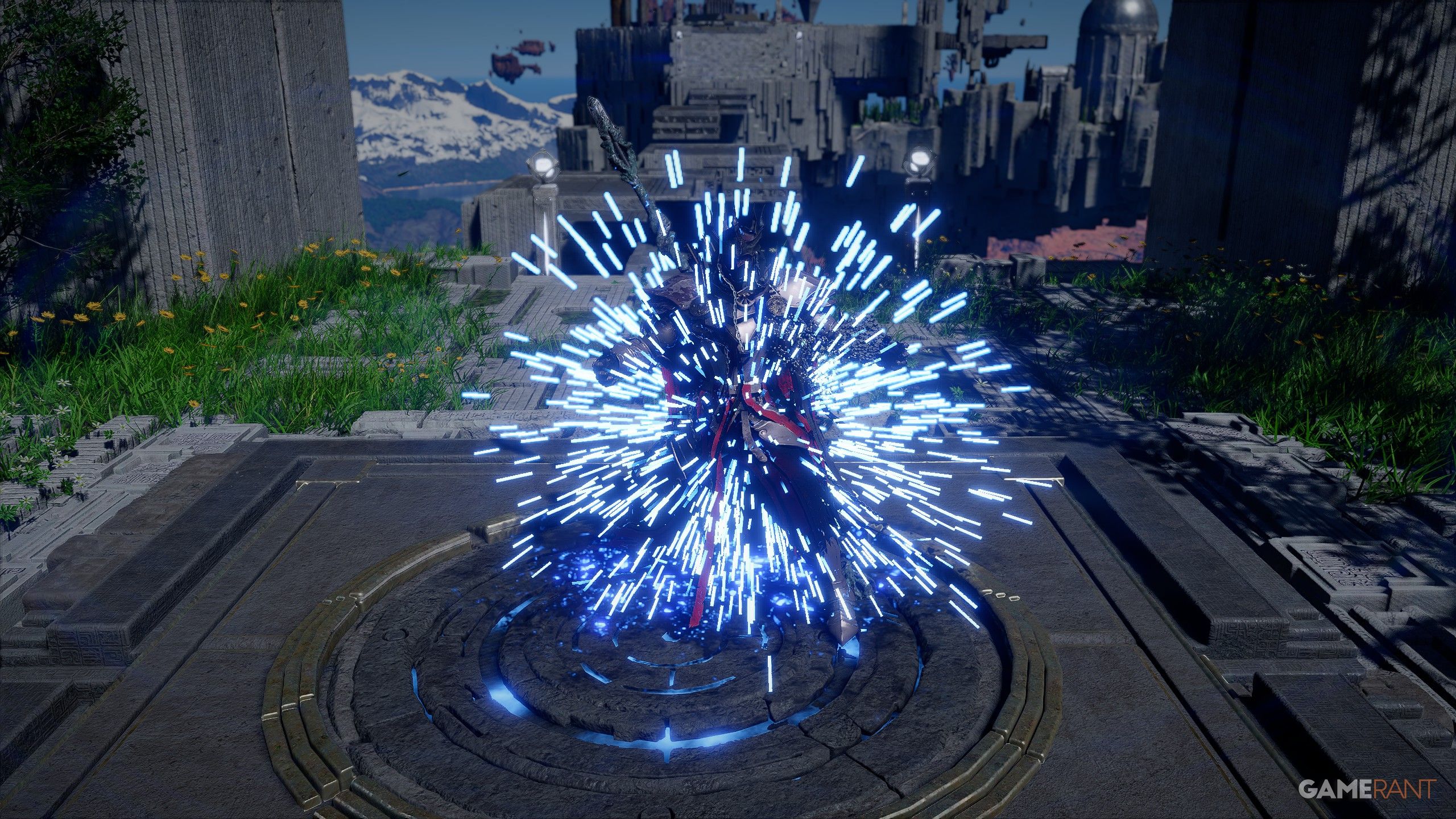
The earlier account places these markers across five regions of Pywel. To build the actual fast-travel network, step onto an Abyss Nexus to unlock it, or solve the puzzle at an Abyss Cresset. Merely seeing a marker is not the documented unlock procedure for both types.
Select an unlocked Abyss Nexus or Abyss Cresset on the map to fast travel. If unlocked points are hidden, the guide recommends the All or Environment map view rather than Quest or Faction. Earlier world-size comparisons described Pywel as larger than Red Dead Redemption 2 and roughly twice Skyrim; those comparisons are not a newly measured area estimate. Version 1.03.00 enabled Nexus teleportation while mounted, falling, swimming or climbing, superseding the older guide's no-mounted instruction; do not infer every Cresset or mission restriction from that Nexus change.
The system is designed as an opt-in convenience rather than a requirement. Players can still traverse the entire world on foot, by horseback, or using the Crow's Wing glider. Fast travel simply provides an efficient alternative for returning to previously explored areas. Traces do not replace organic exploration; they complement it by removing the tedium of long backtracking trips.
The following table preserves earlier exploration examples, rather than a verified complete destination list or a rule that points never appear on main quest paths. Check named map locations and their unlock state.
Location Type | Examples |
|---|---|
Elevated vantage points | Mountain peaks, cliff edges, and tower summits that overlook the surrounding landscape |
Hidden corners | Tucked-away alcoves, cave entrances, and forest clearings off the beaten path |
Settlements and camps | Near major towns, the Greymane Camp, and other population centers |
Landmark structures | Ancient ruins, bridges, and notable geographic features across Pywel's five regions |
Dungeon entrances | Near the entrances to significant underground areas and boss arenas |
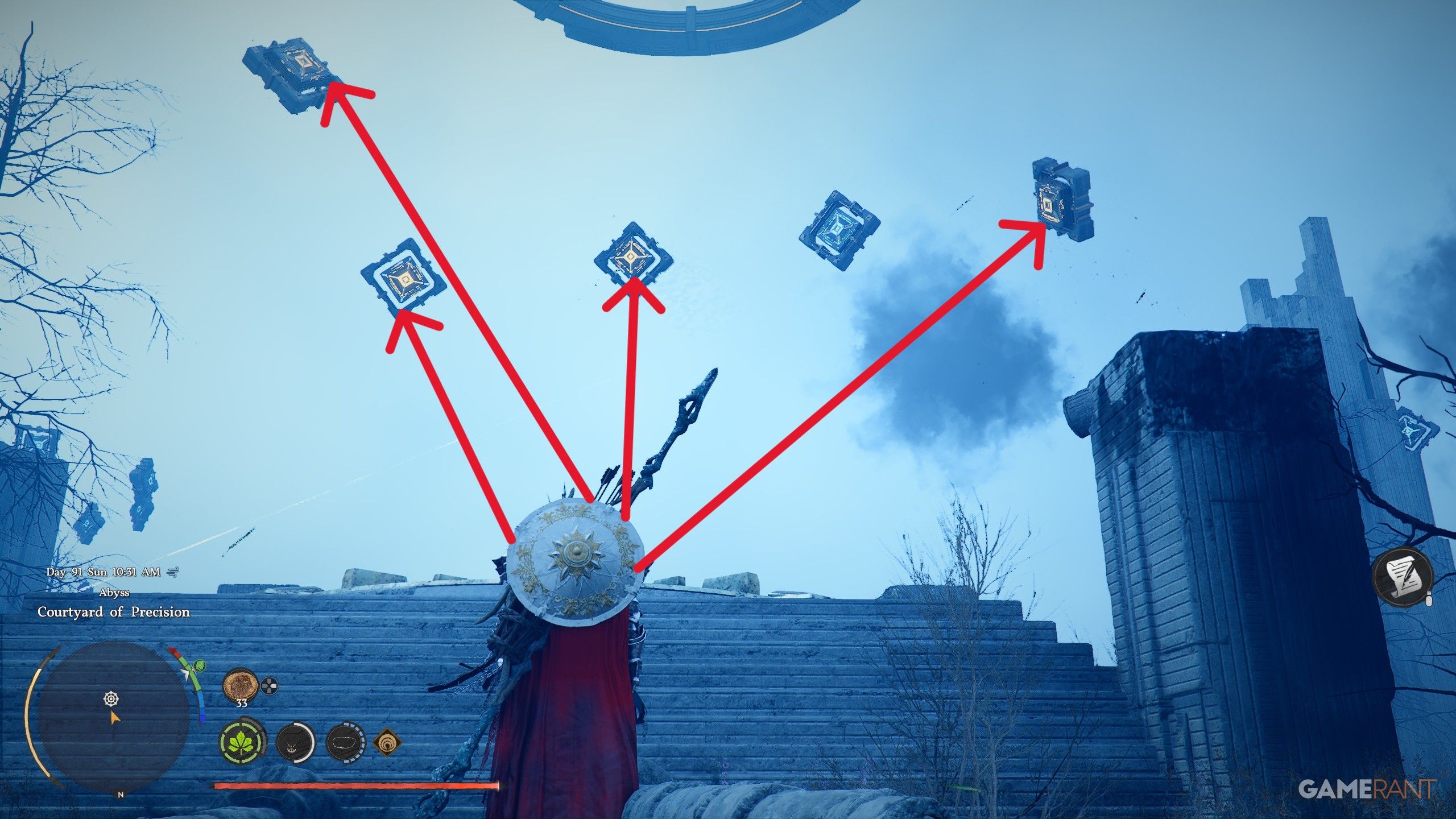
Earlier exploration advice favored side paths, high terrain and secluded places. For a practical search, the fast-travel guide highlights large question-mark Mysterious Energy areas, which typically have a Nexus or Cresset nearby. The earlier claim about every such place's relative usefulness remains route advice, not a guaranteed location rule.
Earlier lore account: The Abyss is a supernatural floating realm suspended above Pywel, described in the game's lore as the "cradle of providence." It is a place of mysterious power that exists in a separate plane from the mortal world below. The Library of Providence, a vast repository of knowledge kept by the scholar Alustin, is located within the Abyss and is a hub for understanding the realm's history and mechanics.
Earlier lore account: The Abyss has been growing increasingly unstable, and this imbalance sends fragments of itself crashing down into Pywel. These fallen pieces manifest in various forms. Some become Traces that serve as beneficial waypoints for travelers. Others become dangerous Abyss Artifacts and Abyss Remnants that dark forces seek to exploit. The distinction between helpful Traces and dangerous fragments is a recurring theme in Crimson Desert's world-building.
Earlier ability account (the exact lore connection remains unverified): The supernatural energy emanating from the Abyss is not limited to fast travel. The same force that creates Traces also grants several abilities that Kliff and other characters can harness throughout the game.
Ability | Description |
|---|---|
A glider that allows aerial traversal across Pywel's terrain, activated by leaping from elevated positions | |
A telekinetic push ability used in both combat and environmental puzzle solving | |
Object Manipulation | The ability to lift and move objects using Abyss energy, often required for solving puzzles on floating islands |
Weightlessness | Gravity-defying movement on Abyss-influenced floating islands, allowing traversal of otherwise impossible terrain |
A wearable device that channels elemental Abyss power, enabling elemental attacks and environmental interactions |
Earlier narrative interpretation: These abilities tie back to the same energy source as the Traces, reinforcing the idea that the Abyss is not just a narrative backdrop but an active force shaping gameplay mechanics across exploration, combat, and puzzle-solving.
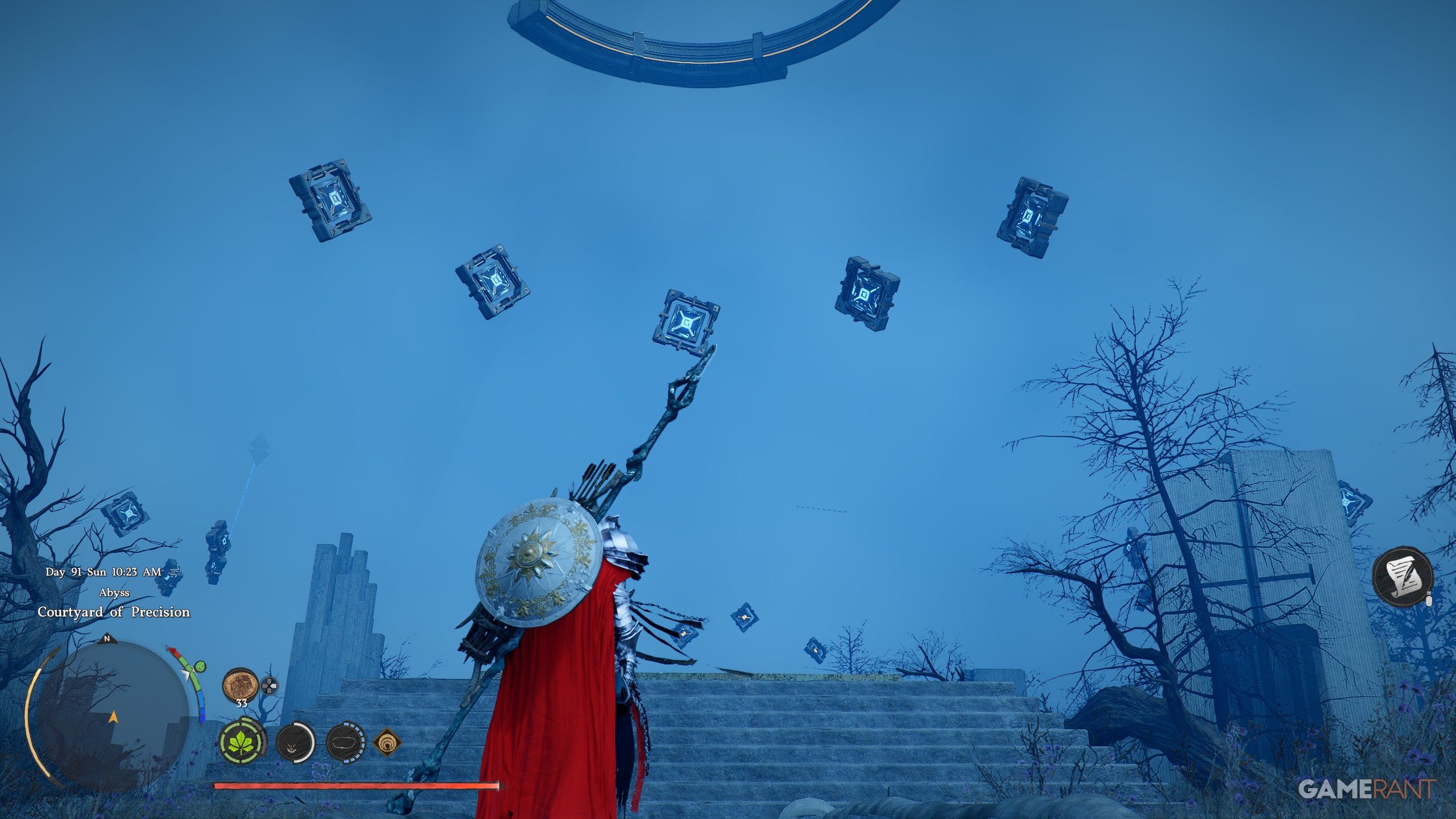
Earlier lore and comparison account: Fragments of the Abyss that fall to Pywel sometimes create floating island formations: suspended landmasses where normal physics are altered. These areas feature environmental puzzles that require creative use of Abyss abilities like object manipulation and weightlessness. Comparisons have been drawn to the sky island mechanics in The Legend of Zelda: Tears of the Kingdom, though Crimson Desert grounds these segments in its own lore about the collapsing boundary between Pywel and the Abyss.
Earlier puzzle-reward account (exact names and rewards depend on the named challenge): Within these floating sections, players encounter platforms that shift, objects that must be repositioned to create paths, and gravity-defying jumps that leverage the Crow's Wing glider. Solving these puzzles often rewards the player with Sealed Abyss Artifacts, rare items that can be unlocked for significant stat investments.
Earlier narrative account (the claimed quest motive remains unverified): The Traces of the Abyss are more than a gameplay convenience. They are a visible reminder of the central tension in Crimson Desert's story: the growing instability of the Abyss and its impact on the world below. Kliff's personal quest involves seeking a way to use Abyss power to resurrect a fallen companion, which drives him deeper into understanding the Abyss and its mechanisms.
Earlier narrative account, separate from the named map destination mechanics: On a global scale, the Abyss's fragments falling to Pywel create both opportunity and danger. Traces provide safe waypoints, but the same instability also produces hostile creatures, environmental hazards, and the Abyss Remnants that antagonistic forces seek to collect. The fast travel system, then, is a constant narrative touchpoint: every time a player teleports between Traces, they are using the same supernatural force that threatens to tear the world apart.
Traces of the Abyss connect to several other progression and exploration systems in Crimson Desert.
System | Details |
|---|---|
: Earlier progression notes describe Artifact investments in Health, Stamina, and Spirit, as well as new skills and extended combo chains. In version 2.00.00, spending Artifacts to learn a skill grants equivalent Abyss Links to the other playable characters. Each character uses their own Links, and individual resets refund that character's spent Links. The one-time first-launch migration refunded prior resources, including Artifacts; it is not proof that every normal reset refunds every upgrade material at any time. | |
: Discovering Traces may contribute to the Knowledge Library, a comprehensive record of the player's exploration and discoveries across Pywel. | |
: Traces complement other traversal methods including horseback riding, the Crow's Wing glider, swimming, climbing, and on-foot hiking. | |
: The supernatural realm from which Traces originate. Understanding the Abyss's lore provides context for why these markers exist and what they represent. |