

Overview

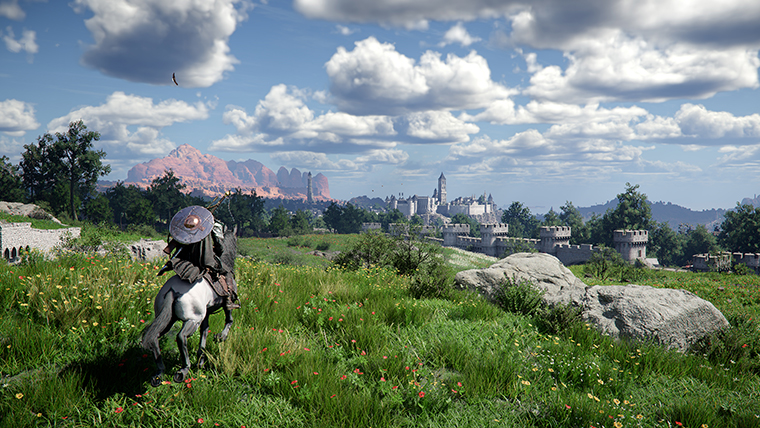
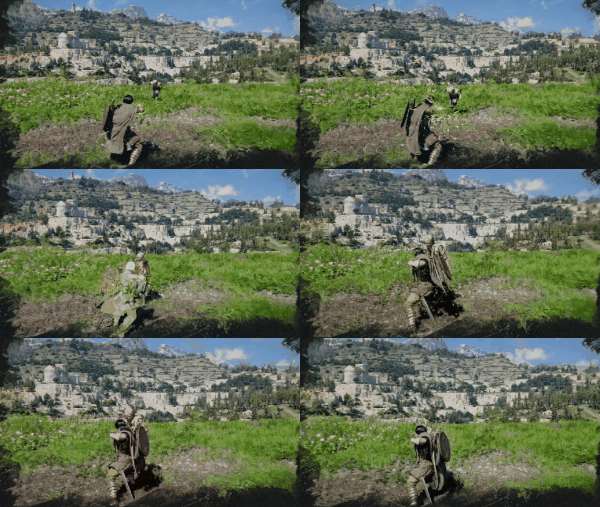
Force Palm is a special energy ability available to Kliff in Crimson Desert. It fires energy waves from Kliff's hands, serving dual purposes as both an offensive combat tool and a traversal aid. The ability can shove enemies back, knock items in the environment around, and launch Kliff into the air when fired at the ground. Force Palm is governed by the Spirit meter, which depletes with use and regenerates over time.
Skill Ranks and Sub-Abilities
Force Palm has 5 ranks in the Abyss Tree, each unlocking additional capabilities. Several related skills branch off from the main Force Palm node.
Ability | Rank Requirement | Cost | Description |
|---|---|---|---|
Force Palm | Rank 1 | Condense energy in your hands and release it as a strike that reduces the target's Defense. | |
Rank 2 | Unleash energy toward the ground while midair to leap higher. Doubles as both an attack and a mobility tool. | ||
Rank 3 | Strike with healing energy to restore the health of the target. Works on NPCs and companions. | ||
Additional Palm Strikes I | Rank 4 | - | Force Palm can be used for up to two consecutive strikes. |
Additional Palm Strikes II | Rank 5 | - | Allows up to three consecutive Force Palm strikes for extended combos. |
Separate node | Press R3 after an Aerial Swing or while falling to channel energy into a powerful downward strike. Slams into the ground on impact. | ||
Separate node | - | Follow up Force Palm with a swift, powerful strike for bonus damage. | |
Focused Palm | Separate node | - | Unleash a charged Force Palm that penetrates the target's inner core for massive damage. |
Combat Use
In combat, Force Palm fires energy blasts at medium range that deal damage and push enemies back. The ability integrates naturally into Crimson Desert's combo system, slotting between weapon strikes to extend attack chains, create distance when surrounded, or interrupt enemy attacks. Players can chain a three-strike heavy attack into a palm strike that keeps foes stun-locked, or transition from Force Palm into a knee strike, thrust kick, and then toss an enemy off a building edge.
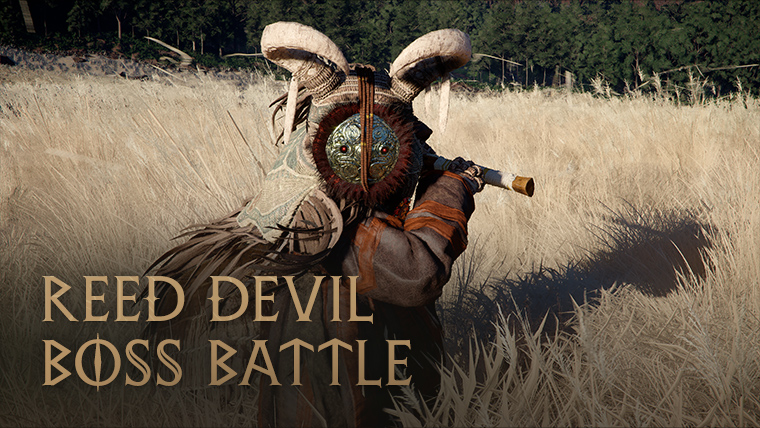
Force Palm proved particularly effective against fast, agile bosses. During hands-on previews, players used Force Palm as a blast attack to stun the Reed Devil, catching the quick opponent off-guard. The ability's knockback also synergizes with Crimson Desert's environmental combat philosophy: knocking enemies into walls, off ledges, or into hazards deals bonus damage and can instantly eliminate weaker foes.
Environmental Interaction
Force Palm can interact with the environment beyond just pushing enemies. Objects in the world can be knocked back or moved with the blast, opening up creative combat approaches. Kicking enemies off ledges and throwing objects are part of the same environmental combat philosophy that Force Palm supports.
Beyond the palm blast itself, Kliff's supernatural abilities include the power to lift objects psychically, which is useful for puzzle-solving and environmental interaction throughout the open world. These telekinetic powers are part of the broader mysterious power framework connected to the Abyss and Kliff's dark psychic abilities. On the Abyss floating islands, this object manipulation tool has been compared to Zelda: Tears of the Kingdom's Ultrahand for aligning fragments and solving environmental puzzles.
Elemental Infusion
Through the Axiom Bracelet's selection wheel, Force Palm can be infused with elemental effects. The bracelet provides three primary elemental options that change how the ability behaves.
Element | Force Palm Effect |
|---|---|
Fire | Launches a burning energy blast that incinerates and explodes on contact. Effective against clustered enemies. |
Ice | Fires a freezing pulse that can immobilize targets and freeze them solid. Best for crowd control. Can also boost Kliff upward for aerial repositioning. |
Lightning | Sends a shocking wave that stuns and paralyzes enemies in the area. Disrupts shielded foes. |
Players must strategically select which element to use against different enemy types. Elemental infusion applies to other combat abilities as well, but Force Palm's ranged nature makes it one of the most versatile delivery methods for elemental effects.
Traversal Use
Beyond combat, Force Palm provides significant vertical mobility. When aimed at the ground, the blast propels Kliff upward into the air. Firing it at the ground multiple times in succession launches him progressively higher, creating options for reaching elevated platforms, gaining altitude before deploying the Crow's Wing glider, or accessing areas that standard jumping cannot reach.
Combining a Force Palm launch into Precision Focus allows hitting multiple ground enemies with slow-motion archery before landing. The ground launch also works as a recovery tool in combat, creating space and airtime to plan the next move or build into a meteoric strike back toward the ground.
One of Force Palm's most useful traversal applications is stamina-free vertical climbing. By jumping near a wall and firing Force Palm up to three times in succession while midair, Kliff catapults himself upward without consuming any Stamina. This makes it far faster than standard wall climbing for scaling tall cliffs and buildings.
Water Exit Technique
Force Palm also works while swimming, and using it in water is often far more efficient than swimming normally. Firing Force Palm while in the water launches Kliff upward and out of the surface, at which point he can immediately deploy the Crow's Wing glider to cover distance through the air. Since gliding drains Stamina more slowly than swimming (and free-falling replenishes Stamina quickly), this water exit into glide technique lets players cross bodies of water that would otherwise exhaust their Stamina bar.
Wall Climbing Enhancement
While climbing a wall, Kliff can use Force Palm to blast himself away from the surface. From there, he can fire Force Palm a second time to hook back onto the wall at a higher point, effectively bypassing ledge obstacles or overhangs that would otherwise block upward progress. This technique is particularly useful in areas where protruding geometry interrupts the normal climbing path. The recoil from the first blast sends Kliff backward, so players should be ready to re-engage the wall quickly using a follow-up Force Palm or the Crow's Wing glider.
Sprint Cancel Into Force Palm
During a full sprint, double-tapping L3 (on PlayStation) triggers a forward lunge animation sometimes called the superhero landing. This animation can be canceled directly into Force Palm, launching Kliff into the air from a sprint. The result is instant aerial superiority without needing to stop, jump, and then palm. This technique is useful for quickly transitioning from ground traversal into a glide or for initiating an aerial attack run against enemies.
Spirit meter
The Spirit meter governs Force Palm usage. Repeated use drains the meter, and overuse leaves the player unable to activate the ability until it regenerates. The meter refills gradually over time and can also be restored through consumables. Managing Spirit consumption is an important aspect of combat rhythm, as players must balance offensive Force Palm use with the need to keep a reserve for traversal or emergency situations.
Falling Palm
Falling Palm is a high-impact skill that sits at the convergence of all three branches of the Abyss Skill Tree. It unlocks after fully completing the skill category of any one branch (Health, Stamina, or Spirit). When Kliff is falling at maximum speed, pressing R3 (PlayStation), RS (Xbox), or V (PC) channels all remaining Stamina into a devastating ground slam. The skill drains Stamina at a rate of 100 per second and converts the total Stamina spent into damage on impact.
Damage Scaling and Height
Because the damage scales directly with your Stamina pool, investing Abyss Artifacts into Stamina nodes before unlocking Falling Palm makes the ability significantly more powerful. A player with 300 Stamina will deal roughly triple the damage of one with 100 Stamina. To set up a Falling Palm, gain height using Force Palm aerial boosts, Axiom Force grapple launches, or by jumping from elevated terrain, then let Kliff reach max fall speed before triggering the slam.
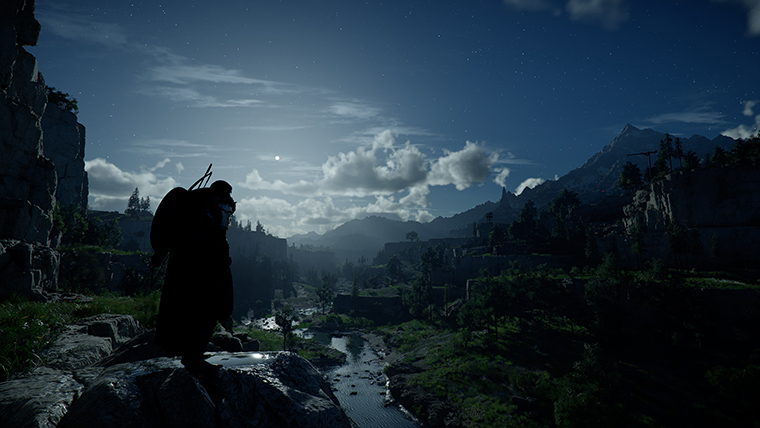
Falling Palm is distinct from Light Falling Palm, which is a smaller ground slam performed while swinging via Axiom Force. Light Falling Palm is available in the Green Branch and can be used without reaching max fall speed, but it deals less damage and does not drain the full Stamina bar.
Advanced Techniques and Tips
Ice Block Creation
Using ice-infused attacks on a body of water creates a floating ice block, similar to the ice platform mechanic in Zelda: Tears of the Kingdom. The ice block is small and not very stable, but it can serve as a temporary platform to stand on. Players who fall into deep ocean water can use this trick in combination with Force Palm: launch out of the water with Force Palm, fire an ice arrow downward to create an ice platform, then land on the block and teleport to safety. Without this technique, falling into the open ocean with low Stamina can be a death sentence, since the game does not allow teleporting while swimming.
Ice Block as a Raft
While standing on an ice block, players can use Focused Repulsion at the edge of the platform to push it across the water's surface. This turns the ice block into a crude, slow raft. It is not a practical method for long-distance travel, but it can get the job done for short water crossings when no other option is available. The block eventually melts, so players need to reach solid ground before it disappears.
Related Skills
Force Palm connects to several other skills in the Abyss Tree:
Skill | Effect |
|---|---|
(Green Branch): ground slam while swinging via Axiom Force, scaled by current element. | |
(Green Branch): channels Force Palm energy through Axiom Force for a long-range pulse that builds boss stagger. | |
(Green Branch): the parry and counter skills pair well with Force Palm for a reactive playstyle. | |
(Green Branch): phantom clones can mimic certain Force Palm-enhanced attacks. |
Uses: Aerial Movement + Shield Break
Beyond its listed damage numbers, Force Palm is one of the most versatile utility skills in Crimson Desert. It fills two completely separate roles that most players discover only after they are well into the late game, and both are worth building into your regular combat and traversal routine.
Aerial Movement Chain
Force Palm is the central building block of the aerial movement chain. From a standing jump you can cast it three times back to back, and each cast pushes you higher into the air while also giving you a brief window to queue the next input. Layer Aerial Stab between Force Palm reps to gain even more vertical height, then close out the combo with Glide and Aerial Grapple to snap onto a ledge and launch yourself up onto it. Used correctly, the chain clears mountains that look completely unclimbable and lets you skip the more frustrating platforming sections inside the Abyss Nexus. Every reset of the chain drains stamina, so eat Stamina Food before you start the climb to stretch the loop further.
Shield Break Against Shielded Enemies
The second major use is combat. Force Palm instantly breaks the guard of any shielded opponent, which makes it by far the simplest answer to the shield-heavy soldier packs that swarm the player in Demeniss. Normal melee swings against a raised shield just bounce off and waste your stamina, so the solution is to open with Force Palm, walk up to the newly exposed enemy, and finish them off with whatever combo you would normally use. This works on everything from standard guards to the sergeants who otherwise feel tanky in the early Demeniss zones.
Pair with Force Palm Expertise
If you invest into the Force Palm Expertise upgrade, the skill gains access to elemental variants tied to whichever imbuement you currently have active. Pairing the expertise upgrade with the shield-break use above turns Force Palm into a reliable opener that also applies elemental damage and status effects, and pairing it with the aerial chain simply means every Force Palm cast in the combo is stronger. There is almost no downside to taking the expertise node once you have the base skill unlocked.
Traversal Uses / Wind Comparison
One of the most underappreciated consequences of unlocking Force Palm is that it largely replaces the vertical traversal appeal of the Wind Element. Wind's Pillar of Wind abyss gear is often marketed as a way to reach high ledges and glide boost through the landscape via its updraft. That utility is real, but Force Palm already covers most of the same scenarios when paired with a well-timed jump. The practical consequence is that players running a fire or ice imbue do not lose much traversal ceiling by skipping Wind as the active element.
What Force Palm Replaces
Vertical boost: A mid-air Force Palm aimed downward acts like a small jetpack burst. Chain it with Double Jump to reach ledges that the Pillar of Wind updraft would otherwise cover. The community pattern is Jump > Double Jump > Force Palm, which lets Kliff gain significant altitude without any elemental imbue.
Glide boost: While gliding with Wings, a Force Palm pulse refreshes altitude and lets Kliff stretch a glide across longer gaps. This mirrors what Pillar of Wind updrafts provide in practice, and it does not require the Wind imbue to be active.
Water exit and sprint cancel: Force Palm triggers an upward launch when exiting water and a forward burst when canceling a sprint, neither of which Wind's gear roster replicates at all. These interactions mean Force Palm actually out-paces Pillar of Wind in some traversal edge cases.
When Wind Still Wins
Storm Veil access: The real reason to unlock Wind is Storm Veil, not traversal. Storm Veil is one of the best crowd control skills in the game, and unlike Pillar of Wind, it can be cast regardless of the active element. The correct pattern is to unlock Wind once for Storm Veil, then swap the active imbue to fire or ice and keep Storm Veil on the bar as a utility slot.
Pure updraft height: A fully charged Pillar of Wind updraft still slightly out-heights a Force Palm chain in raw vertical distance. This rarely matters outside of specific climbing puzzles or races; for normal traversal the Force Palm chain is plenty.
Practical Recommendation
Do not select Wind as the active imbue purely for traversal. Force Palm and Double Jump cover the vast majority of traversal scenarios. Unlock Wind to gain Storm Veil, then run fire or ice as the active element for damage or boss parry, and rely on Force Palm for the vertical moves Pillar of Wind was marketed for. This approach also frees the Wind-specific Abyss Gear sockets (such as Pillar of Wind and Ancient Reckoning) for other cores since you are no longer running Wind as the active imbue.
Patch 1.04 Combat Buffs
Patch 1.04 meaningfully upgraded Force Palm for Kliff, both on the tap-combo side and on the hold-charge side. The baseline tap animation is faster than before, so the same input string lands hits more quickly and leaves less recovery between presses. Once you have Force Palm Expertise and Force Palm Proficiency unlocked, the standard tap-tap input gains an additional follow-up, turning the combo into a three-hit flurry on repeated taps. The extra hit is a genuine damage increase in boss encounters because it extends the punish window after a parry or a stun without requiring you to change inputs.
The hold-charge variant now has three distinct charging stages instead of the single release it had pre-patch. You can layer these stages into the tap combo freely: tap-tap-hold to end the string with a charged finisher, hold-hold-hold for three consecutive charged releases, or any mix that fits the opening you have. Because the faster attack speed applies to the charge release as well, the whole kit comes out more quickly than it did before, which matters against bosses whose counterattack windows are short.
Three-Stage Charge Breakdown
The dedicated article for the charge variant is Force Palm Pulse. Pulse is what the hold-charge branch of Force Palm is called internally, and the three stages added in Patch 1.04 belong to that skill line. Damage scales progressively as you move up the ladder:
Stage 1: the quickest release. Short hold, small damage bump over an uncharged tap, fastest to chain into the next input. Best for maintaining pressure when a boss is about to act.
Stage 2: medium hold, middle damage tier. Worth aiming for during most parry or stun windows when you have enough breathing room for a short charge but not a full one.
Stage 3: the longest hold, highest damage output. Reserve it for confirmed downs, guaranteed openings, or the end of a tap combo where the target is already committed to recovery.
The three stages share the same base animation frames, so timing the release is largely a question of how long the window is rather than which stage you want. If a boss starts to counterattack during the charge, you can still release early at whichever stage has already built up.
Parry and Charge Fixes
Patch 1.04 also cleaned up two bugs that directly affected how Force Palm builds behave in combat. The parry action after guarding now triggers correctly when a non-sword weapon is equipped as the primary weapon. Before the patch, the parry fired only when a sword was the primary, which meant Kliff loadouts built around fists, two-handers, or off-sword primaries were locked out of a mechanic other setups had free access to. Post-patch, the parry reads the guard input regardless of weapon class, so Force Palm builds that pair fists with a non-sword primary can now parry without swapping weapon first.
The second fix closed a charge-initiation bug where certain weapons could not start a charge at all. The symptom was that holding the charge input with the affected weapon simply did nothing instead of beginning the charge animation. The patch restored the charge input across the full weapon set, so every weapon that is meant to support charging now actually does. Combined with the new three-stage Pulse, this means the charge branch is available on loadouts that previously could not access it.
Force Core Edge Fix
A longstanding issue with Force Core had Kliff occasionally falling off ledges while the skill was active. Patch 1.04 fixed that behavior: Kliff no longer slips from edges while using Force Core, so you can position the skill near a cliff, rooftop, or ramp edge without worrying about an unintended drop mid-animation. This matters for arena-style boss fights where the usable ground is narrow and aggressive positioning was previously a liability.
Reinforcement Trade-Off
One caveat tempers the buffs. Patch 1.04 reduced the attack and defense gains from equipment reinforcement through Grindstone and Anvil procs. Reinforced weapons and armor still contribute their base stats and upgrade tiers, but the incremental attack and defense added per successful reinforcement roll is lower than pre-patch. For Force Palm players, this means part of the raw damage increase from the attack speed buff, the three-hit combo, and the higher-stage Pulse release is offset by lower reinforcement damage on the weapon backing those hits. Force Palm is still noticeably more viable against bosses after the patch, but the net damage gain is smaller than the skill changes alone would suggest.
Taming Use
Force Palm is the primary tool for taming the special-mount category added in Patch 1.06.00. The same stun-and-prompt loop that interrupts boss attacks also generates the Ride prompt that mounts wild bears, tigers, lions, raptors, and the other registerable animals. See Mounts and Mounted Combat for the broader mount system; this section covers only the tame input.
Why Force Palm
Wild bears, tigers, lions, and raptors all share the same tame state machine. They will not tame from raw melee damage, which only depletes their health and risks killing them. Force Palm hits register as stagger rather than lethal damage, so repeated palms drive the animal toward the tame window without crossing the kill threshold. Other staggering tools work in principle, but Force Palm's range, low Spirit cost, and instant lock-on registration make it the cleanest input for the loop.
Basic Taming Loop
Bring meat from any town butchery. Three to five pieces of any non-bird meat is enough for one tame; bird meat works on most tame targets at a slightly lower trust value, so packing extra is safe. Bears reject bird meat outright.
If the target is ridden by an enemy NPC, knock the rider off with a light hit first. Do not strike the mount itself. If the target is wild, isolate it from any pack members by killing the rest first.
Lock on to the animal.
Cast Force Palm repeatedly. Watch the on-screen prompt area, not the animal's health bar. Standard health damage is not the goal.
When the Ride prompt appears (X on Xbox, square on PlayStation), mount immediately.
From the mount's back, open the inventory and feed meat until trust reaches one hundred.
Press Y or triangle on the Take In prompt. The mount is registered and appears in the special mounts inventory tab.
Riding vs Grounded Palm
It is possible to mount the animal first and Force Palm down from its back. This works for very aggressive targets that swing the player around between palms; staying on the back removes the grab risk. The trade-off is reading the tame window. Grounded Force Palm produces a clear Ride prompt as soon as the stun lands. Mounted Force Palm requires watching for the animal to bow its head, which is the visual cue that the trust window has opened. The head-bow tell is shorter and easier to miss than the prompt, so most players default to grounded palms unless the target's grab attack keeps interrupting the loop.
Save Before You Try
Every tame attempt risks killing the animal, particularly on the clawed bear and brown bear lines where the player's other damage sources are still active in the same combat. Manual save before the attempt. If the animal dies, reload to the pre-attempt save and try again. This matters most when the mount is one of the limited NPC-ridden spawns; once killed, the animal does not respawn under normal rules, and the only recovery path is to switch Re-Blockading to War and wait for the camp to repopulate. See the Mount Recovery Use Case section of that article for the full procedure.
Targets Currently Tamed With This Loop
Target | Tame Approach | Notes |
|---|---|---|
Grounded palms, then feed three pieces of non-bird meat. | Wild spawn near the Sanctuary of Penitence above Willow River. Clear the surrounding camp first if the bear does not appear at the fast travel point. | |
Knock the black bear faction rider off first, kite the bear clear of the camp, then grounded palms. | Located at the Beast Hunters Camp above Silver Wolf Mountain. The clawed bear hits hard and grabs, so mounted Force Palm is a viable fallback if grounded palms get interrupted. | |
Isolate one standard tiger from the pack, grounded palms. | Cliff east of Demeniss; ignore the Legendary White Tiger for taming purposes since it cannot be mounted. Tigers chase the player around between palms more than bears do, so positioning matters. | |
Isolate the male lion from the pride, grounded palms. | Pride south of Vanya near the Legendary White Lion spawn. Only the male lion of the pride is tameable; thin out the females first. | |
Knock the rider off, chase the raptor until it slows, then grounded palms. | Outposts in Tashkalp. Raptors flee before they tame, so chase them down rather than trying to lock on at long range. |
The same input pattern is reported to work on additional animals added in later patches. The exact list of tameable species is tracked on the Special Mounts page. Force Palm is the constant; only the feed item and the spawn location change.
Force Palm Charges and Spirit Cost
Each Force Palm cast during a tame consumes Spirit identically to combat use. Long tame sequences can exhaust the meter, which interrupts the loop. Bring Spirit-restoring consumables for difficult tames, particularly the clawed bear and the legendary-spawn-adjacent tigers and lions. The Force Palm Pulse charge variant is not required for tames; the standard tap input registers the stagger that the tame state machine reads. Charged releases are an option for stubborn targets but cost more Spirit per stagger applied.
Related Force Palm Skills
Force Palm is the root of a wider skill tree. The following pages cover the individual branches, usage tips, and the surrounding systems that interact with Force Palm damage:
Force Palm Pulse: the charge branch, home of the new three-stage hold mechanic.
Force Palm Expertise: first of the two upgrades required for the three-hit tap combo.
Force Palm Proficiency: second of the two upgrades required for the three-hit tap combo.
How to Use Force Palm: baseline input, combo structure, and situational usage guide.
Diving Force Palm: the downward aerial variant.
Aerial Force Palm: the horizontal aerial variant.
Healing Force Palm: the support variant that applies healing to targets instead of damage.
Focused Force Palm: the Focus-mode version with stronger stun properties.
Elemental Force Palm: imbue-dependent version that carries the active element into the hits.
Force Current: the directed ranged extension that projects the palm energy forward.
Grindstone: weapon reinforcement station whose attack gains were reduced in 1.04.
Anvil: armor reinforcement station whose defense gains were reduced in 1.04.