
Loading...
Loading...
Quantum Quirks is the Shanghai studio that develops and self-publishes Zeverland, known for unusually frank community letters and daily dev logs during its tech tests.
A dated account of Zeverland's development, from the November 2024 reveal through two pre-alpha tech tests, the July 2026 pivot to cooperative PVE, and the gamescom 2026 showing.
How Zeverland handles online play: official servers, officially hosted private servers and a single-player mode, plus how that plan changed between November 2025 and August 2026.
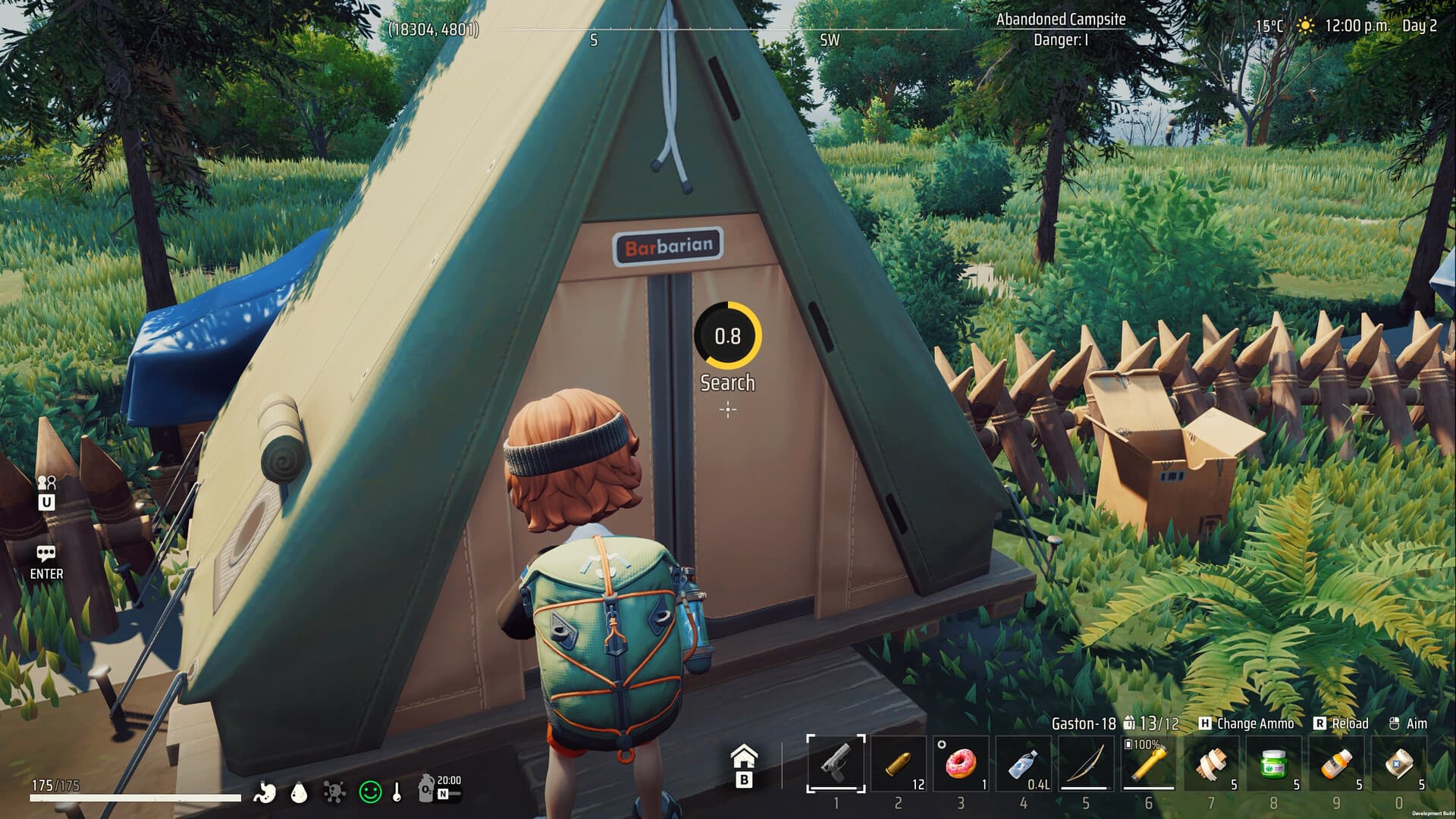
The first Zeverland pre-alpha tech test ran from 14 to 17 November 2025 for a selected group of testers, under an NDA, and every character and structure was wiped afterwards.
Zeverland's cooking system was rebuilt for freeform ingredient mixing, with spice buffs, unconventional additives, and the studio's own warning about eating food handed to you by a stranger.
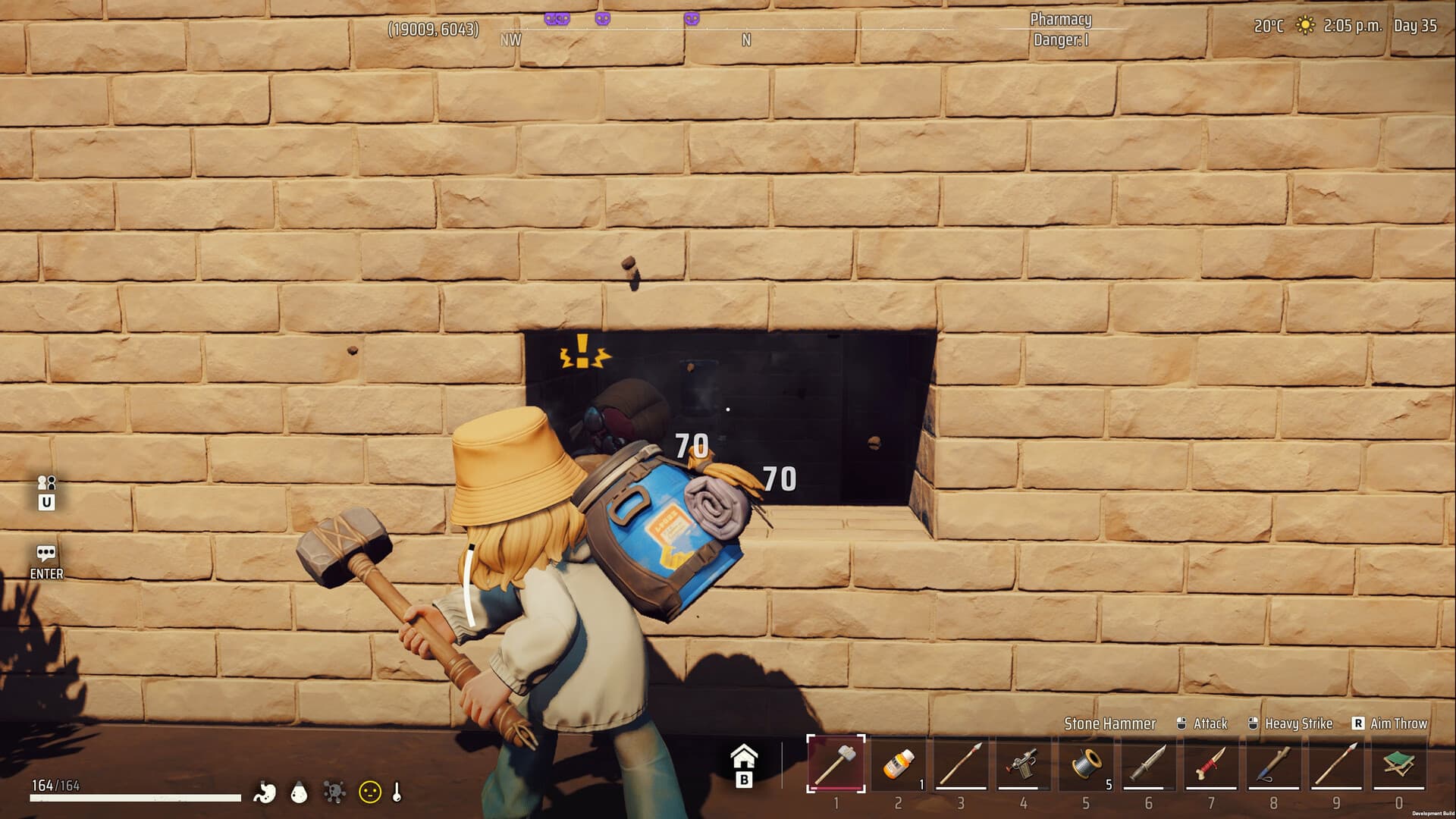
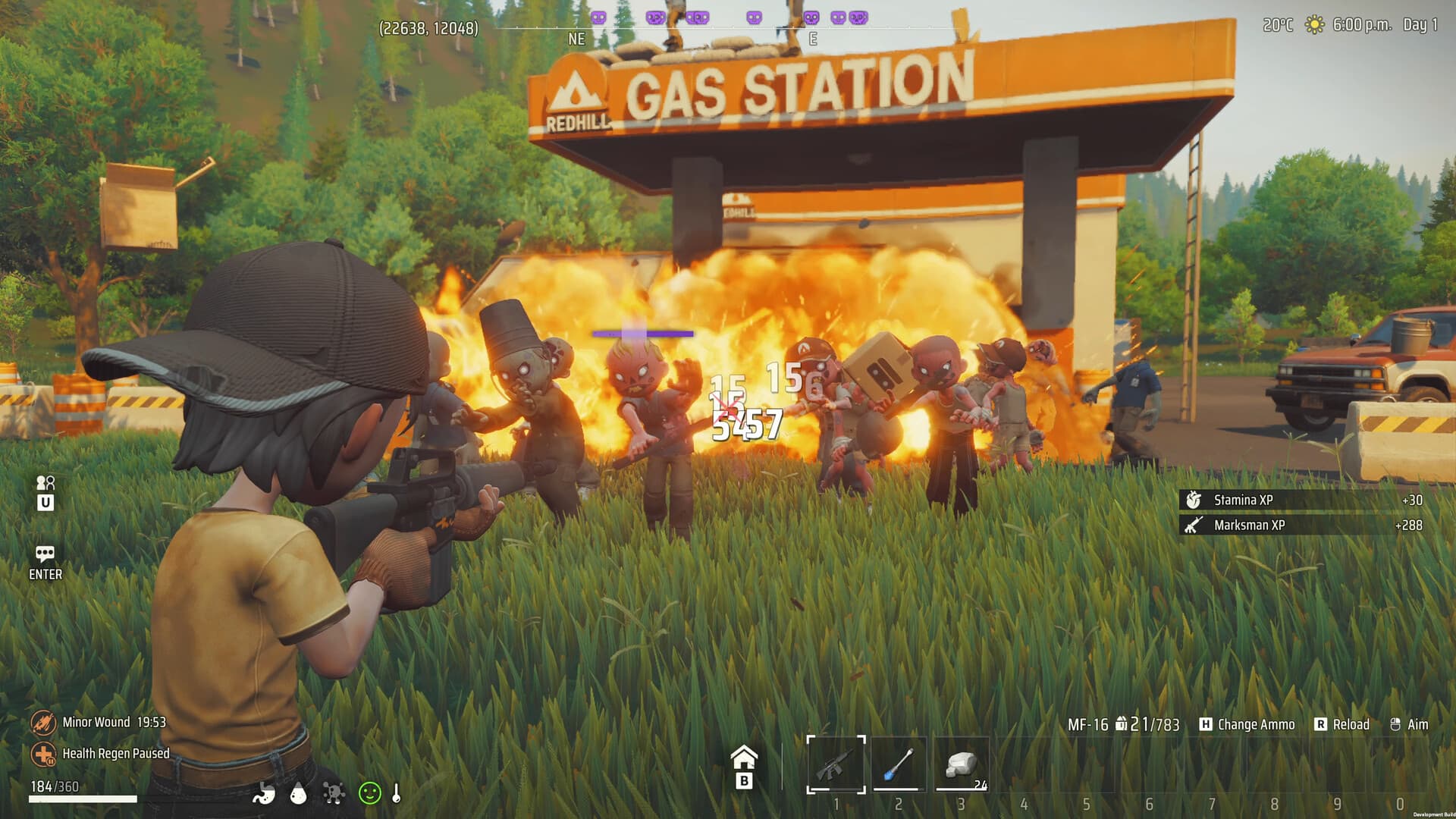
Fighting in Zeverland: improvised melee weapons, bosses and the skill experience they grant, why armed zombies hit so hard, and the studio's move away from player versus player.
The second Zeverland pre-alpha tech test ran for seven days from 25 June 2026 with no NDA, drew 8,000 players, and ended with a public apology from the studio.
How free-form construction works in Zeverland, covering shelter claims, the build tools the studio reported finishing in August 2026, and the fixes promised after the two pre-alpha tech tests.
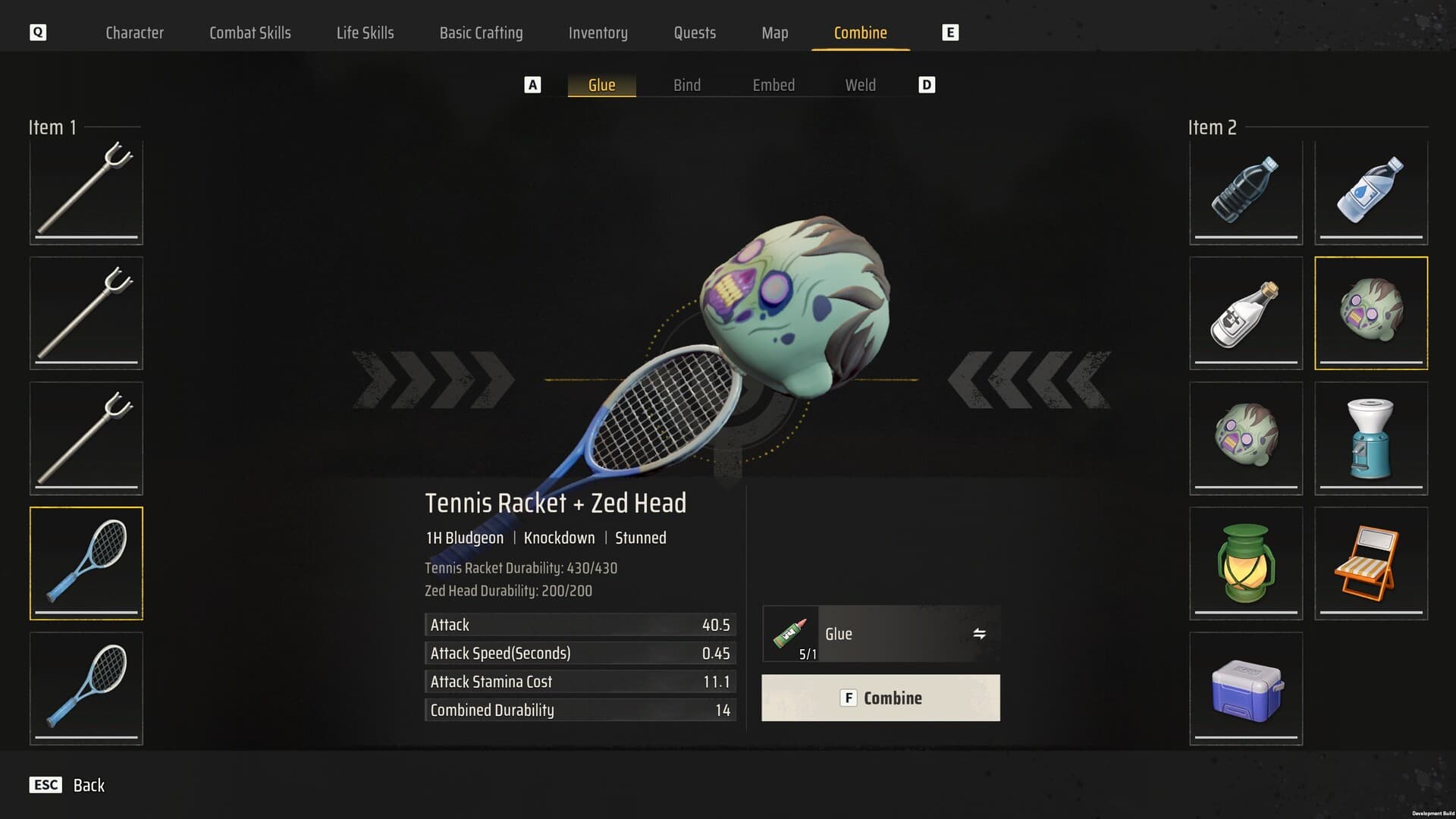
Fusing ordinary objects into weapons in Zeverland, harvesting limbs from special infected, and the modular firearm system the studio has announced but not yet shipped.
An overview of how Zeverland's survival, scavenging, crafting, building, vehicle and companion systems fit together, with pointers to the pages covering each one.
The Zeverland wasteland: terrain types, the named city of Oakley, claimable points of interest, random events, hidden notes, and the three different map size figures the studio has published.
A collection of the in-world companies, characters, brands and places the studio has published as lore. None of it has been confirmed to appear in a playable Zeverland build.
Infected zones are tiered contaminated regions in Zeverland. The Tier 1 zone is a red fog with very low visibility, and entering it needs a respirator, a gas mask or an antidote.
Zeverland's current Steam-listed minimum and recommended specifications for Windows, kept separate from the alpha-only specs published for the November 2025 tech test.
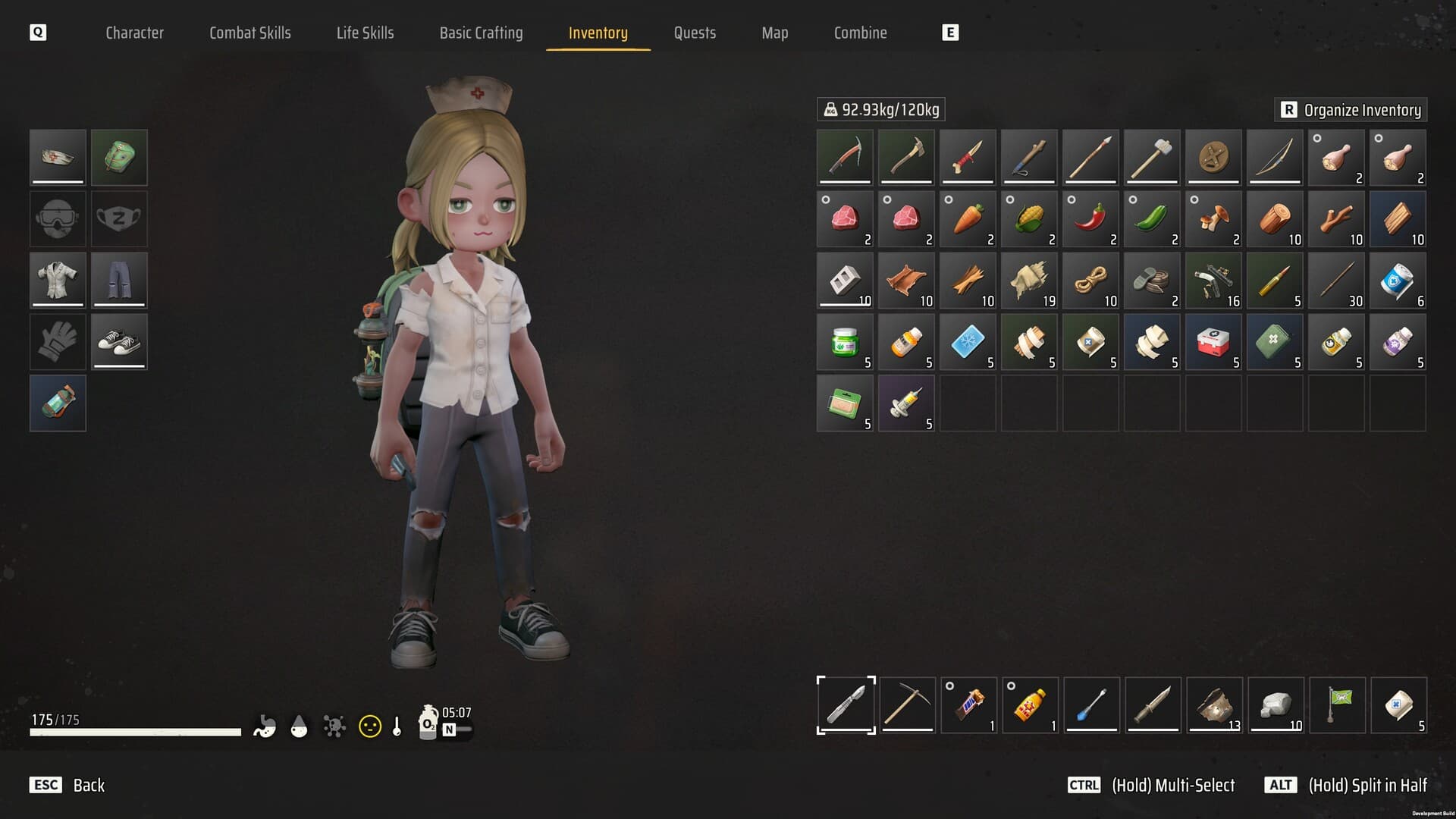
Where supplies come from in Zeverland: loot refresh timing, city versus countryside density, locked containers, blueprints, and the pickup improvements announced so far.
Generators, wiring and lighting in Zeverland, the power failures logged during the second pre-alpha tech test, and the electrical and water systems the studio has announced since.
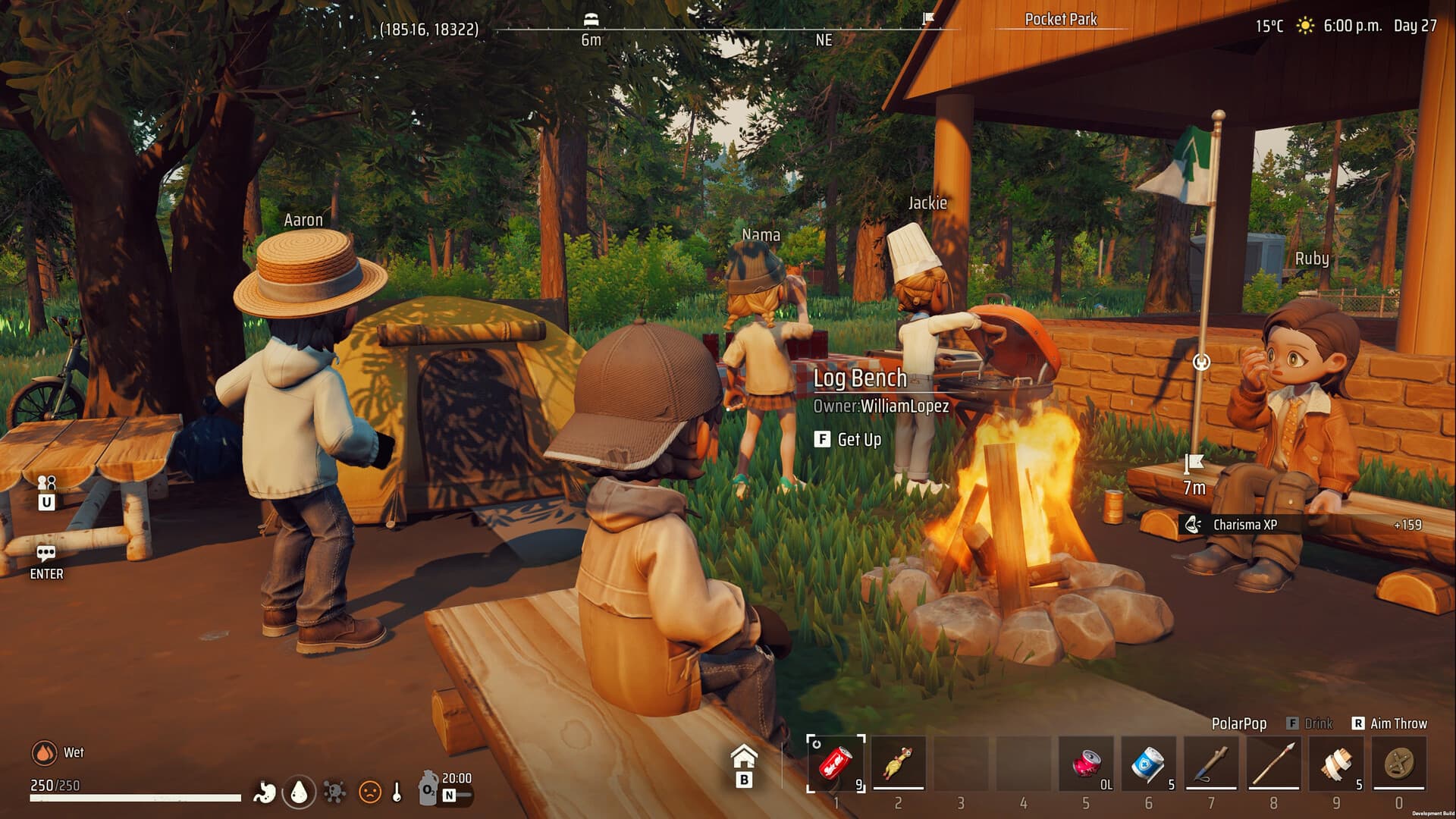
The Red Rain is the catastrophe that opens Zeverland. This page covers the first minute of the apocalypse framing, the deliberately contemporary technology level, and the stated meteor origin.
Zeverland is built around cooperative PVE, and player versus player content was set aside in August 2026. This page tracks that change and the protections that took its place.
Zeverland's current roadmap was published in July 2026 and moved the game to a buy-to-play cooperative PVE survival game. An earlier roadmap from November 2025 sits behind it.
Answers drawn from the developer question and answer posts, including the ones where the honest answer is that nothing has been announced, each carrying the date it was last stated.
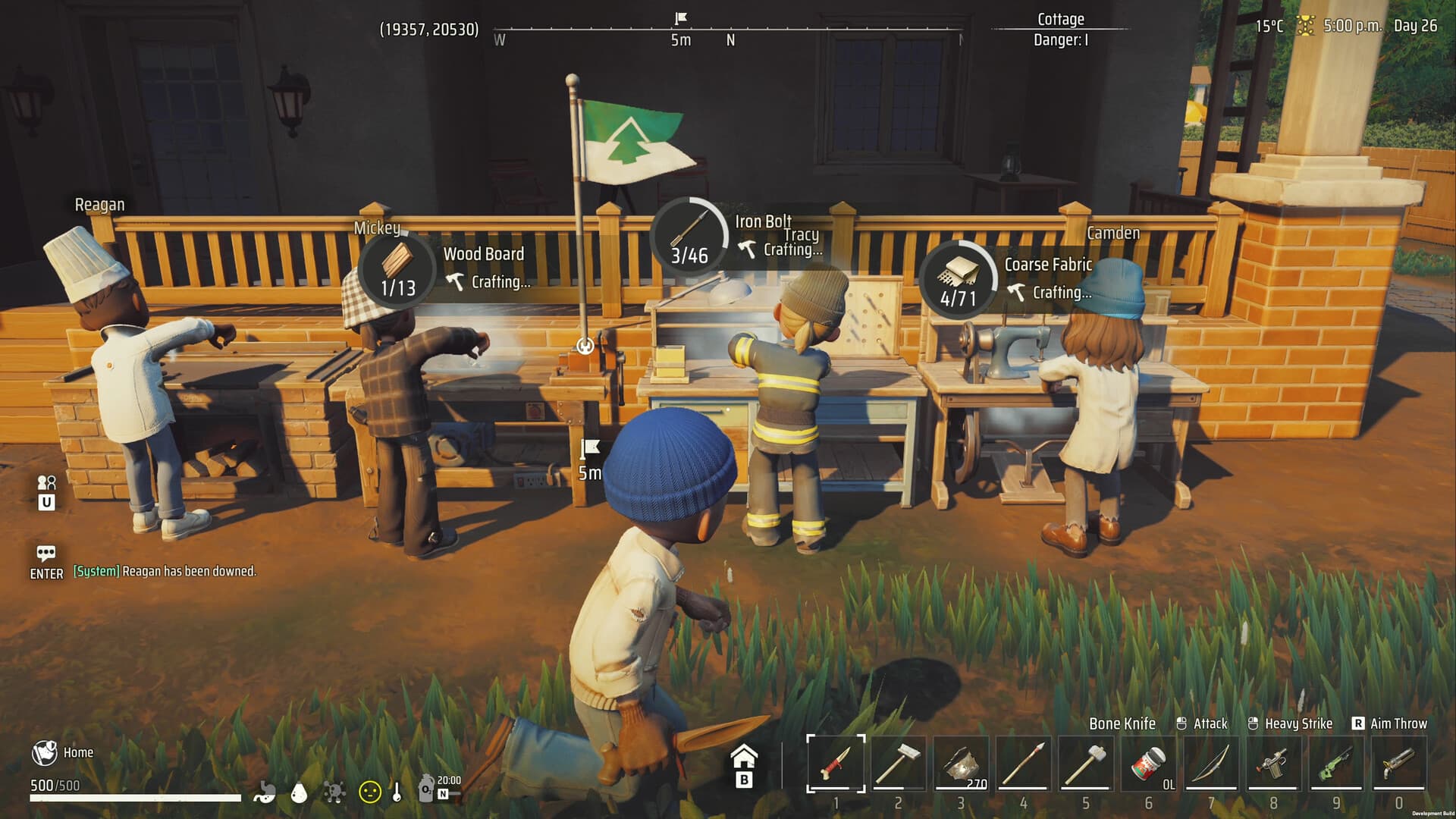
Recruiting and living with NPC survivors in Zeverland: how they join, what they do around a shelter, the Charisma cap on party size, and the companion features announced in August 2026.
How Zeverland's skills level independently through use, the named stats and skill lines confirmed so far, and the progression work the studio announced after the two pre-alpha tech tests.
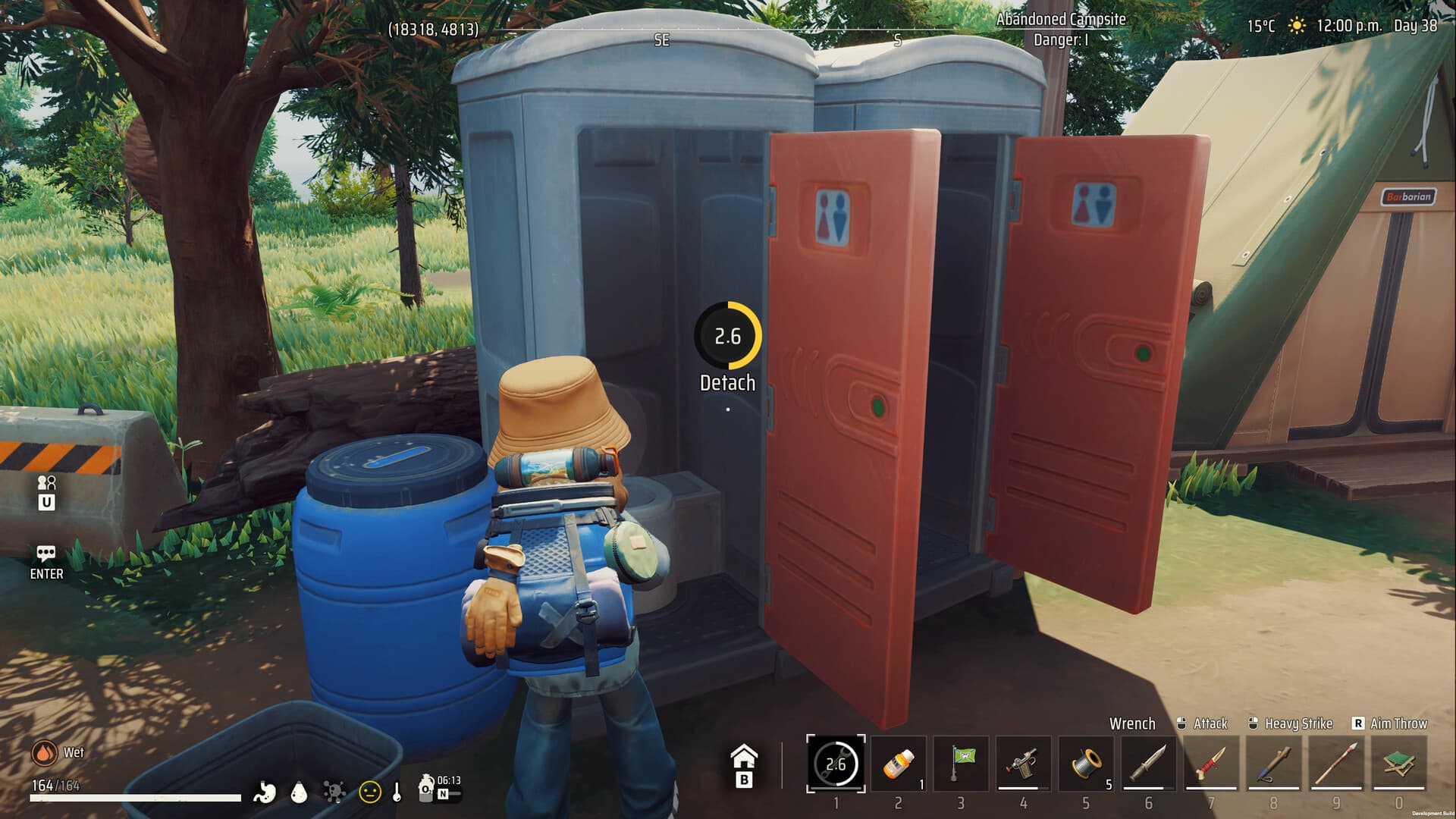
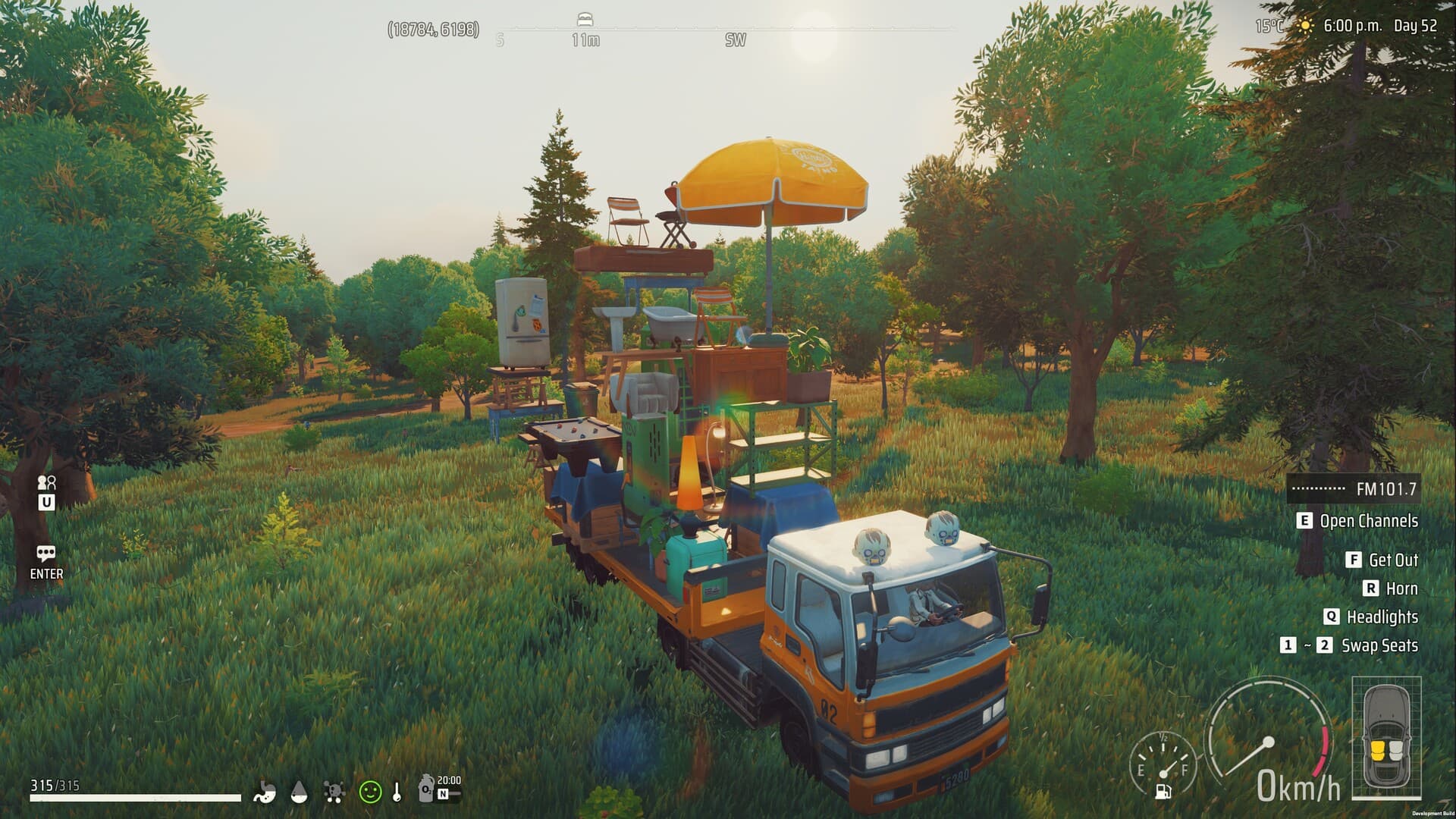
Zeverland's central system: everything in the world can be picked up, dismantled and recombined, from a gas station toilet to a bed welded into the side of an RV.
The territory flag, what a claim protects, why demolition inside your own claim is restricted, and the official-server rule announced in August 2026 that put key locations off limits.
Zeds in Zeverland keep the habits of their old jobs, carry exactly the loot you can see on them, and hit hard when armed. This page covers zombie behaviour, density, style, and how infection works.
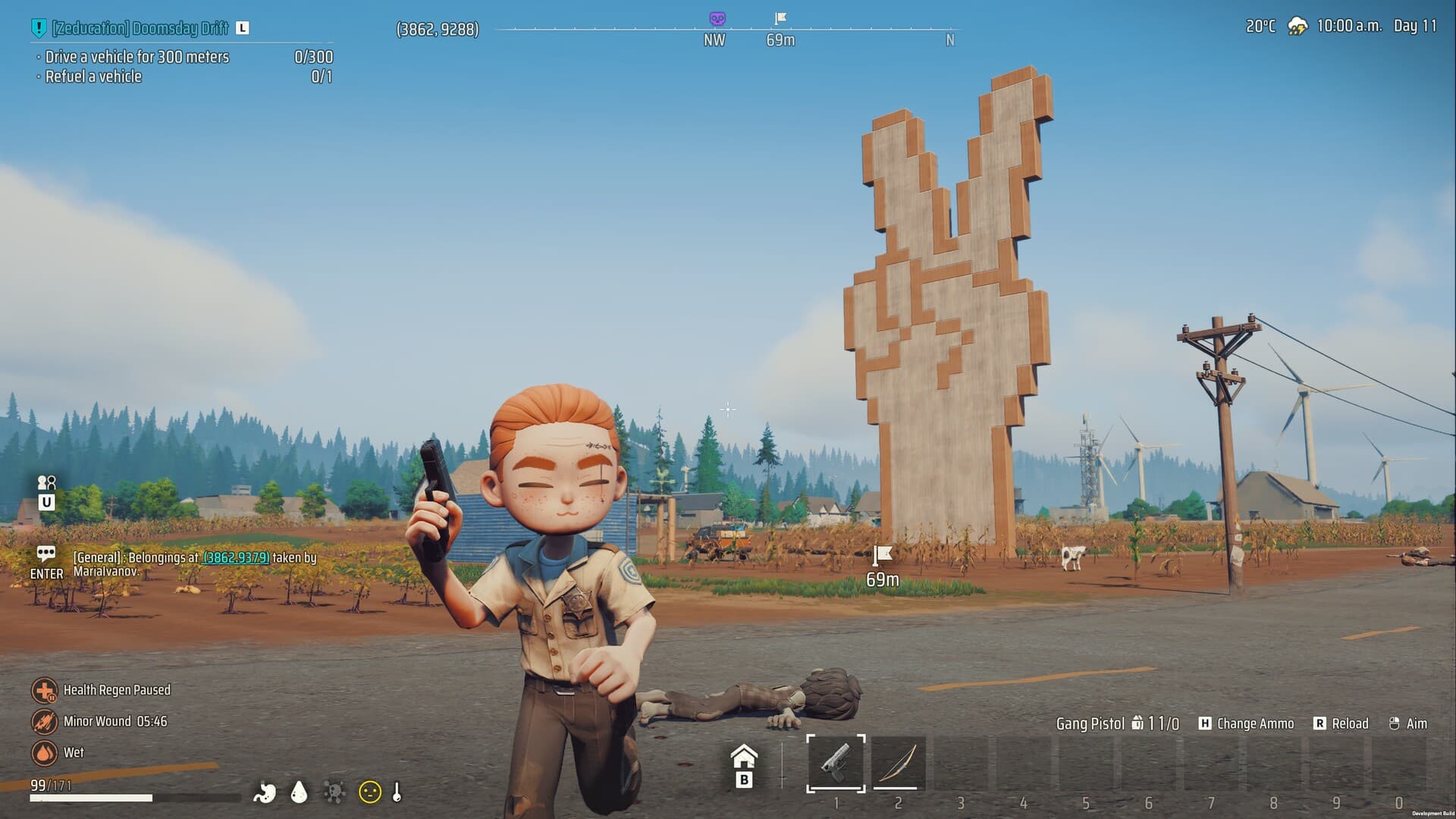
Zeverland has not been released. This page covers what playing has actually looked like across the two closed pre-alpha tech tests, and how access to those tests worked.
Farming and fishing are Zeverland's route for players who would rather not fight. Covers what was playable in the tech tests, the watering grind the studio acknowledged, and the announced skill lines.
Hunger, thirst, stamina and encumbrance in Zeverland, how harshly they were tuned in the tech tests, what is lost on death, and the water and infection systems described so far.
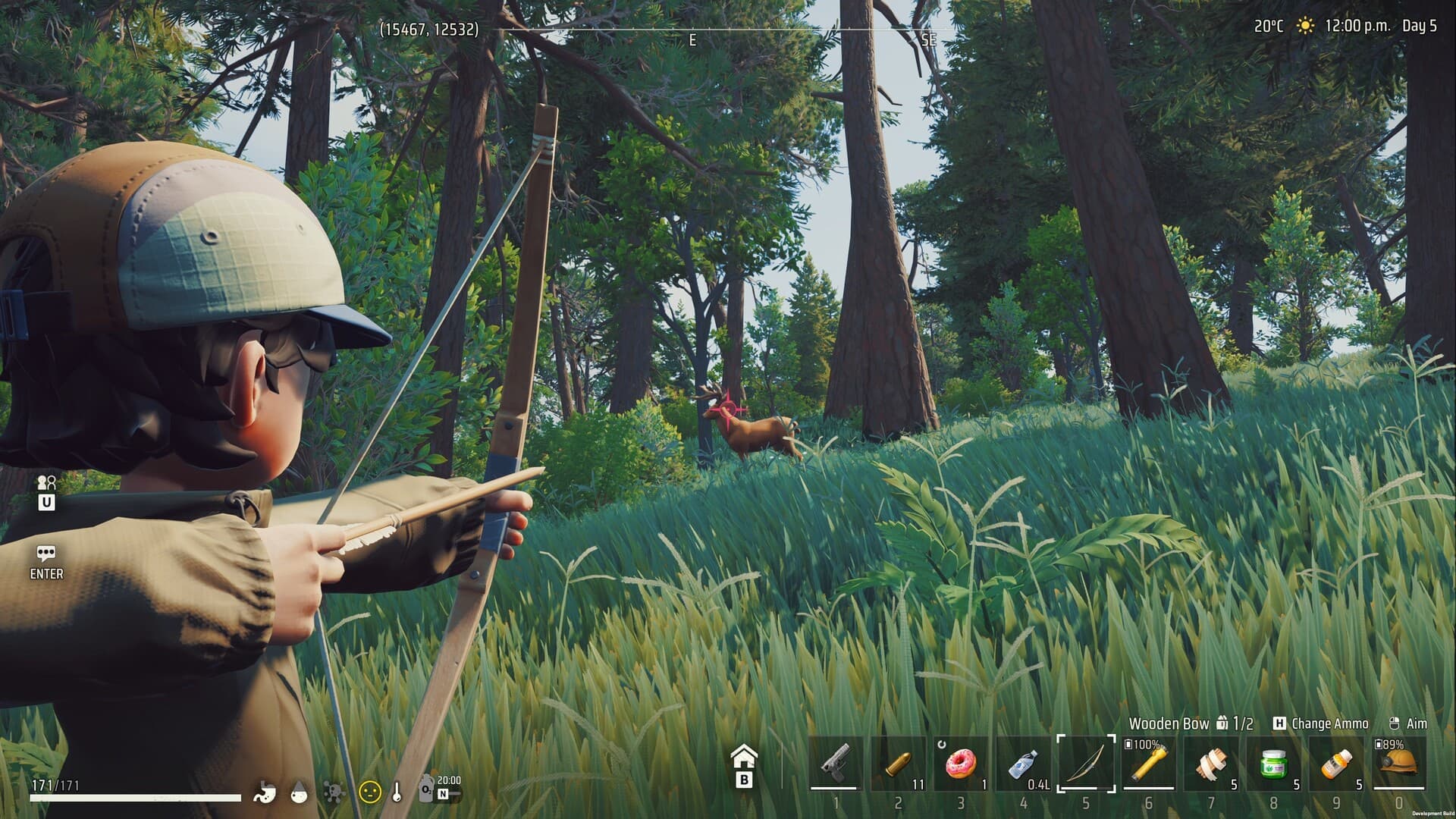
Zeverland is a co-op PVE survival crafting game in development at Quantum Quirks, set in the first minutes of a zombie apocalypse rather than its aftermath.
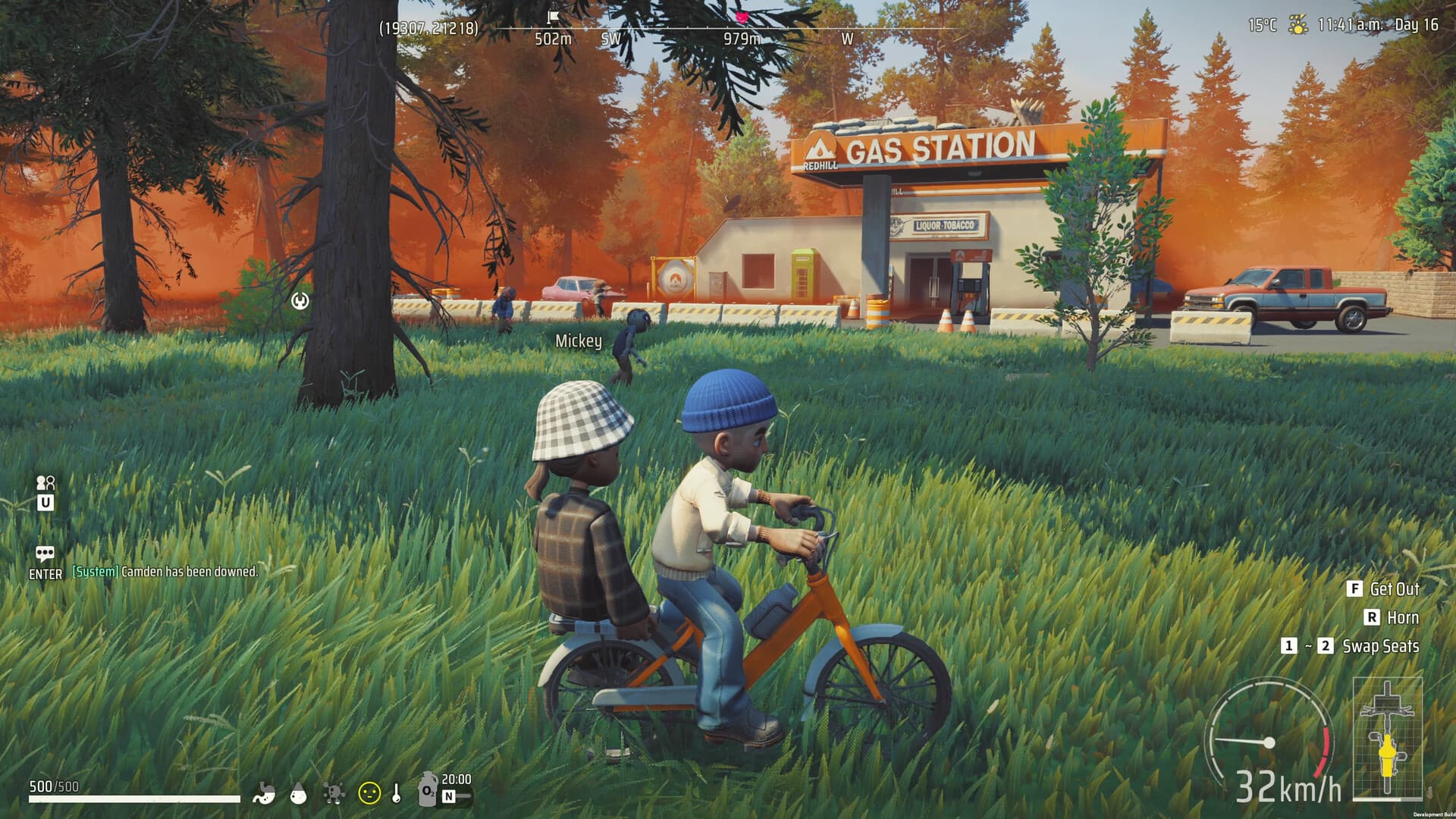
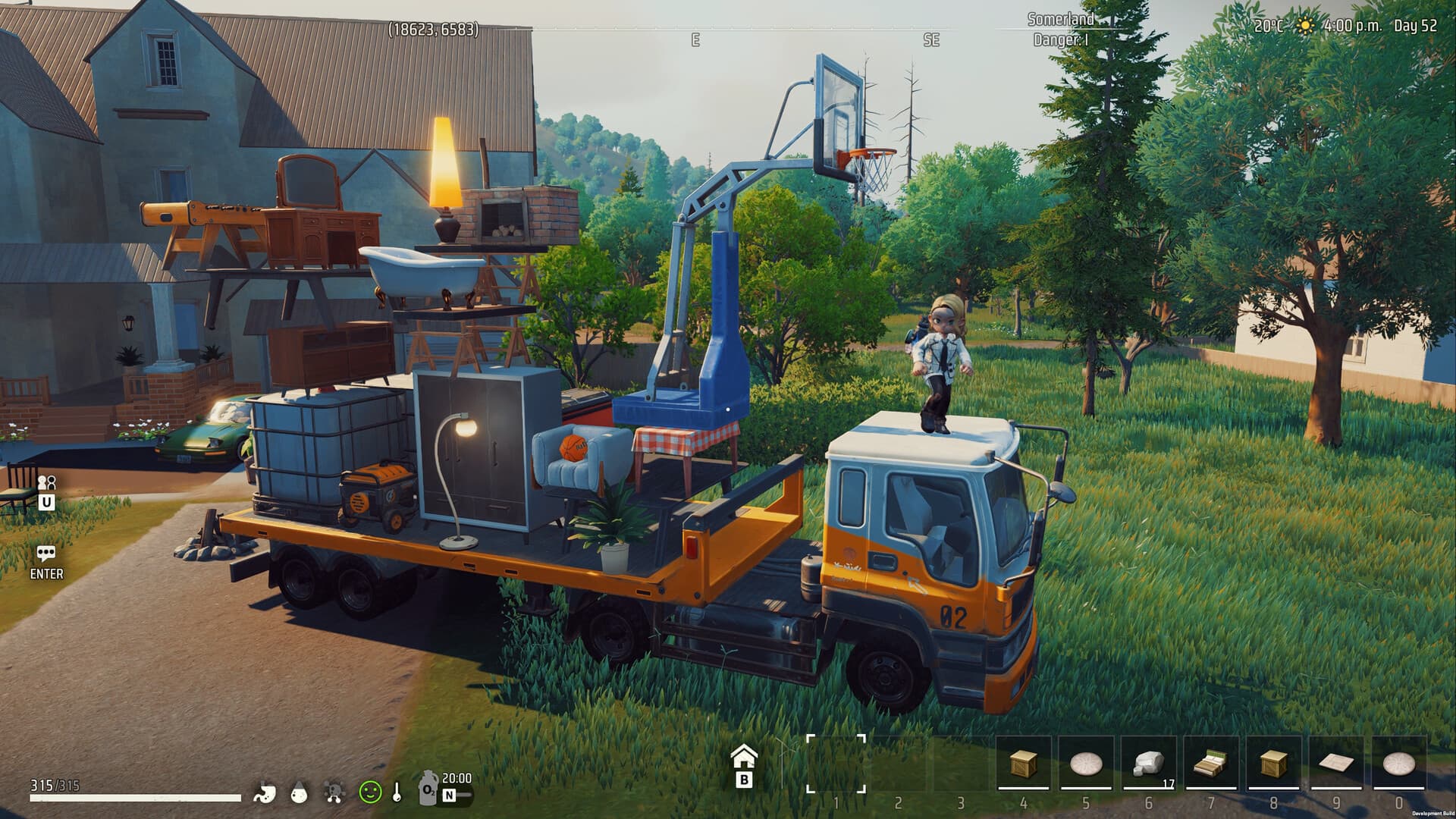
Vehicles in Zeverland are framed as mobile homes rather than transport. Covers the vehicle types seen in testing, the trailer and fuel work reported in August 2026, and the announced roof modules.
Survivors in Zeverland belong to factions, and their NPCs will fight members of rival factions. As of September 2026 the studio has never named a single faction or described how the system works.
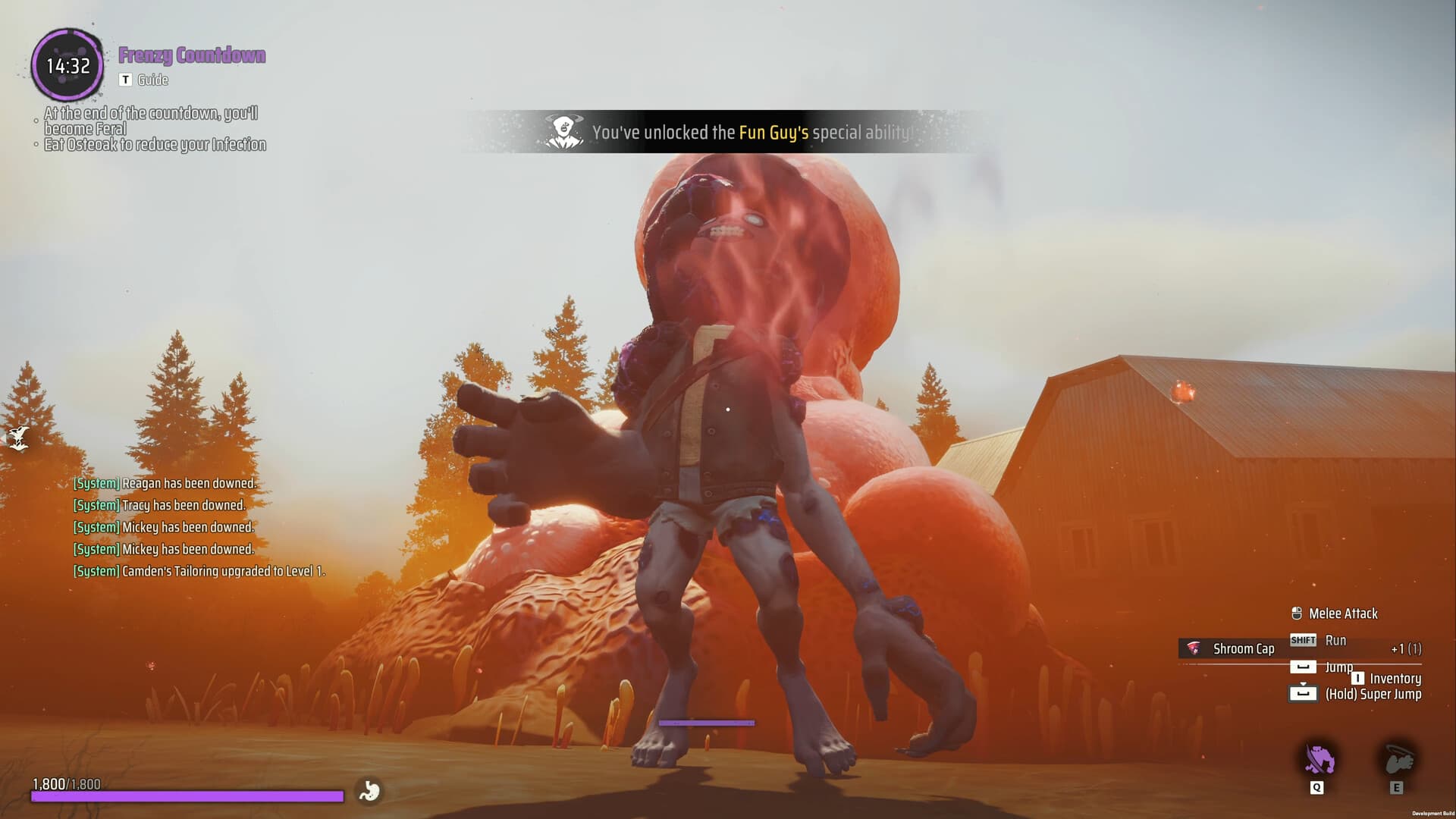
Dying of infection in Zeverland turns your survivor into a zombie instead of killing them outright. The state is reversible, it lasted about fifteen minutes in the first test, and the studio has said it is not being cut.
What is documented about Zeverland's medical items and states, the studio's admission that the system felt disjointed, and the protective gear needed to survive time inside an infected zone.
Only three special infected are named by the studio itself: the Parkour Zombie, the Spider Mutant, and gun-wielding zombies. Their limbs can be harvested to upgrade human weapons.
