Loading...
The Celestials are divine beings who created the world of The God Slayer, harvesting Qi from all living things to sustain their immortality and ruling humanity through fear.
The Elemancer system is the core gameplay mechanic of The God Slayer, allowing players to channel Qi through five classical elements in combat, traversal, and environmental interaction.
Comprehensive overview of The God Slayer, an open-world action RPG by Pathea Games set in an Eastern steampunk metropolis where an Elemancer wielding five classical elements seeks to overthrow divine rulers.
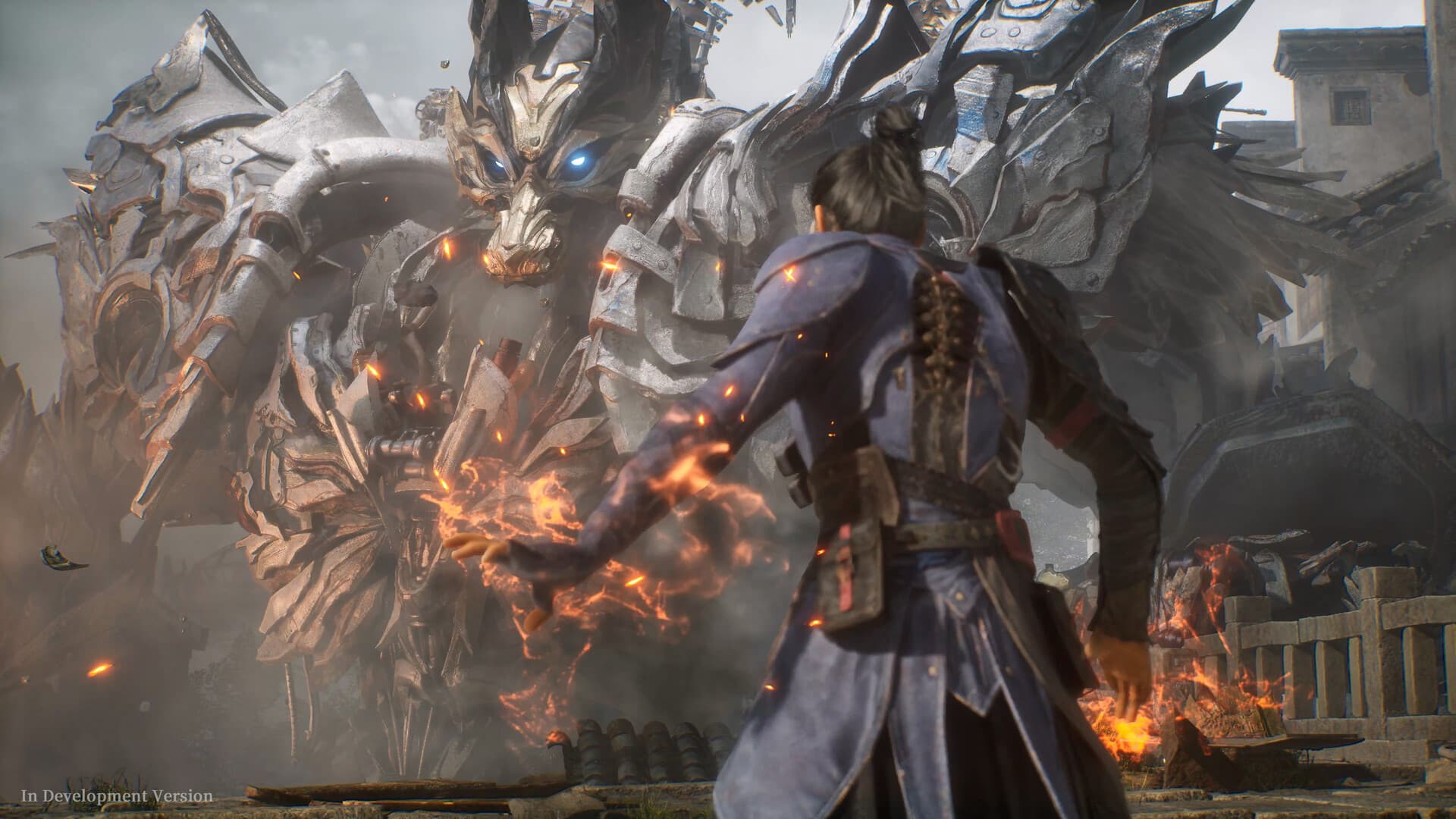
Boss encounters are climactic fights in The God Slayer, inspired by God of War and Shadow of the Colossus, pitting Cheng against massive Celestials that require strategic element use and preparation.
The China Hero Project is a Sony Interactive Entertainment initiative launched in 2016 to mentor Chinese game developers, with The God Slayer announced as part of Phase 3 at ChinaJoy 2023.
Pathea Games is a Chinese game studio founded in 2012 in Chongqing by Zifei Wu, known for My Time at Portia and the upcoming action RPG The God Slayer, part of Sony's China Hero Project Phase 3.
The God Slayer features factions with standing that shifts through allies, favours and bribery, plus NPCs with daily schedules, relationship mechanics, and rotating vendor inventories.
Wood is the fifth classical element in The God Slayer's Elemancer system, a unique passive support element that creates blocking objects and boosts stats without dealing direct damage.
The God Fall is the catastrophic event in The God Slayer's lore when the Celestials assaulted the Zhou Kingdom, massacring the king and hunting down Elemancers in a single devastating night.
Cheng is the fixed protagonist of The God Slayer, an Elemancer who channels all five classical elements and seeks to overthrow the Celestials after surviving The God Fall.
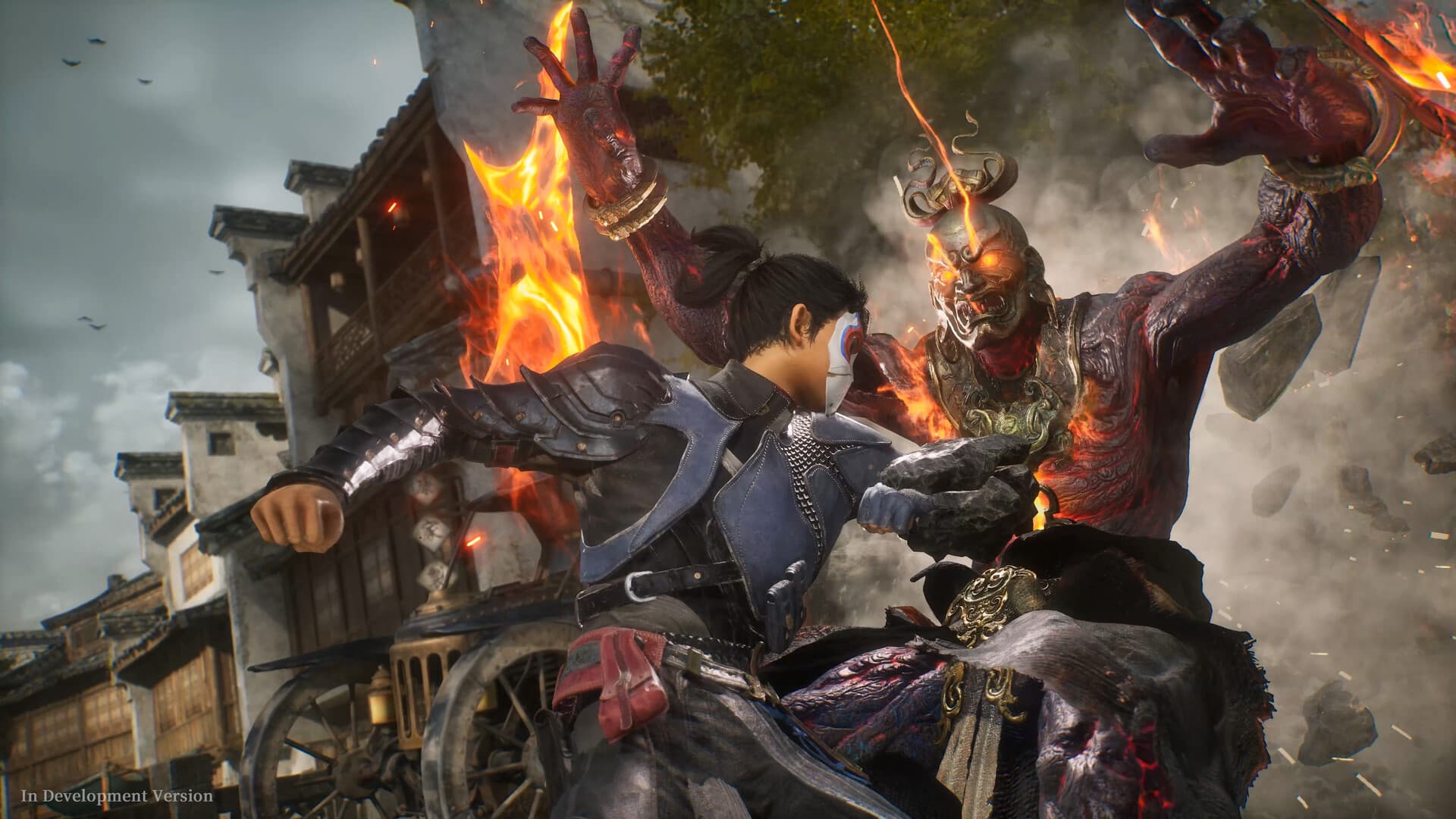
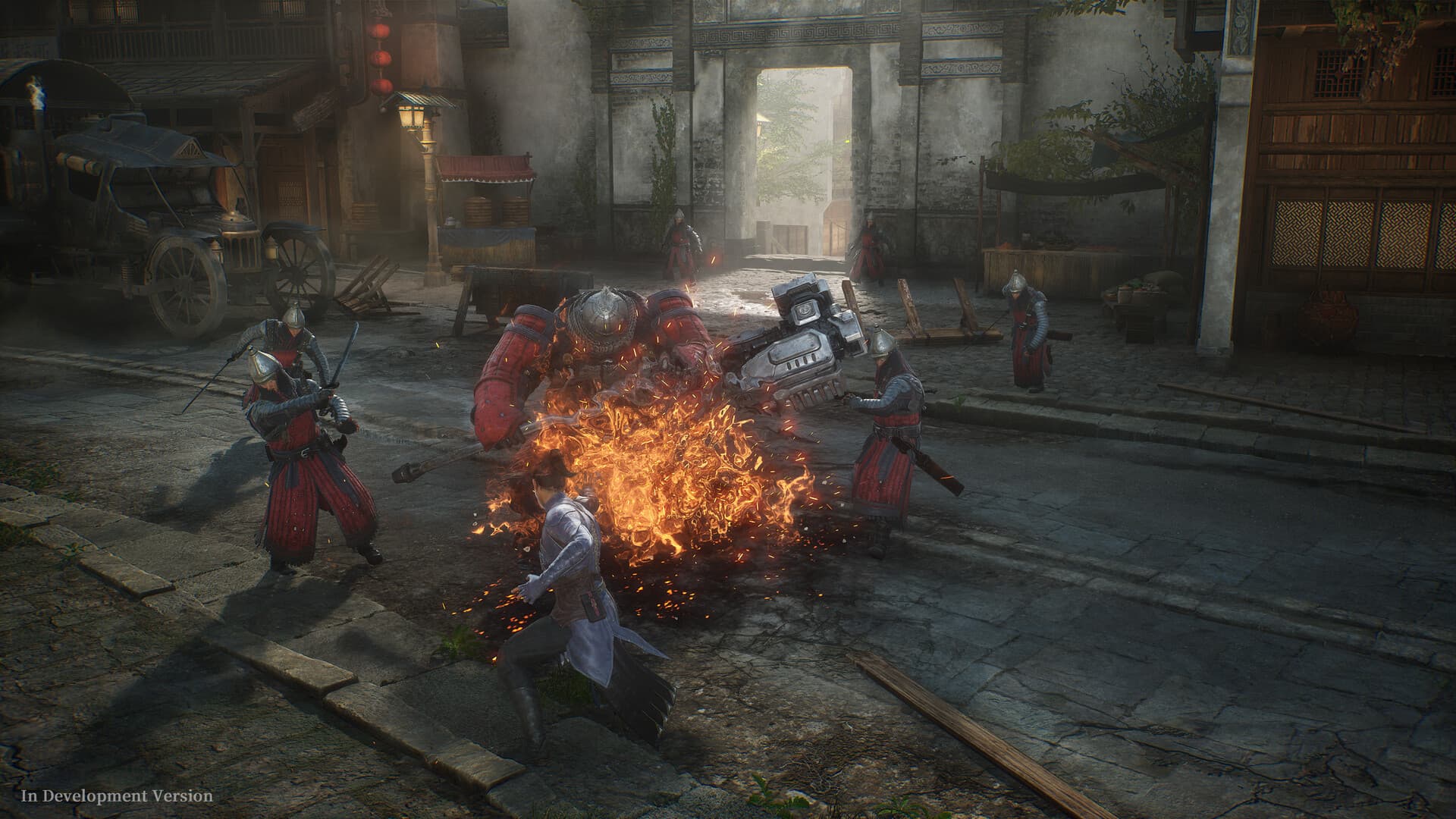
The combat system in The God Slayer combines martial arts-inspired melee fighting with five-element Qi manipulation, environmental interaction, and weapon pickups.
Metal is one of the five classical elements in The God Slayer's Elemancer system, specializing in conjured weapons, stance-breaking attacks, and hybrid steampunk tech tools.
Earth is one of the five classical elements in The God Slayer's Elemancer system, specializing in defense, projectiles, and environmental shaping that strengthens in caves.
Water is one of the five classical elements in The God Slayer's Elemancer system, specializing in crowd control, freezing, and pulling water from environmental structures.
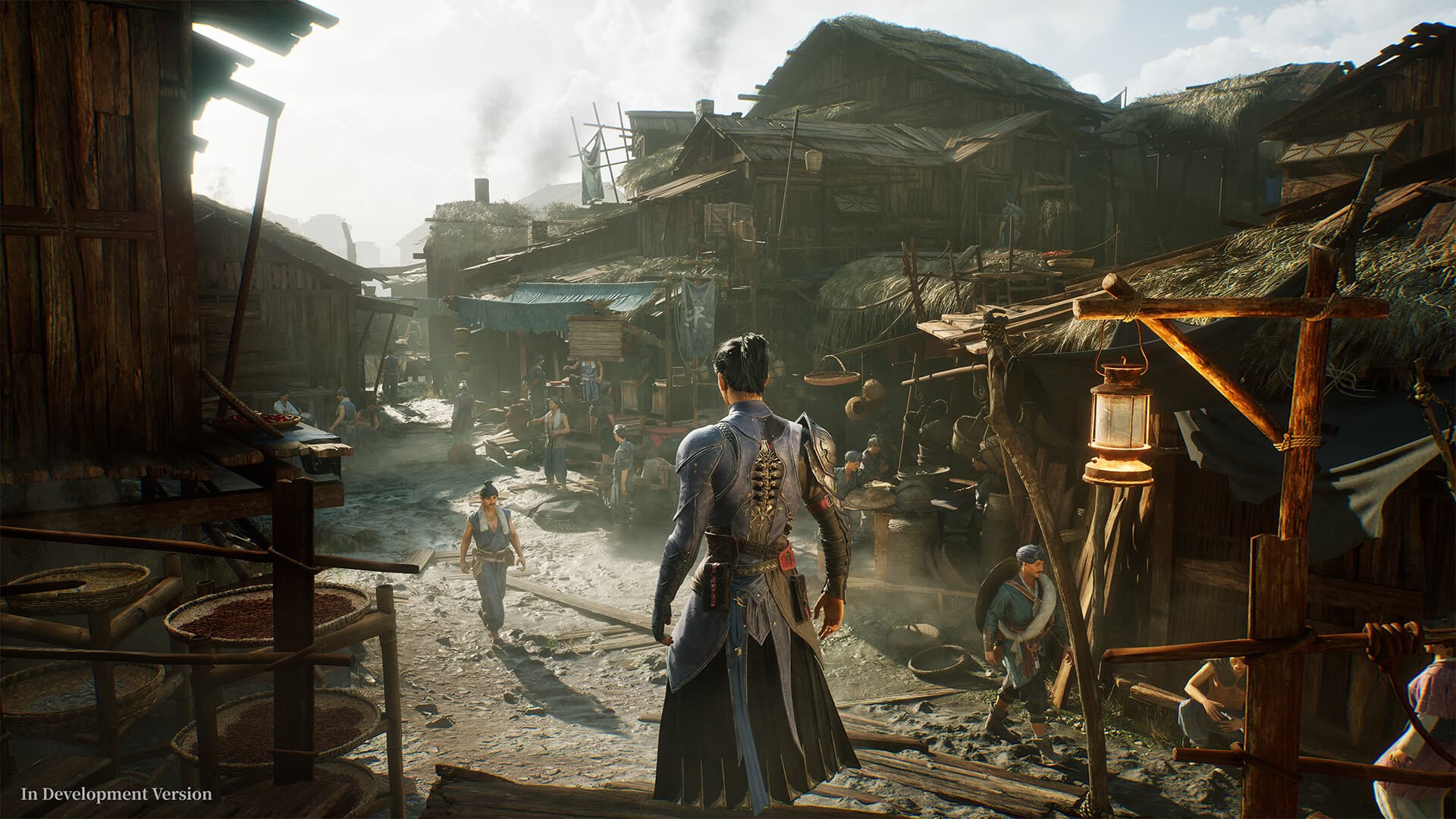
Zhou is the capital city and primary setting of The God Slayer, a dense, vertically layered metropolis where Ming Dynasty aesthetics replace Victorian steampunk conventions.
Fire is one of the five classical elements in The God Slayer's Elemancer system, specializing in offensive attacks and high-mobility traversal through flame jets and fire boosters.
The Zhou Kingdom is the fictional Eastern-inspired steampunk nation in The God Slayer, home to a dense vertical metropolis at the mouth of two rivers, inspired by Chongqing, China.
Elemental interactions in The God Slayer follow the Wu Xing (Five Elements) system, where Fire, Water, Earth, Metal, and Wood interact with each other and the environment to create layered combat strategies.
The Star Fall Society is the underground resistance movement opposing Celestial rule in The God Slayer, led by the wise and enigmatic Master, providing intel, stealth tools, and mission support to Cheng.
Qi cultivation in The God Slayer describes how Elemancers channel the fundamental life energy that the Celestials designed humanity to cultivate, powering elemental abilities through a skill tree progression system.
Qi is the fundamental energy powering all life and elemental abilities in The God Slayer. The Celestials harvest it for immortality, while Elemancers channel it through the five elements.
The dual identity system in The God Slayer lets Cheng operate as a masked vigilante during missions and as an unmasked civilian in the city, with NPCs following daily schedules that create time-sensitive opportunities.
The capital city of the Zhou Kingdom is the primary explorable location in The God Slayer, a vertically layered metropolis inspired by Chongqing with subway, bus, and airship transit systems.
The Master is the leader of the Star Fall Society and Cheng's mentor in The God Slayer, described by Pathea as the wise and enigmatic figure holding the resistance together.
Weapons in The God Slayer include Qi-conjured elemental armaments, temporary enemy weapon pickups, scrolls, rare cores, and stealth gadgets from the Star Fall Society.
Progression in The God Slayer includes leveling, elemental skill trees, ability scrolls, rare cores, faction reputation unlocks, and mentor training, with behavior varying between Story and Challenge Mode.
Traversal in The God Slayer combines wuxia-inspired agility, elemental movement abilities like fire boosters and water glides, and Zhou's public transit system of subways, buses, and fast travel.
The God Slayer draws combat and cinematic inspiration from Jackie Chan and Jet Li films, 1980s Hong Kong cinema, Insomniac's Spider-Man, Batman: Arkham, Sifu, God of War, and Avatar: The Last Airbender.
The God Slayer offers Story Mode targeting casual players where overleveling is possible, and Challenge Mode with level-scaled enemies where "you get hit twice and die."
Faction relationships in The God Slayer include the Star Fall Society resistance, the ruling Celestials, and various city power groups, with NPC relationships affecting mission accessibility and approaches.
The God Slayer shares no narrative or universe connection with My Time at Portia or My Time at Sandrock, only a developer in Pathea Games, though technical and design lessons from those cozy life sims inform the action RPG.
Mission design in The God Slayer emphasizes player agency with multiple approach options including combat, stealth, bribery, elemental diversions, and NPC relationship exploitation across seven chapters.
The God Slayer offers multiple mission approaches including direct combat, stealth, elemental diversion, relationship exploitation, and hidden elemental routes, rewarding creative problem-solving.
The industrial districts of the Zhou Kingdom capital represent the class divide in The God Slayer, with soot-blackened factories below and wealthy air-conditioned homes above.
Elemental crafting in The God Slayer covers how players learn new elemental skills through ancient scrolls, elemental master NPCs, and Qi refinement across five element skill trees.
Steampunk technology in The God Slayer defines the Zhou Kingdom's industrial civilization, with airships, monorails, steamboats, and mechanical appliances coexisting with traditional Chinese architecture.
The God Slayer's soundtrack blends orchestration with traditional Chinese instruments and selective electric guitar for boss battles, with reactive music that adapts to gameplay context.

 MikoTanaka
 DarkKnight_XMikoTanaka
 DarkwhispersDarkKnight_XDarkwhispers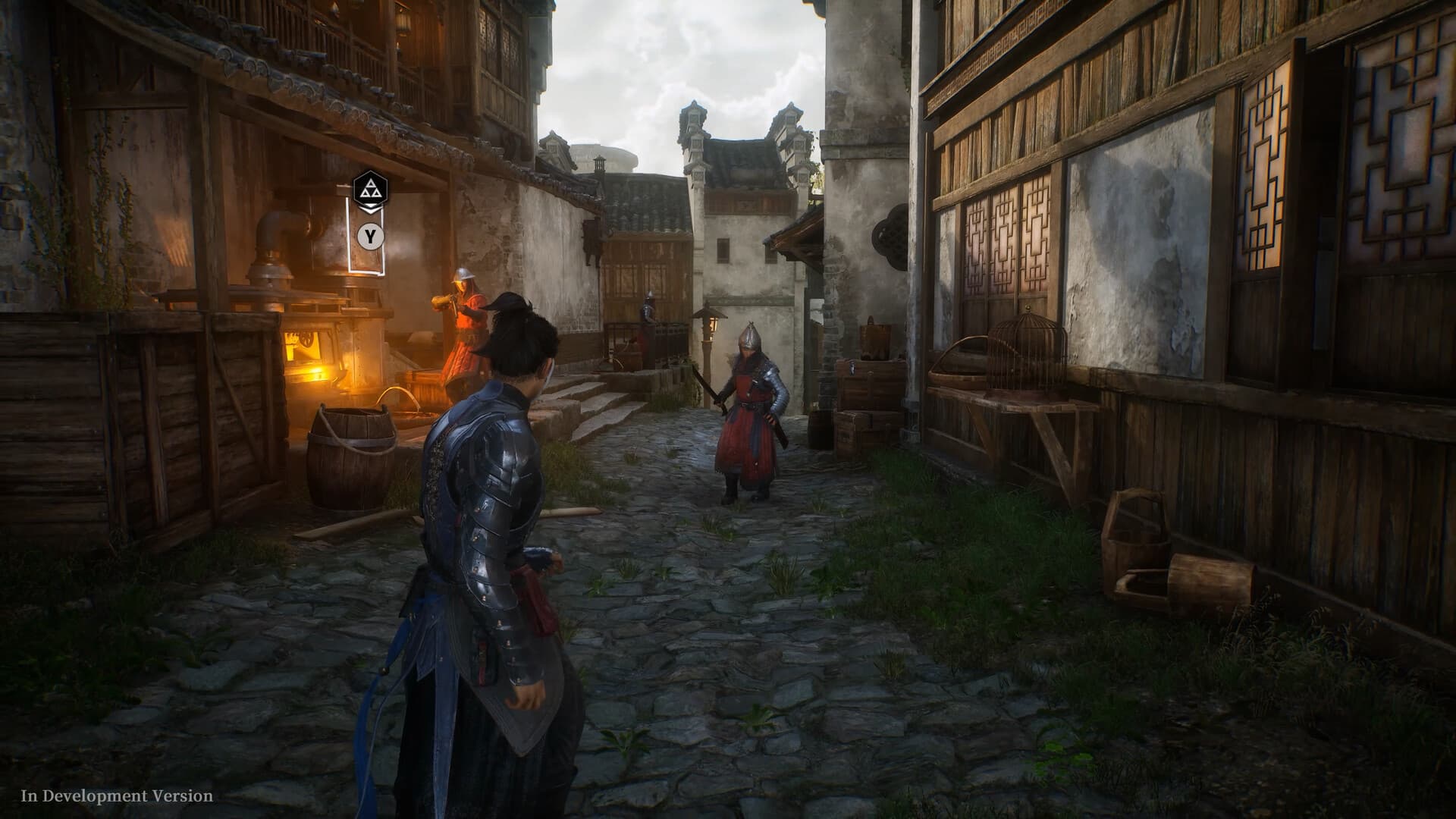
 DarkKnight_XDarkwhispersDarkwhispersDarkKnight_XMikoTanakaMikoTanakaMikoTanakaDarkwhispers
 willowmist
 SableQuillDarkwhispers
 DarkKnight_X