

This article is incomplete
Some sections are missing or need additional details. Help improve it by contributing.
Overview
The industrial districts of the capital city are where the Zhou Kingdom's class divide is most visible. The official descriptions paint a stark picture: "airships float above soot-filled streets, monorails cut through industrial districts." These areas are defined by the contrast between the steam-powered prosperity enjoyed by the upper class and the grinding labor conditions endured by the workers who make that prosperity possible.
Upper-Class Areas
The wealthier sections of the capital sit above the industrial smog, both literally and figuratively. Residents of upper-class districts enjoy the fruits of steam technology in their daily lives. Air-conditioned homes keep the summer heat at bay. Mechanical washing drums handle laundry. Elegant steam-powered appliances fill kitchens and workshops. The architecture here is cleaner, with polished brass fittings, well-maintained pagoda roofs, and public gardens that stand in sharp contrast to the factory wards below.
These districts also serve as spaces where Cheng's civilian identity can move relatively freely. Wealthy NPCs, political officials, and nobles populate these areas, and building relationships with them through the dual identity system can unlock alternative approaches to missions that might otherwise require brute force.
Factory Districts
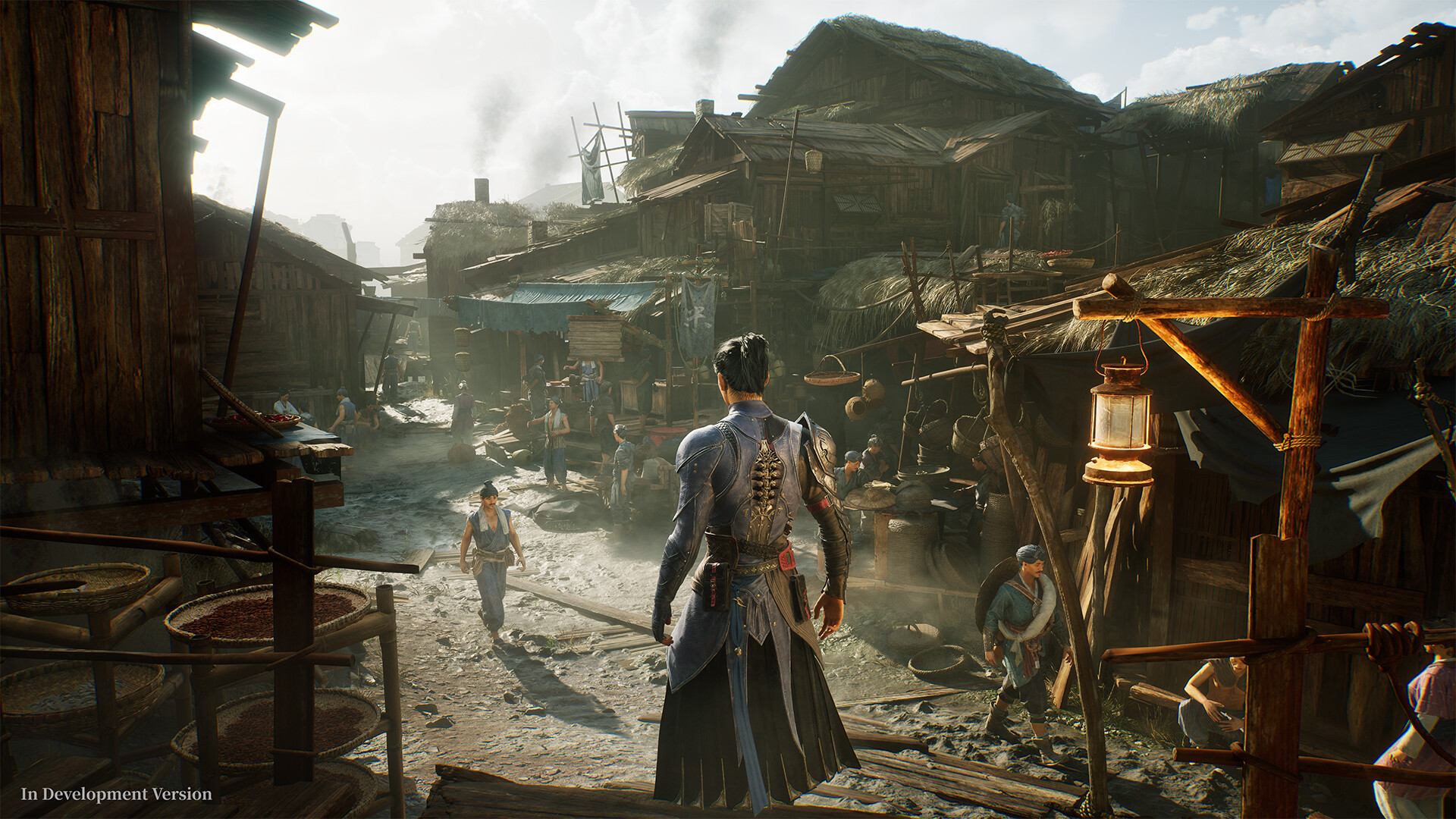
Below the prosperous neighborhoods, soot-blackened factories churn out the goods and machinery that power Zhou's industrial economy. Workers labor in oppressive conditions, and the streets are thick with industrial smoke. The visual design emphasizes the human cost of Zhou's technological progress: cramped housing blocks, narrow alleys between towering factory walls, and the constant mechanical noise of production.
From a gameplay perspective, the factory districts provide distinct tactical environments. The abundance of metal scrap and industrial machinery makes Metal element abilities particularly effective here. Narrow corridors and tight spaces favor ambush tactics and close-quarters combat over the open-area elemental spectacles possible in the city's wider plazas. The soot and smoke also create natural cover for stealth approaches.
The Vertical Class Divide
The class structure of the capital is not just a narrative theme. It is built into the city's physical layout. Wealthy districts tend to occupy higher ground, with better air quality and views, while industrial areas sit lower, in valleys and along the riverbanks where factory runoff is carried away by the current. This vertical stratification mirrors the social hierarchy: those with power and money live above, looking down (both literally and metaphorically) on those who labor below.
This design creates natural gameplay opportunities. Moving between the upper and lower city means navigating transitions in enemy type, NPC disposition, environmental hazards, and available resources. A mission might begin with intelligence gathering in a wealthy estate, transition to a rooftop chase across the mid-level market district, and culminate in a factory infiltration deep in the industrial wards.
Named Districts
As of August 2026, specific named districts within the capital have not been publicly revealed by Pathea Games. Gameplay footage and trailers have shown distinct visual zones (wealthy residential, commercial markets, industrial waterfront, underground tunnels), but official district names and detailed maps remain undisclosed. The game's seven-chapter structure likely assigns each chapter to a different region of the city, though this has not been confirmed.
Narrative Significance
The industrial districts are central to the game's thematic concerns. The Celestials profit from the status quo: a population too busy surviving to question divine authority, too divided by class to organize resistance, and too dependent on steam technology to imagine life without the industrial system the Celestials oversee. The Star Fall Society's recruitment draws heavily from the factory workers and lower-class citizens who have the most reason to resent Celestial rule and the least to lose by joining the resistance.