
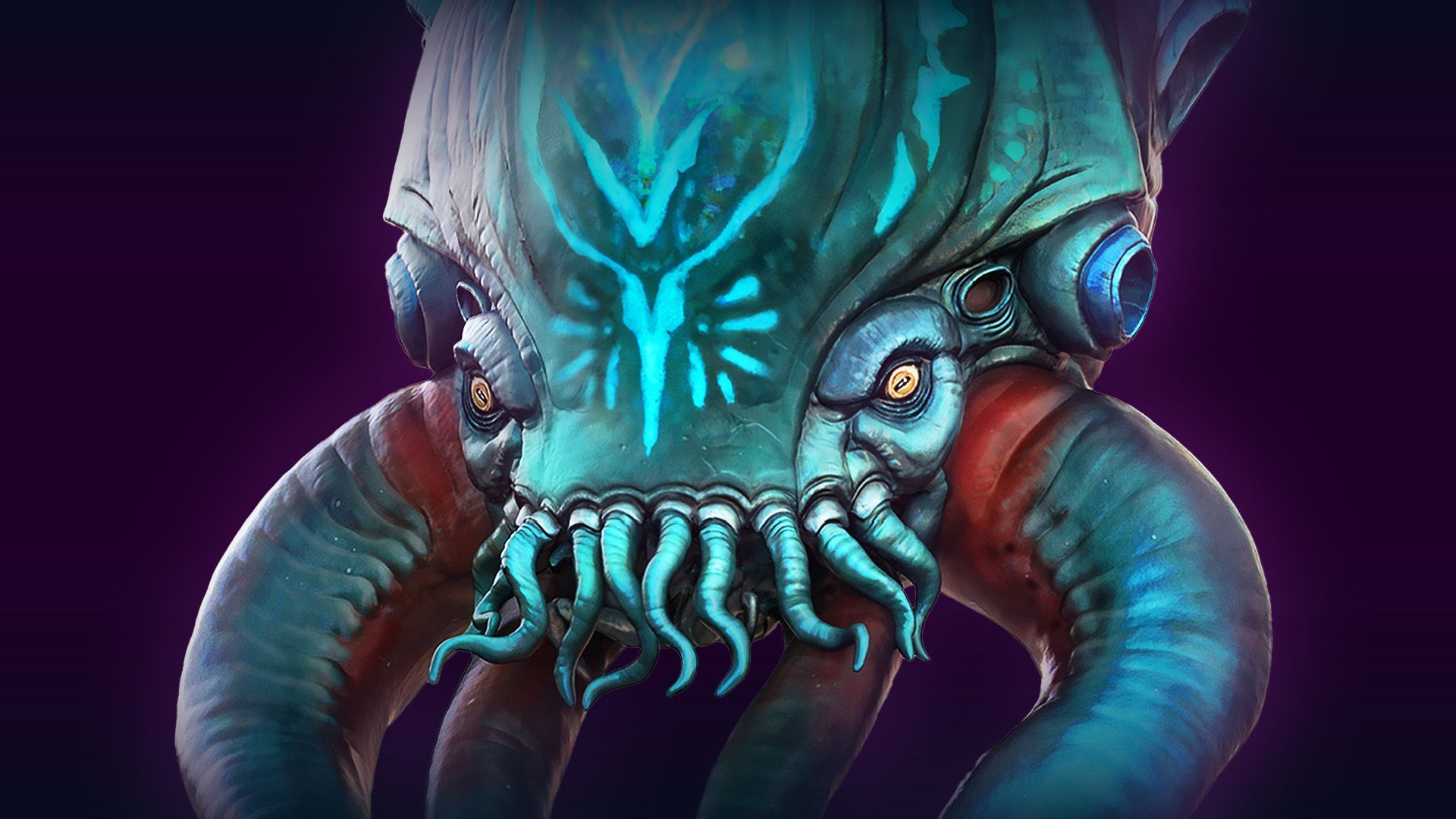
Creature AI in Subnautica 2 uses Unreal Engine 5 behavior trees combined with a custom stimulus system that makes creatures react to light, sound, and player actions in real time. The system was detailed in Dev Vlog 3 (September 16, 2025), which focused on the Collector Leviathan as a show for the new AI architecture.
How it Works
The AI system has two core components:
Component | Function |
|---|---|
Behavior trees | UE5's native behavior tree system provides the decision-making structure. Creatures evaluate their environment and choose actions based on hierarchical conditions rather than scripted sequences. |
Stimulus system | A custom layer built on top of behavior trees that feeds environmental data (light levels, sound, player proximity, movement speed) into the creature's decision process. This makes creatures react to what is actually happening around them rather than following preset patterns. |
Together, these systems create creatures that "constantly re-evaluate the situation in real time," as AI Gameplay Lead Engineer Antonio Muñoz Gallego described it. A creature's response to the player depends on the current environmental context: the same creature may react differently in bright vs. dark conditions, in calm vs. stormy weather, or when distracted by other stimuli like flares.
Dual Utility Reasoning
The Collector Leviathan's AI uses a design pattern called dual utility reasoning. Rather than having a single aggression trigger ("player enters range, creature attacks"), the creature continuously weighs multiple stimuli against each other. When a player throws a flare, the Collector evaluates the flare's light stimulus against the player's presence, sound, and movement. The flare may draw attention temporarily, but if the player makes noise or gets closer, the creature re-evaluates and may shift focus back.
This creates dynamic, unpredictable encounters. The same evasion strategy does not work identically every time because the creature's decision depends on the full environmental context, not just a single input.
Stimulus Categories
The stimulus system processes several categories of environmental input:
Stimulus | Effect on Creatures |
|---|---|
Light | Creatures react to light sources including player flashlights, vehicle headlights, flares, and bioluminescence. Light can attract attention or serve as a distraction depending on the creature's current behavioral state. |
Sound | Movement generates noise; faster swimming produces more sound. Creature awareness scales with the noise the player makes. Quiet swimming is a confirmed evasion strategy. |
Player actions | The AI tracks what the player is doing: scanning, using tools, piloting a vehicle, or swimming freely. Different actions may trigger different creature responses. |
Proximity | Distance still matters, but it is one factor among many rather than the sole aggression trigger. A distant, noisy player may draw more attention than a nearby, silent one. |
The Collector Leviathan as show
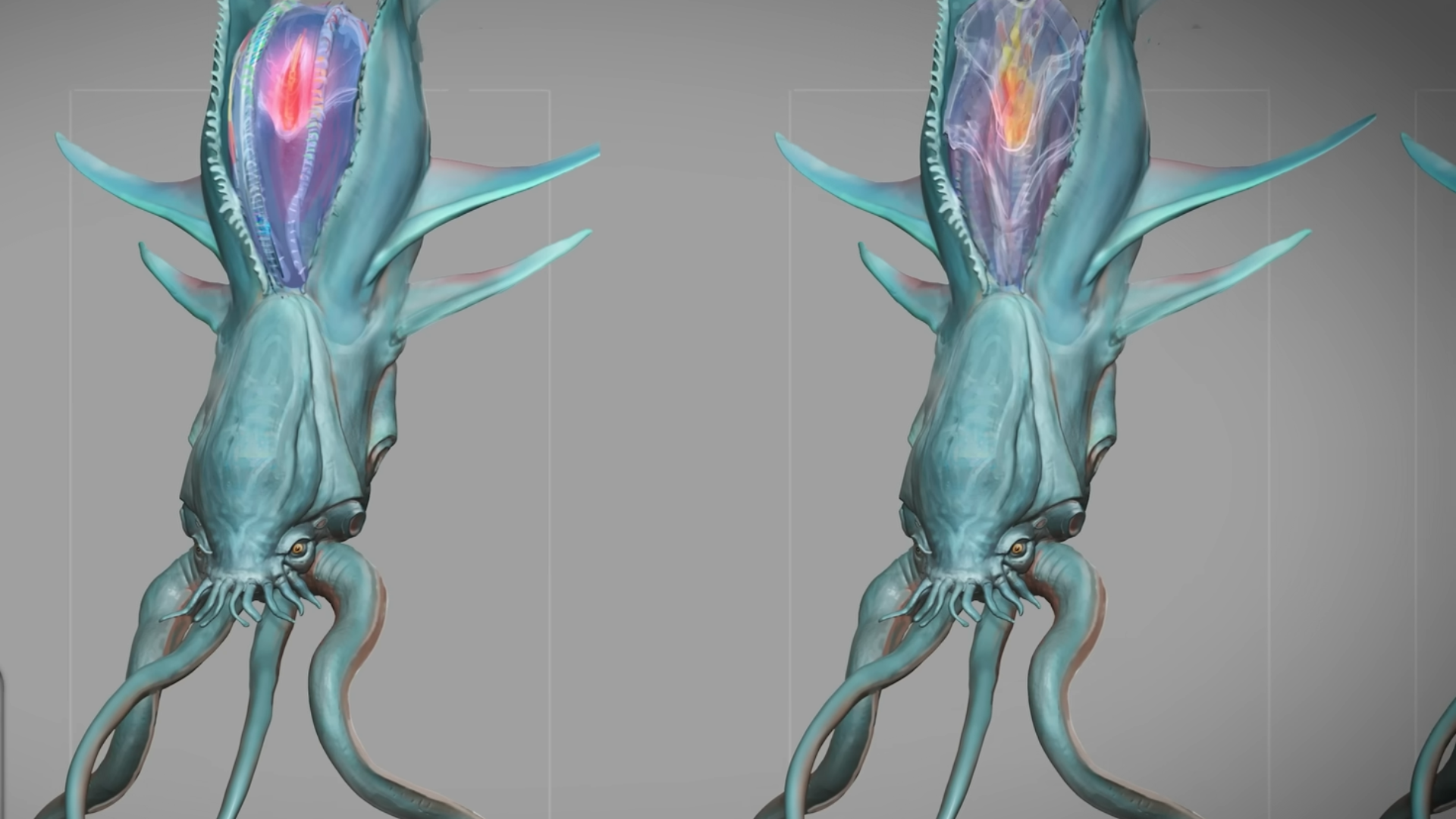
The Collector Leviathan is the most detailed public example of the AI system. Its internal design brief describes it as "intelligent but easily irritable" with "a strong dislike for players, tadpoles, tridents, and anything it does not recognize." Muñoz Gallego stated: "The Collector Leviathan is not just a monster that blindly attacks players. It is an intelligent and highly threatening deep-sea lifeform that actively reacts to player behaviour and pursues them."
The Collector's four tentacles use UE5's Control Rig system for fully simulated physics. Senior Technical Animator Stefaan Sorensen engineered the tentacle movement to have realistic weight and fluid resistance rather than using canned animation. Combined with the behavior tree AI, the tentacles create chaotic, unpredictable interactions when the Collector grabs at players or vehicles.
Multiplayer synchronization
In co-op sessions, creature AI behavior must synchronize across all connected clients. When the Collector Leviathan reacts to one player's flare, all other players need to see the same creature doing the same thing at the same time. The Dev Vlog 5 team (including Lead Engineer Jon Bjarnason and Lead Gameplay Engineer Adrian Lopez-Mobilia) worked on ensuring creature physics and AI states remain consistent across the peer-to-peer network.
Design Philosophy
The AI system is inseparable from the no-weapons philosophy. Because players cannot kill creatures, the AI must create encounters that feel dangerous and tense through behavioral threat rather than damage output. Design Lead Anthony Gallegos stated: "We don't want you killing predators, straight up. Interact with them. Run from them." The stimulus-based AI enables this: creatures are scary because they are smart, reactive, and unpredictable, not because they have high hit points.
Development Team
Team Member | Role | Contribution |
|---|---|---|
Antonio Muñoz Gallego | AI Gameplay Lead Engineer | Designed the behavior tree and stimulus system architecture. |
Stefaan Sorensen | Senior Technical Animator | Engineered the Collector Leviathan's tentacle physics using UE5 Control Rig. |
Laura Nedal | VFX Artist | Created particle effects that convey gameplay mechanics visually (shockwaves, creature glow). |
Louis Karim | Game Designer | Contributed to creature encounter design. |
Visual Development Lead | Directed the creature's visual design including the split-body glow motif. |
October 2026 vehicle interaction
The October 6 Buddy System Hotfix 2 gives a concrete species-specific behavior change: Shiver Leviathans no longer interact with unpiloted vehicles. It also improves Leviathan grab attacks for Tadpoles. Neither note publishes the underlying AI implementation or establishes the same unpiloted-vehicle rule for every creature.