

Crafting and resource gathering form the backbone of the gameplay loop in Subnautica 2. Players explore the oceans of Proteus, gather raw materials, and use them to craft tools and equipment, vehicles, and base structures. Crafting is split into two activities at two different stations: fabrication of small items at the Fabricator, and processing of raw ore into ingots at the Processor. Progression is driven by scanning: scanning fragments unlocks the blueprints you can build.
Fabrication vs Processing
The two crafting stations do different jobs, and the wrong one cannot substitute for the other. This split is the core of how crafting works in the current build.
Station | Activity | What It Makes |
|---|---|---|
Fabrication | Small items and equipment. The Lifepod has a limited built-in Fabricator for the earliest crafting; a full Fabricator is a base module. | |
Processor | Processing | Ingots refined from raw ore, in bulk. Ingots cannot be made at a standard Fabricator; the Processor is required for them. |
In practice, raw ore is gathered in the field, refined into ingots at the Processor, and those ingots (along with smaller fabricated parts) feed the recipes for vehicles, tool upgrades, and advanced base modules.
Scan-to-Unlock Progression
Subnautica 2 uses a scan-to-unlock blueprint system. You do not start with every recipe; instead, you scan fragments, objects, and ruins found across the world, and each scan can unlock a blueprint that becomes craftable once you have the materials. This is the engine of progression: exploration leads to scans, scans unlock blueprints, blueprints plus gathered resources let you build better gear, and better gear lets you reach deeper, more dangerous areas with rarer materials. See Blueprints and Scanning for the full system.
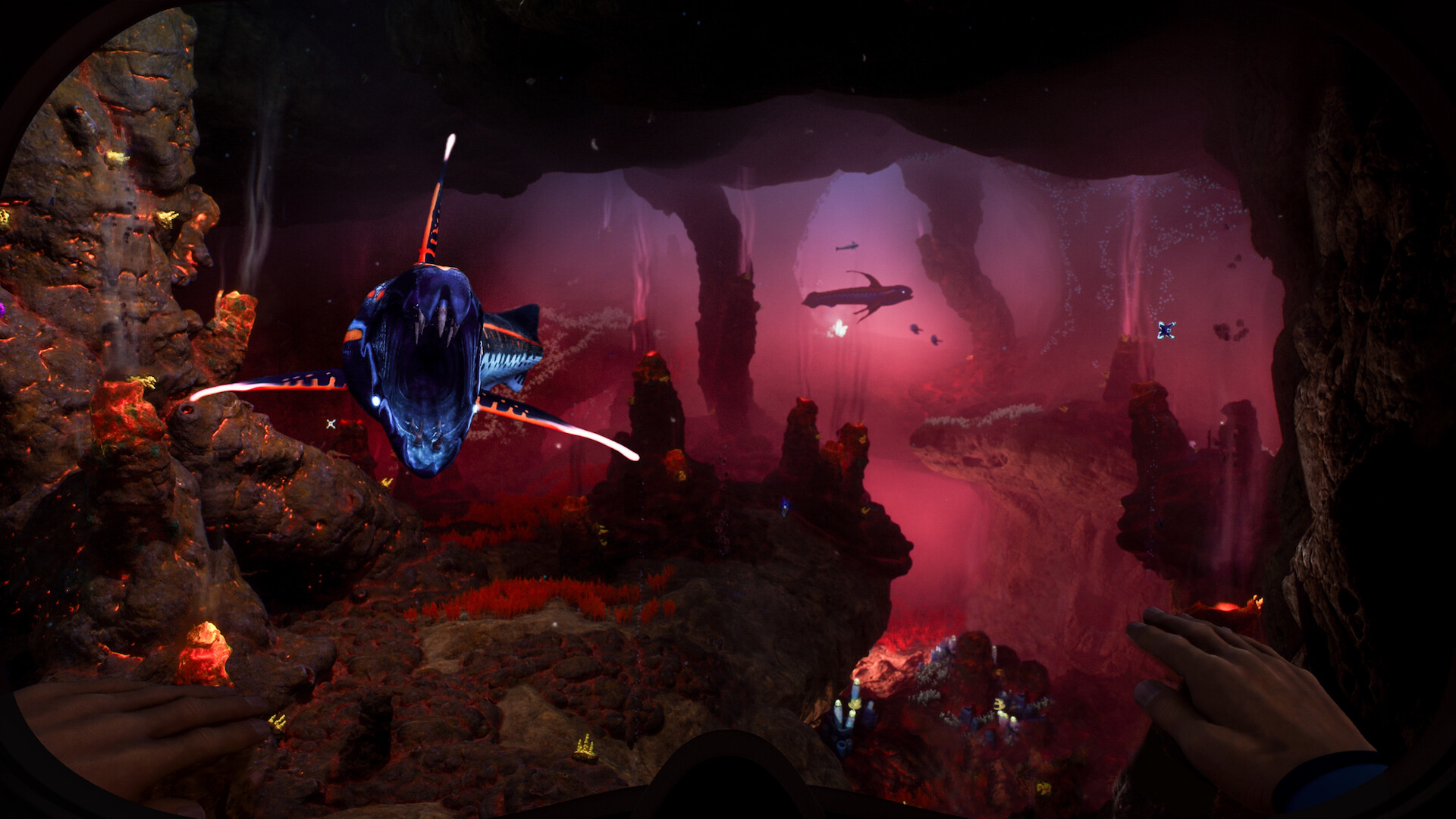
The Crafting Loop
The crafting and survival loop runs in five repeating stages:
Explore: Swim into new biomes, discover environments, and encounter alien creatures.
Discover: Scan objects, technology, and ruins with the Scanner to unlock new blueprints.
Craft: Fabricate small items at the Fabricator and refine ore into ingots at the Processor.
Build: Expand your base with new rooms, power, and modules to support deeper expeditions.
Survive: Manage oxygen, food, water, health, and genetic adaptations as you push into harsher territory.
Early crafting provides basic survival tools, while later crafting unlocks the means to reach deeper, more dangerous biomes with rarer resources. The progression is built so the first steps are accessible while mastering everything takes many hours.
Dual Progression Paths
Two parallel progression systems run alongside each other, one technological and one biological:
Path | Tool | How It Works |
|---|---|---|
Technology | Scan objects, ruins, and fragments to unlock crafting blueprints, then build better tools, vehicles, and base modules. The classic crafting loop. | |
Biology | Earlier development descriptions presented genetic sampling and player evolution as a new system unique to Subnautica 2. In the documented current progression, Angel Comb bulbs grant permanent Adaptations, while Bioscanner creature research supports BioMods equipped at Bio Labs. |
The Scanner feeds the crafting system: scan fragments to unlock recipes, gather materials and craft items. Angel Combs grant permanent Adaptations, while Bio Labs and creature research with the Bioscanner support reversible BioMods. The Biosampler was also introduced as a DNA-sampling tool in early development material. These paths reward exploration and lead players into new biomes, but they use different progression mechanics.
Resources
Raw materials are gathered from the environment, mostly as distinct nodes on the seafloor and in caves. Exact recipe quantities for finished items are not detailed here, but the common raw resources include the following. Specifics such as precise spawn locations should be treated as general guidance rather than exhaustive:
Resource | Where It Is Found (general) |
|---|---|
Titanium | Surface rocks; one of the most common early materials. |
Copper | Cave walls and large deposits; larger deposits need the Sonic Resonator. |
Silver | Deeper caves. |
Quartz / Glass | Raw quartz, refined toward glass. |
Lead | Used for shielding and heavier components. |
Salt | A basic consumable and crafting material. |
Organic materials | Harvested from flora and fauna across the biomes. |
Crafted intermediates | Smaller fabricated parts such as wiring kits and basic batteries. |
Resource-Specific Nodes
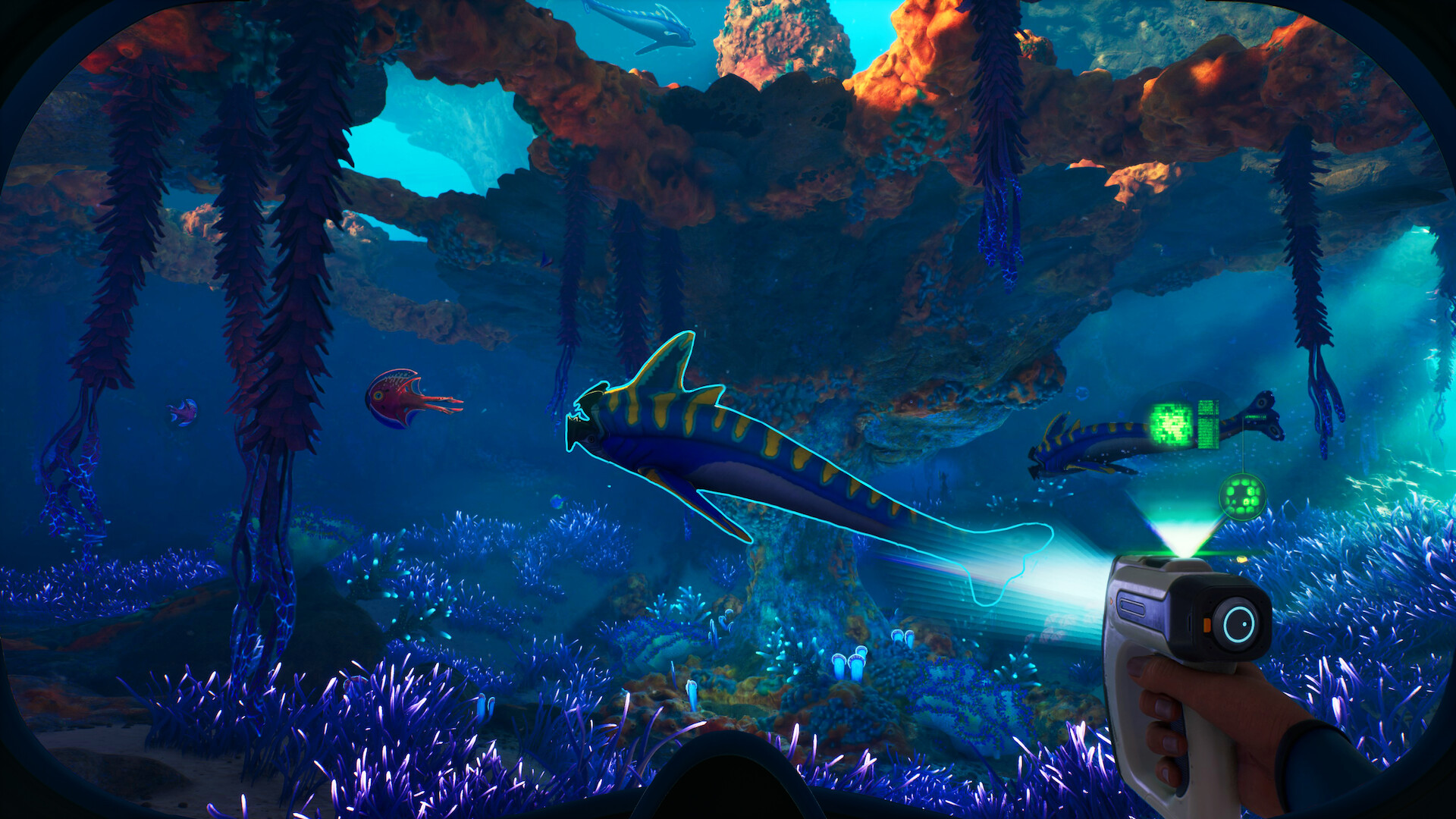
Subnautica 2 uses resource-specific gathering nodes. Each type of raw material has its own distinct node, which can be identified visually before collection, and each node yields a specific, known resource when gathered. This makes gathering deliberate and predictable: players can see what they need, locate it, and collect exactly that material, rather than breaking generic outcrops and hoping for the right drop.
Decimal Inventory System
Resources are tracked as fractional, decimal quantities rather than whole-number stacks. Instead of holding a round count like three Titanium, the inventory can show a partial amount such as a fraction of a unit. The practical effect is that partially gathering from a node still yields usable material rather than forcing a complete unit, and recipes are measured against these continuous quantities. How this interacts with storage containers and resource sharing between co-op players is not fully detailed.
Scanner Radar
The Scanner carries an integrated radar hologram that projects above the device and helps players locate scannable objects, nodes, and creatures across Proteus's large map. Combined with the resource-specific node system, the radar lets players identify what they need and find where it is without wandering blindly.
Processing Ore Into Ingots
The Processor is the crafting station that refines raw ore into ingots and higher-tier materials in bulk. It takes several units of a metal and returns an ingot after a delay, and it handles the game's main metal ingots as well as refined materials used for power components. It draws power while it works, so a small amount of base power generation may not be enough to keep it running continuously. Its fragments are found in wrecks, and the ingots it produces feed the recipes for vehicles, tool upgrades, and advanced modules. Exact input ratios, output rates, and power draw are not detailed here and should be confirmed in the build.
Renewable and Finite Resources
Most resource nodes on Proteus regrow over time, but a few key ores do not return once gathered in the current build. Because some of those finite ores feed essential recipes, a player who consumes all of a finite material before securing a renewable supply can be left unable to craft items that depend on it.
There is a renewable-metal solution: a base structure that, when placed underwater and connected to power, converts a unit of an ore into more over time, effectively making metals renewable. The catch is that building it can itself require some of the same scarce materials, so the safe play is to build it early, while finite ore is still available, and let it supply the rest of the run. Exact recipe quantities for these items are not detailed here.
Vehicle and Equipment Crafting
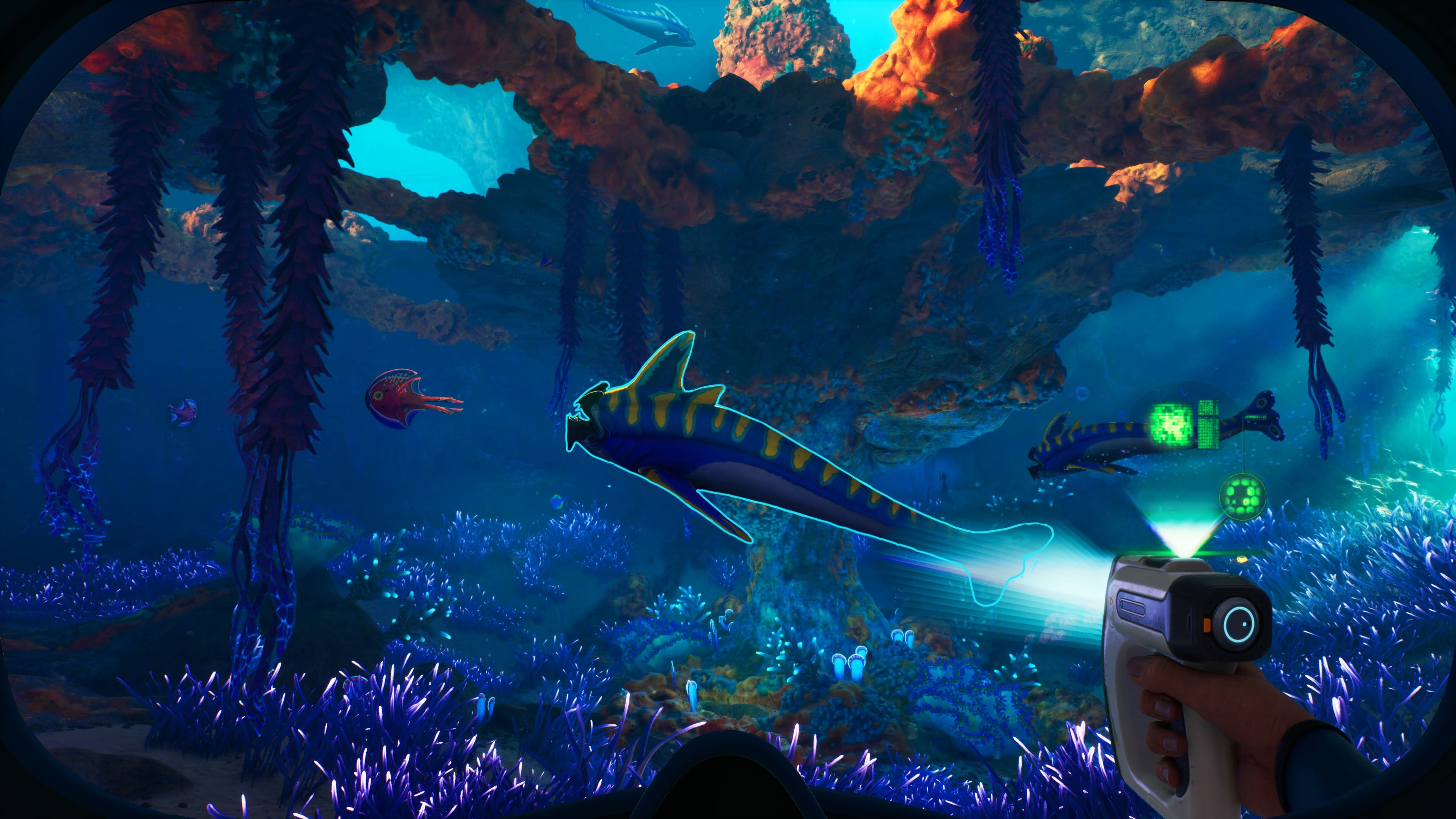
Vehicles and equipment are crafted items with specific material requirements. The Tadpole is the only buildable vehicle in the current build; it is a modular submersible with swappable chassis, built at a Vehicle Fabricator from 2 Titanium Ingots, 1 Glass, 1 System Chip and 1 Power Cell, with the Haul Chassis costing 4 Titanium Ingots, 3 Strontium, 3 Enameled Glass and 1 Dedicated Core. The Trident, a larger multi-crew submarine, is cut from the launch build but planned for a future Early Access update.
Documented Recipes
The recipes below are documented on their own pages. They are launch-build figures, and no patch note from Hotfix 1 through Buddy System Hotfix 1 (September 2026) has altered any of them.
Item | Materials | Station |
|---|---|---|
Silver x1, Wiring Kit x1, Grease x1, Basic Battery x1 | Base Fabricator | |
Titanium Ingot x2, Glass x1, System Chip x1, Power Cell x1 | Vehicle Fabricator | |
Tadpole Haul Chassis | Titanium Ingot x4, Strontium x3, Enameled Glass x3, Dedicated Core x1 | Vehicle Fabricator |
Titanium x4, Copper x2, Quartz x2 | Base build menu | |
Titanium Ingot x2, Lead x2, Wiring Kit x1, Basic Battery x1 | Fabricator | |
Wiring Kit | Silver x1, Copper Wire x1 | Fabricator |
Basic Battery | Copper x2, Acidic Raion Pouch x1 | Fabricator |
Grease | Lucifer Rotsac x1 | Fabricator |
Co-Op Crafting
In multiplayer sessions of up to four players, crafting becomes collaborative:
Feature | Description |
|---|---|
Shared blueprints | Blueprints are tied to the save file, so a blueprint discovered by any player becomes available to the whole team. Groups can split exploration to unlock recipes faster. |
Shared bases and storage | Bases are communal with no locking; all players can use storage and crafting stations in a session. |
Divided gathering | Players split up to gather different materials at once, then pool resources at the base for building. |
Shared power | Base power is pooled, and life support must stay active for everyone in the session. |
What Remains Unknown
As of September 2026, the following crafting details are still not enumerated in the first-party patch notes:
A complete recipe list and a complete material list; only the recipes documented on individual pages are confirmed
Exact ingot input ratios, output rates, and Processor power draw
How the decimal inventory interacts with storage containers
The full progression tree from starting tools to endgame equipment
How biome-specific resources are distributed across Proteus's zones
October interface correction
Buddy System Hotfix 2 on October 6, 2026 fixes recipe boxes continuing to loop after interaction. The update also improves Scanner Station resource accuracy; this is a scanning correction, rather than a published change to ingredient quantities or resource distribution.