
The dynamic weather system is a new feature in Subnautica 2 that changes ocean conditions in real time, affecting currents, visibility, and creature behavior. It was previewed in Dev Vlog 1 (April 23, 2025), hosted by Design Lead Anthony Gallegos. This is the first dynamic weather system in the mainline series.
How it Works
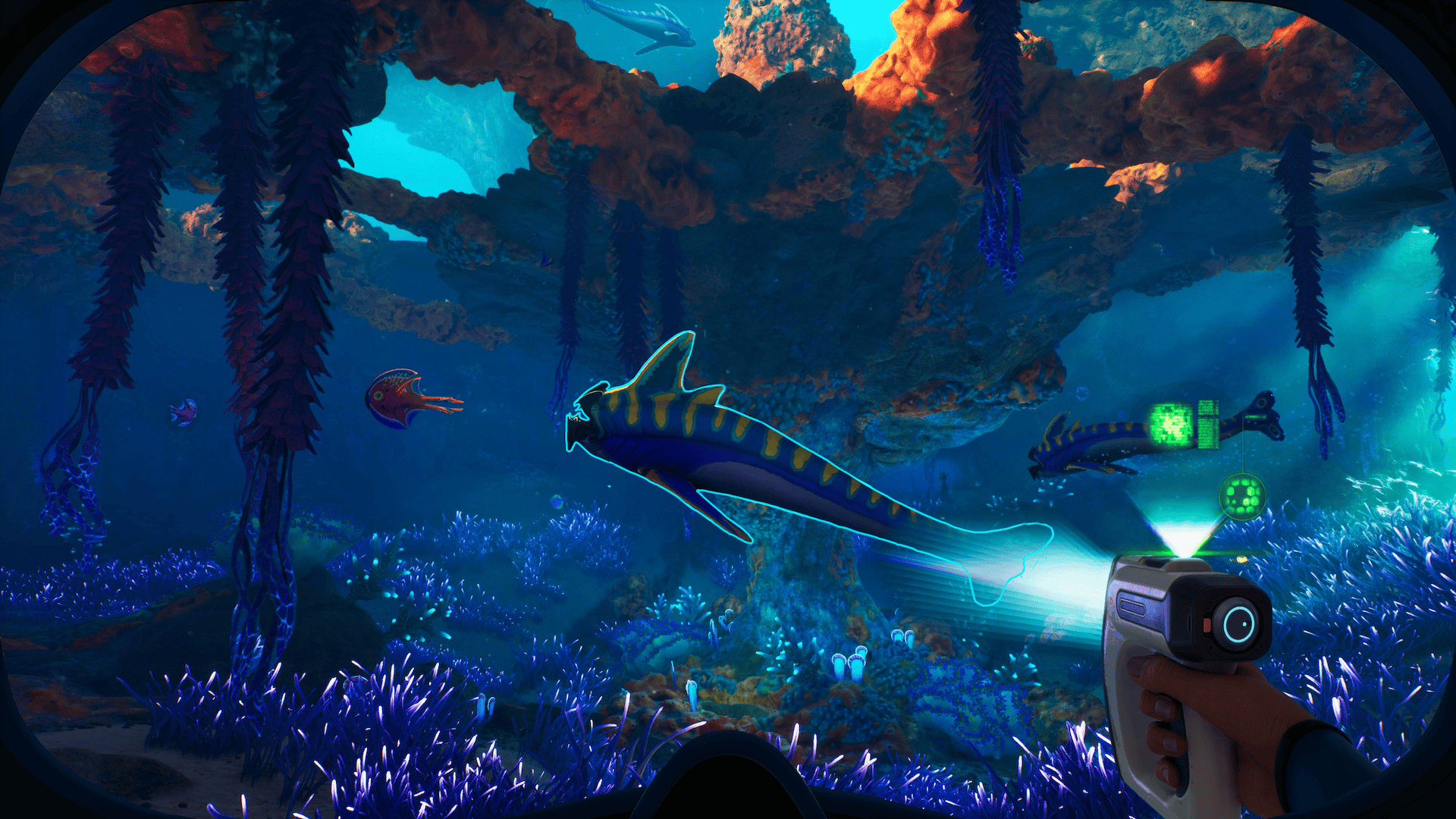
The dynamic weather system operates across Proteus's ocean environment, creating changing conditions that make every expedition feel different. Players can be "swimming through a calm sea one minute, then getting caught in a storm the next." The system is designed to make "every trip feel unpredictable," adding a layer of environmental challenge on top of the creature threats and resource management that define the survival loop.
Confirmed Effects
Dev Vlog 1 confirmed three categories of gameplay impact:
Effect | Description |
|---|---|
Ocean currents | Weather changes alter the flow of water through biomes. Currents can push or pull the player and their vehicles, affecting navigation and energy expenditure during exploration. |
Visibility | Weather conditions change underwater visibility. Clear conditions allow long sightlines, while storms or turbulence reduce visibility, making it harder to spot creatures, resources, and terrain features. |
Creature behavior | Weather affects how creatures behave. Different conditions may make fauna more active, aggressive, or withdrawn, changing the threat landscape of a biome depending on when the player visits. |
Gameplay Implications
The weather system adds a time-dependent dimension to exploration. With dynamic weather, the same biome can present different challenges at different times. A resource run that was straightforward in calm conditions might become treacherous during a storm, forcing players to adapt their approach or wait for conditions to change.
For multiplayer sessions, weather adds a shared environmental variable that all players experience simultaneously. A sudden visibility drop could separate a group, and changing currents could affect the Dive Elevator's descent path. Weather also interacts with the Collector Leviathan's AI, which reacts to environmental stimuli including light and sound; storm conditions that change ambient light and noise levels may alter the creature's behavior patterns.
Unreal Engine 5
The dynamic weather system is part of the broader visual and simulation upgrades enabled by Subnautica 2's move to Unreal Engine 5. The engine's capabilities support real-time environmental changes including water turbidity, light refraction through the ocean surface, dynamic lighting, and physics-based particle effects. Dev Vlog 4 separately demonstrated how UE5 renders water physics on the Tadpole submersible, with light playing across the vehicle's manta ray panels differently depending on depth and surface conditions.
What Remains Unknown
As of September 2026, no first-party patch note or roadmap post since launch has disclosed the following weather system details:
Specific weather types beyond general "calm" and "storm" states
Whether weather affects day/night cycles or overall lighting conditions
Whether weather is random, cyclical, or tied to story progression
How surface weather on Proteus (described as "harsh, desert-like") connects to underwater conditions
Whether weather affects base building or base power generation
Exact mechanical effects on swimming speed, oxygen consumption, or vehicle handling