
Loading...
Loading...
Crafting and Base Building
August 26, 2026 at 09:39 AM
Rewrote guild bases as planned 2027 work rather than a live feature, added five-second gear crafting and instant station upgrades, and added the Charged Cell fuel
Every player in Soulbound: Online gets their own base, and it is where your lasting, meta progression lives. While relics reset each dungeon run, your base is the permanent foundation you build between runs. Your home base sits at Virelda.
Inside your base you construct and upgrade crafting stations. Upgrading them unlocks better tiers of gear, stronger potions, and better meals, each of which can tip a dungeon run in your favor.
Build | Unlocks |
|---|---|
Higher gear tiers as you upgrade them | |
Potion brewing | Consumables that swing dungeon runs in your favor |
Cooking | Meals that restore stamina via life skills |
Forging | Weapons and gear built from gathered materials |
Post-launch tuning made that loop much faster. Crafting a weapon or a piece of armor now takes five seconds at any tier, and station upgrades have no timer at all, so upgrading a bench is a question of materials rather than scheduling. Ore smelting is the exception and still runs on its own per-tier times.
Bases are also personal spaces. You can decorate every room with furniture and trophies using a full room-layout editor, so your base reflects your character as much as it powers them.
Guild bases are on the studio's published plan rather than in the build. The plan is to let you turn your apartment into a shared guild base that you and your guildmates build up together, with a physical location out in the world, and it sits on the roadmap for the first quarter of 2027. Guilds themselves have not shipped either, so for now base building is a solo activity you can open up to friends through apartment permissions. The look of your gear is handled separately, as explained on Gear and Cosmetics.
Crafting in Soulbound runs through stations you build inside your base. The Early Access build centres on a compact canonical set: a generator, a smelter, a crafting bench, a chemistry lab, a kitchen, a weapon station, a gearforge, a power core station and a cosmetic station. Each has its own multi-level upgrade path. Upgrading a station unlocks new recipes and higher-tier materials, adds crafting slots so you can run several crafts at once, and opens slots for add-on modules that boost the station further. A wider roster of around twenty-eight station types was described before launch and remains a longer-term target. The full list and what each station does is on the Crafting Stations page.
Stations need power. A generator burns fuel such as coal, wood or oil and outputs power shared across every station. If your stations draw more than the generator produces, some have to switch off, so upgrading the generator is an early priority. The smelter alone climbs from 15W at level 1 to 55W at level 5, and every other production station adds its own draw on top, so the grid stays a real constraint well past the opening hours.
Two post-launch changes loosened it. Generators now produce twice as much power at every tier, and a high-tier fuel called the Charged Cell produces three times as much power as coal. Charged Cells come out of Tier 4 to Tier 6 hacking nodes, so keeping a generator on the better fuel is one more reason to level hacking.
Crafting continues while you are logged off. The intended rhythm is to come back from a dungeon run, drop your gathered materials into your stations, queue your crafts, and log off; the work finishes in the background. The studio has also outlined roadmap features such as letting other players pay to use your stations for income, and delegating base management to a friend.
The studio has leaned into how players actually use their bases. It found that many were switching on several stations at once and treating their homes as factories, and rather than discourage that it raised generator output so the pattern holds up. The stated intent is that you can leave your generators and furnaces running and come back to more materials. Homes as factories is a supported way to play rather than a workaround.
Station counts and power values come from the studio's dev updates and the live build, and may change during Early Access.
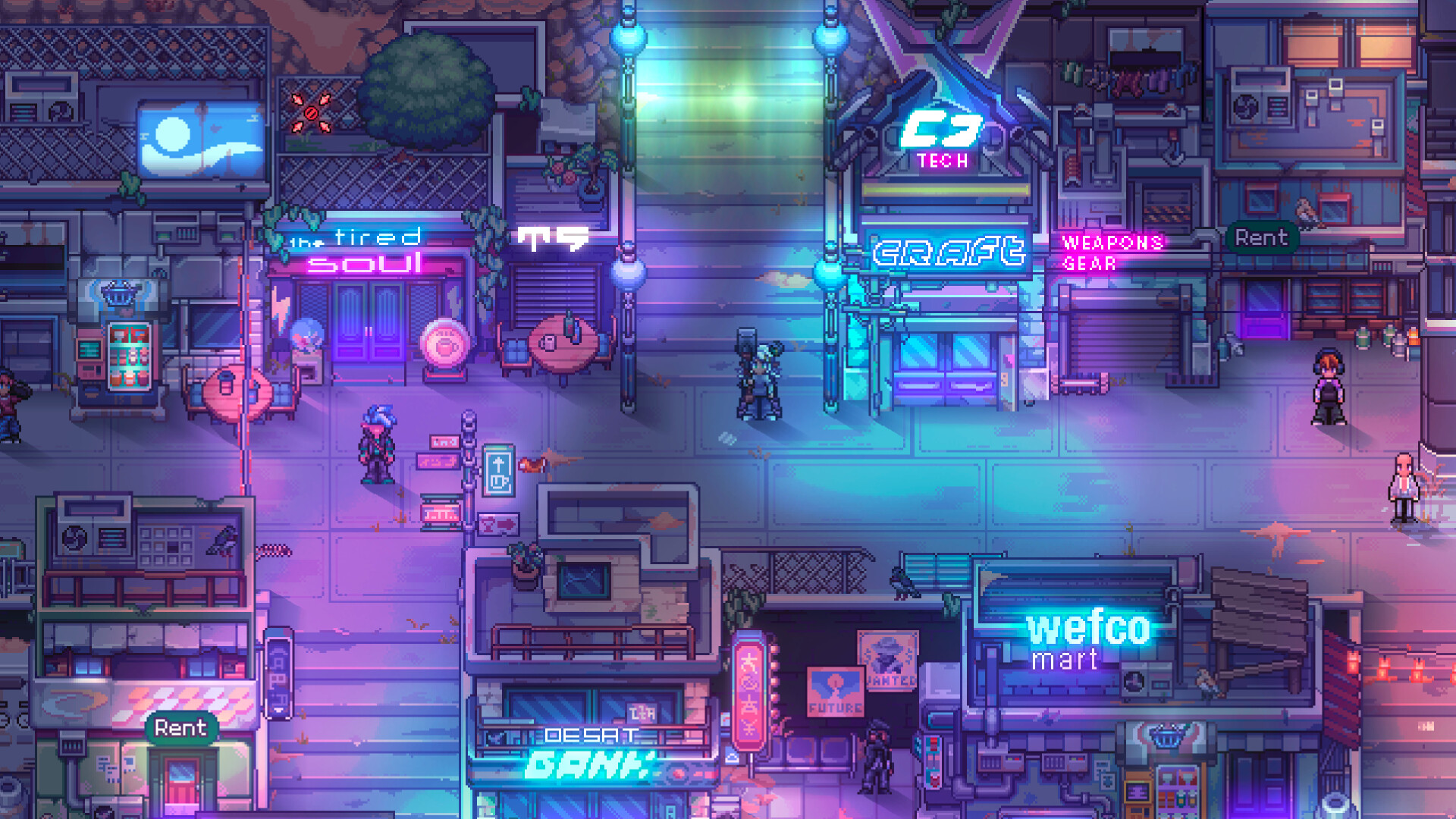
Your home is an apartment you rent, and rentable locations are scattered across Virelda, Arcadia, Neo-Tilus and Farpoint rather than concentrated in one town. Farming plots work the same way: they are separate rentable spots in the world, so where you set up decides how far your crafting materials have to travel. A larger apartment builder with furniture that grants stat bonuses and stations that gain complementary furniture is on the studio's plan for later in Early Access.
