Loading...
Loading...
Team Building Guide
April 4, 2026 at 04:12 AM
Add Gematsu press screenshots
Team building in Neverness to Everness revolves around the Esper Cycle system and elemental reactions. Each party consists of four characters who swap in and out of combat, chaining normal attacks, skills, and ultimates. The key to building a strong team is selecting characters whose elements, roles, and Esper Cycle Passives complement each other.
Unlike many action RPGs where teams are built purely around damage output, NTE's reaction system means that element coverage and passive synergies matter just as much as raw stats. A well-built team triggers reactions consistently, buffs allies through off-field passives, and has the survivability to sustain extended fights.
The six elements (Cosmos, Anima, Incantation, Chaos, Psyche, Lakshana) form a ring where only adjacent pairs trigger duo reactions. When selecting your four characters, prioritize covering at least two adjacent element pairs. Three adjacent elements unlock a trio reaction, which is the most powerful combination available.
Avoid spreading elements across non-adjacent positions on the ring. Having one Cosmos character and one Chaos character, for example, produces no elemental reactions because Cosmos and Chaos are not adjacent.
Every character's Esper Cycle Passive stays active even while off-field. This is the single most important team-building consideration. A character you never swap to can still dramatically boost your team's damage through their passive alone. When evaluating a character for your team, check their passive first.
While NTE does not use a formal role classification system, characters naturally fall into distinct roles based on their skill kits. A balanced team typically includes at least one character focused on dealing damage and one character providing utility (healing, shielding, crowd control, or damage amplification).
The most effective way to think about team building in NTE is through the concept of lanes. A lane is a group of two or three adjacent elements on the Esper Cycle wheel that naturally chain into each other. Rather than picking four individually strong characters, you want to build along a lane first and then use the remaining slot to address whatever that lane is missing.
The six elements form a wheel in this order: Cosmos, Anima, Incantation, Chaos, Psyche, Lakshana, and back to Cosmos. Only adjacent pairs on this wheel can trigger Duo reactions. Three adjacent elements can trigger the more powerful Trio reactions. Elements on opposite sides of the wheel, such as Cosmos and Chaos, produce no reactions when paired together.
When building a team, pick your lane first. For example, choosing the Incantation/Chaos/Psyche lane gives you access to two Duo reactions (Scorch and Nova) and one Trio reaction (Discord). Your fourth character slot is then free to solve a problem: add a healer if you need sustain, a second DPS if the content is a damage check, or a shielder if you keep dying to specific attacks.
NTE's element wheel creates two primary trio lanes, each with a distinct playstyle:
Lane | Elements | Duo Reactions | Trio Reaction | Playstyle |
|---|---|---|---|---|
Charge Lane | Cosmos + Anima + Lakshana | Charge | Sustained damage through rapid ultimate cycling. Blossom spawns an autonomous projectile, Remora slows the target, and when the projectile hits a Remora-marked target, Charge activates and generates ultimate energy with each hit. Best for long fights where ultimate uptime matters. | |
Discord Lane | Incantation + Chaos + Psyche | Discord | Boss breaking through stagger bar depletion. Apply Scorch first (15-second burn), then trigger Nova within that window. When both overlap, Discord activates and chips away a percentage of the enemy's break meter. The premier choice for boss encounters with large stagger bars. |
You do not always need a full trio lane. Some of the strongest teams run two separate Duo reaction pairs instead, layering different effects for flexibility. For instance, pairing a Cosmos/Anima core (Blossom) with a Psyche/Lakshana flex (Stain) gives you both autonomous damage and a 50% vulnerability debuff.
Understanding what each reaction does is essential for making informed team building decisions. The table below lists every elemental reaction in the game, its trigger elements, and its combat effect.
Reaction | Elements | Effect | Best For |
|---|---|---|---|
Blossom | Cosmos + Anima | Spawns an autonomous peashooter that attacks the target, dealing area damage over several seconds. Low maintenance and fires automatically. | Passive pressure, activating Charge trio |
Hexed | Anima + Incantation | Triggers extra Unison damage based on the total elemental damage the target has taken recently. The more reactions you stack, the harder Hexed hits. | Reaction-heavy rotations with multiple element types |
Scorch | Incantation + Chaos | Inflicts a burn that deals damage over time for 15 seconds. The long duration makes it easy to overlap with other reactions. | Sustained DoT, enabling Discord trio |
Nova | Chaos + Psyche | Marks the target with a delayed detonation. After 5 seconds, the mark explodes for a large burst of Cognito damage. | Burst windows, enabling Discord trio |
Stain | Psyche + Lakshana | Debuffs the target so it takes 50% more Psyche and Lakshana damage for 12 seconds. A massive vulnerability window for burst damage. | Burst DPS with Psyche/Lakshana attackers |
Remora | Lakshana + Cosmos | Marks the target, slowing its movement speed and attack speed. Provides crowd control and makes enemies easier to combo. | Control-focused teams, activating Charge trio |
Reaction | Prerequisite | Effect |
|---|---|---|
Charge | Blossom projectile hits a Remora-marked target | Grants the active character ultimate energy with each hit from the Blossom projectile. This accelerates ultimate cycling dramatically, letting your team use ultimates far more frequently than normal. |
Discord | Nova and Scorch are both active on the same target | Reduces a percentage of the enemy's break meter. Stacks with normal break damage, making it the fastest way to stagger tough bosses. Apply Scorch first (15s duration), then trigger Nova within that window. |
With four character slots and six elements, you cannot cover everything. The goal is not to bring every element; instead, focus on covering a lane of two or three adjacent elements and then use the fourth slot strategically. Here is how to think about coverage:
Pick your trio lane. Choose either the Charge lane (Cosmos/Anima/Lakshana) or the Discord lane (Incantation/Chaos/Psyche) as your foundation. This gives you two Duo reactions and one Trio reaction from three characters.
Evaluate what the lane lacks. Charge lanes tend to have strong sustained damage and energy generation but may lack break power. Discord lanes break bosses quickly but may struggle with sustained healing or crowd control.
Fill the gap with the fourth slot. Use the remaining slot for a character whose element may not react with your lane but whose kit solves a specific problem. A healer, a shielder, or an additional DPS can each be correct depending on the content.
Consider off-field passives. Even if the fourth character's element does not create reactions with your lane, their Esper Cycle Passive still applies. A character like Fadia provides damage redirection from her passive regardless of whether Psyche reacts with your other elements.
The fourth slot is the most flexible position on any team and should change based on the content you are facing. Think of it as a tool slot rather than a fixed roster position.
Content Type | Recommended 4th Slot | Example Characters |
|---|---|---|
Story stages and general exploration | Second DPS or sub-DPS for faster clears | |
Boss fights with heavy incoming damage | Healer or shielder for survivability | |
Bosses with large break meters | Break specialist to supplement Discord | Daffodil (Chaos, top breaker) |
Timed challenges and DPS checks | Buffer or damage amplifier | |
Co-op content | Utility or healer for team support |
Do not lock yourself into a permanent fourth slot. Swapping one character between fights is the easiest way to handle different challenges without rebuilding your entire team from scratch.
Based on skill analysis from publicly available character data, the roster can be grouped into the following functional roles. Note that the game itself does not formally label characters with roles.
Role | Description | |
|---|---|---|
Main DPS | Primary on-field damage dealer who stays active for extended combos | Nanally (S, Anima), Hathor (S, Lakshana), Baicang (S, Incantation) |
Support | Provides healing, buffs, or crowd control; effective from off-field | |
Tank / Redirector | Absorbs damage for the team or redirects incoming hits | Fadia (S, Psyche) |
Sub-DPS | Deals damage from off-field through persistent constructs or effects | |
Shield Support | Provides team shields and defensive buffs | Adler (A, Incantation) |
The following archetypes are built around the game's two trio reactions and most impactful duo reactions. Each archetype maximizes a specific combat strategy.
The Charge archetype focuses on triggering the Charge trio reaction to rapidly generate ultimate energy. This lets the team cycle through powerful ultimate abilities more frequently, resulting in higher overall damage in sustained encounters.
Charge teams trigger two duo reactions as stepping stones: Blossom (Cosmos + Anima) spawns a projectile, and Remora (Lakshana + Cosmos) slows the target. When the Blossom projectile strikes a Remora-affected target, Charge activates and generates ultimate energy with each hit.
Slot | Element | Recommended | Budget Alternative |
|---|---|---|---|
Cosmos | Cosmos | Hotori (S-Rank) | Edgar (A-Rank) |
Anima | Anima | Nanally (S-Rank) | Mint (A-Rank) |
Lakshana | Lakshana | Hathor (S-Rank) | |
Flex | Any | Second Cosmos or DPS | Healer or shield |
Key passive: Mint's Blossom Enhancement splits the projectile into 2, doubling Charge's energy generation. If you have Mint, she is almost always worth including in a Charge team even as a bench character for her passive alone.
The Discord archetype focuses on triggering the Discord trio reaction to deplete enemy break meters. This is the premier team type for boss encounters where staggering the enemy is the primary objective.
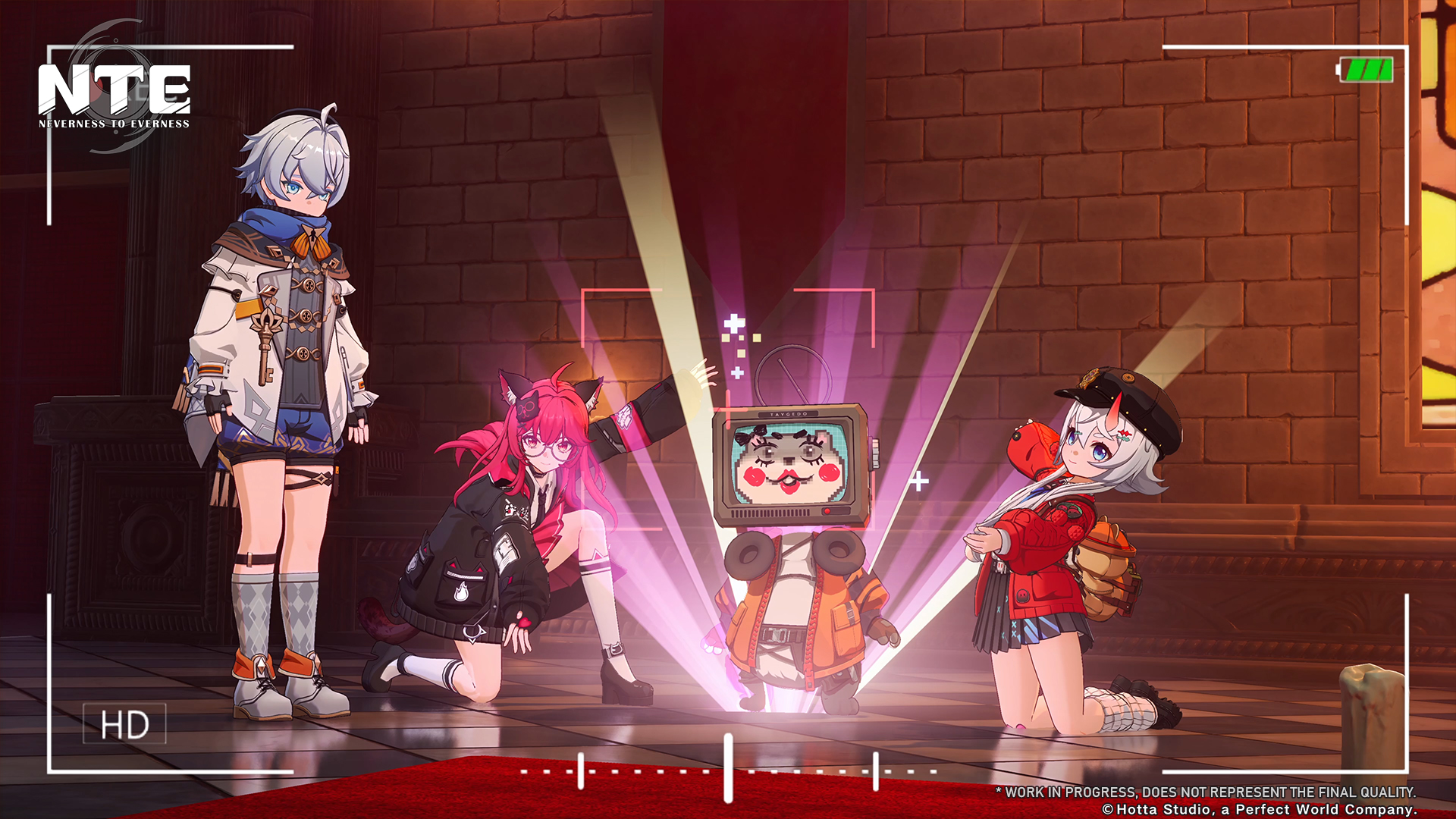
Discord requires both Scorch (Incantation + Chaos) and Nova (Chaos + Psyche) to be active on the target simultaneously. Apply Scorch first (15-second duration) then trigger Nova (5-second mark) within the Scorch window.
Slot | Element | Recommended | Budget Alternative |
|---|---|---|---|
Incantation | Incantation | Sakiri (S-Rank) | Adler (A-Rank) |
Chaos | Chaos | Lacrimosa (S-Rank) | Daffodil (S-Rank) |
Psyche | Psyche | Fadia (S-Rank) | Haniel (A-Rank) |
Flex | Any | Baicang (S-Rank, Incantation) | Healer or DPS |
Key passive: Lacrimosa's "Tomato Banquet" reduces the target's Break capacity by 10% per Discord trigger (stacks to 30% over 60 seconds). This makes each subsequent Discord more effective and is essential for breaking tough bosses.
The Stain Burst archetype revolves around applying the Stain debuff (Psyche + Lakshana), which increases the target's vulnerability to Psyche and Lakshana damage by 50% for 12 seconds. During this window, the team unloads burst damage from Psyche and Lakshana characters.
This is a straightforward but effective archetype. Apply Stain, then let your strongest Lakshana or Psyche DPS character attack during the 12-second window. Hathor is the ideal main DPS for this archetype due to her hyper-mobile Lakshana damage output.
Slot | Element | Recommended |
|---|---|---|
Psyche | Psyche | Fadia (S-Rank) |
Lakshana (DPS) | Lakshana | Hathor (S-Rank) |
Lakshana (Sub-DPS) | Lakshana | |
Flex | Any | Support or second element pair |
Key synergy: Skia's Fang Thrust reduces enemy Lakshana Resistance, stacking with Stain's 50% vulnerability bonus for exceptionally high Lakshana damage during the burst window.
The Scorch Sustained archetype leverages the 15-second Scorch DoT to deal consistent damage over time. This team works well against groups of enemies and in content where sustained, hands-off damage is more valuable than burst windows.
Adler's "Temperance" passive transfers Scorch from defeated enemies to nearby targets, allowing the burn to chain through entire waves. Sakiri's passive adds random debuffs when Scorch triggers, further weakening enemies.
The Remora Control archetype uses the Remora slow to control the pace of combat. Slowed enemies are easier to combo, dodge, and position against. This archetype trades raw damage for safety and consistency, making it well-suited for players who prefer a measured, controlled playstyle.
Remora teams naturally lead into the Charge trio reaction when a third element (Anima) is added, making the Remora Control archetype a stepping stone to a full Charge team.
The ETD-4 is a group of four characters (Baicang, Skia, Fadia, Lacrimosa) who have explicit team synergies built into their kits. Baicang's "Moderate Working" passive activates unique effects when paired with specific ETD-4 members:
Skia gains access to stealth abilities
Fadia triggers emergency heals
Lacrimosa's bat-form enables super jumps
The ETD-4 covers four elements (Incantation, Chaos, Psyche, Lakshana), enabling both the Scorch and Nova duo reactions plus the Discord trio reaction. This is a ready-made Discord team with built-in synergies.
Below are specific ready-to-use team compositions organized by strategy. Each lists the recommended characters and a budget alternative for players who do not have every S-Rank unit.
This is the most popular starting team for new players because it combines Nanally's strong on-field DPS with the Charge trio reaction for rapid ultimate cycling.
Slot | Element | Character | Role |
|---|---|---|---|
1 (Main DPS) | Anima | On-field damage dealer. Her passive triggers Anima damage whenever teammates deal Esper Cycle damage, keeping pressure constant. | |
2 (Cosmos) | Cosmos | Healer and Cosmos applicator. Triggers Blossom with Nanally and Remora with the Lakshana slot. | |
3 (Lakshana) | Lakshana | Sub-DPS and sustain. Completes the Charge trio and provides healing backup. | |
4 (Flex) | Any | Shield support for survivability. Can be swapped for a second Anima DPS in easier content. |
Budget alternative: Replace Hotori with Edgar (A-Rank Cosmos) and Hathor with Skia (A-Rank Lakshana). The trio reaction still triggers with the same elements regardless of character rarity.
Built around Daffodil's unmatched break damage, this team uses the Discord trio reaction to chew through boss stagger bars as fast as possible.
Slot | Element | Character | Role |
|---|---|---|---|
1 (Main DPS/Breaker) | Chaos | Primary break specialist and on-field DPS. Destroys boss stagger bars faster than any other character. | |
2 (Incantation) | Incantation | Applies Scorch (Incantation+Chaos DoT). Her passive adds random debuffs when Scorch triggers. | |
3 (Psyche) | Psyche | Tank and damage redirector. Triggers Nova (Chaos+Psyche) with Daffodil. Completes the Discord trio. | |
4 (Flex) | Incantation | Second Incantation for extra Scorch uptime and execute damage on low-health targets. |
Budget alternative: Replace Sakiri with Adler (A-Rank Incantation) and Fadia with Haniel (A-Rank Psyche). Adler's teamwide shield also helps survivability during boss fights.
This team applies the Stain debuff (Psyche+Lakshana) to increase vulnerability by 50%, then unloads burst damage during the 12-second window.
Slot | Element | Character | Role |
|---|---|---|---|
1 (Main DPS) | Lakshana | Hyper-mobile Lakshana DPS. Deals massive damage during the Stain vulnerability window. | |
2 (Psyche) | Psyche | Triggers Stain with Hathor. Also provides tank utility and damage redirection. | |
3 (Sub-DPS) | Lakshana | Off-field Lakshana damage. His Fang Thrust reduces enemy Lakshana Resistance, stacking with Stain's 50% vulnerability. | |
4 (Flex) | Cosmos | Healing support. Also triggers Remora (Lakshana+Cosmos) with Hathor for crowd control. |
The ETD-4 (Baicang, Skia, Fadia, Lacrimosa) is a group of four characters with explicit team synergies built into their kits. Baicang's "Moderate Working" passive activates unique effects when paired with each ETD-4 member: Skia gains stealth abilities, Fadia triggers emergency heals, and Lacrimosa's bat-form enables super jumps. This team covers Incantation, Lakshana, Psyche, and Chaos, enabling the Scorch and Nova Duo reactions plus the Discord Trio reaction out of the box.
Element | S-Rank Characters | A-Rank Characters |
|---|---|---|
Cosmos | ||
Anima | ||
Incantation | ||
Chaos | None confirmed | |
Psyche | ||
Lakshana |
Always check Esper Cycle Passives before finalizing your team. A character's off-field passive can be more impactful than their on-field performance.
Build toward a trio reaction if possible. Charge and Discord provide unique strategic advantages that duo reactions alone cannot replicate.
If you cannot build a trio reaction, aim for at least two different duo reactions. Having multiple reaction options keeps your combat versatile.
The fourth slot in any team is flexible. Use it for a healer (Hotori), a tank (Fadia), a shield support (Adler), or a second DPS depending on the content.
Consider the content you are facing. Charge teams excel in sustained fights where ultimate uptime matters. Discord teams excel against bosses with large break meters. Stain teams excel at burst damage windows.
A-Rank characters are viable alternatives when S-Rank characters are unavailable. Mint, Adler, Skia, Edgar, and Haniel all have useful kits and passives.
Experiment with element overlap. Some team compositions trigger multiple duo reactions naturally, providing layered benefits without needing a strict archetype.
The reaction system in NTE determines not just who you bring to a fight, but how you play during it. Each reaction fills a different tactical role, and knowing those roles helps you make better team building decisions.
Damage-over-time reactions (Scorch, Blossom) reward teams that maintain constant field presence. If you bring Scorch, you want to keep the burn refreshed with regular Incantation and Chaos applications. Blossom's autonomous projectile handles itself, making it ideal for players who prefer a simpler rotation.
Burst reactions (Nova, Stain) reward teams that can coordinate their damage into a tight window. Nova detonates after 5 seconds, so you need to be ready to follow up. Stain's 12-second vulnerability window is your cue to unload everything. Teams built around burst reactions tend to be more technical but deal higher peak damage.
Utility reactions (Remora, Charge) support the team indirectly. Remora's slow gives you breathing room to reposition and combo safely. Charge's energy generation lets you use ultimates more frequently, which is a form of damage increase that compounds over a long fight.
Break reactions (Discord) are specifically for boss encounters. If you know a fight has a large stagger bar, building toward Discord is usually the best strategy. Once the boss is broken, every character on the team can deal amplified damage during the stagger window.
When in doubt, build toward the reaction that solves the hardest problem in the content you are facing. If bosses are not dying fast enough, try Discord. If your team keeps running out of ultimates, try Charge. If you need more consistent damage without complex rotations, Blossom and Scorch handle that with minimal effort.
Neverness to Everness launches on April 29, 2026. All team building information in this guide is based on data from beta tests (Containment Test and Co-Ex Test). Character stats, abilities, and reaction mechanics may be adjusted before or after the official launch. This guide will be updated as the meta develops after release.