
Loading...
Loading...
Setting and World
June 13, 2026 at 11:53 AM
Added Confirmed Map Locations section: official in-game map markers (Lamud Castle, Hornacis Mountain Range, May Manor) and the Traveler's Obelisk teleport system
Lord of Mysteries is set in the Northern Continent of an alternate Earth-like world during the Fifth Epoch. The setting blends Victorian-era industrial-revolution aesthetics with Lovecraftian cosmic horror, occult ritual magic, and Chinese xuanhuan progression frames. The visual identity sits between Bloodborne's gas-lit gothic and a high-fidelity Victorian-London period piece, rendered in Unreal Engine 5 with steam, fog, brick, and gas-lamp light as its dominant atmospheric registers.
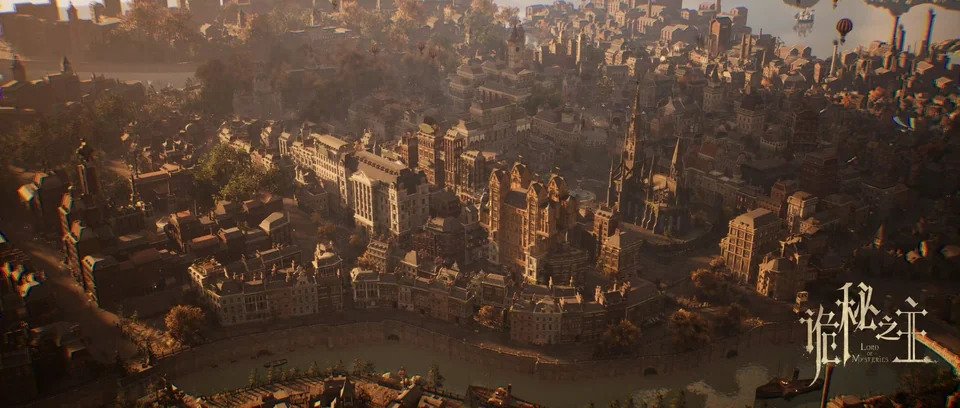
The Northern Continent is the campaign's primary geography. Major political bodies:
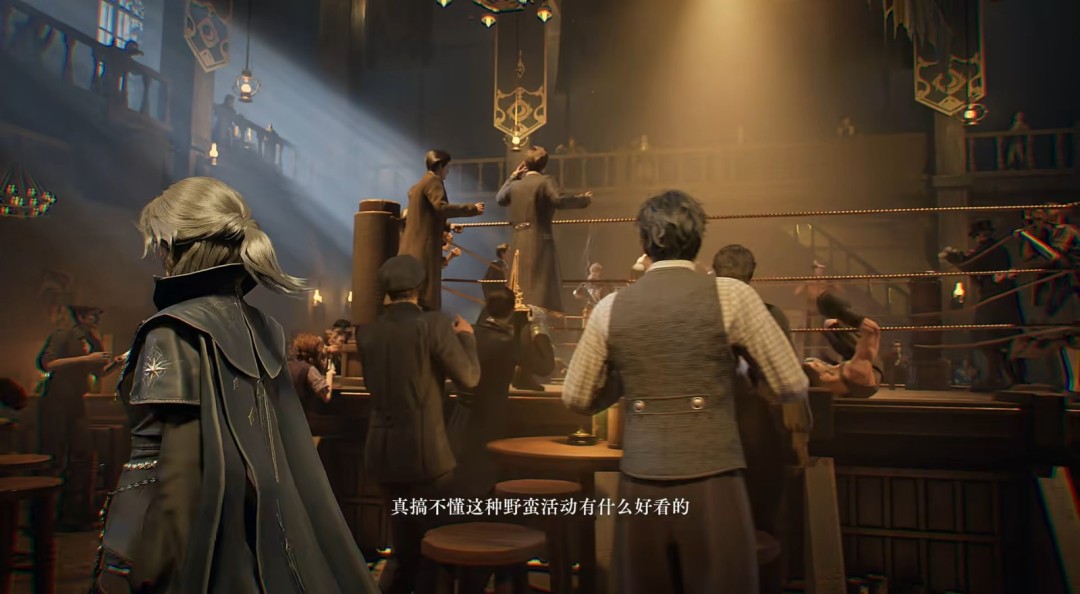
Kingdom of Loen: a constitutional monarchy occupying the largest landmass on the continent. The campaign's primary setting. Capital: Backlund. Major secondary city: Tingen. Industrial-revolution leader, dominant naval power.
Republic of Intis: a younger republican state on the continent. Founded after Roselle Gustav's revolution overthrew the Intis monarchy two centuries before the campaign. Industrial competitor to Loen.
Kingdom of Feneport: smaller maritime kingdom focused on shipping, trade, and colonial outposts.
Sunia Empire: continental power on the inland southern reaches. Deep religious tradition, military strength.
Other states: several smaller kingdoms, principalities, and trading cities scattered across the continent's coast and inland regions.
The game's official interactive map presents the explorable geography of the Loen world as a rotating set of named markers. Alongside Tingen and the Saint Selena Cathedral in Backlund, the map confirms three further locations: Lamud Castle, the Hornacis Mountain Range, and May Manor. These appear as in-game map markers; their deeper layouts and gameplay roles have not been fully detailed for the current test build.
Lamud Castle is a ruined hillside castle. In the source material it sits at the northwestern edge of Tingen, near the small settlement of Lamud Town, and once belonged to a feudal lord of the Fourth Epoch. The Hornacis Mountain Range is a high mountain region; in the source material it runs through the centre of the Northern Continent and forms part of the border between the Kingdom of Loen and the Republic of Intis, with its main peak rising several thousand metres. May Manor is an aristocratic country estate that the game uses as an instanced encounter, with the Viscountess as its boss and a corruption tied to the Red Moon.
Movement around the world is supported by the Traveler's Obelisk system: obelisk statues placed across the map act as teleport points the player can travel between. Within the fiction these statues are credited to the Beyonder Fors Wall.
The campaign opens in 1349 of the Fifth Epoch (the source material's primary date). Cultural and technological context:
Industrial: Steam engines, locomotives, gas lighting, telegraph networks, mass-produced firearms, and factory-scale industry are common in major cities.
Cultural: A wide-spread literacy class, mass-circulation newspapers, novels and serial fiction, theatres, opera houses, and an established middle-class consumer economy.
Political: Constitutional monarchy in Loen, republican government in Intis, traditional empire in Sunia. Active diplomatic and military rivalries.
Religious: The Seven Orthodox Churches dominate public worship; smaller sects, cults, and unorthodox traditions persist in pockets.
In the source material the mundane Northern Continent is overlaid with multiple supernatural strata, which the game draws on for its atmosphere:
Beyonder society: the Seven Orthodox Churches, the Nighthawks, the Mandated Punishers, the Machinery Hivemind, the Tarot Club, MI9, and various secret societies. Beyonders move through the world undetected by mundane civilians but visible to each other.
The Gray Fog: a higher dimension floating above the world. High-Sequence Beyonders can project consciousness into the Fog. The Sefirah Castle floats inside it.
The Spirit World: a parallel dimension where spiritual beings, ghosts, and Beyonder Monsters reside. Touched by mortals through specific Pathway abilities; some Sequence advancement rituals route through this layer.
The Outer World: the deepest cosmic horror layer, where Outer Gods and the source of Beyonder potions originate. Mostly off-screen in the campaign; surfaces in late-game story beats and cinematic Mr. Fool visions.
The setting's signature tone is restraint. Despite the cosmic horror premise, daily life in Tingen and Backlund feels grounded: people commute, work, eat in cafes, attend services. The supernatural breaks through at the edges (a Beyonder ritual in a back alley, an anomaly emerging from a basement, a Mr. Fool vision shimmering in a quiet park) but does not overwhelm the world.
This grounding makes the Beyonder loop emotionally readable. The player's character is a person before they are a Beyonder, and their Acting performance and sanity management are the mechanical expression of that personhood under occult pressure.
Two land regions are confirmed as explorable: Tingen and Backlund. Maritime adventures take place on the seas, including the Sonia Sea, which is tied to the World and Gehrman Sparrow arc; this maritime content is described as in active production.
Further regions are planned. The Forsaken Land of the Gods is currently described as in final adjustment, and, further out, the Western Continent is positioned as the homeland of the elves. These regions are described as plans rather than finalised content and may shift before they ship.
