
Loading...
Loading...
Key
March 27, 2026 at 11:22 AM
Fixed 2 broken wikilinks: exploration-traversal -> exploration-and-traversal, weapons-equipment -> weapons
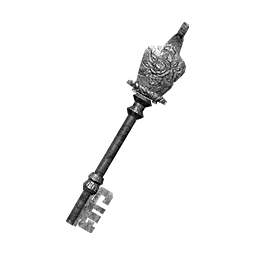
The Key is a Key Item in Crimson Desert used to open locked doors. Unlike many RPGs where specific keys match specific locks, most locked doors in Crimson Desert use a generic key system. Any Key in the player's inventory can open any standard locked door, and the Key is consumed upon use. It cannot be sold.
Property | Value |
|---|---|
Type | Key Item |
Sell Value | Cannot be sold |
Consumable | Yes (consumed on use) |
Stackable | Yes |
"A key to the door of a house. Unless the door is specially made, this key should be able to open it."
Keys can be acquired through several methods across Pywel:
Back Alley Shop: The Back Alley Shop in Hernand sells up to three Keys. To find it, head east out of Hernand, pass the model castle on the left, then take a left down the track to reach the vendor.
Looting enemies: Defeating bandits, goblins, and other enemies in the open world can yield Keys as loot drops. It is not a guaranteed drop, but regular combat encounters have a reasonable chance of producing one.
Stealing: Search small wooden boxes found in cabinets and drawers inside houses. Equip a Mask before attempting to steal. A Key can also be found in the Church of Hernand by turning right down the corridor and looking on top of a cabinet.
Exploration: Keys sometimes sit openly on tables, chests, or furniture throughout homes and buildings. Most residential spaces contain at least one Key if searched thoroughly.
Keys unlock standard locked doors found on houses and buildings throughout the game world. Behind locked doors, players can find valuable loot including crafting books that unlock new recipes, consumables, equipment, and other resources.
Any locked door the player walks into will automatically open if a Key is in the inventory, consuming the Key in the process. This means players can accidentally waste Keys on unimportant doors simply by walking too close. Exercise caution when exploring near locked doors, especially if your Key supply is limited.
Keys are entirely optional for game progression. If you lack Keys, you can bypass locked doors by climbing in through windows.
Small wooden boxes may contain a Key or may contain other items like Well-Aged Cheese. Searching multiple boxes will eventually yield Keys.
Named keys (such as Prison Key, Crane Control Room Key, and Engraved Key) are separate items tied to specific locks and quest objectives. The generic Key does not work on specially made doors.
Keys can be obtained through a variety of methods throughout Pywel:
Purchase from Back Alley Shops. The shop south of St. Halssius's House of Healing sells up to three Keys at a time.
Loot from defeated enemies. After combat, search fallen enemies for Keys.
Find in chests, barrels, and other containers during exploration.
Some quest rewards include Keys as part of the loot.
Crimson Desert uses a generic key system for most locked doors. Any Key in the inventory can open any standard locked door, regardless of where the key was found. The Key is consumed upon use. Named keys (such as the Crane Control Room Key or the Prison Key) are exceptions and only work on their specific locks.
Keys are worth collecting whenever possible, as many houses and buildings throughout Hernand and the wider world contain locked doors hiding valuable loot, collectibles, and quest-related items.
Keys cannot be sold.
There is no limit to how many Keys can be held at once.
Named quest keys are separate inventory items and follow different rules.
Picking locks is not an option in Crimson Desert; a Key is the only way to open standard locked doors.
