
Loading...
Combat
July 13, 2026 at 07:55 PM
Added confirmed single-difficulty design (no difficulty settings at launch) (2026-07-12)
Combat in Valor Mortis is a demanding, skill-based affair fought entirely from a first-person view. It draws on the Soulslike tradition, rewarding patience, precise timing, and a careful read of each enemy. Rather than overwhelming foes with sheer aggression, the system asks you to balance attack and defense while watching your resources, making every encounter a deliberate exchange.
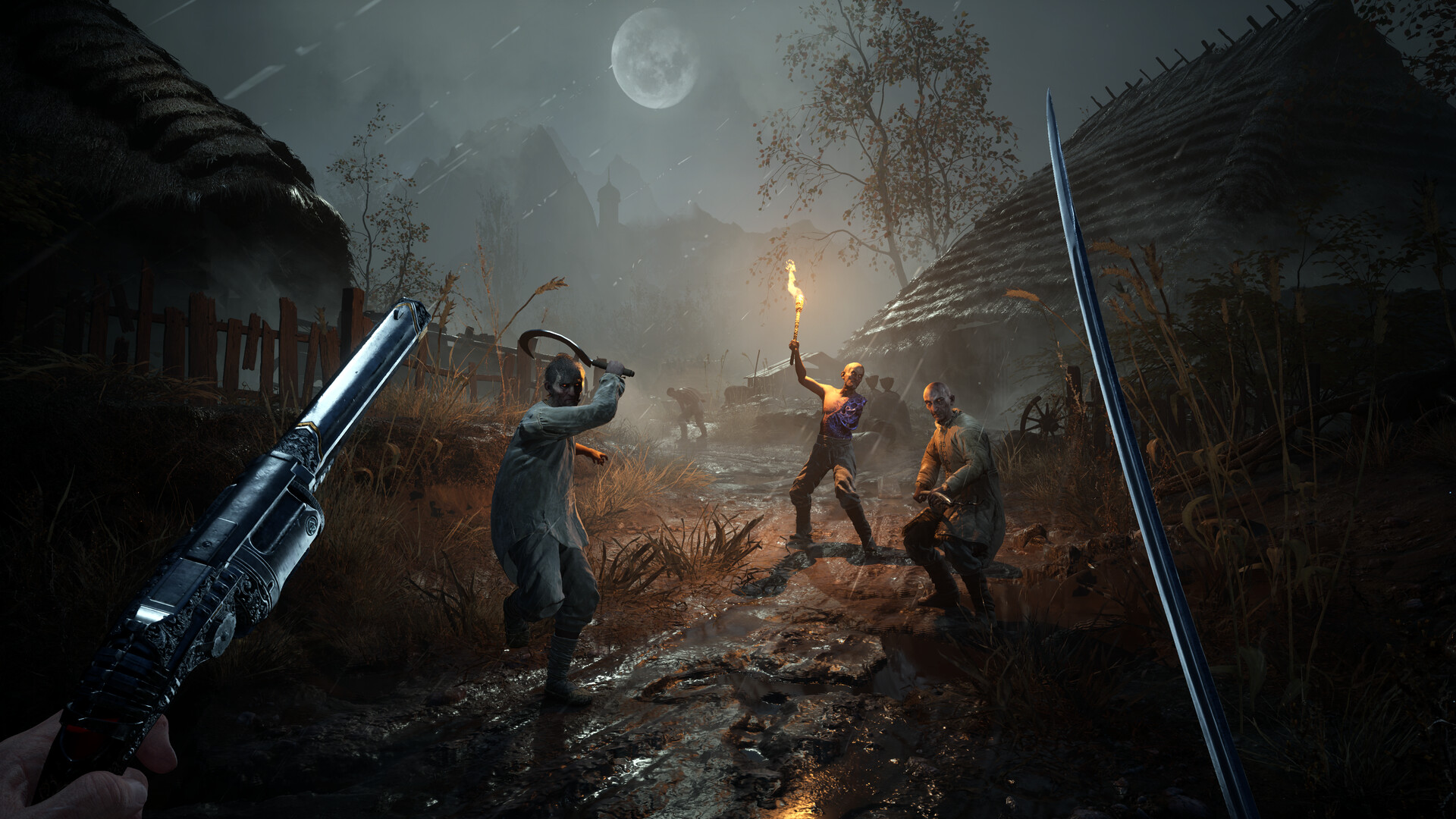
All fighting takes place up close and in first person, which gives the violence an immediate, visceral feel. Your melee strikes are the foundation of every encounter, and the various Weapons available shape how you approach a given fight. The first-person perspective places a premium on reading attacks as they come at you, since you do not have the wider view that a third-person camera would provide.
Staying alive depends on three defensive tools. Blocking lets you absorb incoming blows, while parrying rewards precise timing by deflecting an attack and opening the enemy up. The dash is stamina-gated and is used to reposition and create space; importantly it is not a dodge roll, so it behaves differently from the invulnerable rolls seen in some other games of the genre. Because the dash draws on the same stamina you need for other actions, spacing it correctly is part of the challenge.
Hands-on coverage of the demo describes a posture meter that drains as you successfully parry incoming attacks. Filling that meter opens an enemy up to a heavy punish, and against common soldiers a perfectly timed parry can end the exchange in a single follow-up slash. The system rewards reading and answering attacks rather than mashing through them, so the most efficient kills tend to come from defensive play rather than constant offense.
Offense is about more than landing hits. Targeting enemy weak points and building up stagger lets you break a foe's guard and set up a finisher, a heavier punish that ends an exchange decisively. Some weak points glow visibly on the enemy and can be shot with the off-hand pistol; others can be exploited with melee thrusts from the rapier. Finishers reward the work of wearing an enemy down, and they tie the fight back to the parry system that opens the window.
Combat supports a target-lock that fixes the camera on a chosen foe, which helps when a fight has multiple threats at different ranges. The developers have publicly called out lock-on among the systems they are still iterating on, with the goal of making it cleaner to switch focus during crowded encounters. Expect target swap and re-acquisition behavior to keep tightening between the playtest builds and launch.
Three resources sit on top of the moment-to-moment exchange. Stamina is the most immediate; it powers your dash and limits how aggressively you can move. Ammunition fuels the off-hand pistol shots, so you cannot lean on it forever. Transmutations, the supernatural off-hand powers, have their own resource cost that is tracked through Catalysts and Progression and topped up by world drops. Managing all three at once is a core part of the combat puzzle.
Your active loadout is selected from a weapon wheel that contains both melee options for the right hand and off-hand options for the left. The PAX East 2026 demo build had a subset of an approximately seven-to-eight-slot wheel available, so additional combinations are expected to be revealed in later builds. Swapping mid-fight lets you switch from a sabre into a rapier for the next room, or trade the pistol for fire when you are about to face grouped foes.
Like other Soulslikes, the first hours are about learning to read enemy windups and answer them with the right defensive tool. Patient play, deliberate weapon swaps, and good resource discipline carry further than aggressive trades. See the Getting Started page for a wider introduction.
Valor Mortis ships with a single, fixed difficulty. One More Level has confirmed the launch version will not include selectable difficulty settings or an easy mode, so everyone plays the same challenge. The studio's reasoning is that a Soulslike should stay hard and reward persistence while still feeling fair and readable. Since you cannot lower the challenge from a menu, progress comes from learning enemy patterns, managing your stamina, and leaning on parries and weak-point pressure. The public demo worked the same way, with no difficulty options on offer.