
Loading...
Biomes
May 3, 2026 at 09:33 AM
Add wikilinks to table cells (8 new links)
The world of Planet Zezura contains both underwater and surface environments. The planet is described as having "harsh, desert-like conditions" on the surface, suggesting possible land-based areas alongside the underwater zones. A partial list of biome names was spotted in file names during Dev Vlog #2 (about world building); these names may change before or during Early Access. The game is built on Unreal Engine 5, enabling more detailed, larger-scale biomes with improved lighting and creature density.
Dev Vlog #1 (April 23, 2025) showed early footage of a dynamic weather system that affects underwater conditions. Storms and shifting currents can change how biomes look and feel over time, altering visibility and potentially redirecting fauna movement patterns. This is the first dynamic weather system in the mainline series.
Subnautica 2 starts players deep underwater. After a ship crash, players are propelled toward the surface, meaning the opening experience runs from deep to shallow. Playtest impressions describe this as "fear-inducing" since players are immediately surrounded by the unknown rather than easing in from a safe shallow starting zone. The gene modification system also ties into biome access. Players can use the Biosampler to collect genetic material from creatures, then adapt their own body for survival in hostile environments. Abilities like enhanced night vision, faster swimming, and camouflage allow players to survive in biomes that would otherwise be inaccessible, adding a biological layer to depth progression alongside vehicle depth upgrades.
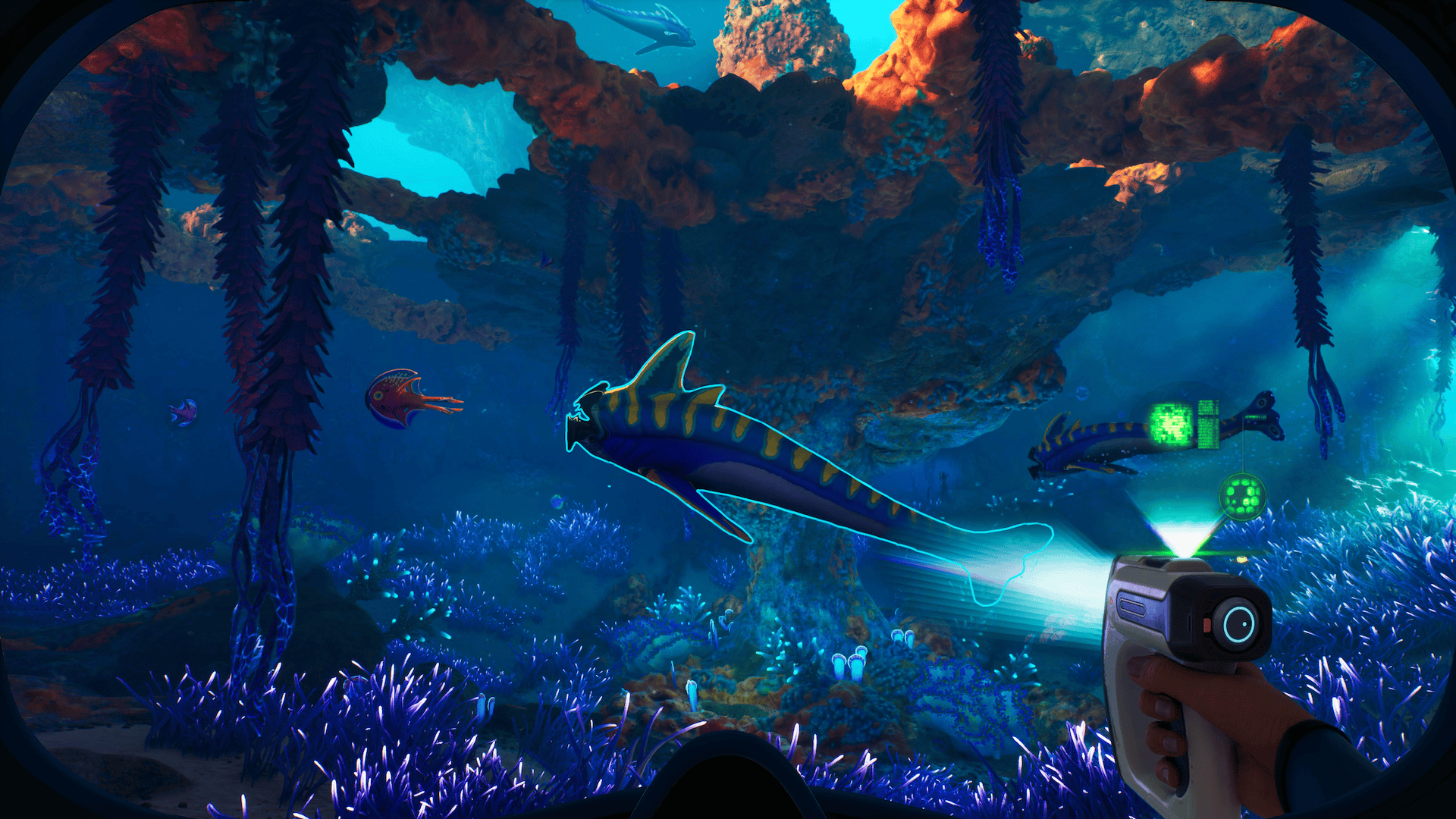
The reveal trailer showed environmental hazards beyond hostile fauna. A powerful water vortex was shown dragging a player into an abyssal cavern, suggesting that underwater currents can physically move players and may serve as both obstacles and shortcuts between biomes. Combined with the dynamic weather system, biomes may present different hazard levels depending on conditions.
The initial area where players begin after the opening sequence. Subnautica 2 starts players deeper underwater after a ship crash, then propels them toward the surface. The Start Zone is the area players reach after this sequence and likely contains essential early-game resources and relatively low threat levels to allow players to orient themselves.
A confirmed biome on Zezura. See Kelp Forest (Subnautica 2) for details. The biome features alien kelp species native to Zezura. Specific flora and fauna in this version of the Kelp Forest will be Zezura-native.
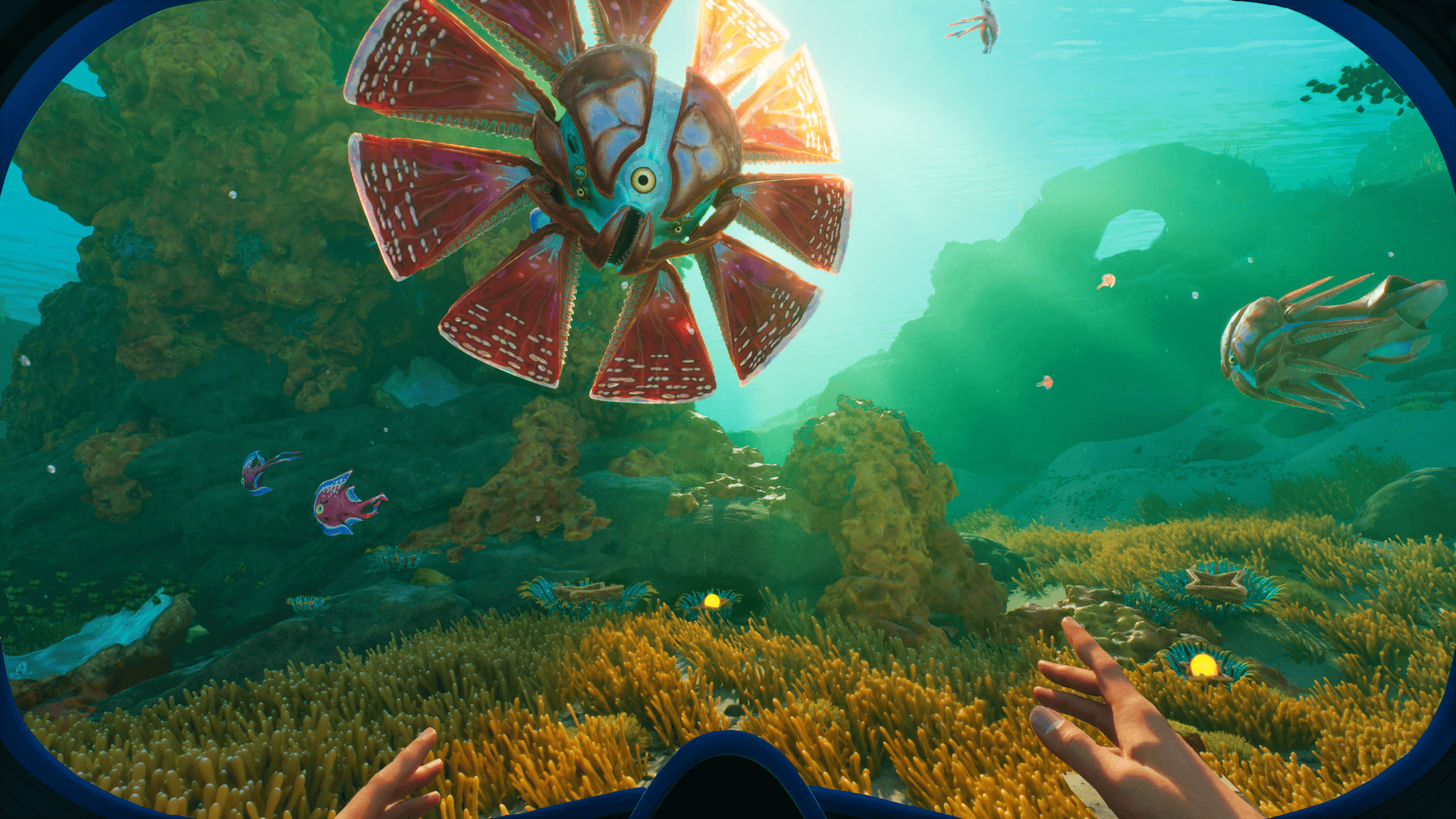
A biome with extensive coral formations. File names spotted during the vlog may indicate sub-biomes within this area (their exact grouping is unconfirmed), including Dolerite Spires and Graveyard Spires. Dolerite is a real volcanic rock type, suggesting the Dolerite Spires sub-biome may feature dark volcanic rock columns covered in coral growth. The Graveyard Spires name implies skeletal or decayed formations, possibly the remains of massive dead organisms or ancient structures.
An open, relatively barren biome with limited cover. This is the confirmed habitat of the Collector Leviathan, which spawns approximately 20,000 to 25,000 units from the player upon entry. The openness of the terrain means very limited cover from the Collector's line of sight, making this one of the most dangerous biomes to traverse. Players need to rely on flares for distraction and sound/light discipline to avoid detection.
A biome featuring jellyfish-related formations or fauna on plateau-style terrain. Specific details have not been publicly revealed.
One of the most intriguing biome names on Zezura. The community has speculated about what the ruins represent. The "overgrown" descriptor implies structures reclaimed by local plant life over a long period, which could provide both unique resources and story-relevant scanning opportunities. Specific ruin attribution and gameplay mechanics have not been publicly confirmed.
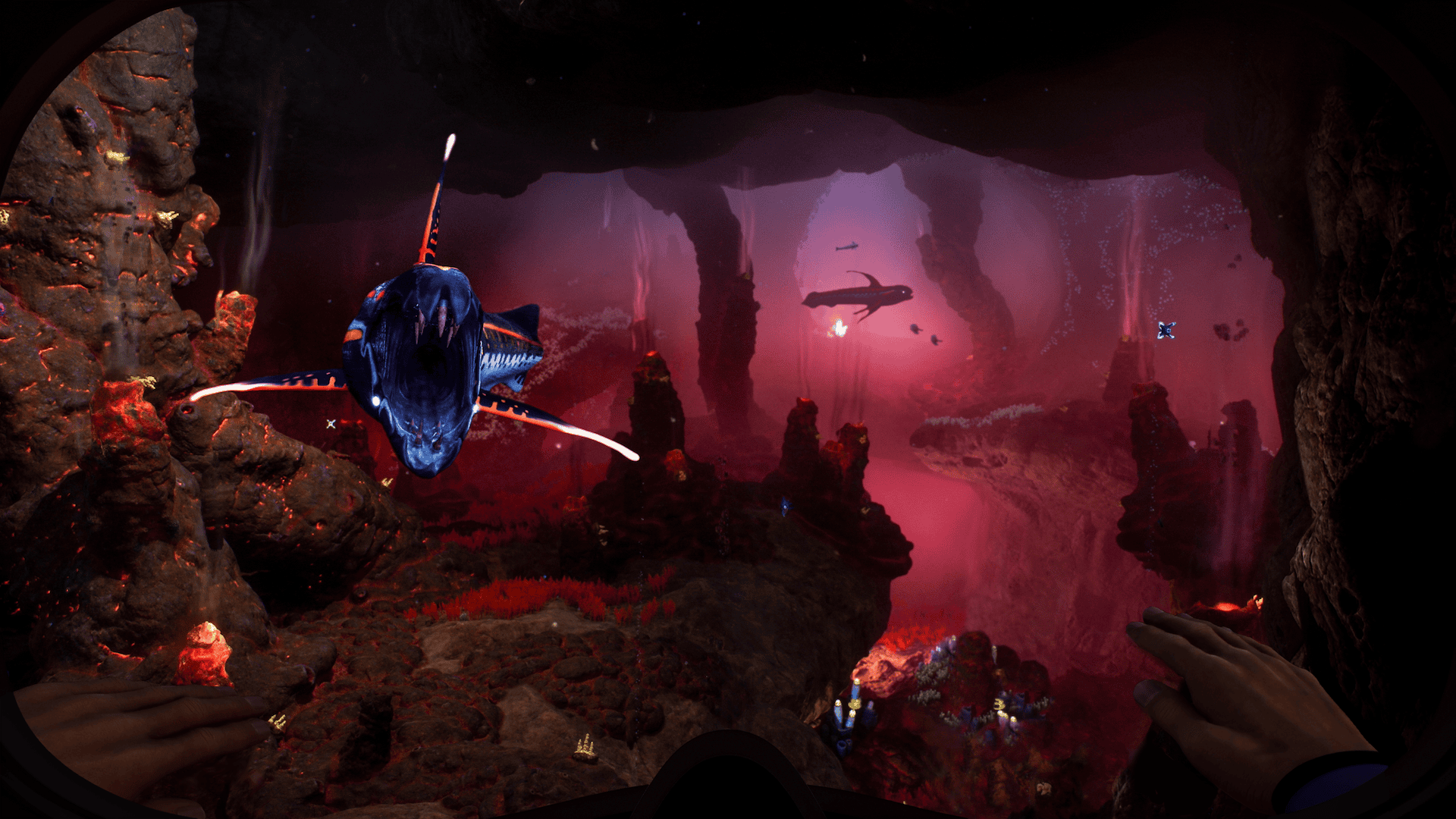
A biome suggesting a massive biological structure forming the basis of an entire ecosystem. See World Tree for details. No official mechanics have been shared, but the name implies a single enormous organism that defines the zone's ecology.
A biome with no publicly available details beyond its internal file name. The unusual naming convention (camelCase with a capitalized "Z") may indicate a placeholder or internal designation.
A boundary biome at the edge of the playable area. Specific deterrent creatures and mechanics have not been publicly revealed for Zezura's Void.
Biome | Sub-Biomes | Notable Features |
|---|---|---|
None known | Opening area, low-threat orientation zone | |
Kelp Forest | None known | Zezura-native alien kelp species |
Dolerite Spires, Graveyard Spires | Extensive coral; volcanic rock features | |
None known | Open terrain, Collector Leviathan habitat, limited cover | |
None known | Jellyfish-related formations on plateau terrain | |
None known | Ancient structures reclaimed by plant life | |
None known | Massive biological structure forming an ecosystem | |
None known | Unknown; possibly a placeholder name | |
Void | None known | Map boundary biome |
Several biome names were first spotted by community members who noticed file names visible in the background of dev vlog footage. The file names appeared on developer screens during the vlog and contained references to specific biome areas. Note: These biome names were extracted from development file names and may not represent final naming. Some names may change before or during Early Access, and additional biomes are expected to be added over the course of development.
The biomes of Planet Zezura are entirely handcrafted rather than procedurally generated. Every terrain feature, resource placement, and creature spawn point is deliberately placed by the development team. This approach allows for tightly designed exploration paths, deliberate pacing, and carefully staged moments of discovery and surprise.
The Unreal Engine 5 technology used for Subnautica 2 enables several custom environment tools that support this handcrafted approach:
MeshBlend: A custom tool for seamless mesh blending, allowing different terrain types and biome borders to transition smoothly without visible seams.
Tufa Kit pipeline: A specialized pipeline for creating rock formations. Named after tufa, a type of limestone formed by mineral precipitation, this tool allows artists to rapidly create varied and natural-looking rock structures across different biomes.
These tools were discussed in the Dev Vlogs, where environment artists demonstrated how they build and iterate on biome geometry.
Each biome on Zezura is expected to have its own set of unique resources, creature species, and environmental hazards. This biome-specific distribution drives the exploration loop by requiring players to venture into new and more dangerous areas to gather materials needed for advanced crafting. Creatures like the Collector Leviathan (Sparse Plains), Hammerhead, and Waterslug are among the known fauna that populate these environments, though the complete creature roster and biome assignments for most species have not been confirmed.
According to the Early Access roadmap, the initial launch will include several biomes with more to be added through post-launch updates during the Early Access period. Anthony Gallegos stated that players will "be there when we first add new vehicles, craftables, biomes, and leviathans," confirming biome additions are part of the ongoing development cycle.
Leaked milestone documents (confirmed authentic by KRAFTON) indicate two biomes were cut from the Early Access scope between Q2 2023 and Q2 2025. The specific biomes that were removed have not been named publicly. They are expected to be added during the 2-to-3-year Early Access development period. See Cut Content for more details.