

Overview
Automation is a system in Outbound that gradually transforms manual tasks into hands-free production chains. As players progress through the game and unlock new blueprints at Signal Towers, they gain access to automated workstations and tools that can handle farming, crafting, and resource processing without direct player input. Automation represents the mid-to-late game evolution of Outbound's gameplay, freeing players to focus on exploration while their base handles production in the background.
How Automation Works
Automation in Outbound operates through interconnected workstations and tools that perform tasks automatically once set up. The basic principle is simple: connect inputs to processing stations, and those stations will produce outputs without requiring the player to stand there and operate them manually.
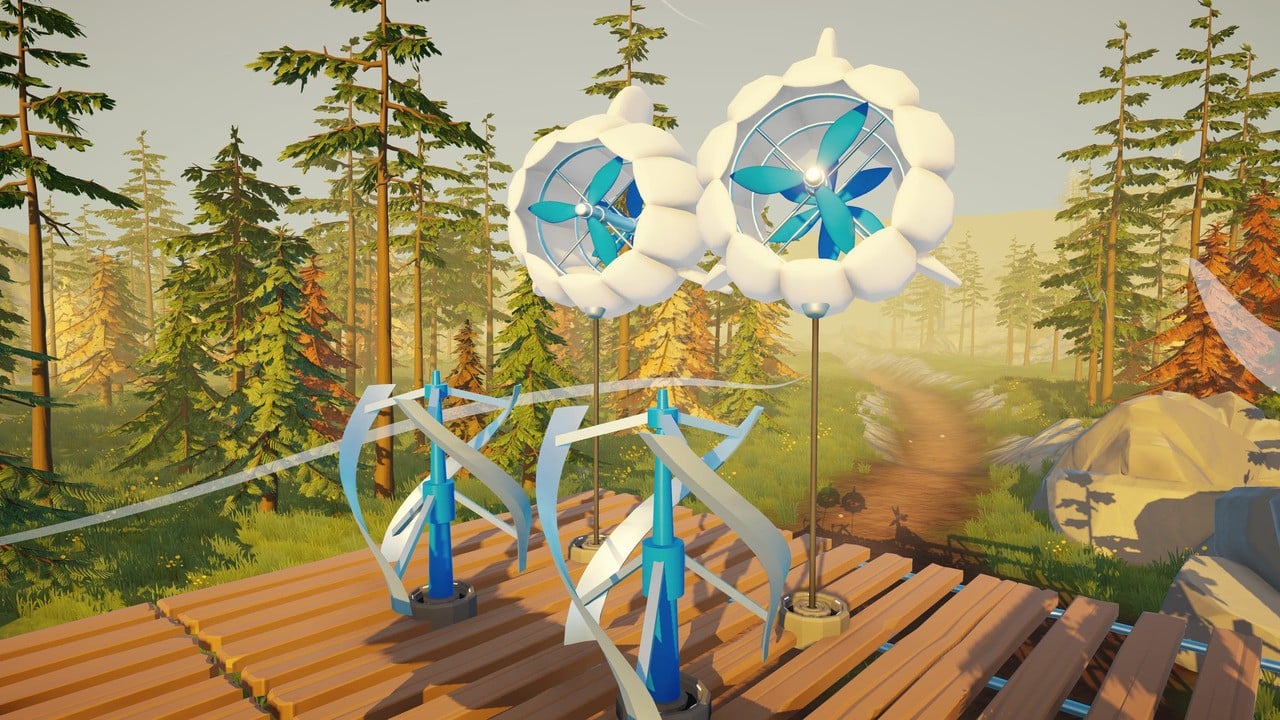
Early in the game, all production is manual. Players gather resources by hand, process them at workstations one at a time, and tend crops personally. As new blueprints become available through Signal Towers, players can replace manual steps with automated alternatives. A watering system replaces hand-watering crops. An automated harvester collects grown produce. Connected workstations pass materials from one stage to the next without player intervention.
The transition from manual to automated is gradual and optional. Players can choose to automate everything or continue doing tasks by hand. The game does not force automation, but it rewards players who invest in building production chains by giving them more time to explore, build, and enjoy the world.
Automated Farming
The farming system is one of the first areas where automation becomes available. Crop cultivation in Outbound involves planting, watering, and harvesting, all of which can eventually be handled by automated systems.
Key automated farming components include:
Automated watering: Irrigation systems that water crops on a schedule, removing the need for players to water plants manually each day.
Automated harvesting: Harvesters that collect fully grown crops and deposit them into storage, ready for use in cooking or crafting.
Planter systems: Advanced setups that can plant seeds automatically from a stored supply.
Automated farming is especially valuable in the mid-game when players have established a reliable food production pipeline and want to shift their attention to exploring distant biomes and gathering new resources.
Production Chains
Beyond farming, automation extends to the crafting system through production chains. A production chain is a series of connected workstations where the output of one station becomes the input of the next. Raw materials enter at one end, and finished products emerge at the other.
For example, a production chain might work as follows:
Stage | Workstation | Input | Output |
|---|---|---|---|
1 | Raw material processor | Gathered resources | Refined materials |
2 | Intermediate crafter | Refined materials | Components |
3 | Assembly station | Components | Finished products |
Setting up production chains requires careful planning. Players need to position workstations in a logical sequence and ensure each station has enough input materials to keep the chain running. A well-designed production chain can operate continuously, stockpiling finished goods while the player is off exploring.
Energy Requirements
All automated workstations draw power from the camper van's battery, which is part of the energy system. The battery is charged by solar panels mounted on the van's roof, meaning that automated production is powered by renewable solar energy, fitting the game's solarpunk aesthetic.
Energy management becomes an important consideration as players add more automated workstations. Each station consumes power while operating, and running too many stations simultaneously can drain the battery faster than the solar panels can recharge it. Players need to balance their automation ambitions with their available energy capacity.
Strategies for managing energy include:
Upgrading solar panels to increase charging speed
Expanding battery capacity through van upgrades
Staggering automated tasks so not all stations run at the same time
Parking the van in sunlit areas to maximize solar charging efficiency
Unlocking Automation
Automation blueprints are not available from the start of the game. Players unlock automated workstations and tools by spending Download Vouchers at Signal Towers. Automation-related blueprints typically appear at towers found in mid-game and late-game biomes. This reflects the fact that automation is designed as a progression reward for players who have already established their basic building and crafting capabilities.
The gradual unlock pace is intentional. Early gameplay focuses on hands-on interaction with the world: gathering resources, cooking food, building the van, and learning the crafting recipes. Automation arrives once players are familiar with these systems and ready to scale up their production. This pacing ensures that new players are not overwhelmed by complex production chains before they understand the basics.
The technology tree provides a visual overview of which automation blueprints are available, which have been unlocked, and what remains to be discovered. Players can plan their Signal Tower visits around which automation upgrades they want to prioritize.
Tips
Start small. Automate one task at a time, such as crop watering, before building complex production chains.
Watch your energy consumption. If the battery drains overnight, your automated systems will stop until the sun recharges the panels.
Position workstations close together to simplify production chain connections.
Automate repetitive tasks first. If you find yourself watering crops or processing the same resources over and over, that is a good candidate for automation.
Keep some manual capability. If your battery runs low, you want to be able to craft essential items by hand.
In co-op, one player can manage the automated base while others explore for new blueprints and resources.
Prioritize automation blueprints at Signal Towers if you want to free up time for exploration in the late game.