
Loading...
Loading...
Dodging
May 30, 2026 at 07:26 PM
Removed duplicate in-body wikilinks
Dodging is the low-risk, recovery-priced leg of Fatekeeper's defensive stool. A dodge offers a directional iframe burst the player can use to break out of an incoming attack, reposition, or close a gap; it is the answer to ambiguous tells and to the strikes that Parrying cannot catch. The Nov 2025 reveal footage used dodging to handle unparryable spells, projectile traps, and the read-fail moments where a parry would have whiffed.
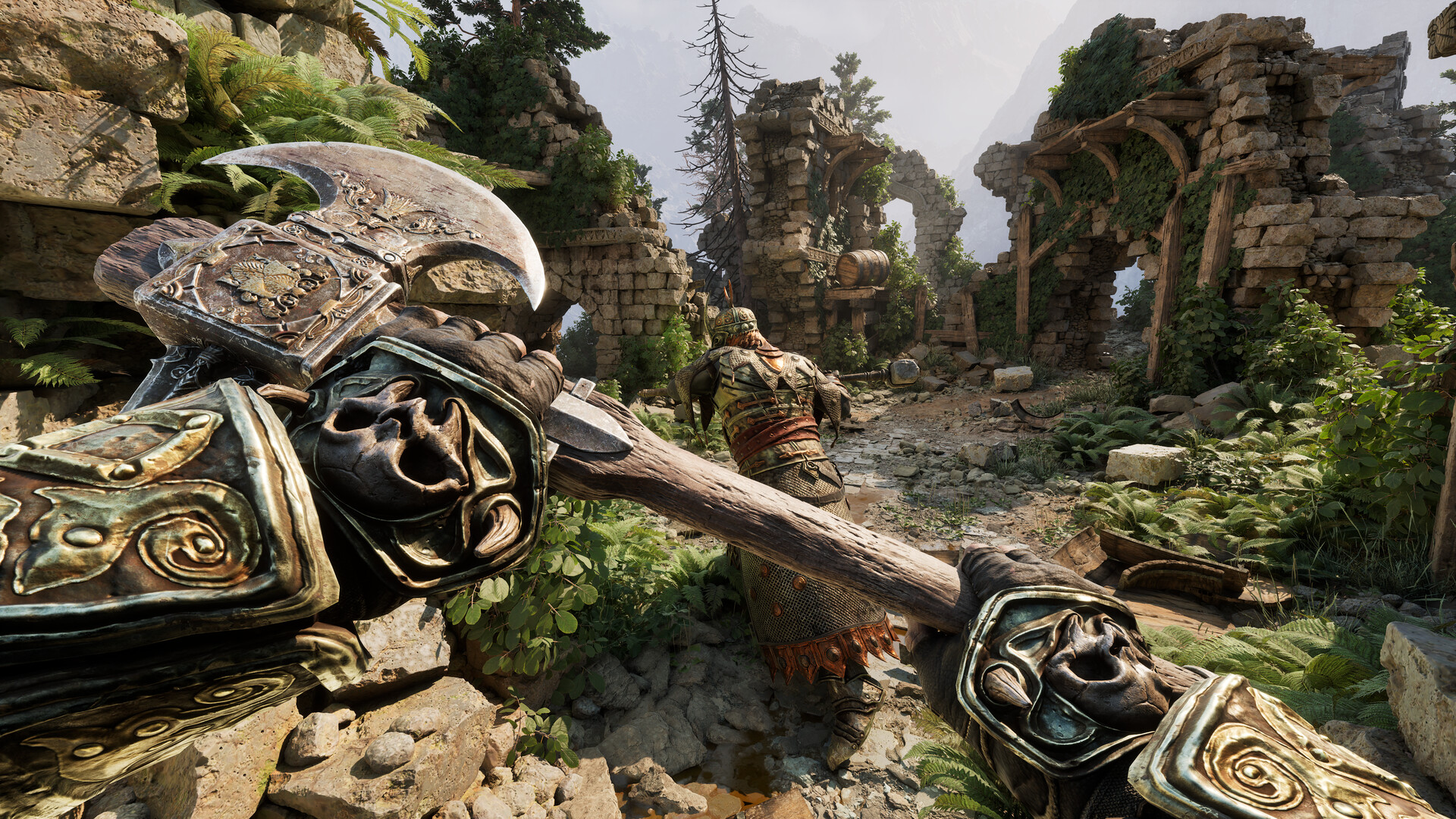
Dodges resolve in a direction, not on the spot. The reveal showed the player rolling laterally to slip past wide swings, dodging backwards to gain spacing against reach weapons, and forward-dodging through telegraphed AoE rings to land on the safe side of a spell. The dodge motion itself is short and committed; the player exits in a dedicated recovery window before the next input registers.
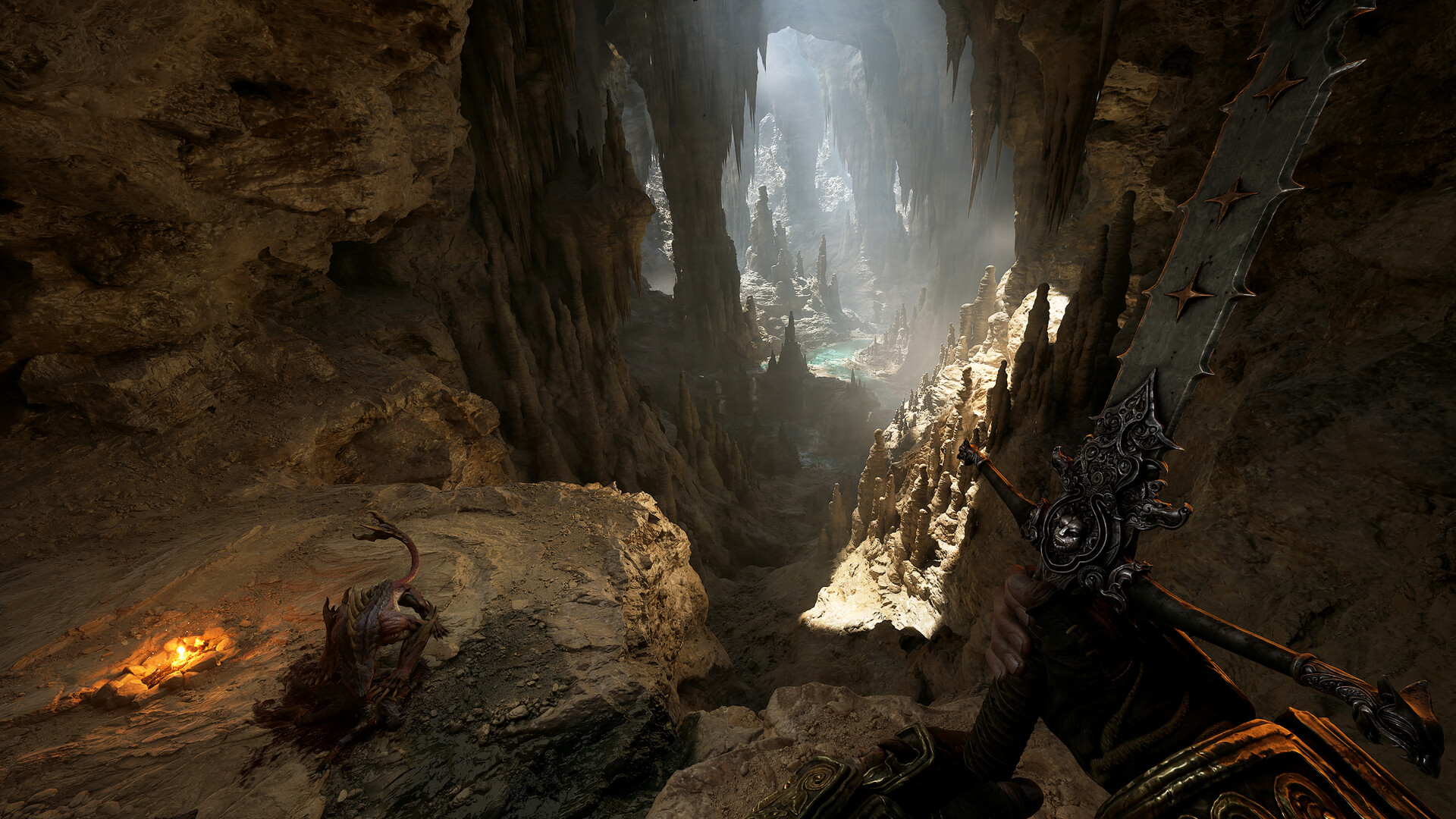
The iframe period is brief and authored, not a long-running invincibility blanket. The window only covers the active part of the dodge motion, and it is tied to the player's current encumbrance, weapon class, and any Skill Tree perks that have been picked. The dodge is meant to be the answer to a single specific attack, not a panic button against a stream of strikes.
Outcome | Reward | Penalty |
|---|---|---|
Dodge clean | Avoid the incoming hit; reposition; sometimes set up a flank or back-attack. | Recovery animation before next input, short but real. |
Dodge early | No iframe coverage when the attack lands; player eats the hit during recovery. | Health loss approximately equal to the strike's base. |
Dodge late | No iframe coverage when the attack lands; player eats the hit during the windup of the dodge. | Health loss approximately equal to the strike's base. |
The dodge sits below the parry in payoff and above the parry in safety. A parry that connects spawns a long punish window; a dodge that connects spawns spacing and read time. Most encounters reward a mixed approach where the player parries the obvious tells and dodges the ambiguous ones; see Combat for how the three defensive answers (parry, dodge, block) fit together. Blocking with the weapon trades stamina for partial mitigation and is a third option, particularly useful when neither parry nor dodge timing is reachable.
Dodging is the primary spacing tool. The dev footage repeatedly used directional dodges to break line-of-sight on enemy casters, reposition off boss attack lines, and transition between melee and ranged spell ranges. The Dagger Skirmisher leans on dodge for the in-and-out cadence; the Ice-Shatter caster and the Pyromancer use dodge to maintain casting range without taking a hit.
Dodges spend stamina. Repeated dodges deplete the stamina pool faster than walking does, and the rate compounds against the regen cost of swinging and parrying. The player has to think about the stamina budget across an encounter rather than treat dodges as freely-spendable.
Light classes (Daggers, Swords) have the fastest dodge recovery; most aggressive dodge-and-counter cadence.
Medium classes (Axes, Maces) have balanced recovery; standard dodge feel.
Heavy classes (Hammers, Two-Handed Weapons) have the slowest recovery; dodging is the spacing tool more than the counter tool.
Reach classes (Halberds) dodge into thrust openings.
Hybrid classes (Staves) dodge into casting windows.
Many enemy attacks should never be parried. Spells from Arcane Wielders cast at range; certain heavy windups from large frames among Towering Beasts; thrown-object hits that arrive on a delay. These read as dodge-only attacks even before the player learns the tell library. Treating them like parry candidates is the most common cause of avoidable damage.
Parrying, the higher-risk alternative.
Combat, top-level loop.
Melee Combat, cadence the dodge plugs into.
Telekinesis, a third utility option when dodge alone is not enough.
Skill Tree, perks that extend dodge iframes or reduce stamina cost.
