

Combat in Ember and Blade is fast, aggressive, and built on blending sword and magic. Fenrix mixes melee strikes with ranged attacks, chaining them into combos that work both for thinning out hordes and for trading blows with powerful demons. The studio leans on two contrasting fantasies at once: cutting a path through endless waves of enemies, and standing toe-to-toe in patterned, soulslike duels where one mistake can be punished hard.
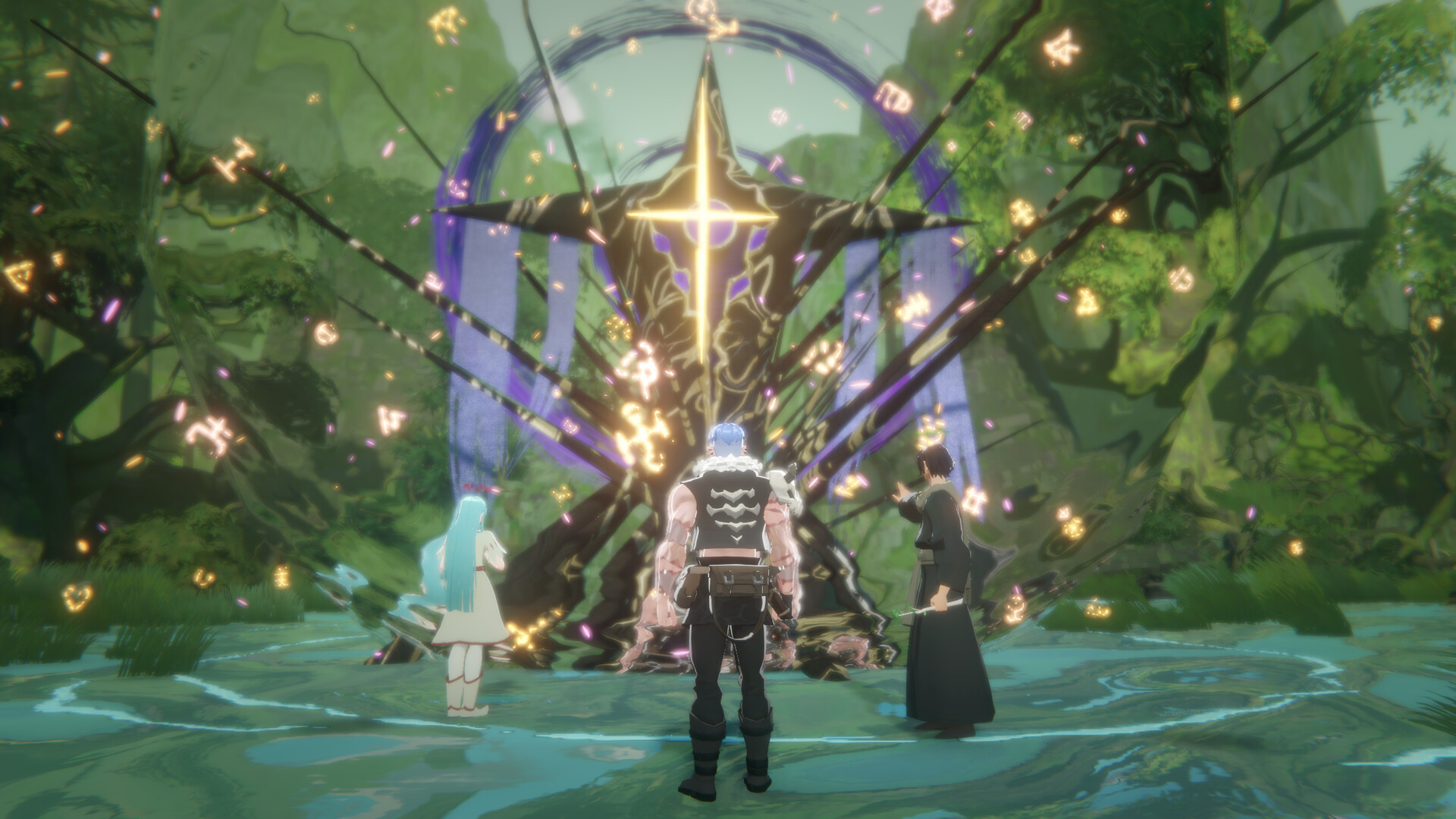
Melee and Ranged Attacks
The foundation of combat is fast-paced melee and ranged attacks. Up close, Fenrix carves through enemies with his blade; at range, magic lets him strike from a distance and control crowds before they close in. Because the game throws large numbers of demons at you, switching fluidly between close and ranged options is part of staying alive. The tools behind these attacks are covered in more detail on the Weapons page.
Sword-and-Magic Combos
Rather than treating sword and magic as separate loadouts, Ember and Blade weaves them into combined combos. A flurry of melee can flow into a magical follow-up, letting you keep pressure on a target or sweep a group. This sword-and-magic blend is central to the game's identity and gives combat a rhythm of its own, where chaining the two together is more effective than relying on either alone.
Reading Boss Patterns
Where the hordes test your endurance, the bosses test your reads. The Judicators of Fate are former mortals who sold their souls to become demons, and they wield immense power with devastating attacks. These are not enemies you can simply out-button: each one fights with deliberate, learnable patterns. Surviving means watching for tells, recognizing wind-ups, and knowing when to commit and when to back off.
Timing and Strategy
Because the bosses lean soulslike, precise timing and careful strategy carry these fights more than raw aggression. Dodging at the right instant, punishing the right openings, and managing your offense against a boss's patterns are the skills the game rewards. Your build feeds directly into this: the Blessings you pick during a run, along with Awakening Skills, can shift how you approach a given fight, opening up new ways to answer a boss's moveset.
Dash Attacks and Flash Counters
Two combat tools have featured prominently in the demo. The Dash Attack lets Fenrix close distance with an offensive lunge, and against elite enemies it can trigger combo activation for a more aggressive flow. The Flash Counter rewards precise timing, turning a well-timed defensive read into an opening. Both were unlocked by default in a 2026 demo build at the community's request. Special attacks also reward rhythm: timed re-inputs during certain attacks can unleash empowered follow-up strikes.
The Immortality Edge
Fenrix fights with one unusual advantage. Through The Angel Pact, he has gained temporary immortality, which reframes how death plays into combat. Falling in a fight is not a dead end but the start of another run, and resurrection brings deeper secrets and the chance to twist fate. This run-based rebirth, detailed in The Run Loop, means combat encounters are something you can return to, learn from, and overcome across repeated attempts rather than in a single perfect try. For how all of this fits into the wider game, see Gameplay Overview.
The Four Named Actions
The studio breaks the moment-to-moment combat down into four named actions, which is a useful way to read what the buttons actually do.
Action | What It Does |
|---|---|
Melee Attack | The basic attack button sends Fenrix into a flurry of swift, weighty strikes against nearby enemies |
Special Attack | A heavier option meant to turn a fight rather than chip at it |
Dash Attack | Attacking immediately after a dodge converts the dodge into an offensive lunge |
Flash Counter | A perfectly timed dodge triggers Split Second, which flows into a devastating counterattack |
The detail worth remembering is that the Flash Counter has a named window in front of it. A dodge timed precisely against an incoming attack triggers Split Second, and the counter follows from that state rather than from the dodge alone. Against the patterned Judicators of Fate, that turns pattern reading into damage instead of only survival.
The Combo Rebuild
The four actions above describe combat as the demo currently plays it, but the studio has committed to rebuilding that layer. A June 2026 director's note announced two changes for the next demo: a combo system built on light and heavy attacks, and a shift that turns Blessings from passive effects into active ones tied to light attacks, heavy attacks and dashes. In August 2026 the studio posted the first footage of the combo system running in the game, describing it as dynamic, seamless combo attacks coming to the core combat system. Until that build ships, the combo layer should be read as confirmed in direction and shown in motion, but not yet final in its values or its inputs.
The studio has a shorthand for the scale it is aiming at: one versus one thousand, with the flow of a musou action game rather than a top-down survivors game. That target is the reason the enemy hordes and the bosses are built on completely different technical pipelines, one tuned for volume and the other for the weight and readability a soulslike duel needs. The engineering behind it is covered on Development and Technology.