

Siege Battles
Siege battles in Crimson Desert: fortress assaults, siege weapons (cannons, Signal Arrows / Artillery Whistling Arrows, explosive arrows), destructible walls with BlackSpace Engine physics, the Calphade rebellion, Cassius Morten boss fight, Fontaine the Cursed Knight, and territory liberation.
On This Page
Overview
Siege battles are large-scale combat encounters where Kliff and allied troops assault or defend fortified positions. These involve dozens of soldiers on both sides, siege equipment, destructible fortifications, and multi-phase objectives that play out across entire fortress complexes.
Raiding outposts and castles is a core part of the game. Siege weapons break through gates and walls, and the BlackSpace Engine simulates building destruction with full physics. Wooden structures collapse into splinters. Brick walls shatter under bombardment. Explosive barrels obliterate whatever they touch. The destruction is not scripted -- it responds to the type and direction of force applied.
Sieges appear primarily as faction quests and main story missions, sitting at the opposite end of the scale from one-on-one boss duels. Everyday life continues in nearby villages while sieges rage. This adds to the sense that battles occur within a living world rather than in isolated arenas.
Siege weapons and artillery
Siege battles give the player access to heavy weaponry not available during normal combat. The primary tools are cannons and artillery arrows.
Cannons
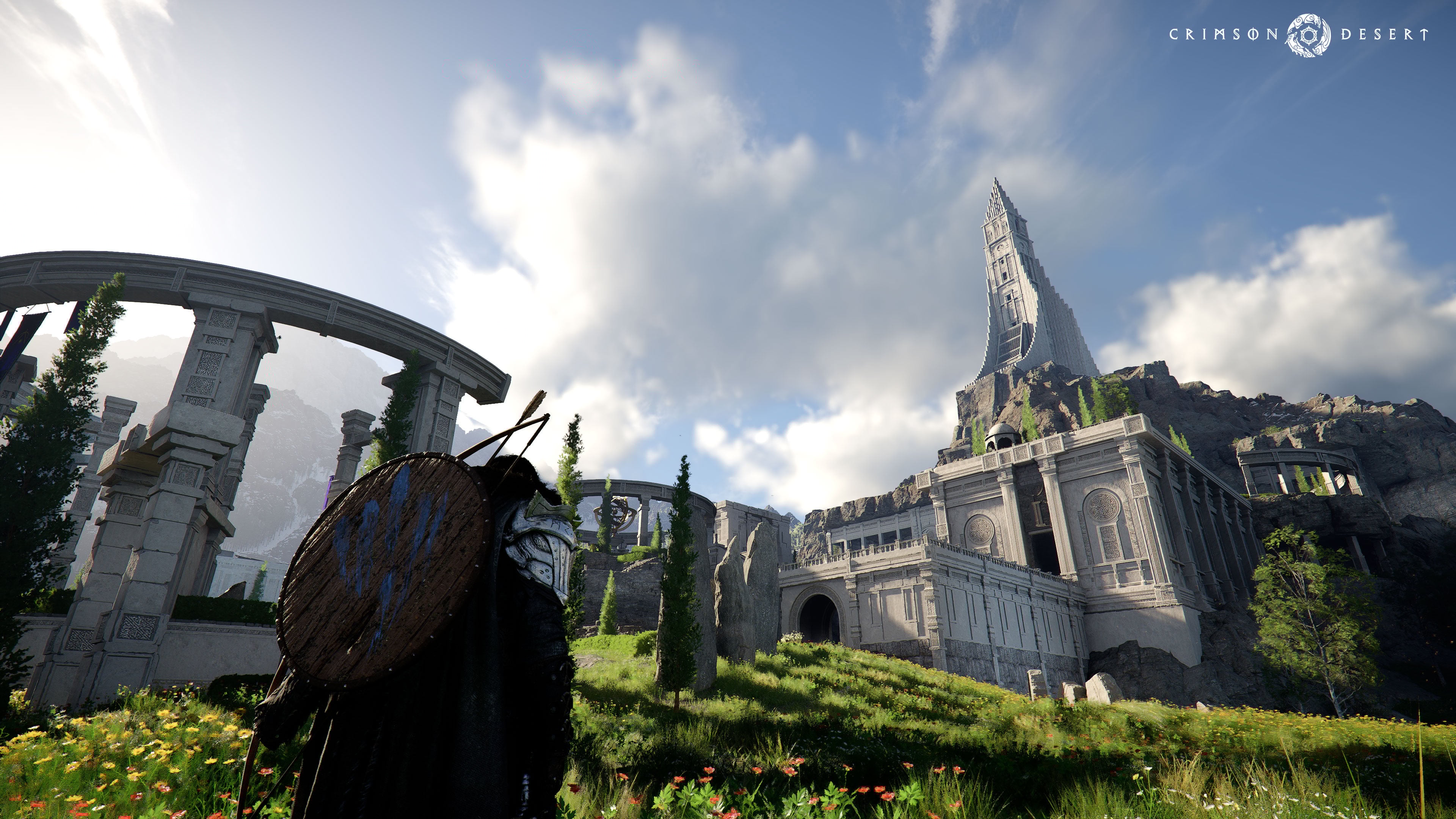
Fixed cannon emplacements appear on battlefields and inside fortresses. During the Calphade rebellion demo, Kliff had to repair a damaged cannon before using it to destroy enemy scout towers. Cannons require the player to physically interact with the emplacement, aim, and fire.
Cannons deal massive structural damage. Guard towers, wooden barricades, and fortified walls crumble under sustained fire. The physics engine handles each collapse differently depending on where the shot lands.
Signal Arrows (Artillery Whistling Arrows)
Signal Arrows -- also called Artillery Whistling Arrows -- let Kliff call in bombardments from allied cannon positions. Firing one sends a whistling signal to your army, directing their cannons at the marked location. This lets you designate targets on the move without sitting behind a cannon for the entire battle.
In practice, Kliff can advance through a battlefield, tag enemy towers or fortifications with Signal Arrows, and keep moving while allied guns reduce those positions to rubble behind him.
Explosive arrows
Standard bow combat also causes structural damage. Explosive-tipped arrows can be fired from horseback to blow up destructible buildings while riding past. Less powerful than cannon fire, but they give mounted combat a demolition role during sieges.
Destructible Environments
The BlackSpace Engine handles structural destruction with material-specific physics:
Item | Description |
|---|---|
Wood | Collapses with visible splinters. Gates, barricades, and scaffolding break apart. Most vulnerable to all damage types. |
Brick and stone | Shatters under heavy bombardment. Requires cannon fire or explosive force. Swords will not bring down a stone wall. |
Explosive barrels | Scattered around siege environments. Detonating them breaches positions without requiring siege equipment. |
Every tree on the battlefield has physics. If a cannon ball or sword hits a tree, it falls. The destruction affects both sides -- environmental damage can hurt Kliff and his allies as much as enemies.
Siege Flow
Sieges unfold in phases with different objectives. The Calphade rebellion quest, the most detailed example shown at Summer Game Fest 2025, demonstrates the general structure:
Phase | Details |
|---|---|
Rally and preparation | Kliff arrives at the conflict zone. In the Calphade demo, this involved repositioning a banner to rally troops before the assault. The banner was moved using telekinetic powers from the Axiom Bracelet. |
Outer defenses | Destroy scout towers, enemy emplacements, and fortified positions on the perimeter. Signal Arrows and cannons are the primary tools. One objective involved eliminating a wooden tank-like structure the defenders had constructed. |
Mounted advance | Kliff leads the charge with allied soldiers toward the main fortress. Explosive arrows from horseback clear obstacles during the advance. The combat during this phase mixes sword attacks, bow switching, and magical imbuing (fire, ice, lightning via the Axiom Bracelet). |
Interior fighting | Close combat inside fortress walls. Destructible pillars can be used against enemies -- stagger a foe into a collapsing structure for heavy damage. |
Boss confrontation | The siege culminates in a fight against the enemy commander. In the Calphade example, this was Cassius Morten. |
The Cassius Morten fight
Cassius Morten wields a mace and shield and anchors the end of the Calphade rebellion sequence. Unlike fast-paced melee encounters, this fight is about wearing down his stamina through parrying. Cassius blocks most attacks with his shield. Sustained parrying breaks his guard, opening windows for combos.
The arena has destructible pillars. Staggering Cassius into a collapsing pillar deals massive damage. In the late stages, Kliff can lift environmental objects and hurl them at the boss. The fight combines the siege's destructive environment with one-on-one duel mechanics.
Fortain, the Cursed Knight
Another siege-context boss, Fortain is fought during a castle siege sequence. He wields a shield that summons a spectral beings capable of executing independent attacks. Multiple soldiers surround the arena providing continuous ranged fire. Players must manage three simultaneous threat sources: Fortain himself, his spectral beings, and the soldiers.
Defeating Fortain grants the player his shield as a usable weapon. This is part of the game's boss reward system: equipping a defeated boss's exclusive gear grants access to that boss's signature skill. See Boss Battles for more on boss rewards.
Mounted combat in sieges
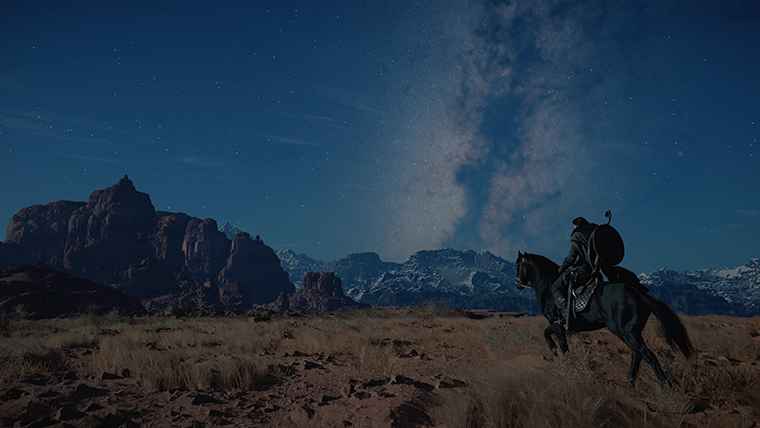
Mounted combat plays an active role during siege advances. Kliff can ride through enemy lines, firing explosive arrows at fortifications and cutting down soldiers from horseback. The bear mount attacks enemies simultaneously -- Kliff swings his sword while the bear mauls targets in front of it.
The mech is another option for siege-scale encounters. Mechs have ranged weapons for engaging fortified positions from a distance, though mech availability depends on story progression.
Companion dispatch
Not every fortress needs a direct assault. The companion dispatch system lets players send teams of 4-6 Freesword companions on fortress-related missions that run in the background.
Dispatch missions list requirements for personnel, duration (hours to multiple in-game days), and resource costs in silver, wood, clay, or other materials. A conversion bonus percentage shows how well the selected team matches the mission. Sending companions to besiege a fortress before arriving weakens remaining defenses, creating a choice: invest time into softening targets, or assault them head-on at full difficulty.
Territory Liberation
Siege battles are tied to the faction system. After clearing all enemies and defeating the boss in charge of an area, the territory is officially liberated:
Displaced residents return to the area and begin rebuilding
New vendors and services open in the settlement
Trade routes unlock, expanding commerce options across the region
The faction map overlay updates to reflect the territory change
New quests become available from returning NPCs
Materials are awarded that contribute toward rebuilding Pailune
Boss encounters yield exclusive equipment -- equipping it grants the defeated commander's signature skill
The Calphade rebellion
The most documented siege is the Calphade rebellion from the Summer Game Fest 2025 demo. Marquis Stefan Lanford, ruler of Calphade and an ally of the Greymanes, is betrayed by his subordinate Cassius Morten, who sides with the Black Bears. An NPC named Barden Middler -- who has seen Kliff fight before -- recruits him to help Stefan's forces.
Kliff arrives in Calphade searching for his companion Oongka, so the faction quest is woven into the personal story of reuniting the Greymanes. One preview described the sequence as having "palace intrigue" similar to Game of Thrones. The broader backdrop is the King of Demeniss being missing, creating a power vacuum across Pywel that enables these regional conflicts.
See Faction Quests for more about the Calphade rebellion and House Lanford.
Alternative Approaches
Sieges do not force a single approach. Gameplay coverage has confirmed several alternative entry methods:
Method | Details |
|---|---|
Pole-vaulting | over outpost barricades instead of destroying them |
Parkour entry | through climbable architecture on fortress walls |
Tree climbing | for elevation advantage and sniping positions |
Rope-swinging | across ravines to bypass ground-level defenses |
traversal to reach otherwise inaccessible entry points |
The crime and bounty system also factors in. Stealth-oriented entry methods let you reach objectives without fighting through every guard.
See Also
Item | Description |
|---|---|
Quest lines that generate siege opportunities | |
Territory control and reputation | |
Boss rewards and the signature skill system | |
Dispatch system for fortress softening | |
Physics and destruction technology |