

Overview
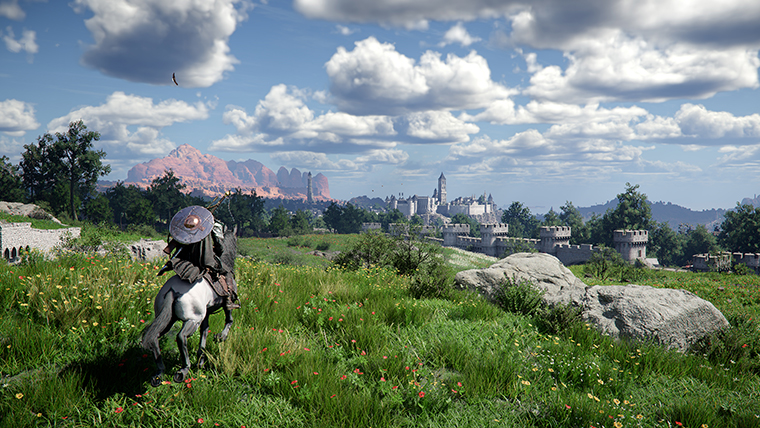
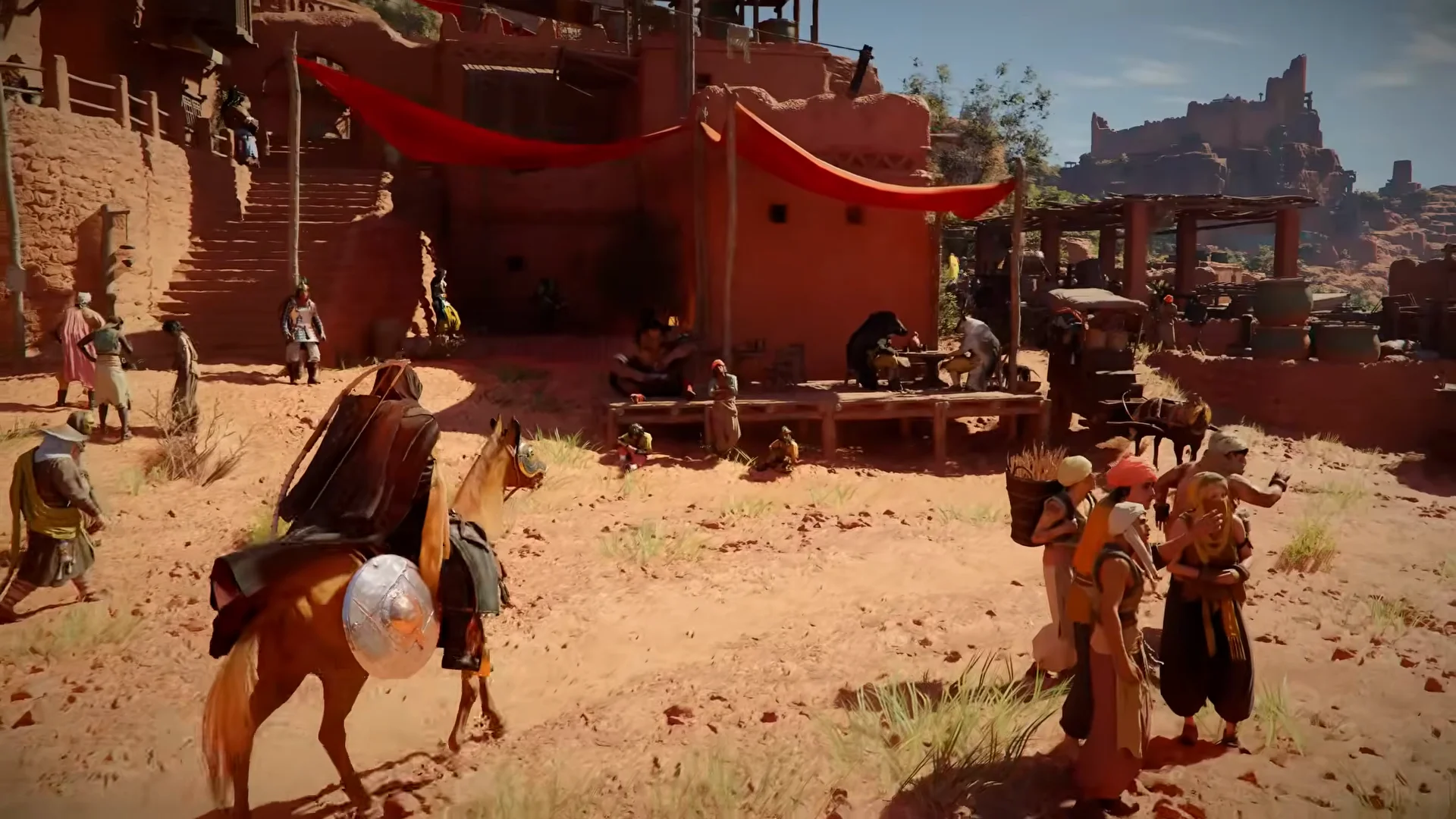
Towns and cities are spread across the regions of Pywel and serve as the main hubs for commerce, quests, and social interaction. Each settlement has its own character, from desert oases to the cliffside cities of Demeniss. Towns feature bustling markets, working craftsmen, and plenty of locals going about their daily routines. The settlements across Pywel reflect the cultural and technological differences of each region: Hernand's medieval castles, Delesyia's advanced industrial architecture, Pailune's pastoral villages.

NPC Daily Routines
NPCs in towns and settlements follow daily routines driven by the day-night cycle. Shopkeepers open and close their stalls at specific hours. Blacksmiths work their forges during the day and retire in the evening. Farmers tend their fields in the morning, eat meals at midday, and gather in taverns at night. Guards patrol different routes depending on the time of day.
These routines affect gameplay: arriving at a shop after closing hours means waiting until morning or finding an alternative vendor. Town activities like mini-games in taverns are only available when NPCs are present at the appropriate locations. Observant players can learn NPC patterns to plan efficient shopping and quest completion.
Services
Service | Description |
|---|---|
Forges weapons and armor on demand. When you buy a weapon, the blacksmith actually hammers it out at the anvil. Can also upgrade existing gear to improve stats. | |
Stocks a selection of ready-made weapons for purchase without the forging process. Quick alternative to blacksmith orders. | |
Tailor | Sells armor and outfits in pre-made sets. The armor equivalent of equipment shops, offering immediate purchases. |
General Merchant | Buys and sells provisions, cooking ingredients, alchemy materials, and other supplies. Stock varies by region. |
Adjusts hairstyles, beards, tattoos, and hair color for all three playable characters. | |
Colors armor, weapons, and mount equipment. Dyes can also be brewed via alchemy and applied here. | |
Banking | Financial services for managing currency. Players can also become bounty-hunting bankers, delivering captured criminals for bounties. |
Liberation Effects
Many settlements in Pywel start occupied by hostile forces. Through the Liberation System, players can free these towns by defeating enemy forces and their leaders. Once liberated, towns undergo visible changes: residents move back in, structures are rebuilt, new vendors appear, and trade routes open up. A town that was hostile territory becomes a functional hub with full services.
The transformation is dramatic. An occupied settlement might have barricaded shops, hostile patrols, and cowering civilians. After liberation, the same settlement bustles with returning merchants, reopened blacksmiths, and grateful NPCs who offer new quests and services. Liberating settlements builds Contribution with the local faction.
Town Activities
Beyond shopping and quests, towns offer various mini-games and diversions.
Activity | Location |
|---|---|
Organized unarmed fighting rings in settlements; tests bare-handed combat without weapons | |
Taverns and settlement squares; strength-based timing contests against NPCs | |
Coin Gambling | Seedy tavern rooms; dice or card-based wagering against NPCs |
Mud Fights | Informal brawling in muddy arenas; combines humor with unarmed combat |
Open fields near settlements; mounted races against NPC riders |
Quests and Commissions
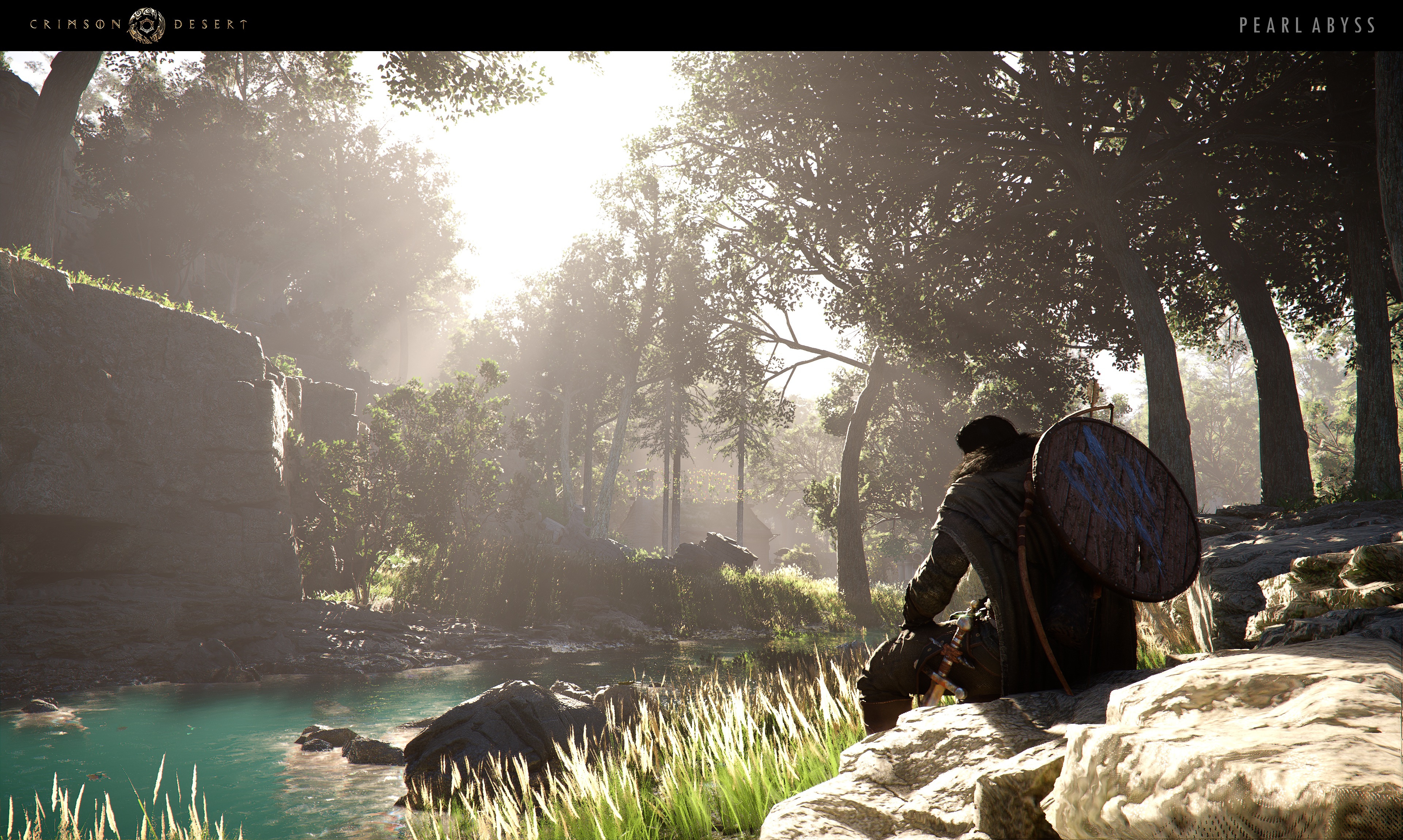
Town residents have requests for travelers passing through. These side quests unfold alongside each region's main storylines and give a window into everyday life in Pywel. Common quest types include protecting residents from bandits, delivering goods between locations, tracking down missing persons, and scouting dangerous areas. Completing quests builds Contribution with the local faction, unlocking tangible gameplay rewards.
The Rumor System provides additional quest discovery. Eavesdropping on NPC conversations in taverns and public spaces can reveal the locations of hidden settlements, treasure caches, and unique encounters that are not available through standard quest givers.
The Law
Towns operate under the Law System. Stealing, pickpocketing, or attacking civilians reduces Contribution EXP and raises a bounty on your head. Guards become hostile and can arrest the player, resulting in imprisonment. The Wanted System tracks criminal activity, and bounties persist until cleared through fines or serving time. Players should be mindful of their actions in populated areas unless prepared for the consequences.
Regional Variety
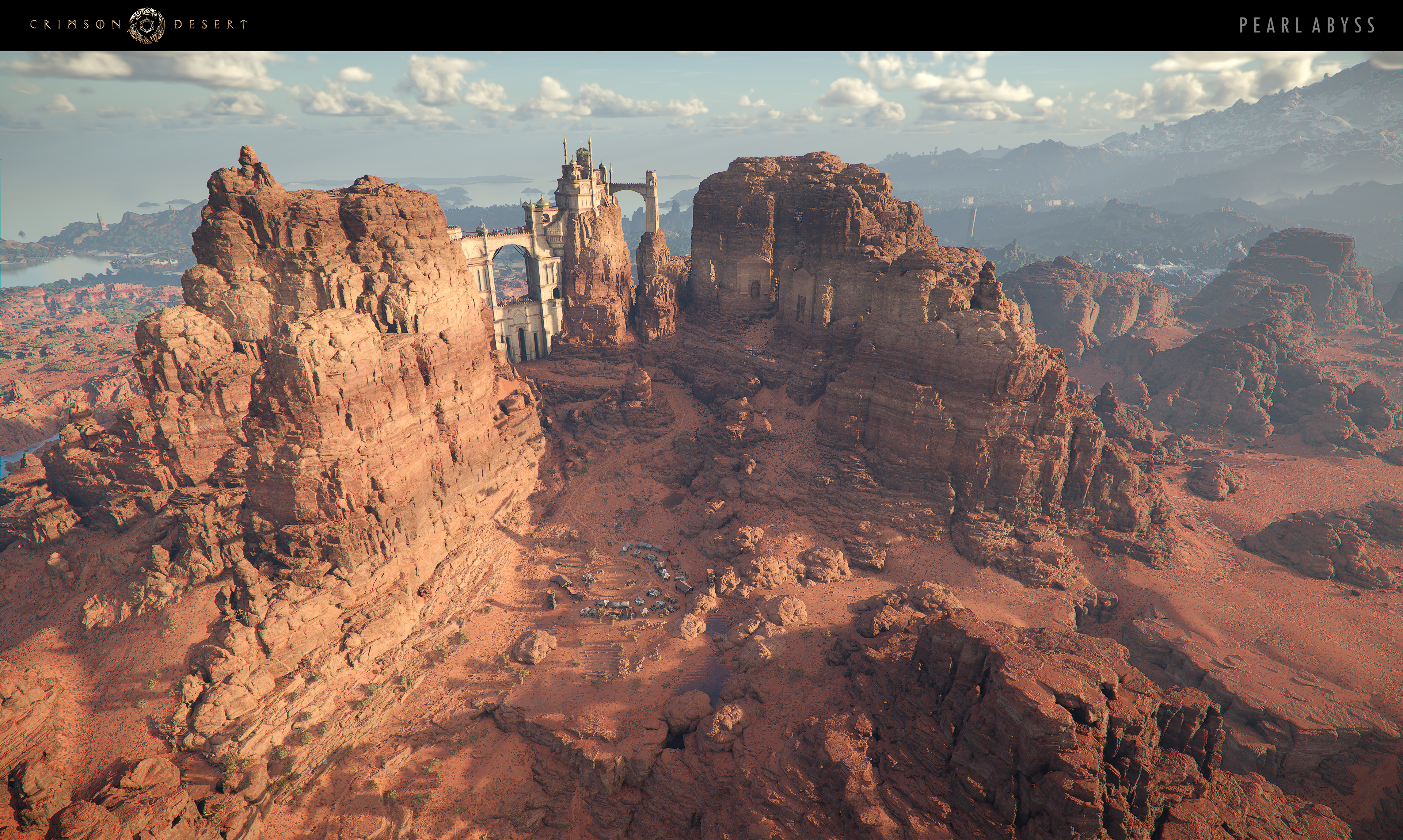
Each region's towns reflect its cultural and technological identity. Hernand features medieval castles and quaint market squares populated by a mix of fantasy races including giants. Delesyia has sophisticated architecture with exotic markets, but also dangerous guilds of thieves and assassins. Demeniss's settlements sit atop cliffs behind high defensive walls. This reflects the region's military heritage. The Crimson Desert region's settlements are sparse and lawless. This reflects the harsh desert environment.