Loading...
Loading...
Vehicles
April 23, 2026 at 11:08 AM
Added key-fob summon, keyboard vs controller handling, weather grip and tire upgrades, bond-gated shotgun passengers, scooter tutorial unlock, vehicle skin gacha source, and Enforcer hotbar note
Hethereau is a massive, fully driveable open-world city, and vehicles are one of the primary ways to get around. Players can purchase, store, and customize a range of cars, motorcycles, and mopeds, then drive them freely through the city streets with no loading screens between on-foot and vehicular gameplay. The vehicle system is one of Neverness to Everness's standout features, setting it apart from other open-world RPGs in the gacha space where traversal is typically limited to running and gliding.
Driving in NTE is designed to feel satisfying on its own, not just as a means of getting from point A to point B. The handling model varies between vehicle types, the city is built with driving in mind (wide boulevards, highway loops, tight alley shortcuts), and the ability to commandeer NPC vehicles on the fly adds a layer of sandbox freedom that ties directly into the wanted system. The official pre-launch materials describe the roster as "numerous vehicle models for players to choose from, including regular cars, muscle cars, supercars, and motorbikes, with a high fidelity physics engine," and the full lineup keeps expanding through post-launch updates.
The game groups its drivable vehicles into a handful of broad categories, each with its own handling feel and typical use case. The table below covers the full spread that has been shown publicly across the Containment Test, Co-Ex Test, and launch build, including the categories added later in development.
Category | Description | Examples |
|---|---|---|
Regular Cars | Standard sedans and compact cars for everyday city driving. Balanced handling and speed. | Compact hatchbacks, three-row sedans |
Muscle Cars | High-power cars with aggressive styling. Heavy feel and strong acceleration. | Added during the Co-Ex Test |
Supercars | ||
Coupes | Two-door vehicles, including real-world-inspired designs and original NTE models. | Convertibles, sport coupes |
Motorcycles | Sport bikes for fast, agile traversal through city streets. Crashes are much more punishing than in a car. | |
Mopeds / Retro Scooters | Compact two-wheelers for short commutes. Slow top speed but easy to maneuver in congested districts. | |
SUVs / Off-Road | Rugged vehicles suited for rougher terrain outside the city center. Higher ride height, slower top speed. | |
Commercial Vehicles | Utility vehicles used by businesses and public services. Slow but sturdy, and useful for certain delivery missions. | Vans, kei trucks, buses |
Vehicles in NTE are inspired by real-world cars but use fictional in-game names. Some of the recognizable silhouettes seen in beta footage and trailers map onto the models in the table below. The names on the right are descriptive placeholders ("AE86-type", "911 Turbo-type") because the game ships under new model names by manufacturers like Regalia, Novus, and TerraX; the real-world listing is provided here purely as a recognition aid for readers who have seen the prototypes in preview coverage.
Real-World Model (Inspiration) | Year | Type |
|---|---|---|
Toyota Sprinter Trueno (AE86) | 1985 | Sports car / coupe |
Nissan GT-R50 | 2021 | Supercar |
Porsche 911 Turbo | 1981 | Sports car |
Porsche 911 Turbo Cabriolet | 1986 | Convertible sports car |
Rover Mini Cooper | 1998 | Compact car |
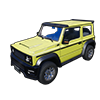
Suzuki Jimny Sierra | 2019 | SUV / off-road |
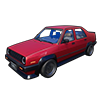
Volkswagen Jetta | 1984 | Sedan |
Mitsubishi Minicab | 1985 | Kei truck / van |
Hino Poncho | Modern | Bus / commercial vehicle |
Original NTE coupe | Fictional | Original design (no real-world twin) |
An in-city brand called Surpass Motors (sometimes referred to as "New Surpass Motors") also supplies retro-style scooters and sport motorbikes on top of the main Regalia, Novus, and TerraX line-ups. Additional models are planned for post-launch updates, and new roster entries appear on this page as they are added to the database.
Eleven named vehicles are catalogued in the database so far. The roster below covers every car, motorcycle, and moped that has been added to the game. Each entry links to its dedicated wiki page with full stats, repair costs, customization slots, and acquisition notes.
Image | Vehicle | Type | Manufacturer | Tier | Price (Fons) | Top Speed | Total Score |
|---|---|---|---|---|---|---|---|
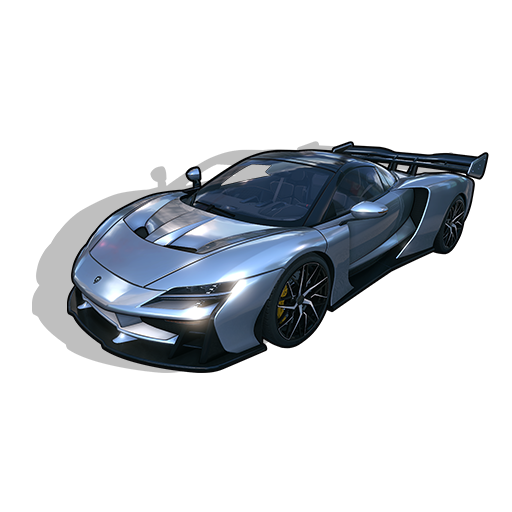
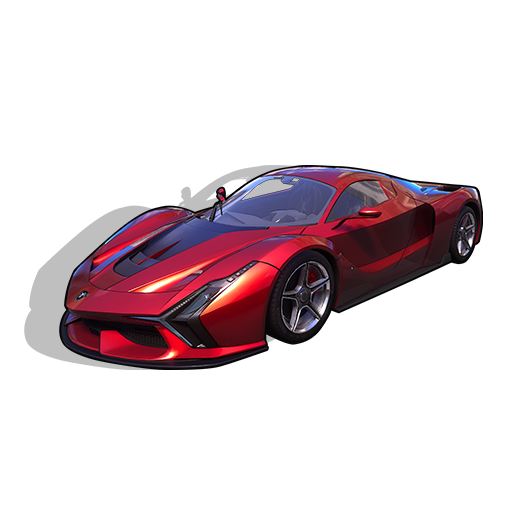
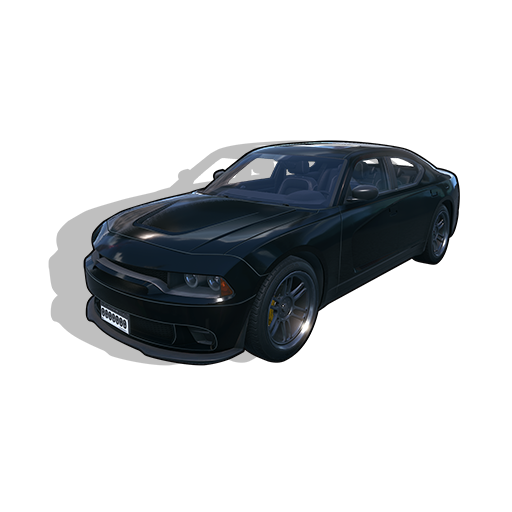
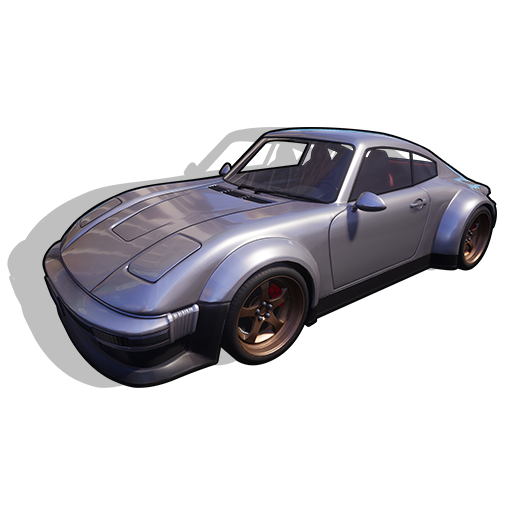
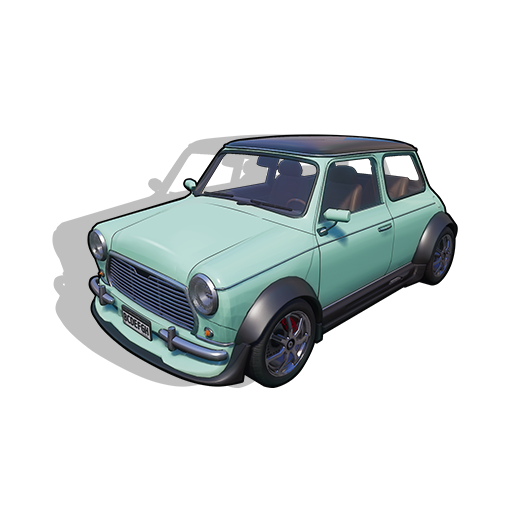
| Car | S | 10,000,000 | 193 | 235 | ||
| Car | S | 8,750,000 | 191 | 220 | ||
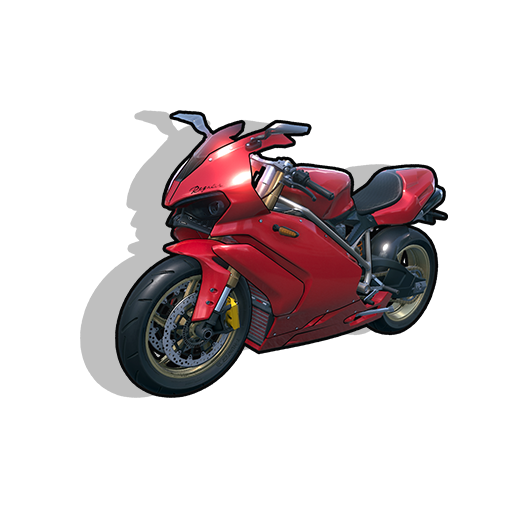
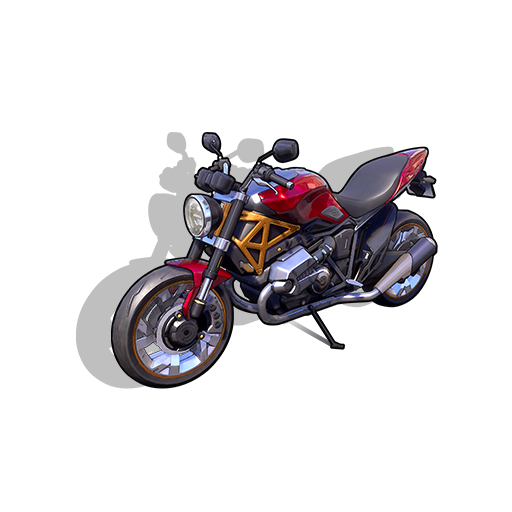
| Motorcycle | S | 2,450,000 | 180 | 222 | ||
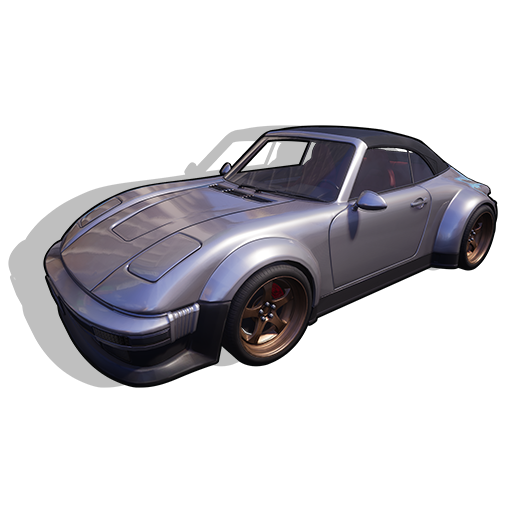
| Car | B | 1,800,000 | 170 | 186 | ||
| Car | A | 1,720,000 | 172 | 207 | ||
| Car | A | 1,500,000 | 170 | 196 | ||
| Car | B | 350,000 | 146 | 171 | ||
| Motorcycle | B | 250,000 | 140 | 178 | ||
| Car | C | 240,000 | 138 | 163 | ||
| Car | C | 50,000 | 130 | 151 | ||
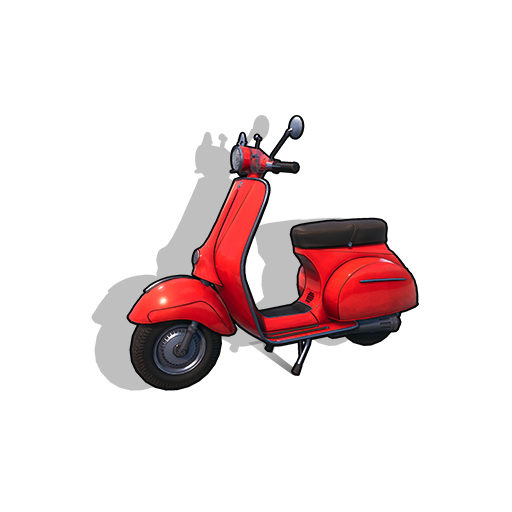
| Moped | None listed | C | Reward | 40 | 57 |
There are four ways to put a vehicle in the player's hands. Only dealership purchases and reward unlocks produce a vehicle that can be stored in the garage and customized; the two requisition methods produce temporary rides that despawn after the session.
Method | Description |
|---|---|
Dealership Purchase | Buy a vehicle from a manufacturer dealer in Hethereau using Fons. Dealerships are accessible early in the game. Purchased vehicles are stored permanently in the player's garage. |
Badge Requisition | With help from Mint and the Bureau of Anomaly Control, flash the Appraiser badge to peacefully borrow any NPC's car on the street. No wanted stars are earned if the NPC complies. Not all drivers cooperate. See Vehicle Requisition for the full procedure. |
Forceful Requisition | Attack an NPC and take their vehicle by force. This triggers the wanted system and may lead to the Detention Center if the player gets caught. |
Collecting / Rewards | Certain vehicles are unlocked through gameplay activities, events, pre-registration milestones, and progression rewards rather than through a purchase. The Rover A1 moped is the clearest example on the current roster. |
Vehicles are purchased through dealerships and shops around the city using Fons, the city's soft currency. Prices vary widely depending on the vehicle class: a basic moped costs nothing at all while a top-end S-tier supercar like Pendragon goes for ten million Fons. All purchased vehicles are stored in the player's personal garage, which can be accessed from designated points around the city.
Players can own multiple vehicles simultaneously and switch between them at the garage. Each vehicle retains its customization settings when stored, and the garage itself unlocks through the City Tycoon progression system. Damaged vehicles can be repaired at workshops throughout the city, with the repair bill scaling to the vehicle's tier.
Garages throughout Hethereau serve as both repair and customization facilities. The system covers both visual modifications and performance tuning, so the same chassis can be styled differently, tuned differently, or both. See Vehicle Customization for the full system overview and interaction with Street Racing.
Paint jobs and color changes, including metallic and matte finishes.
Decals and custom graphics applied to specific panels.
Body kits that alter the vehicle's exterior silhouette.
Front and rear bumper swaps.
Spoilers and other aerodynamic additions.
Tires and wheels with different designs.
Suspension tuning for ride height and cornering stiffness.
Engine modifications for increased power output.
Gearbox swaps that change shift speed and acceleration curves.
Handling adjustments for tighter cornering and differential lockup.
Brake balance and braking strength tuning.
Tire compound choices that change wet-weather grip.
NTE uses a high-fidelity physics engine where each vehicle has its own handling characteristics. The driving layer dynamically reacts to the weather, which means the same car feels different in rain and snow than on a dry road. The developers have confirmed in pre-launch interviews that driving controls and camera behavior are being iterated on through launch and post-launch patches, so small handling changes between builds are expected.
Third-person driving: Default chase camera. Wide view of the road and the vehicle silhouette, which makes it easier to judge distance in traffic.
First-person cockpit view: Optional interior camera with a rendered steering wheel, dashboard, and side mirrors. The sense of speed is noticeably stronger, and custom interior trim choices are visible from this view.
Feature | Description |
|---|---|
Weather Effects | Rain reduces grip and increases slide distance during turns. Snow affects traction and alters drift behavior. Weather changes are dynamic and apply in real time. |
Drifting | Dedicated drifting mechanic that is central to many Street Racing events. Vehicles with higher drift ratings slide more predictably through corners. |
Vehicle Damage | Vehicles sustain visible collision damage. Tires can be popped, glass is breakable, and heavily damaged vehicles may explode. Damage affects handling, not just appearance. |
Driver Interactions | Horn, eject-at-speed, companion passengers with ride animations, and an adjustable in-car radio with multiple stations. |
Navigation | Setting a destination on the map paints glowing turn arrows on the road ahead while driving. |
Traffic AI | NPC traffic with varied vehicle types creates a realistic urban flow. Street vehicles are not just set dressing; they can be requisitioned, crashed into, or used as cover. |
In a direct nod to the game's open-world crime-sandbox influences, players can requisition NPC vehicles on the street. Walking up to an occupied vehicle and interacting with it attempts a takeover. The outcome depends on the NPC: some drivers willingly step out without a fight, while others resist, triggering a short forcible acquisition sequence where the player physically removes the occupant.
Badge-flash requisitions keep the player's record clean when the NPC cooperates. Forceful requisition always raises the player's wanted level, with the exact amount of heat generated depending on the circumstances. Stealing from a passive NPC in a quiet neighborhood adds fewer stars than carjacking in front of a police patrol. Once the player is in a stolen vehicle, any reckless driving (hitting pedestrians, crashing into objects) piles on additional wanted stars. See Vehicle Requisition for the full breakdown of wanted tiers and police response.
Driving ties into a number of ongoing activities. Some are money-makers, others are side content, and all of them reuse the same underlying vehicle mechanics.
Activity | Description |
|---|---|
Race against NPC crews in different city districts or compete in multiplayer racing lobbies with other players. Drifting is a core racing feature, and several courses reward drift-heavy vehicles. | |
Part of the Hethereau Hobbies gig economy content. Pick up passengers and deliver them across districts. Earn Fons per trip plus tips for smooth driving. | |
Delivery Missions | Speed-based delivery quests that reward fast and careful driving. Cargo damage reduces payout, so these runs favor stable vehicles over raw top speed. |
Bus Driving | Operate public buses along scheduled city routes. Pays less per minute than taxi work but stacks progression toward the hobbies system. |
Train Driving | Drive trains across the city's rail network on set tracks. Slower pace than the other activities and tied to the public transport progression line. |
Beyond personal vehicles, Hethereau has a full public transit system that players can use for traversal without owning a vehicle at all. These options are free or low-cost and useful for crossing the city quickly when a personal car is not nearby.
Transport | Description |
|---|---|
Train Network | Extensive rail system connecting every district of the city. Faster than driving for cross-city trips since it bypasses traffic entirely. |
Trams | Street-level public transit running through urban areas. Useful for short-to-medium hops within a district. |
Buses | Public bus routes that players can ride as a passenger or drive themselves as part of the bus driving hobby. |
A supernatural fast-travel option tied to the game's anomaly lore. Lets players zip across Anomaly zones to reach distant destinations quickly, separate from the normal rail network. |
Personal vehicles and public transit are not the only movement options. Characters have a full on-foot moveset that integrates with Esper abilities, which makes parkour and traversal its own satisfying loop.
Standard running, sprinting, jumping, climbing, and swimming.
Wall-running enabled by certain Esper abilities.
Parkour across buildings and rooftops.
Anti-gravity gliding, such as Nanally's Esper ability that lets her float and glide over rooftops.
A regenerating stamina bar governs most special movements (running is free). Stamina recharges automatically between bursts.
Seamless transitions between on-foot parkour, swimming, and driving. The player can step out of a moving car and immediately continue on foot without a loading screen.
Buy a cheap starter vehicle early. Even a moped or a C-tier car is far more cost-effective for exploration than waiting to afford a top-end ride.
Motorcycles are faster than cars in many situations because they can weave through traffic, but a single crash at high speed is punishing. Glass repair is zero on most bikes, but explosion repair is still costly.
If a requisition goes wrong and the police respond, break line of sight immediately rather than continuing to drive recklessly. Running up to three wanted stars draws drones that can destroy a vehicle in seconds.
Racing rewards scale with difficulty. Harder races against faster opponents pay out more Fons, so saving for a higher-tier vehicle snowballs quickly once the player can win mid-bracket events.
Customization is both cosmetic and functional. Performance tuning (suspension, engine, brake balance, tire compound) noticeably changes how a specific vehicle behaves, especially on rain-slick or snowy roads.
The train network is faster than driving for cross-city trips because it ignores traffic entirely. Save personal vehicles for in-district errands, drifting runs, and bounce-around exploration.
Neverness to Everness launches globally on April 29, 2026. Most of the vehicle information on this page was confirmed during the Containment Test and the Co-Ex Test betas and has been refined in pre-launch interviews. Developers have confirmed that more vehicles, driving UI polish, improved camera behavior, and refined handling are planned for launch and post-launch updates, so small changes between the beta state and the live game are expected.
Both cars and motorcycles are purchased at local dealerships scattered across the city. Each dealership specializes in a slice of the roster, so finding the right storefront is part of shopping around for a chassis that fits the current budget and the kind of driving the player wants to do. Dealerships are marked on the city map and open early in the game, which means a starter vehicle is reachable before most combat and commission content becomes relevant.
A key fob lives on the player's hotbar as a standing shortcut. Pressing it summons the vehicle that best fits the current terrain. On normal city streets and highways the fob drops the bound car next to the player, while narrower areas where a full-size car cannot fit spawn a smaller two-wheeler such as a scooter or a bike instead. The fob is the fastest way to recover from getting stranded on foot, because it does not depend on walking back to a parked ride.
The vehicle summoned by the fob can be swapped, so any garage entry can be elevated to the default summon once it is owned. A common mid-game preference is to bind the Enforcer to the fob because it is one of the faster cars available in the beta, which turns the key fob into a dependable way to get around at pace.
Driving input matters a lot for how the cars feel. On keyboard, turning is binary and the steering response has a stiff, unresponsive character: small corrections are hard to dial in and the car often feels like it is fighting the player mid-corner. On controller, the same chassis steers noticeably smoother because an analog stick can feed in partial inputs, which is what the handling model was tuned around. Players who find the car hard to control on keyboard usually find the same car much more forgiving after switching to a gamepad.
Driving physics were overhauled between betas. The prior beta's cars turned from the middle of the chassis, which made cornering feel floaty and slightly unrealistic. The current beta's cars turn more like real vehicles: the front wheels steer, the rear follows, and weight transfer reacts to throttle and brake inputs. The overall feel is a clear improvement, but it still takes practice to adjust to the new tuning, and drifting in particular requires time to get used to because slide recovery is now more input-sensitive than it was previously.
Input | Handling Feel | Note |
|---|---|---|
Keyboard | Binary steering, stiff and unresponsive in corners | Small corrections are hard to dial in; acceptable for straight-line cruising, rough for tight courses |
Controller | Analog steering, noticeably smoother cornering | Matches the handling model that was tuned for analog input; recommended for drifting and racing |
The weather layer feeds directly into driving performance. Rain reduces grip on the road surface, and a car that does not have enough grip to start with will spin out through corners that would be routine on a dry road. Stock tires on lower-tier cars are the most vulnerable to this, and the effect compounds at speed: the faster the car is going when a corner begins, the more a wet surface magnifies any loss of traction.
Upgrading tires is the direct fix. Tire compound choices under Performance Upgrades change how a chassis holds the road in the specific conditions it is most often driven in, so the same vehicle can be built to feel predictable on rainy city streets, dry highway loops, or rougher terrain at the city edges. Matching tires to the expected road type keeps the car planted when the weather turns and removes the spin-out risk that unupgraded tires introduce on a wet surface.
Weather | Effect on Driving | Mitigation |
|---|---|---|
Dry | Baseline grip; handling feels as tuned for each chassis | Stock tires are fine for most routes |
Rain | Reduced grip; unupgraded cars spin out on corners | Upgrade tire compound at a workshop; slow entry speeds through turns until the weather clears |
Rough Terrain Edges of the City | Stock road tires lose grip on dirt or uneven surfaces | Use an off-road-tuned vehicle or fit tires suited to that terrain before leaving paved roads |
Vehicles can be abandoned mid-drive. Triggering the exit command while the car is moving launches the player out of the seat; the character takes fall damage from the impact but does not die from a normal-speed ejection. The vehicle itself keeps rolling with no driver until it comes to a stop on its own, either because it coasts to zero velocity on a flat road or because it hits something. This is useful for quick-dismount situations: ditching a car at the edge of a combat encounter, bailing out just before a bad landing on uneven terrain, or repositioning while the ride covers the last stretch on its own.
Characters with a high enough bond through the Affinity System can ride shotgun in the player's car. Once the bond gate is met, the passenger sits in the empty seat during drives and talks to the player while the car is in motion. The chatter depends on the companion and on what the car is doing at the time. Nanally, for example, reacts positively to high-speed driving: fast runs through city streets produce a different response from her than slow cruising, which makes the shotgun slot a way to hear extra character voice lines beyond what the bond quests unlock on foot.
The scooter is handed out during the early tutorial in the current beta, rather than locked behind a mall purchase as it was in the prior beta. This means a small two-wheeler is in the player's garage before the open city fully opens up. The scooter keeps being useful well past the tutorial because its small footprint lets it slip through enemy camps and across rough terrain that would stop a full-size car, so it earns its hotbar slot even after a faster chassis has been bought at a dealership.
Vehicle skins are distributed as rewards on the character gacha board. The character pull uses a board-game layout where every roll moves an avatar across tiles, and the tiles on the outer path of that board include cosmetic rewards alongside the mainline featured-character tiles. A portion of those outer-path tiles award vehicle skins when landed on, which means that pulling for a featured character can incidentally hand out a cosmetic set for an owned vehicle. Skins only change the vehicle's appearance, so the handling numbers on a chassis stay identical regardless of which skin is currently applied.
The Enforcer is one of the faster cars available in the current beta roster, and it is an on-hand pick for the vehicle bound to the key fob once the player owns one. Binding a fast car to the fob turns the summon shortcut into a practical fast-transport option for longer cross-city trips where the scooter or a starter car would be too slow. Players who prefer bikes can bind a motorcycle to the fob for the same reason; the point is that the fob always summons whatever the player has elected as their default, and the Enforcer is a common default in the current build because its top speed is among the best on the cars tier list.
Several city activities are reached by driving between their start points, which gives the vehicle roster an extra role as a traversal layer between content. The Pink Paws Heist bank runs start at a designated city location that is easiest to reach by car, and non-progression heist runs do not cost city stamina, so there is no daily reason to avoid driving to them. Street Racing events and Taxi Driver gigs reuse the same driving layer as regular exploration, which means improvements to handling from tire upgrades and fob-bound fast cars pay off directly in those activities as well.
Cars and motorcycles are purchased at local dealerships.
A hotbar key fob summons a terrain-appropriate vehicle.
Keyboard input feels stiff; controller input feels smooth.
Driving physics were overhauled between betas; cars now steer from the front wheels instead of the middle of the chassis.
Drifting still takes practice after the physics overhaul.
Rain reduces grip; unupgraded tires cause spin-outs in the wet.
Jumping out of a moving car deals damage but does not kill.
A jumped-out car keeps rolling until it stops on its own.
High-bond companions can ride shotgun and talk during drives; Nanally reacts positively to high-speed driving.
The scooter is unlocked during the early tutorial in the current beta.
Vehicle skins drop from outer-path tiles on the character gacha board.
The Enforcer is a fast car and a common pick for the key-fob default summon.