

This article is incomplete
Some sections are missing or need additional details. Help improve it by contributing.
Overview
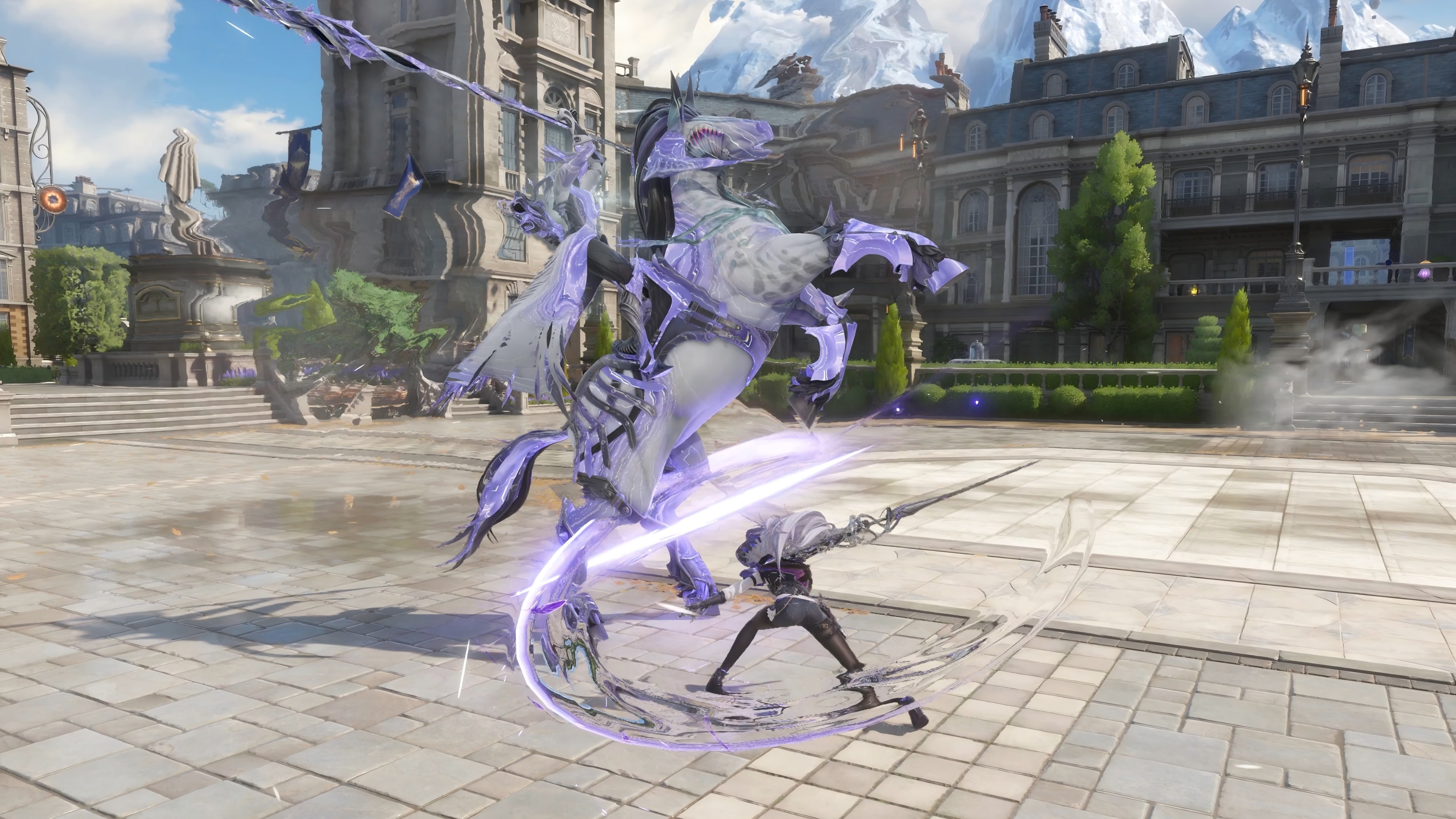
Resonance is a per-character combat mechanic in Silver Palace. Each character builds their own Resonance meter as they attack, and once that meter is full a Resonance Effect is triggered based on that character's Reactor attribute, significantly increasing the damage they deal. Reactor attribute is the game's own term for the element type a character channels, so Resonance is the point where a character's element turns into a concrete damage spike.
How it Works
Resonance is a resource the player fills through offence, not a passive checked at team-build time. Attacking charges the active character's meter, and that meter belongs to that character alone, so a party of four carries four separate meters that fill at different rates depending on who is holding the field. The trigger condition is described entirely in terms of the individual character and their Reactor attribute, with no reference to what anyone else in the party is carrying. Resonance complements rather than replaces individual character skills, ultimates, or the Tactical Assault swap-in attack.
The party maximum is four characters, confirmed by the game's team alongside its description of combat as real-time action with parry and dodge as its axis. A player therefore carries at most four Resonance meters into a fight, and only the meter belonging to whoever is holding the field advances.
What has not been published is the numbers: the fill rate of the meter, how much damage the effect adds, how long the increase lasts, and whether the effect differs in shape between Reactor attributes beyond its damage type. None of those were exposed in a form that can be recorded here. The stated loop is the part that is firm: attack, fill the meter, trigger the effect, keep attacking. Because the payoff comes from sustained offence on one character, Resonance sits in tension with the swap-heavy rhythm of the Silverdrip system, and choosing which of the two to serve in a given fight is part of the sequencing decision.
Element Coverage
Each of the seven Reactor attributes carries its own Resonance Effect. The seven use Latin-derived names that match the academic aesthetic of Silvernia:
Element | Theme | Carriers in the First Closed Beta |
|---|---|---|
Fire / burst damage | ||
Glacies | Ice / crowd control | |
Fulmen | Lightning / stagger | |
Gravitas | Gravity / time dilation | |
Radiatio | Radiation / damage over time | |
Ferrugo | Rust / corrosion (mechanics not yet detailed) | None |
Alba | Light / dawn (mechanics not yet detailed) | None |
Element and Team Building
Element still shapes team building, but it no longer does so through Resonance. Because each character's Resonance Effect keys off their own Reactor attribute, a party stacked on one attribute does not unlock a larger shared bonus, and a mixed party gives nothing up. What element choice actually buys is coverage: a spread party has an answer to more enemy types, while a concentrated party pushes all of its damage through a single type that some enemies will shrug off. Team builders also need to factor in class synergies (Hero / Guardian / Witness front-to-back placement) and Catalyst loadouts on top of element choice.
Beta Limitations
The first test's roster of seven skewed heavily toward Ignis (three characters), with one character per remaining confirmed element and no playable carrier at all for Ferrugo or Alba. That made Resonance Effects hard to compare side by side, because most attributes had exactly one character to observe them on. The Dichotomy Beta widened the index to fifteen filled character profiles across sixteen slots, eight of them new to that test, which put at least two carriers on most attributes and left only Ferrugo without one.
What Changed From the First Test
The reading of Resonance that took hold after the first closed beta, in which a party of matching elements unlocked a shared bonus and fired an area-of-effect elemental attack, does not match the description given ahead of the second test. That description is the per-character meter set out above: characters build their Resonance meters as they attack, and a Resonance Effect fires when a meter fills, based on that character's Reactor attribute. Where the two readings conflict, the per-character one is current.
The earlier reading was assembled from watching first-test footage rather than from a stated rule, which is how a team-composition requirement came to be attached to a mechanic that never had one. Element still matters for team building; the Resonance trigger itself belongs to the individual character.
Element Carriers
The second closed beta widened the roster enough that every element except one now has at least one playable carrier:
Element | Playable carriers |
|---|---|
Ignis | Cinderella, Cynthia II, Alf, Red Rose |
Glacies | Argos, Gratia, Bentham |
Fulmen | Lorin, Rex, Grimm |
Gravitas | The Detective |
Radiatio | Firtho, Captain Kaboom |
Alba | Gucia |
Ferrugo | No playable carrier yet |
The table lists fourteen entries for the fifteen official profiles, which cover fifteen characters. Two of those profiles belong to the sibling detectives, under the epithets The Raven's Claws and The Raven's Beak. Both siblings carry Gravitas, so they share one row here.
Ferrugo is the last element without a playable character, so its Resonance behaviour is still undocumented.
Related Systems
Resonance interacts with several other combat systems: character switching (each party member carries their own Resonance meter, so which character is holding the field decides which meter is filling), the Silverdrip system (both are charged by dealing damage), QTE Combat (parry- and dodge-triggered sequences add attacks and therefore meter), and the gacha system (which determines which Reactor attributes a given player has access to at all).