
Loading...
Combat System
October 30, 2026 at 01:11 AM
Clarify enemy flash attacks, perfect-parry costs and resource-based abilities.
Phantom Blade Zero's combat is fast, weapon-fluent, and deliberately spectacle-oriented, designed to evoke Hong Kong martial-arts cinema rather than the slower attrition of soulslike games. Hands-on previews have repeatedly described it as a deadly dance, with comparisons closer to Devil May Cry and Ninja Gaiden than to a traditional FromSoftware loop.
Director Soulframe Liang has explicitly rejected the soulslike label, framing the design instead as cinematic action that prefers stagecraft and rhythm over gatekeeping difficulty. The team has called the design "handcrafted" and "thoughtfully" assembled rather than systemic-grind oriented. Earlier combat descriptions grouped sprinting, dodging and parrying as bar-draining actions. Practical defense distinguishes a held guard from a perfect parry: maintaining Guard Stance consumes Sha-Chi, while a perfectly timed parry negates both damage and Sha-Chi loss from that hit. Standard light attacks do not consume Sha-Chi.
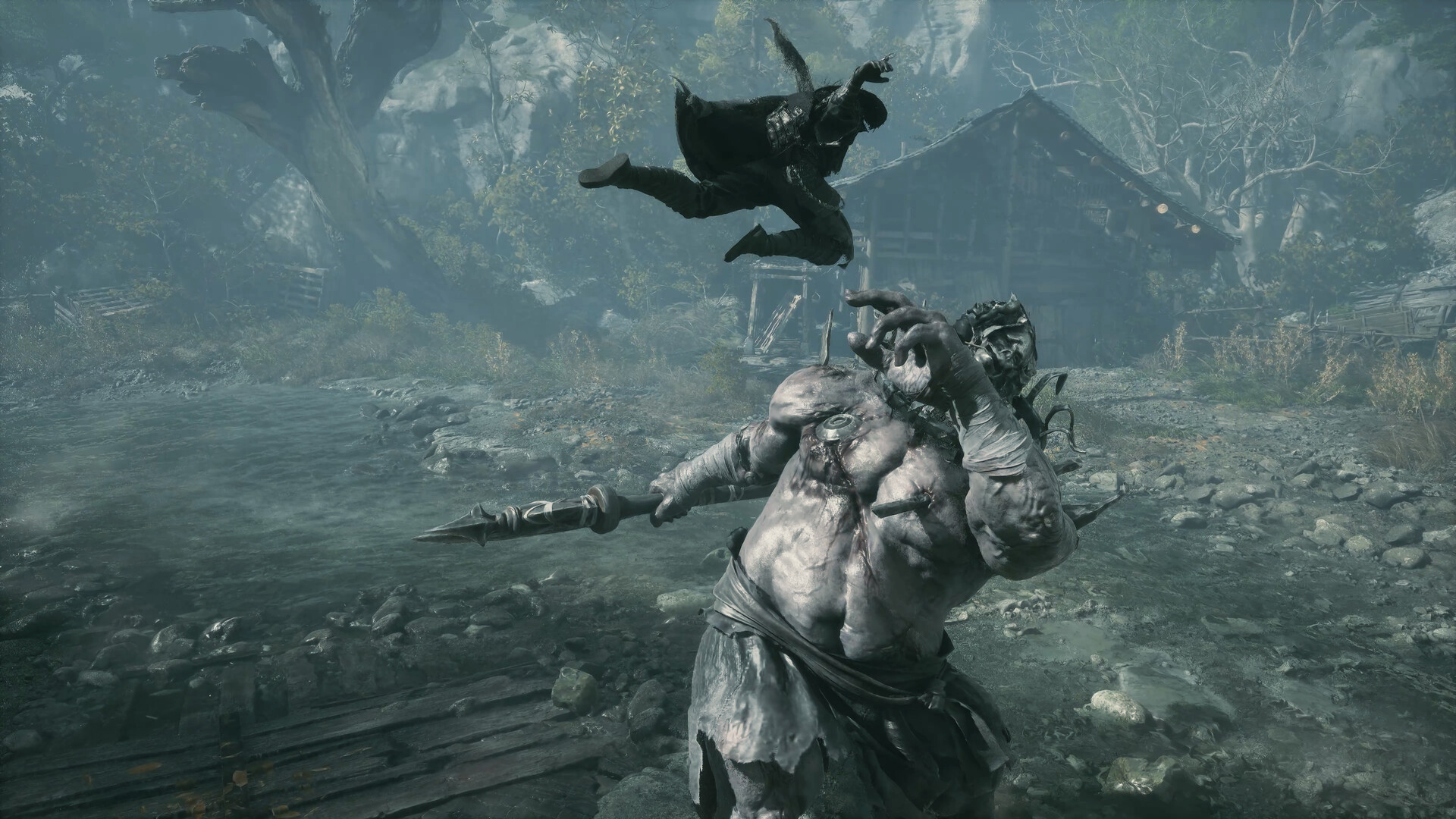
Six interlocking systems define how a fight feels moment to moment:
Pillar | Effect |
|---|---|
Swap between primary weapons mid-combo to keep tempo and access different ranges/movesets without dropping pressure. | |
Time a deflection on incoming hits to open a punish window. A perfect parry negates damage and Sha-Chi loss from the hit while depleting the attacker's Sha-Chi. | |
Short directional dash with i-frames; sustains momentum during multi-enemy fights and repositions Soul off-axis. | |
Resource that builds with successful aggression and is spent on enhanced strikes; ties pacing to performance rather than to a fixed cooldown. | |
Enemy attack cues: parry a blue-flash Brutal Move or perfectly dodge a red-flash Killer Move to trigger a Ghost Step counter. | |
Per-blade ultimate built up across an encounter; functions as the largest single damage event Soul can deliver. |
More than 30 main weapons cover wuxia archetypes from twin sabers to spears, polearms, soft blades, and beyond. Each weapon owns its own Skills tree and a Power Surge finisher. A further 25 Phantom Edges sit as off-hand armaments and can be mixed with any main weapon, giving the player a build vocabulary that is closer to fighting-game special moves than to passive stat sticks.
Many of Soul's signature movesets adapt named martial-arts styles. The Drunken Sword style, showcased in S-GAME's April 2026 behind-the-scenes video, is a clear example: real drunken-boxing footwork captured from a stunt performer and translated into Soul's sword combat. The same authenticity-first pipeline runs through Motion Capture and Choreography generally, with the studio publicly committing not to use generative AI in the final game.
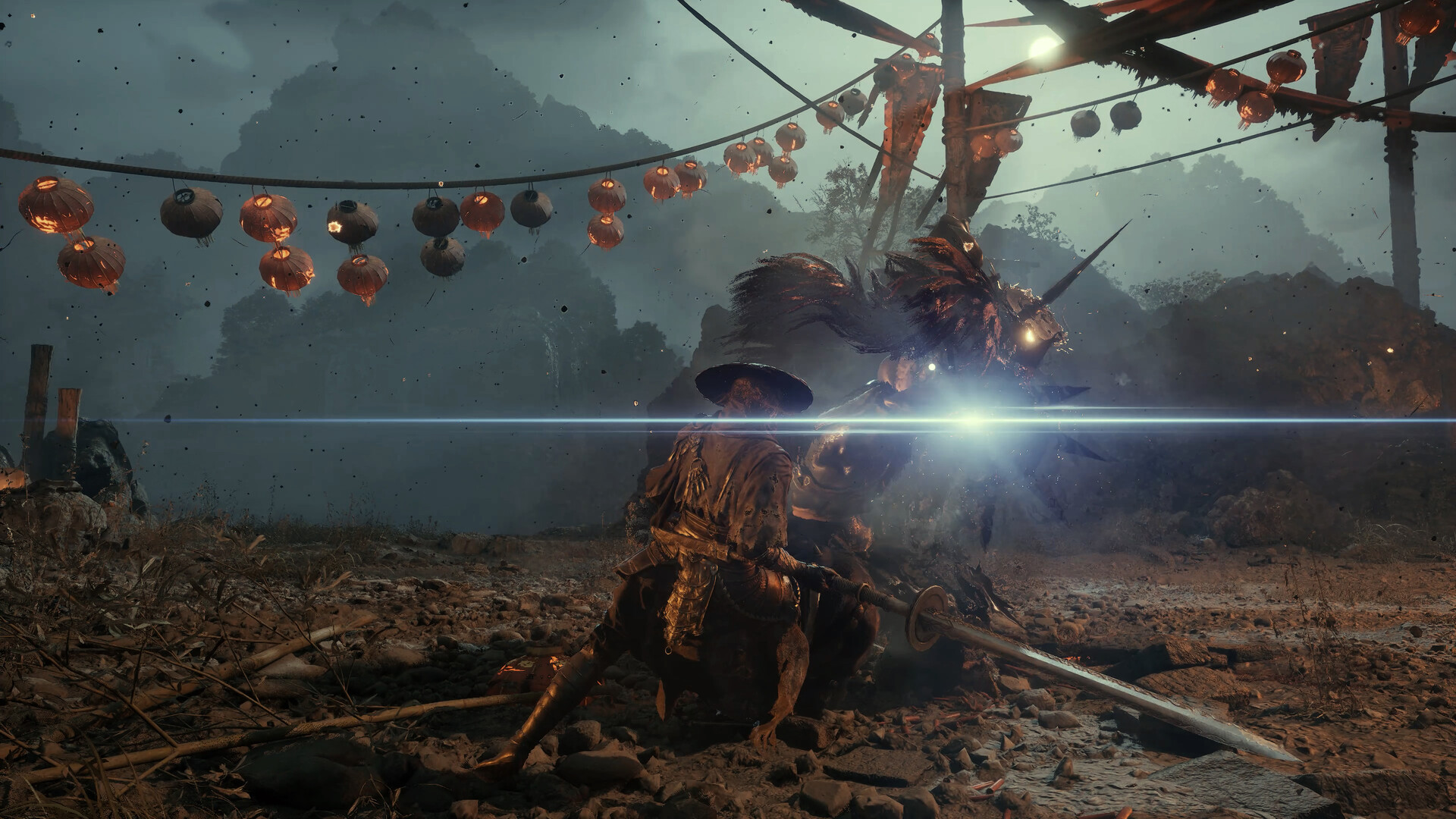
Difficulty modes (Wayfarer, Pathbreaker, and Hellwalker, all selectable from the start, plus Sixty-Six Days, which unlocks after one completed playthrough; see Hellwalker Mode) change much more than damage numbers. Hellwalker gives enemies a more aggressive behaviour-tree AI that feints, pauses mid-combo and reacts to what the player does, plus new skills and combos. See Difficulty and Progression for the full progression curve.
Boss fights restart from the second phase rather than the start when Soul falls late in an encounter
Endings can shift with how many times Soul dies, adding narrative weight to repeated failure
Side quests and branching paths can permanently alter both encounter rosters and final confrontations
PS5 offers three button layouts, while PC provides more flexible remapping. Check the selected layout when following a move input: the button labels in a guide need to match the configuration being used. The audio settings also let players adjust the tone of clashing blades.