

Overview
As of Patch 0.1.7 (August 10, 2026), the average Parafolk lifespan is 112 in-game days, raised from 98. The rebalance lengthened the adult stages and trimmed the pre-teen and earlier stages, so a Para now spends proportionally more of its life as an adult. Lifespan can still be adjusted through the Storyteller settings.
Lifestages are the age-based progression system in Paralives. Every Parafolk passes through up to 8 distinct lifestages during their lifetime: Baby, Toddler, Child, Preteen, Teenager, Young Adult, Adult, and Elder. Each lifestage comes with its own perks, restrictions, and gameplay mechanics that determine what a Para can do, which skills they can learn, and how they interact with the world around them.
Lifestages are set during character creation in the Paramaker. When creating a new household, the player chooses which lifestage each Para belongs to. The game tracks precise ages in the background (for example, 24 years old), but displays them as lifestage categories rather than exact numbers. According to developer Sonia, "We have ages in the background but they will be displayed as lifestage." Once a Para is placed into the game world, their lifestage cannot be changed during normal gameplay without cheats.
The Eight Lifestages
Baby
The Baby lifestage begins at birth and is the most dependent stage in the game. After they are born, Parafolk immediately enter this lifestage. Babies can spend time on their backs, giggling or trying to suck on their own feet. They can also be carried by older Parafolk in the household. Despite their young age, Baby Paras can move independently by walking on all fours, giving them a degree of autonomy even at this earliest stage.
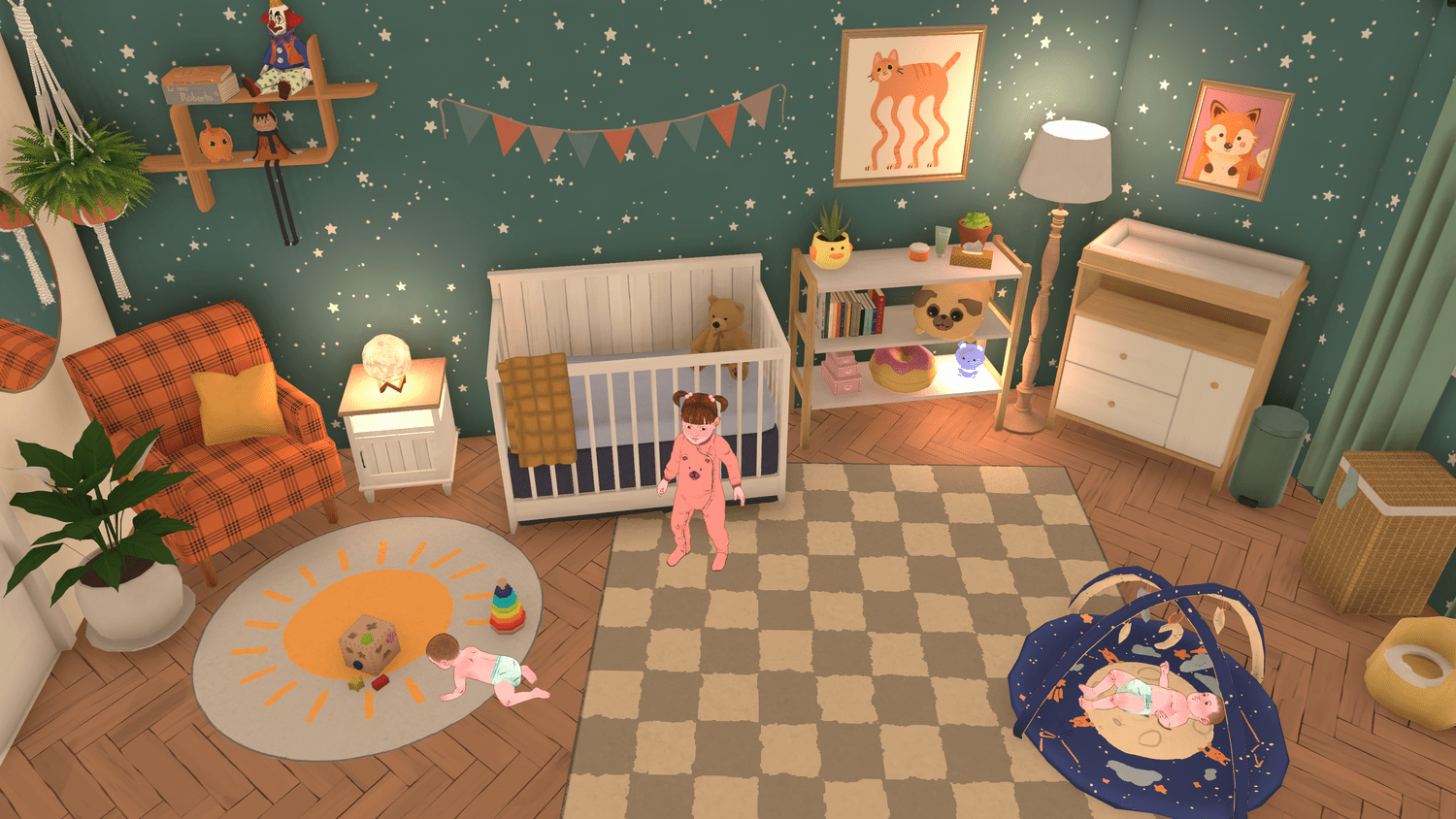
Baby Paras are born without inheriting any personality-related characteristics from their parents. According to developer Anna Thibert, "a baby's personality will entirely develop over time" as the Para grows through subsequent lifestages. All babies share the same in-game height, and the height slider is not available for this lifestage in the Paramaker. Babies and Toddlers were first revealed in detail in June 2025 alongside a show of customization options including hairstyles, clothing, and footwear.
Toddler
The Toddler lifestage follows Baby and represents the early stages of childhood development. Like Babies, Toddlers do not have access to the height slider in the Paramaker, meaning all Toddlers are a fixed size. Toddlers are more mobile and interactive than Babies, but they still require significant supervision from older household members. Their Needs must be carefully monitored by adult Paras, as failing to care for them can trigger a child services intervention.
Child
The Child lifestage marks the beginning of more independent gameplay. Children can attend school, which functions as their primary occupation in Live Mode. They are eligible for either elementary or high school. Children experience growth spurts during this lifestage, with physical changes occurring at specific percentage thresholds as the stage progresses.
Skill development begins to open up during the Child lifestage, though not all skills are available. The ability to start learning a new skill and to reach higher levels evolves over time as a Para ages. For safety reasons, Children can only cook when supervised by an older Para. This reflects the game's realistic approach to age-appropriate activities.
Preteen
The Preteen lifestage begins around age 9 and lasts approximately 8 in-game days. This is a transitional stage that bridges childhood and the teenage years. Preteens can attend either elementary or high school, similar to Children. The Preteen stage is notable for unlocking the Vibe system, granting 1 stat point, and enabling new social interactions that were not previously available.
Preteens undergo three growth spurts during this lifestage, which produce visible physical changes in height and body proportions. Like Children, Preteens still require monitoring from adult household members, though they are somewhat more self-sufficient.
Teenager
The Teenager lifestage brings significantly more freedom and responsibility. Teenagers can attend high school as their primary occupation, but they also have the option to work. This makes them the youngest lifestage that can earn Paradimes through employment, providing an early introduction to the game's economy system.
Teenagers experience growth spurts like Children and Preteens, with their physical appearance continuing to develop as the stage progresses. The range of available skills expands further at this lifestage, and Teenagers can participate in more complex social interactions. They still fall under the category of young lifestages whose Needs require parental supervision, though the degree of oversight is less intensive than for younger Paras.
As of Patch 0.1.3 (June 6, 2026), Teenagers can also flirt and form a romantic relationship with other Teenagers, the youngest lifestage that can pursue romance. See Relationships and Social System.
Young Adult
The Young Adult lifestage covers ages 18 through 30 and represents the transition to full independence. Young Adults have access to the complete range of careers, skills, and social interactions. There are no growth spurts during this stage, as physical development is considered complete. Young Adults can live independently, start their own households, pursue romantic relationships that lead to marriage, and have children.
Adult
The Adult lifestage spans ages 30 through 60. Gameplay during this stage is largely similar to Young Adult, with full access to all careers, skills, and interactions. Adults are often in established households with families, making this a stage where players focus on career advancement, raising children, and building long-term relationships. No growth spurts occur during this lifestage.
Elder
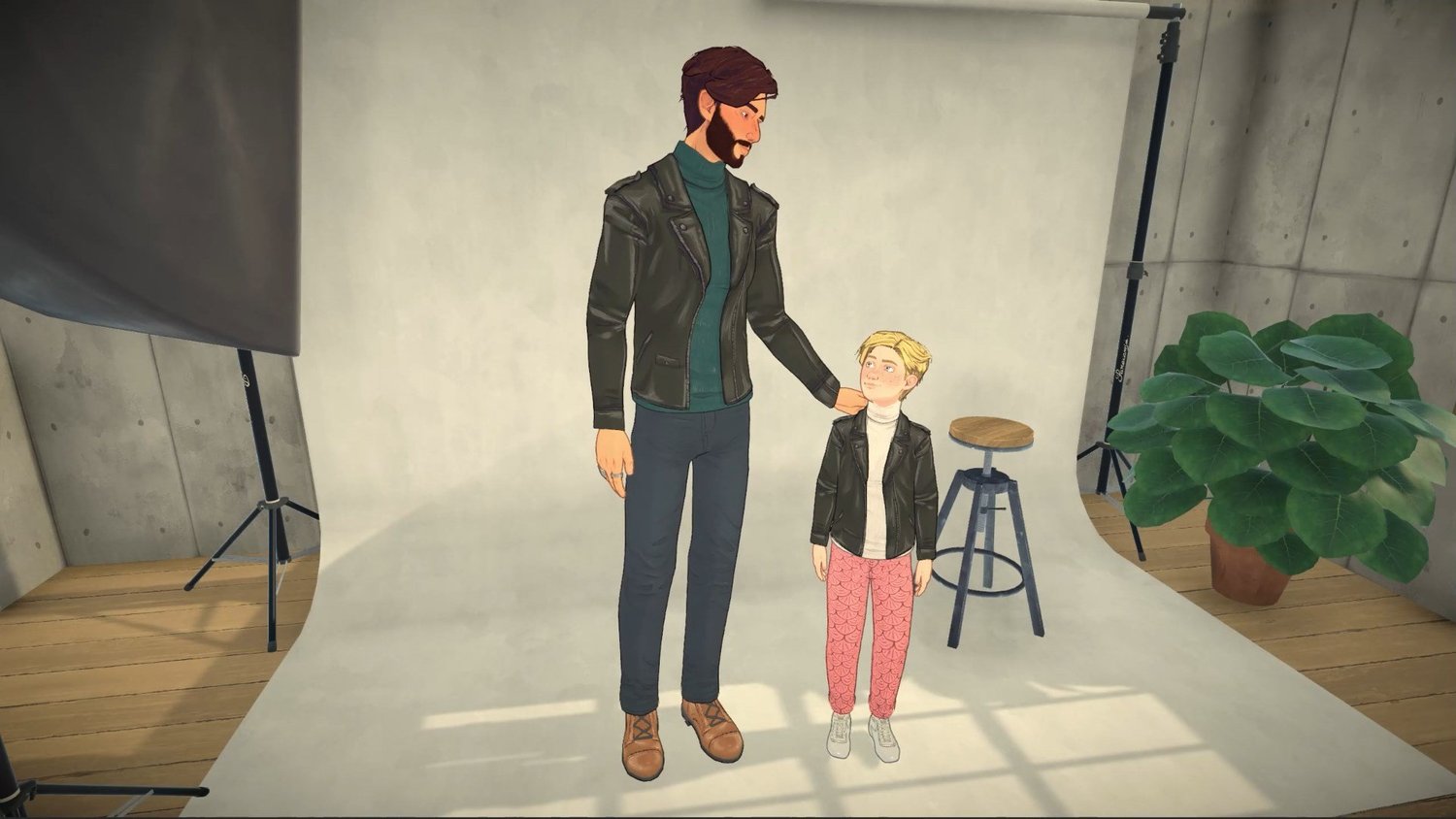
The Elder lifestage begins at age 60 and continues until the Para's death. Elders have access to the same activities as Adults, but they are the final lifestage before natural death. There is currently no afterlife mechanic in Paralives; once a Para dies, they are gone from the game world. Elders do not experience growth spurts.
Lifestage Summary
Lifestage | Age Range | Growth Spurts | Key Features |
|---|---|---|---|
Baby | 0+ | None | Walks on all fours, can be carried, no inherited personality |
Toddler | Varies | None | More mobile than Baby, requires supervision, no height slider |
Child | Varies | Yes | Attends school, begins skill learning, can cook with supervision |
Preteen | 9+ | 3 spurts | Unlocks Vibe system, gains 1 stat point, attends school |
Teenager | Varies | Yes | Can work, attends high school, expanded skills and interactions |
Young Adult | 18 to 30 | None | Full independence, all careers and skills available |
Adult | 30 to 60 | None | Full access to all gameplay systems |
Elder | 60+ | None | Final lifestage, ends with natural death |
Aging Mechanics
Aging in Paralives can be toggled on or off separately for active Paras and NPCs. This gives players fine-grained control over how time affects their households. When aging is enabled, Paras progress through lifestages automatically as in-game time passes. When aging is disabled for active Paras, those characters remain at their current lifestage indefinitely, allowing the player to enjoy a particular phase of life without time pressure.
Disabling aging also prevents growth spurts from occurring. Since growth spurts are hardcoded at specific percentage thresholds within the Child, Preteen, and Teenager stages, turning off aging freezes physical development along with the lifestage timer. This means a Child with aging disabled will not suddenly grow taller mid-game.
Physical Changes
Each lifestage comes with automatic physical characteristics that differentiate Paras of different ages. These include height differences, facial feature proportions, and fat distribution patterns. The game automatically adjusts a Para's appearance as they transition between lifestages. This ensures a Child looks noticeably different from a Teenager, who in turn looks different from an Adult.
Players can further customize these physical characteristics in the Paramaker by adjusting sliders for body shape and facial features. However, the height slider is not available for the Baby and Toddler lifestages, as these characters are locked to a fixed size.
Skills and Lifestages
The skill system in Paralives is directly tied to lifestages. Not all skills are available at every age, and the ability to reach higher skill levels evolves as a Para grows. For example, what a Toddler can learn differs significantly from what an Adult can master. Physical skills like Fitness vary based on the Para's lifestage, with younger Paras having different capabilities than older ones.
Skills reach a maximum level of 20, but the rate of progression and the ceiling available at each lifestage may vary. The developers have noted that more information about the specific influence of lifestages on skill caps and progression rates will be revealed as development continues.
School and Occupations
For younger lifestages, school is the primary occupation. Child, Preteen, and Teenager Paras can attend either elementary or high school. School functions like a job in the game's scheduling system, requiring the Para to leave the house and spend time at the school location during the day.
Teenagers are the first lifestage that can take on work alongside or instead of school. This provides an early opportunity to earn Paradimes and begin exploring the game's career system. Young Adults, Adults, and Elders have full access to all careers available in the game.
Modding
Lifestages are confirmed as moddable features in Paralives. Custom lifestages can be created and shared through the Steam Workshop, allowing the community to introduce new age categories, modify the duration of existing stages, or alter the abilities and restrictions associated with each one. Some lifestages share voice acting options, which modders should keep in mind when creating custom content.
Patch 0.1.6 Fix (July 16, 2026)
Patch 0.1.6 fixed an ageing bug where a Para who aged up from the toddler stage into a child arrived with wrinkles applied to their face. Children now age up without inheriting elder facial detail.