

Overview
The genetics system in Paralives simulates real-life inheritance through genes and alleles. When two Parafolk have a child, the child's physical appearance is determined by the genetic information of both parents rather than being randomly generated. A child does not get traits based on what their parents or grandparents look like; instead, they inherit two copies of genes randomly selected from each parent's gene pool. This distinction is important because it means traits can skip generations and resurface unexpectedly, just as they do in real-world genetics.
The system treats different types of physical traits differently. Some traits, like facial features and height, use direct slider-based inheritance. Others, like hair color, eye color, skin color, and hair texture, use a recessive and dominant allele system that allows traits to be carried silently and reappear in later generations. The developers designed this approach to create believable family resemblances where children look like plausible combinations of their parents without being carbon copies.
Inheritance Types
The genetics system uses two distinct inheritance methods depending on the type of physical trait:
Slider-Based Traits (Direct Inheritance)
Facial features and height are inherited through a direct slider-based system. For each facial region (nose, cheeks, jaw, eyes, and so on), the game randomly selects one parent's slider values as a complete set. This means a child might inherit their mother's entire nose structure and their father's cheekbones, rather than getting an awkward blend of half-values from both parents. The system treats each facial region as a coherent unit to maintain natural-looking results.
Height follows a similar principle. The game selects one parent's height range (short, medium, or tall), then randomizes the exact value within that range. This ensures siblings can have different heights while still falling within a plausible range for their family. Gender differences in height are also accounted for.
Allele-Based Traits (Recessive and Dominant Inheritance)
Hair color, eye color, skin color, and hair texture all use an indirect inheritance model with dominant and recessive alleles. Each Para carries two alleles for these traits, one from each parent. The visible trait depends on the dominance hierarchy: if a dominant allele is present, it overrides the recessive one, but the recessive allele is still carried in the Para's genetic code and can be passed to future children.
This system is the only one in Paralives where traits can genuinely skip a generation. A Para with brown hair who carries a hidden red hair allele can produce a red-haired child if the other parent also contributes a red hair allele. Two brown-haired parents can therefore have a child with an entirely different hair color if both carry recessive genes from their own ancestry.
Direct vs. Indirect Inheritance Summary
Paralives Studio has framed the genetic system around two interlocking ideas. Direct inheritance covers the slider-based traits (facial regions and height); the child receives one parent's coherent set rather than an averaged blend, so noses, cheekbones, eyes, and jaw shapes look like they belong together. Indirect inheritance covers the allele-based traits (hair color, eye color, skin color, and hair texture); each Para carries two alleles and the visible trait emerges from the dominance hierarchy, with the recessive allele still passed to offspring even when it is not expressed.
Locked color codes: When a Para's visible color is set to an unnatural value (neon, blue, purple, and similar fantasy hues), the game stores a hidden natural-color equivalent and uses that locked code when computing offspring traits. The unnatural color is purely visual and is not transmitted to children; the substitution happens silently.
Immutability: A Parafolk's underlying genetic code is set at creation and never changes. Edits to hairstyle, color, or other features in the Paramaker after creation update the visible appearance but not the inherited code, so a Para whose hair color was switched from brown to blonde still passes on the original brown allele.
Hair Texture
Hair texture is one of the most detailed genetic traits in Paralives. The system uses a single gene with four possible alleles, each representing a different texture:
Allele | Texture | Dominance |
|---|---|---|
Coily | Tightly coiled hair with very small, defined curls | Most dominant |
Curly | Hair that forms distinct curls and spirals | Second most dominant |
Wavy | Hair with a gentle S-shaped wave pattern | Second most recessive |
Straight | Hair that falls flat without curls or waves | Most recessive |
The dominance hierarchy follows a simple rule: the more curls, the more likely the trait is to "win" when mixed. If a Para inherits one curly allele from their mother and one wavy allele from their father, the curly allele dominates, and the Para will have one of the curly hairstyles chosen at random. However, the wavy allele is still present in their genetic code and could appear in their children if paired with another recessive allele.
This means a family of curly-haired Paras could produce a straight-haired child several generations later if the recessive straight allele has been silently passed down through the family tree. The hair texture gene is one of the traits that can genuinely skip generations in Paralives.
Color Inheritance
Hair Color
Hair color uses the recessive and dominant allele system. Only the base (natural) hair color is genetically transmitted. If a Para dyes their hair or adds highlights, roots, or tips in the Paramaker, those cosmetic changes are not inherited by children. The underlying genetic hair color remains encoded and is what gets passed to offspring.
Eye Color
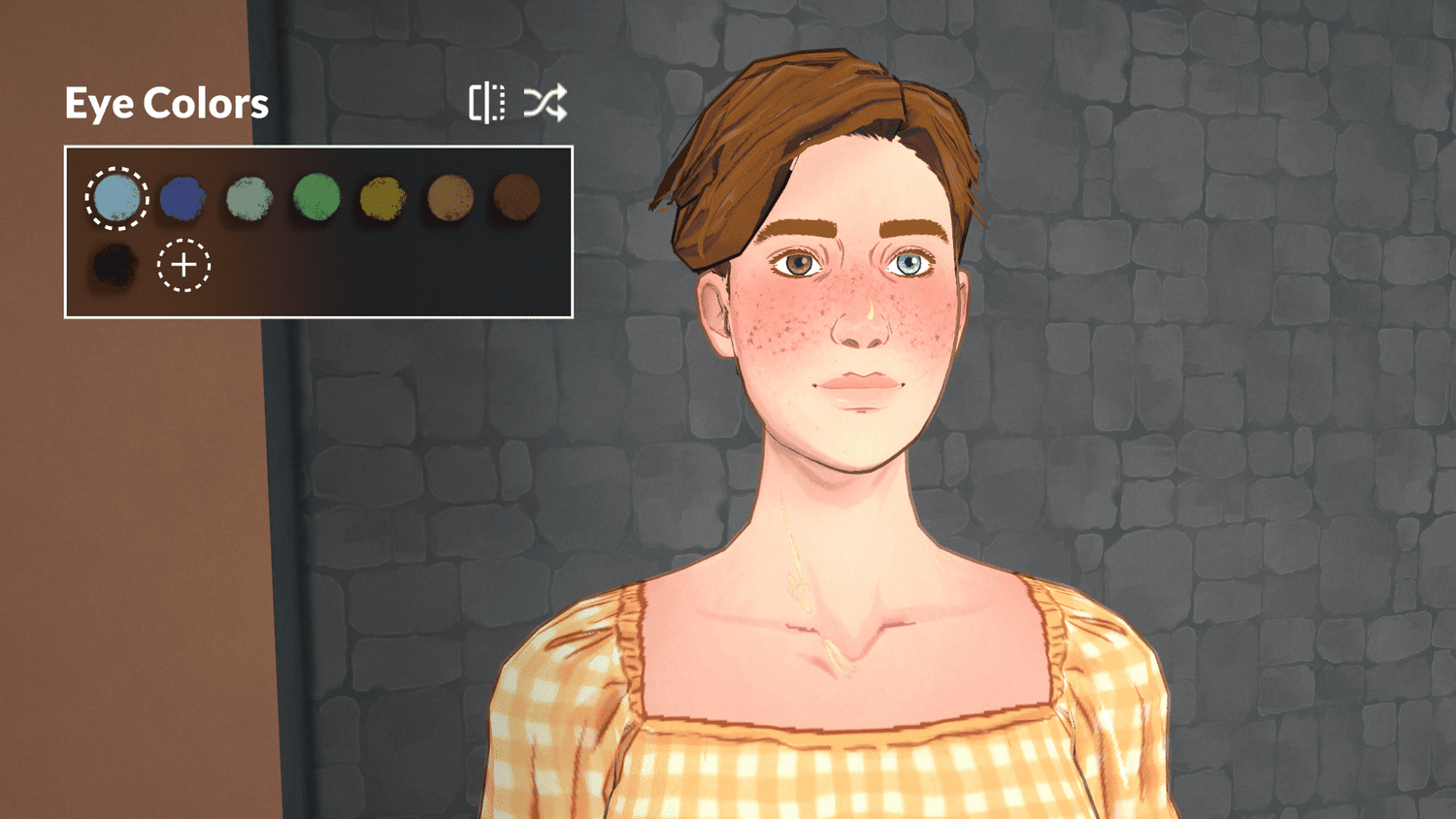
Eye color follows the same recessive and dominant inheritance model as hair color. Each eye's color is determined genetically. However, heterochromia (having two different-colored eyes) cannot be inherited. If a Para has heterochromia, their children will inherit one uniform eye color based on the alleles passed down.
Skin Color
Skin color genetics determine the brightness and darkness of the skin. Children inherit a parent's brightness range, and the exact hue is then randomized within the available swatches for that shade level. This approach ensures that children's skin tones fall within a realistic range relative to their parents while still allowing natural variation.
Unnatural Colors
If a Para has an unnatural hair or eye color (neon, blue, purple, or otherwise impossible natural colors), the game automatically converts it to a realistic genetic equivalent before transmitting the trait to offspring. This conversion happens silently; the player does not see the genetic substitution take place. The child will always have a naturally occurring color, even if their parent's visible appearance includes fantasy colors.
Immutable Genetics
Once a Parafolk is created, their genetic code is permanent. Even if the player later modifies the Para's appearance in the Paramaker (changing hairstyle, eye color, or other features), the original genetic information remains encoded and is what gets passed to children. This means a Para whose hair color was changed from brown to blonde in the Paramaker will still pass on the brown hair gene to their offspring. NPCs created by the game also possess permanent preset genetics that cannot be altered.
Non-Inheritable Traits
Not everything about a Parafolk is determined by genetics. The following traits are not inherited and must be set individually for each character:
Personality, Stats, Vibes, Talents, and Social perks
Eyesight and glasses requirement
Voice pitch
Lifespan and life expectancy
Weight
Lifestyles
Modding Support
The genetics system is fully moddable. Creators can implement custom inheritance rules, assign texture types to hairstyles, establish new genetic rules for accessories, and potentially create occult species with distinct genetic mechanics. Mods can be shared through the Steam Workshop, allowing the community to expand the genetics system well beyond what ships with the base game.
Family Tree Visualization
The visual family tree interface that browses ancestors and descendants is not part of the May 25, 2026 launch build. It is on the during-Early-Access roadmap and will arrive as a free update during the two-year Early Access period. The underlying genetics that the family tree visualizes (dominant and recessive alleles, slider-based facial inheritance, immutable per-Para genetic codes) all ship at launch. See Roadmap and Planned Features for the per-feature schedule.