
Loading...
Loading...
Map and Regions
September 23, 2026 at 07:21 AM
Aligned the Kelly County note with the Trailer 1 exit sign that appears to name it
Grand Theft Auto VI takes place across the state of Leonida, a fictional version of Florida. Rockstar North's head of development has put the map at roughly twice the size of Grand Theft Auto V's. Six major regions have been confirmed through official trailers, the Rockstar website, and accompanying screenshots.
Leonida is divided into counties, but Rockstar has not published a county map. Three county names appear in official trailer footage: Vice-Dale (which contains Vice City), Leonard and Mariana. Ambrosia is one of the six regions named on Rockstar's website. A fifth name, Kelly County, circulates in community maps and appears to be named on a Vice City exit sign in Trailer 1 (around 0:51), but it is not in Rockstar's website copy or official screenshots (checked September 23, 2026).
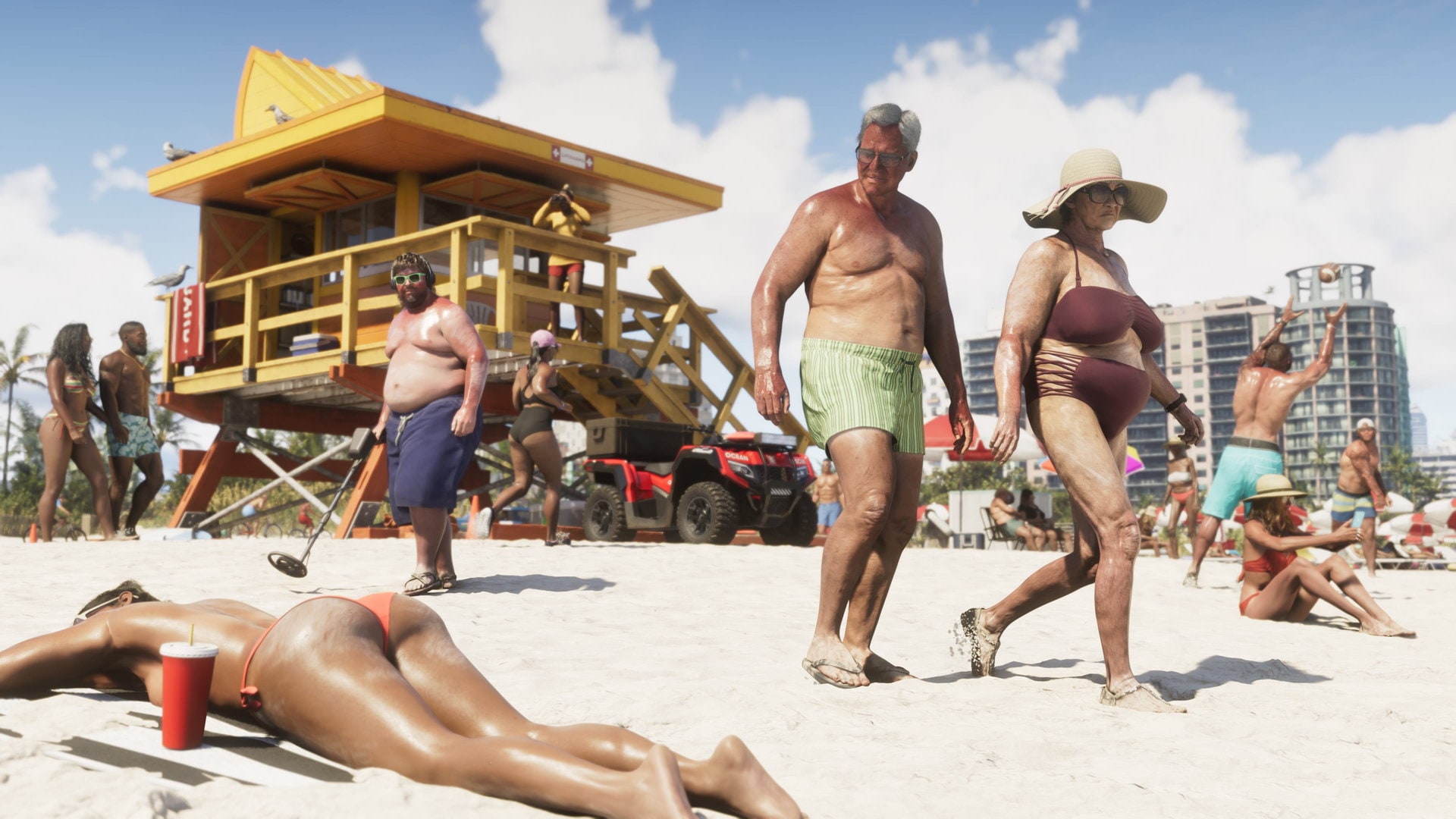
Vice City is the game's primary urban center, a sprawling modern-day metropolis inspired by Miami. It sits within Vice-Dale County. For a detailed breakdown of Vice City's districts, landmarks, and enterable locations, see the dedicated Vice City article.
The city is dense and vertical by GTA standards, with Art Deco high-rises, beachfront hotel strips, and distinct neighborhoods each with their own character. It is the cultural and commercial heart of Leonida.
The Leonida Keys are an archipelago of tropical islands at the southern tip of Leonida, inspired by the Florida Keys. This is where Jason Duval's story begins, as he works for drug runners operating from the islands.
The Keys feature crystal-clear tropical waters, coral reefs for diving, island bars, and boat docks. The area has a laid-back, maritime atmosphere contrasting sharply with Vice City's urban intensity. Underwater exploration and diving are primary activities in this region.
Grassrivers is a vast wetland region in the southwestern part of Leonida, inspired by the Florida Everglades. The area features dense mangrove forests, shallow waterways navigable by airboat, and thick vegetation. Alligators roam throughout the region, and flamingos are visible in the shallows.
The region appears sparsely populated, with scattered fishing camps, wildlife observation points, and small communities along the waterways. Airboats (fan boats) are the primary mode of transportation here.
Port Gellhorn is described as a decaying coastal resort town with a heavy undercurrent of crime. The area has a run-down, once-prosperous feel, with shuttered businesses, cheap motels, and industrial waterfront areas. It contrasts with Vice City's glamor and the Keys' paradise-like atmosphere. Rockstar has not stated which county Port Gellhorn is in; community maps place it in Kelly County.
The criminal element in Port Gellhorn appears more blue-collar and desperate compared to Vice City's organized crime. Trailer footage shows working-class neighborhoods, dive bars, and deteriorating infrastructure.
Ambrosia is a rural and industrial region in the central part of Leonida, inspired by inland Florida. The area features sugar cane refineries, agricultural land, biker culture, and proximity to Lake Leonida, a large central freshwater body. The county has a very different feel from coastal Leonida, with more open roads, farmland, and small-town settings.
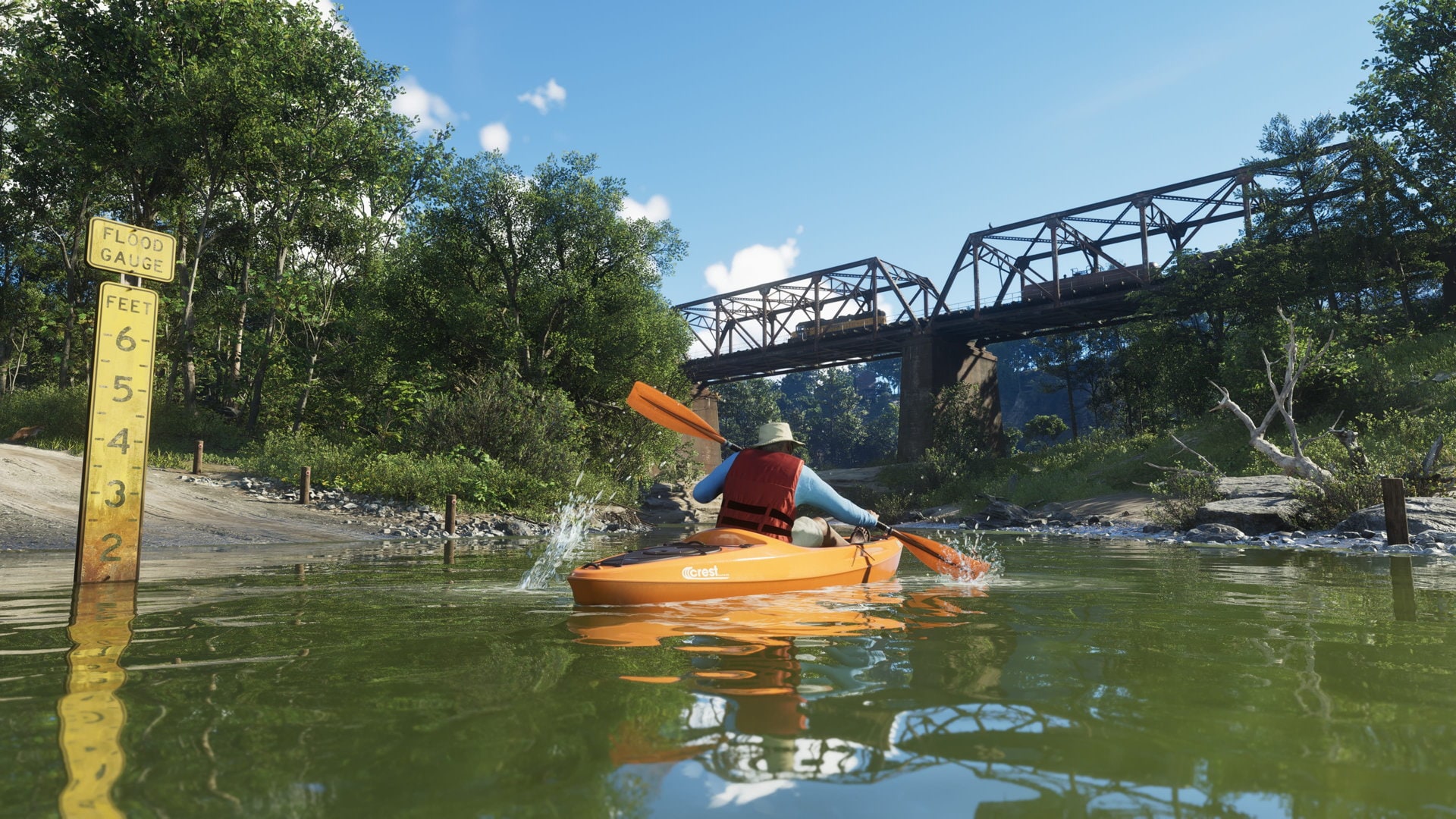
Mount Kalaga is a forested national park in the northern part of Leonida, inspired by Florida's state and national forests. The area provides a wilderness setting with dense tree cover, river systems, and wildlife including deer and panthers.
Rockstar's official website confirms hunting and fishing as activities at Mount Kalaga. Kayaking along the park's rivers is also shown in Trailer 2. The park represents the most rural and natural environment in the game.
Lake Leonida is a large freshwater body visible in the interior of the state, near Ambrosia County. It is inspired by Florida's Lake Okeechobee. The lake appears in aerial shots from the trailers and is a geographic boundary between the urban coastal regions and the rural interior.
License plates visible in Trailer 2 reference "Gloriana State," which has led to speculation about a second explorable state possibly inspired by Georgia. Rockstar has not confirmed whether Gloriana is accessible in the game or simply a detail on imported vehicles. This remains unverified.
Rockstar has given three comparisons for the size of Leonida. They measure different things and none of them contradicts another, which is why all three circulate at once.
Comparison | Figure |
|---|---|
Against the studio's last open world | The playable area is three times that of Red Dead Redemption 2. This is the figure Rockstar gave on the record around the time of the Extended Look and is the one to lead with. |
Against the previous Grand Theft Auto | Rockstar North's head of development has put the map at roughly twice the size of the one in Grand Theft Auto V. |
City against city | Vice City alone is twice the size of that game's city, or around eleven times its size once the surrounding suburbs are counted. |
Rockstar has published no area figure in square kilometres and no crossing time.
Alongside dense urban space, the map extends into rural, swamp, and mountainous terrain, with multiple distinct biome types connected by a highway network.
Five county names are in circulation for the State of Leonida, each associated with its own geography, economy, and cultural identity. Rockstar has not published a county map, so apart from Vice City's place in Vice-Dale County, the real-world equivalents and the locations assigned to each county below are community inferences:
County | Real-World Equivalent | Key Locations | Primary Biome |
|---|---|---|---|
Miami-Dade County | Coastal urban | ||
Broward County | Not published by Rockstar | Suburban, coastal | |
Kelly County (named on a trailer sign only) | Collier / Lee County | Rural towns, ranches, farmland | Agricultural plains |
Hendry / Glades County | Ambrosia town, Lake Leonida, Allied Crystal refinery | Industrial, lakeside | |
Monroe County | Tropical archipelago |
Leonida's regions span at least seven distinct biome types:
Biome | Region | Description |
|---|---|---|
Coastal Urban | Dense city blocks, art deco beachfront, high-rise financial district, nightlife strips | |
Wetlands and Swamp | Mangrove swamps, muddy channels, airboat trails; home to alligators, snakes, and hidden smuggling routes | |
Tropical Archipelago | Palm-lined island chains connected by causeways; sandbars, houseboats, fishing villages | |
Mountainous Forest | Elevated terrain with towering forests, rivers, and wildlife; hunting, fishing, and off-road trails | |
Agricultural Plains | Flat farmland, ranches, small rural communities, open fields | |
Industrial Lakeside | Sugar refineries, working-class towns on Lake Leonida's shore; biker gang territory | |
Decaying Coastal | Former tourist hub with cheap motels, shuttered attractions, truck stops, and an underground economy |
GTA VI features numerous enterable interiors across the Leonida map. Confirmed interior types include nightclubs, hotels, restaurants, pawn shops, gun stores, supermarkets, convenience stores, laundromats, and public transportation hubs like the Vice City Metro stations.
The density of enterable buildings varies by region. Vice City's commercial districts have the highest concentration of accessible interiors, including retail stores, office buildings, and entertainment venues. Rural areas like Kelly County have fewer but larger accessible structures such as barns, ranch houses, and gas stations. The Grassrivers region features isolated interiors such as smuggler hideouts and fishing shacks tucked deep in the wetlands.
Region | County | Inspiration | Character |
|---|---|---|---|
Vice-Dale | Miami | Dense urban, Art Deco, nightlife | |
Not confirmed | Florida Keys | Tropical islands, diving, boats | |
Not confirmed | Everglades | Wetlands, mangroves, airboats | |
Not confirmed | Decaying coastal resort | Run-down town, crime, industry | |
Ambrosia | Inland Florida | Rural, agriculture, biker culture | |
Not confirmed | Florida state forests |
