
Loading...
Loading...
Technology
April 17, 2026 at 11:19 PM
Removed additional external site attributions
Grand Theft Auto VI runs on an updated version of Rockstar's proprietary RAGE (Rockstar Advanced Game Engine). The engine has powered every Rockstar title since GTA IV in 2008, with each iteration bringing substantial improvements. Rockstar has not publicly assigned a version number ("RAGE 9" is a community label, not official).
Rockstar confirmed that all footage in Trailer 2 was "recorded on PlayStation 5," establishing that the visual quality shown represents the console build's actual output.
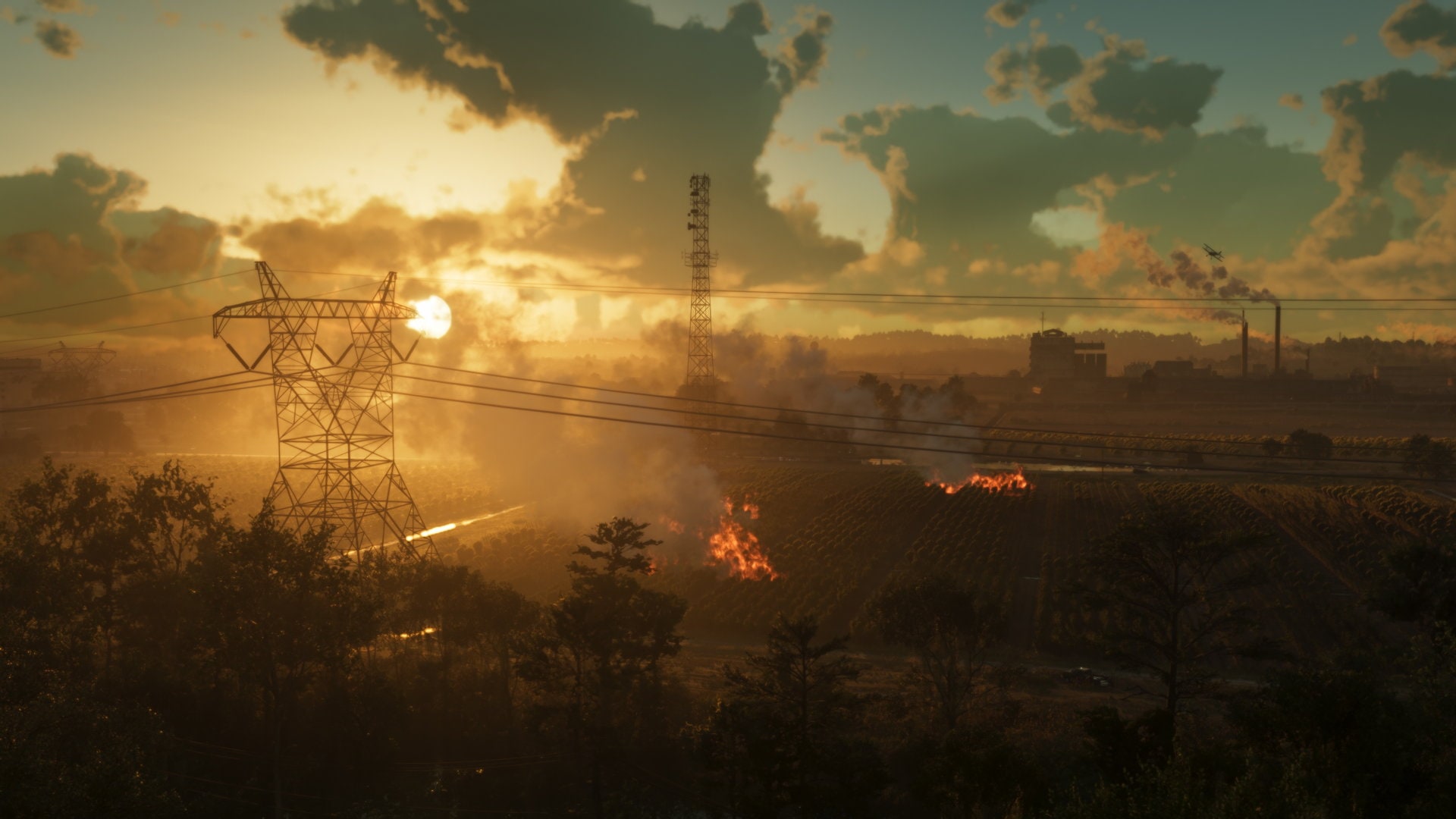
Ray-traced global illumination and reflections are visible throughout both trailers. This produces realistic light bouncing in interiors, on wet surfaces, and across glass-fronted buildings in Vice City. The neon-lit nightlife scenes in particular demonstrate dynamic reflections on rain-slicked streets and car bodywork.
Vehicle mirrors display real-time reflections of the environment behind the car, a technical achievement given the detail level of the surrounding world. This is visible during driving sequences in both first-person and third-person views.
Characters use strand-based hair simulation, where individual hair strands react to wind, movement, and gravity in real time. This is most visible on Lucia's hair during outdoor scenes. Characters' hair also appears to grow over time, suggesting an in-game time progression system affecting appearance.
Clothing physics are similarly advanced. Loose clothing items (shirts, jackets, dresses) move independently in response to wind and character movement. Fabric folds and creases change dynamically based on body position.
Vehicle interiors feature working speedometers, tachometers, fuel gauges, and other dashboard instruments. Rearview mirrors show accurate real-time reflections. Vehicle deformation is physics-based, with damage affecting body panels, bumpers, hoods, and individual parts of the chassis differently depending on impact angle and force.
Tire marks persist dynamically on road surfaces. Road textures change in response to weather conditions, with wet asphalt reflecting light differently than dry surfaces.
The game features volumetric clouds and dynamic weather systems. Rain is visible in multiple trailer scenes, with puddle reflections on road surfaces and realistic wet textures on buildings and vehicles. The Grassrivers swamp region shows dense fog and atmospheric haze effects.
Day-night cycles are confirmed through trailer footage showing sunrise, midday, sunset, and nighttime scenes. Lighting conditions change dramatically between time periods, with Vice City's neon coming alive at night.
A Rockstar developer mentioned "procedural generation for objects and environments" in a GDC-adjacent presentation, as confirmed by current community data. This likely refers to procedurally placed environmental details (vegetation, debris, smaller objects) rather than procedurally generated landmass, but Rockstar has not elaborated on this.
NPC density in Vice City appears significantly higher than in GTA V's Los Santos, with crowded sidewalks, busy traffic, and populated beaches visible in trailer footage.
Take-Two CEO Strauss Zelnick stated that Rockstar is not using generative AI for world building in GTA VI. The world is hand-crafted by the development team. This statement was made during an investor Q&A.
A former Rockstar programmer confirmed via a LinkedIn portfolio listing (later removed) that GTA VI features a "next-generation procedural breakable glass system for vehicles and props." Unlike previous GTA titles where glass shattered using pre-baked, repeating animation patterns, this system generates unique fracture patterns in real time based on the projectile's impact point, velocity, and angle of force. Shooting, punching, and explosions all produce different break patterns, and the type of glass matters: a car windshield, a storefront window, and a side-view mirror each respond differently to the same impact.
This procedural approach means that every broken window in the game world shatters into unique fragments rather than playing a canned animation. The system applies across vehicle windows, building storefronts, interior fixtures, and environmental props. For a next-generation open world with over 700 confirmed enterable interiors, the volume of breakable glass is substantial, making this one of the more computationally demanding rendering features in the RAGE engine's ninth iteration.
Character models in GTA VI feature strand-level hair rendering, where individual hair strands cast high-quality shadows on the character's face and shoulders. This level of fidelity extends to other fine-geometry elements like necklaces, bracelets, and netted clothing, all of which produce accurate shadow interactions with surrounding surfaces. Hair, jewelry, and loose clothing items have their own physical dynamics, reacting to wind, movement, and collisions rather than following rigid animation paths.
Skin rendering uses highly detailed meshes with physically-based materials that respond to lighting conditions in real time. Clothing uses separate material simulations, with fabric types like denim, silk, and leather each reflecting and absorbing light differently. These per-material rendering distinctions are a significant step beyond GTA V and Red Dead Redemption 2where character materials shared broader shader categories.
The RAGE 9 engine includes a dedicated real-time fluid simulation system using a Kelvin Wave model. Ocean surfaces are generated through Fast Fourier Transform (FFT) calculations that simulate wave behavior in response to wind speed, direction, and weather conditions. This replaces the tile-based ocean rendering used in previous Rockstar titles with a dynamic system where wave height, frequency, and surface foam all change based on current weather.
Rockstar has also filed patents for rendering smaller-scale fluid effects in real time. These cover sweat, rain, blood, and mud that change based on environmental conditions. The patent descriptions detail systems where liquids drip, soak, splash, stain, and smear across both characters and scenery. In practical terms, this means a character caught in a rainstorm will show progressive wetness on clothing, while a character injured in combat may leave blood trails that persist in the environment.
GTA VI's NPC behavior is driven by an architecture capable of streaming conditional dialogue. The system manages tens of thousands of voice lines that change based on weather, time of day, the player's previous actions, and the NPC's own schedule and personality. This is a dramatic expansion over GTA V's ambient dialogue, which drew from a smaller pool of context-insensitive lines.
Rockstar has filed multiple patents related to NPC navigation and crowd behavior. One patent describes a system where pedestrians dynamically alter their walking paths to avoid obstacles, other NPCs, and the player, producing movement that appears spontaneous rather than following visible predetermined routes. Another patent covers crowd density simulation, allowing hundreds of NPCs to populate areas like South Beach and the Sahara Arena concourses without visible pop-in or identical behavior patterns. These patents have applications beyond gaming, with potential use in traffic simulation, autonomous vehicle testing, and crowd behavior modeling.
GTA VI uses an updated version of the Euphoria physics engine (often referred to by the community as Euphoria 2.0) that simulates a central nervous system for every NPC. Rather than switching between canned ragdoll states, characters react to physical impacts with context-sensitive responses. An NPC hit by a car will try to stay standing, stumble, and reach out to grab a wall or railing for balance. A character struck by gunfire clutches the specific area of injury and may collapse differently depending on whether they were standing, running, or crouching at the moment of impact.
The system generates an underlying sense of self-preservation in NPC animations. Characters who are knocked off-balance will attempt to recover rather than immediately ragdolling. This applies to the player characters as well: Jason and Lucia will stumble, brace against surfaces, and show visible effort to regain footing after being hit, rather than snapping into a recovery animation.
The RAGE 9 engine includes a patented system for procedural interior generation. Rather than hand-modeling every room in every building, the engine uses rule-based algorithms to populate interior spaces with contextually appropriate furniture, fixtures, and decorations. A convenience store interior will procedurally place shelving, checkout counters, and product displays according to defined templates, while a residential apartment generates different layouts and furnishings for each unit.
This system is critical for supporting the 700-plus enterable interiors confirmed across the Leonida map. Without procedural assistance, manually authoring that volume of interior content would have been prohibitively expensive. The procedural system works alongside hand-crafted interiors for key story locations and mission-critical buildings, ensuring that narratively important spaces retain full artistic control while background interiors still feel populated and distinct.
A former Rockstar programmer confirmed via a LinkedIn portfolio listing (later removed) that GTA VI features a "next-generation procedural breakable glass system for vehicles and props." Unlike previous GTA titles where glass shattered using pre-baked, repeating animation patterns, this system generates unique fracture patterns in real time based on the projectile's impact point, velocity, and angle of force. Shooting, punching, and explosions all produce different break patterns, and the type of glass matters: a car windshield, a storefront window, and a side-view mirror each respond differently to the same impact.
This procedural approach means that every broken window in the game world shatters into unique fragments rather than playing a canned animation. The system applies across vehicle windows, building storefronts, interior fixtures, and environmental props. For a next-generation open world with over 700 confirmed enterable interiors, the volume of breakable glass is substantial, making this one of the more computationally demanding rendering features in the RAGE engine's ninth iteration.
Character models in GTA VI feature strand-level hair rendering, where individual hair strands cast high-quality shadows on the character's face and shoulders. This level of fidelity extends to other fine-geometry elements like necklaces, bracelets, and netted clothing, all of which produce accurate shadow interactions with surrounding surfaces. Hair, jewelry, and loose clothing items have their own physical dynamics, reacting to wind, movement, and collisions rather than following rigid animation paths.
Skin rendering uses highly detailed meshes with physically-based materials that respond to lighting conditions in real time. Clothing uses separate material simulations, with fabric types like denim, silk, and leather each reflecting and absorbing light differently. These per-material rendering distinctions are a significant step beyond GTA V and Red Dead Redemption 2where character materials shared broader shader categories.
The RAGE 9 engine includes a dedicated real-time fluid simulation system using a Kelvin Wave model. Ocean surfaces are generated through Fast Fourier Transform (FFT) calculations that simulate wave behavior in response to wind speed, direction, and weather conditions. This replaces the tile-based ocean rendering used in previous Rockstar titles with a dynamic system where wave height, frequency, and surface foam all change based on current weather.
Rockstar has also filed patents for rendering smaller-scale fluid effects in real time. These cover sweat, rain, blood, and mud that change based on environmental conditions. The patent descriptions detail systems where liquids drip, soak, splash, stain, and smear across both characters and scenery. In practical terms, this means a character caught in a rainstorm will show progressive wetness on clothing, while a character injured in combat may leave blood trails that persist in the environment.
GTA VI's NPC behavior is driven by an architecture capable of streaming conditional dialogue. The system manages tens of thousands of voice lines that change based on weather, time of day, the player's previous actions, and the NPC's own schedule and personality. This is a dramatic expansion over GTA V's ambient dialogue, which drew from a smaller pool of context-insensitive lines.
Rockstar has filed multiple patents related to NPC navigation and crowd behavior. One patent describes a system where pedestrians dynamically alter their walking paths to avoid obstacles, other NPCs, and the player, producing movement that appears spontaneous rather than following visible predetermined routes. Another patent covers crowd density simulation, allowing hundreds of NPCs to populate areas like South Beach and the Sahara Arena concourses without visible pop-in or identical behavior patterns. These patents have applications beyond gaming, with potential use in traffic simulation, autonomous vehicle testing, and crowd behavior modeling.
GTA VI uses an updated version of the Euphoria physics engine (often referred to by the community as Euphoria 2.0) that simulates a central nervous system for every NPC. Rather than switching between canned ragdoll states, characters react to physical impacts with context-sensitive responses. An NPC hit by a car will try to stay standing, stumble, and reach out to grab a wall or railing for balance. A character struck by gunfire clutches the specific area of injury and may collapse differently depending on whether they were standing, running, or crouching at the moment of impact.
The system generates an underlying sense of self-preservation in NPC animations. Characters who are knocked off-balance will attempt to recover rather than immediately ragdolling. This applies to the player characters as well: Jason and Lucia will stumble, brace against surfaces, and show visible effort to regain footing after being hit, rather than snapping into a recovery animation.
The RAGE 9 engine includes a patented system for procedural interior generation. Rather than hand-modeling every room in every building, the engine uses rule-based algorithms to populate interior spaces with contextually appropriate furniture, fixtures, and decorations. A convenience store interior will procedurally place shelving, checkout counters, and product displays according to defined templates, while a residential apartment generates different layouts and furnishings for each unit.
This system is critical for supporting the 700-plus enterable interiors confirmed across the Leonida map. Without procedural assistance, manually authoring that volume of interior content would have been prohibitively expensive. The procedural system works alongside hand-crafted interiors for key story locations and mission-critical buildings, ensuring that narratively important spaces retain full artistic control while background interiors still feel populated and distinct.
The game launches on PlayStation 5 and Xbox Series X|S on November 19, 2026. No PC version has been announced. Rockstar has not disclosed resolution or frame rate targets for either console.