
Loading...
Loading...
Automation
April 26, 2026 at 01:51 PM
Added 3 illustrative image(s)
Automation is one of the central pillars of Graveyard Keeper 2 and the system that most clearly separates it from its predecessor. Promotional copy frames the goal as letting players automate your production like never before, a major leap in scope rather than a small quality-of-life pass. Where the original game leaned heavily on manual crafting, the sequel pushes routine production work onto a network of conveyor belts and reanimated workers. For a wider tour of how this fits with the rest of the game, see the overview.
Conveyor belts are the visible backbone of the production layout. They carry resources between crafting benches so a player no longer has to ferry every input by hand from storage to a workstation. In the announcement trailer, belts thread between multiple stations, moving items along the floor and feeding them directly into the next stage of a chain. Because belts deliver items whenever supplies arrive, a single chain can keep running long after the player has left the area, and workshop layouts can be planned the way a small factory might be.

The other half of the system is workforce. Captured and reanimated corpses are placed at workstations and on belts, where they act as permanent workers. Once a zombie is correctly positioned, it keeps performing its assigned task indefinitely, freeing the player from having to drive each animation by hand.
The trailer makes this point in unusually literal fashion. Some workstations are powered from below by reanimated corpses physically walking in circles underground, driving the machinery on the surface as if turning a millstone. Others ride the conveyor belts to perform cottage-industry tasks along the line. The visual gag doubles as the actual mechanic: the undead are the labor force that keeps the workshop ticking, including against the broader threat described in zombie apocalypse.
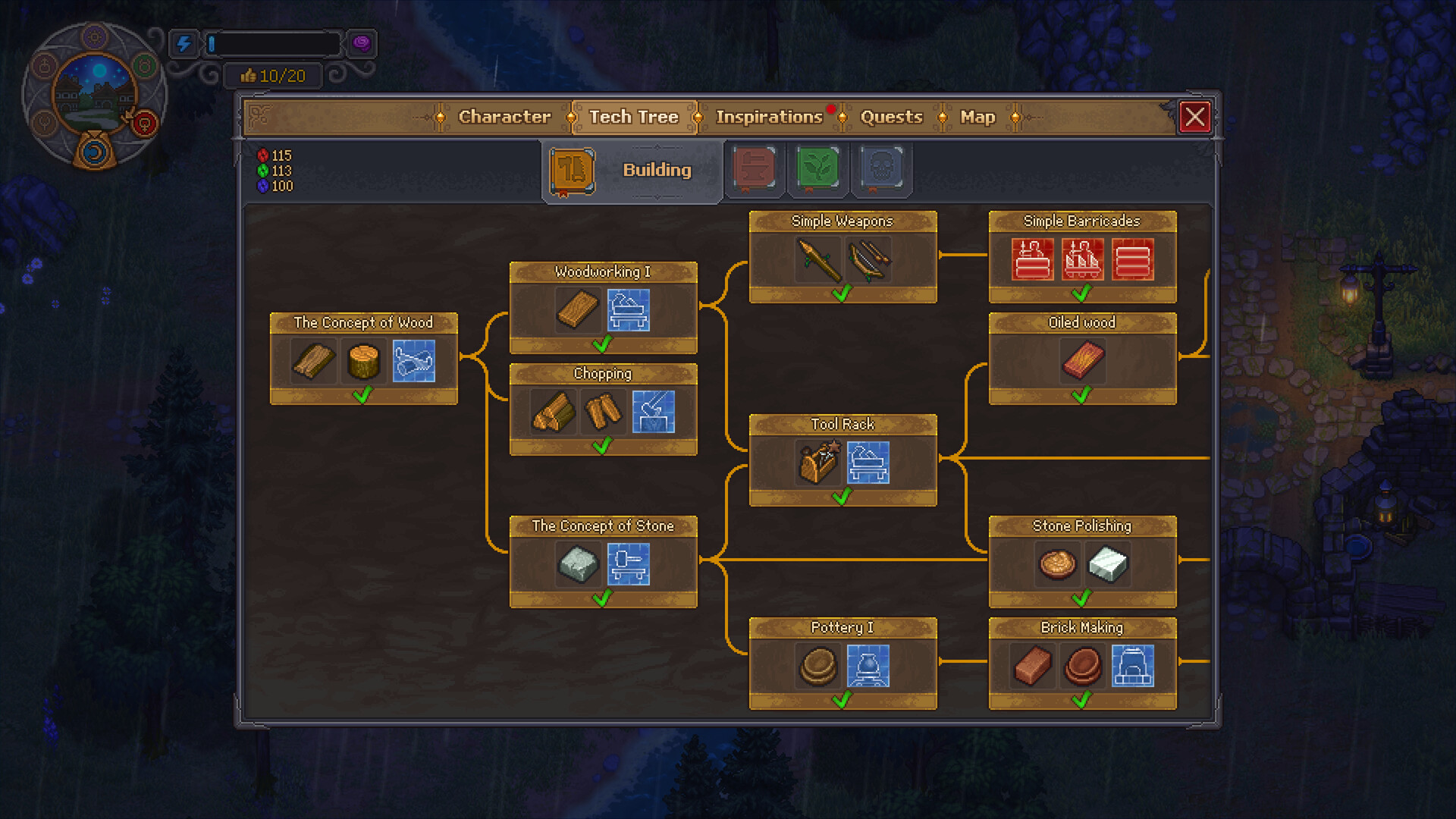
Automation sits at the middle of a single supply chain. The table below summarises what feeds into the production lines and what they produce, based on what has been shown so far. Specific item names and recipe lists have not been revealed.
Stage | Examples |
|---|---|
Raw inputs | Flora and fauna gathered from the world, plus human remains harvested from graveyard work |
Production layer | Crafting benches connected by conveyor belts, with reanimated workers driving stations and carrying intermediate goods |
Economic outputs | Profit-bearing goods for trade and materials the player invests into rebuilding the town |
Combat outputs | Weapons, armor, and fortification components that arm the player and undead troops against zombie waves |
Graveyard work, town development, and combat preparation are not separate economies. They draw from the same automated supply chain. A row of belts and benches might be turning out salable goods for one quest, weapons for an upcoming wave, and materials for a building the townsfolk asked the player to repair, all through the same set of stations. Improving any part of the chain lifts every downstream activity at once.
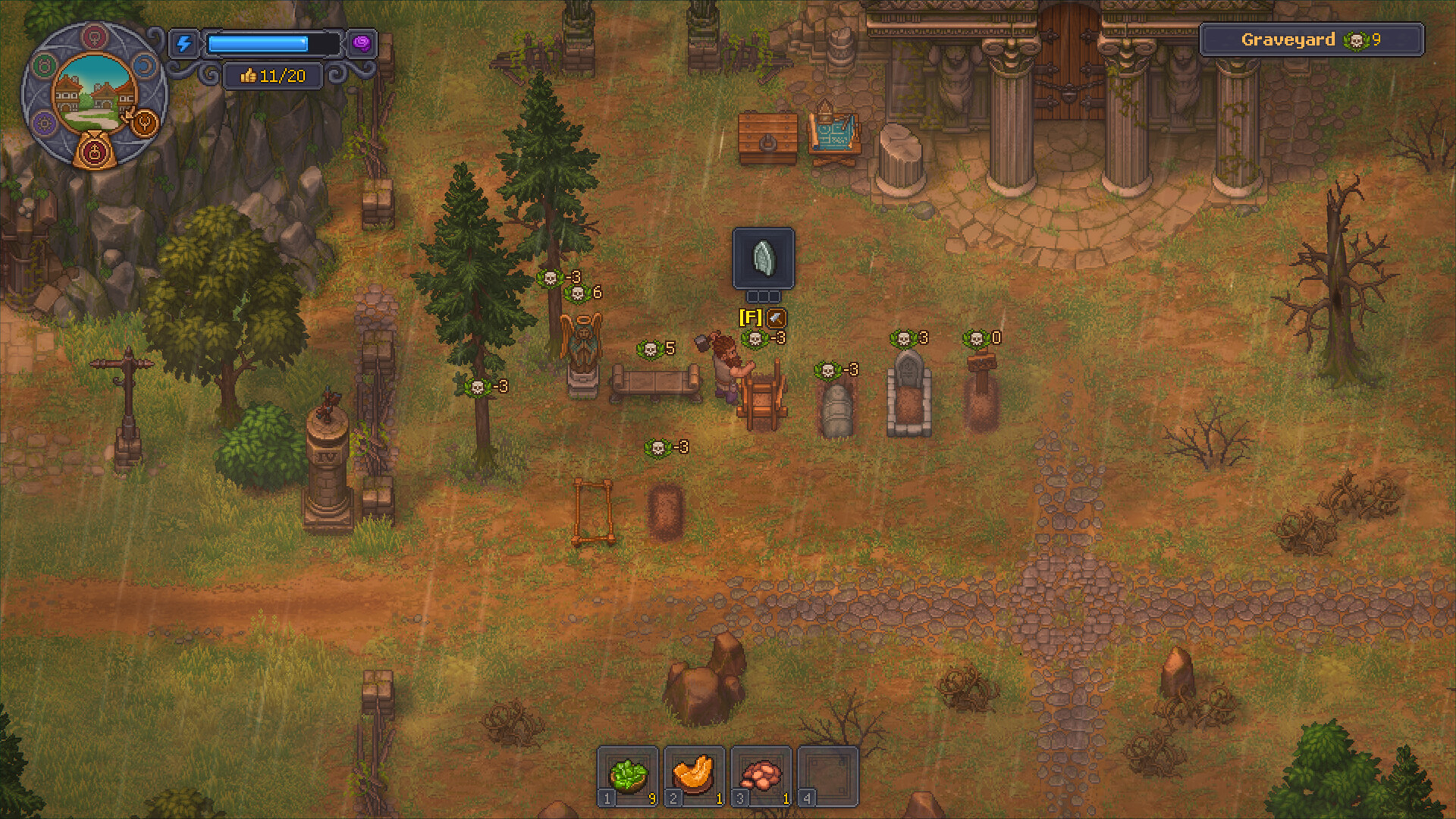
The shift toward automation marks a clear tonal change from the first game, which leaned heavily on manual, hands-on crafting. The sequel invites the player to scale far beyond that pace. Outfitting troops for combat against a kingdom-wide undead threat, and rebuilding an entire ruined town through town restoration, both demand far more output than a single keeper could realistically hand-craft. Automation is what closes that gap.
Several aspects of the automation layer have not been confirmed publicly and should not be treated as known. This article will be updated as more information is released.
Specific names or types of conveyor belts and their throughput rates
Named buildings, workshop blueprints, or facility tiers
Recipe lists, ingredient ratios, or production timings
Whether zombies fall into a tier or quality system, and how that affects work speed
How deep the automation tech tree runs and what gates each unlock
Whether stations can be toggled between manual and automatic operation, and any fuel, upkeep, or breakdown rules