
Loading...
Loading...
The History of Albion
October 13, 2026 at 11:03 PM
Added the second History of Albion extract: the twin cities, the Old Heroes and the rise of the Old Kingdom; updated the series status and added the title art
Playground Games has begun publishing an in-fiction history of Albion alongside the game itself. The first extract went up on August 10, 2026, presented as a chapter from Albion: A Biography, a book by an in-world historian named Brian Bifford. A second extract followed on September 21, 2026, carrying the account from the fall of the Court into the age of the Old Kingdom. Both are written entirely in character, and in the first Bifford spends most of his time arguing that the legend he is retelling is not true. That framing matters: this is Albion's folklore as Albion tells it, not a studio statement about what the player will find in the game.
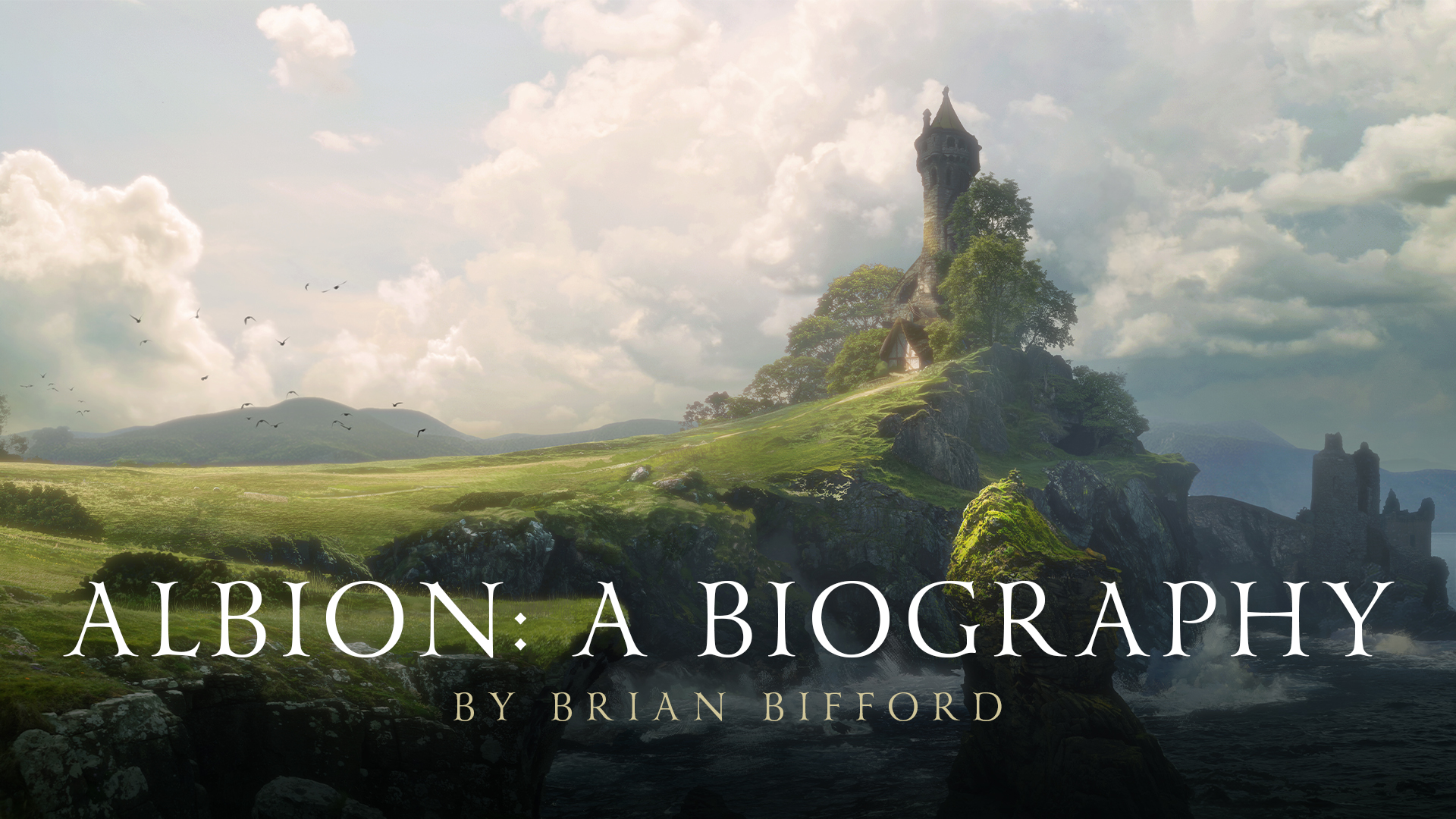
The extract is credited to Brian Bifford, described as a historian based in Arrowmark, and is published through an in-world group called the Friends of Albion Historical Society in partnership with a Bowerstone bookshop called The Fine Print. Arrowmark and The Fine Print are both new names; neither has been confirmed as a visitable location, and the studio has not said whether Bifford appears in the game as a character.
Bifford opens by rejecting the folktale that an amorous giant sired Albion upon a mountain, and promises "the true facts of Albion's history" instead. His narration is comic and self-important, in keeping with the humor and tone the reboot has leaned on elsewhere, so his conclusions are best read as one character's opinion rather than settled canon.
The legend Bifford recounts is that Albion was once a verdant and gentle land, that its beauty was coveted, and that it fell under the rule of three beings known together as the Court. They were said not to be of Albion, and to wear masks because they had no human face. Their reign is remembered as a time of suffering, torment, and misery.
Member | What the legend says |
|---|---|
Jack of Blades | The cunning, power-hungry member. One account has him betraying the other two, with the scheme somehow bringing the Court down. |
The Knight of Blades | Named as one of the three. No separate account of him is given in this extract. |
The Queen of Blades | Named as one of the three. No separate account of her is given in this extract. |
Jack of Blades had previously appeared in the reboot's marketing as the centrepiece statuette of the Collector's Edition and in a brief showcase glimpse. This extract is the first time the game's own published material has placed him in Albion's history and named the other two members of the Court. It still does not say whether any of them appears in the story. See Isabel for the villain the game has actually confirmed.
The same legend explains how the Court's reign ended. Old Kingdom writings, Bifford says, describe a small number of ordinary people who suddenly gained great command of magic and channelled it through their "Will". These Will-wielding Heroes were led by the first of their kind, William Black, alongside two lesser-known acolytes remembered as the Heroes of Blood and Bower. In the story, that trio defeated the Court.
This is the reboot's own framing for where Will and Magic and the idea of a Hero come from, and it gives the Heroes' Guild a deep origin: "when the 'Court' was overthrown, the age of Heroes began."
Bifford lays out more than one ending for the Court, and does not settle between them:
Account | What it claims |
|---|---|
The Heroes' victory | William Black and his two acolytes defeated the Court and freed Albion's oppressed peoples. |
Betrayal from within | Jack of Blades betrayed his two brethren, and his scheme somehow led to the Court's downfall. |
They simply left | A few Old Kingdom scholars hold that the Court grew bored and moved on in search of new lands to conquer. Bifford notes that if so, the Court could return at any time. |
Having set out the accounts, Bifford dismisses all of them. He concludes that the Court is a folktale, "perhaps even Heroes' Guild propaganda", and that the real story underneath is a single tyrannical ruler and her oppressive reign, distorted over centuries into something more lurid. His reasoning is political: it would suit the Old Kingdom's newly emerging heroic ruling class to invent a myth that legitimised them.
He adds that the legend of the Court is celebrated in murals inside the Heroes' Guild itself, then undercuts himself immediately: "Or so I'm told. The Guildmaster wouldn't let me in." Whether that Guildmaster is Humphry the Golden is not stated. What Bifford does not dispute is the outcome: with the Court gone, the age of Heroes began.
The second extract, published on September 21, 2026, opens with a mock disclaimer. After the reaction to the first part, readers are asked to send any concerns about anti-Heroic bias to Bifford himself rather than to the Friends of Albion Historical Society or to The Fine Print. Bifford then picks up where Part 1 ended, with Albion celebrating the defeat of the Court and, once the hangovers faded, looking towards a future led by Heroes.
One detail changes the shape of the earlier legend: William Black vanishes from the historical record at this point, and Bifford raises the possibility that he too was a later invention. His companions, and the Heroes who followed them, are said to have used their Strength, Skill, and Will to reshape the land.
The extract credits the founding of Albion's two capitals to the Heroes of Part 1's legend. Bowerstone was founded by the Hero of Bower in the south, on the banks of the River Bower, and Bloodstone by the Hero of Blood in the north, on Bloodland Bay. New roads cut through the heart of Deepwood to link them, presented as the promise of a whole and united Albion. The promise did not last: the two cities fell out immediately and fought three Blood and Bower Wars, and the extract describes the rivalry as continuing to this day.
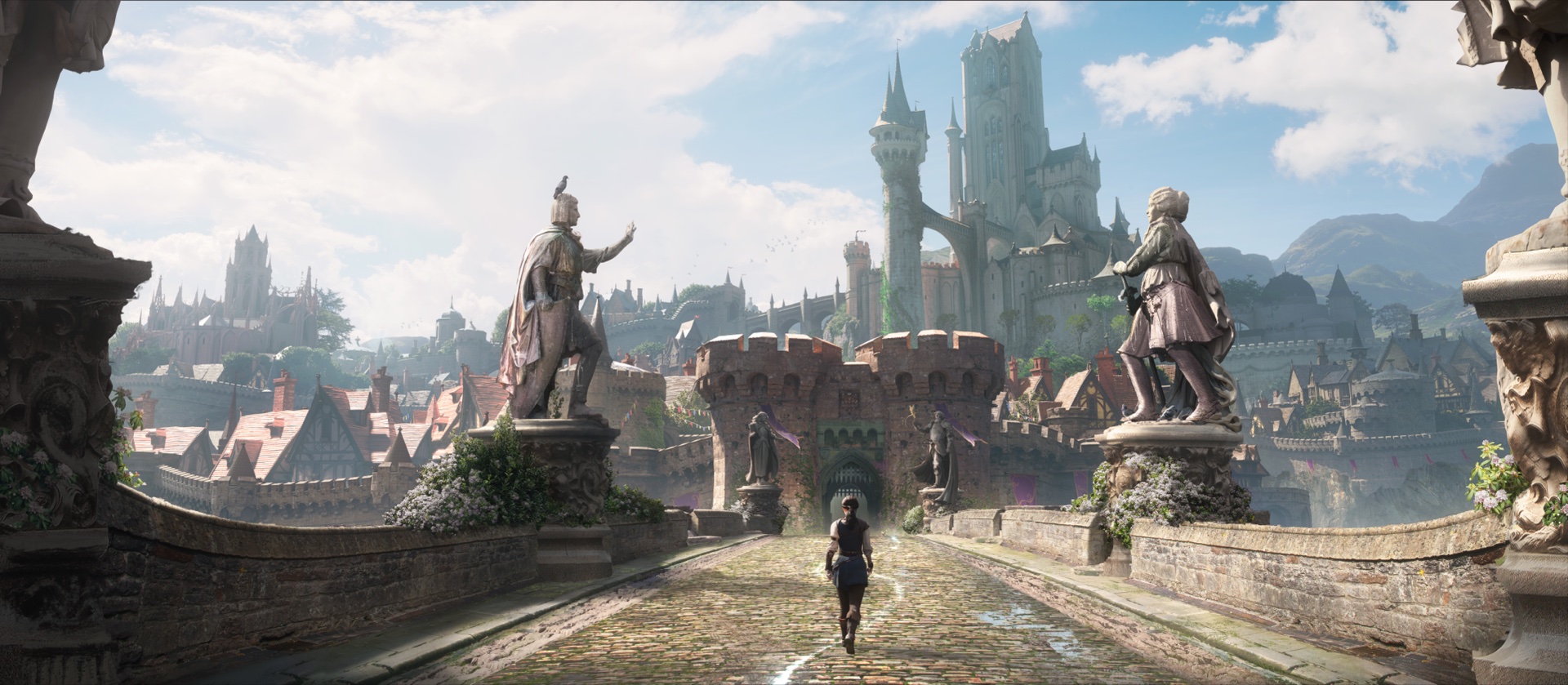
Bifford then runs through the deeds of the Heroes who came after. Each is named only briefly, and none has been confirmed as a character, location or quest in the game:
Name | What the extract credits them with |
|---|---|
Iron Shannon | Given as an example of the legendary Heroes who raised great works of magical engineering such as the Sea Wall, Pyke's Beacon and Bloodstone Castle |
Edmund Silvertongue | The most renowned of the bard Heroes, who created iconic works of literature and art |
The Maker | Performed strange enchantments and crafted inventions that gave voice and motion to inanimate things, doors among them |
Alice Armstrong | An archer who slew the great Beast of the South with a single shot, then founded the village of Arrowmark |
Samuel Blackbark | Burned vast swathes of Deepwood, creating the county of Oakshire where there had once been only an immense dark forest |
The aside about the Maker is played as a joke ("Like doors. Doors were seemingly quite popular."). The extract does not name Demon Doors, and Playground Games has not connected the Maker to them.
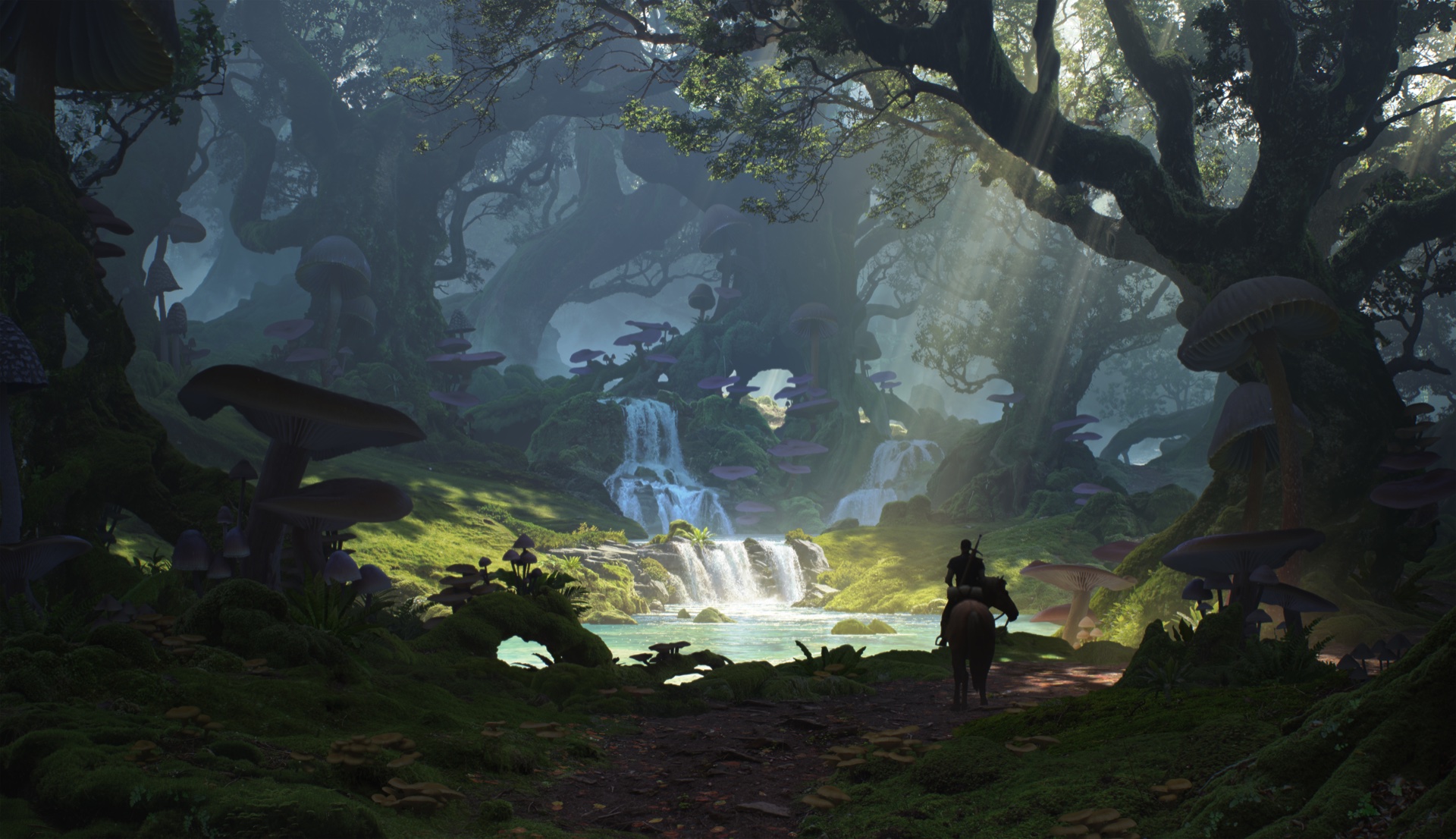
The extract ends on a darker note. Not everything the Old Heroes built was made to last, Bifford says, as the people of what is now called Wraithmarsh will tell you. In return for their labours the Heroes expected obedience, admiration and worship, and they went on to form an aristocratic ruling class in the society now called the Old Kingdom. Their rule was not always just: Brian the Terrible, Henry Black-Iron and the "rather misleadingly named" Diana of Blooms are still remembered for their selfishness and cruelty. Bifford closes on a question that extends his argument from Part 1 about the Heroes legitimising their own rule: "Had the poor, downtrodden folk of Albion merely swapped one set of tyrants for another?"
Detail | Status |
|---|---|
Jack of Blades, the Knight of Blades and the Queen of Blades named as "the Court" | Published in the game's own lore material, August 10, 2026 |
William Black as the first Hero, with the Heroes of Blood and Bower | Published in the same extract, as legend |
Arrowmark, and The Fine Print bookshop in Bowerstone | Named; not confirmed as visitable locations |
Murals of the Court inside the Heroes' Guild | Claimed second-hand by the narrator, who was never let in |
Whether any Court member appears in the story | Not stated |
Whether Brian Bifford is a character in the game | Not stated |
Further parts of the series | Part 2 followed on September 21, 2026; as of October 13, 2026 no third part has been published |
Bowerstone founded by the Hero of Bower, Bloodstone by the Hero of Blood | Published in Part 2, September 21, 2026, as history |
Deepwood, the River Bower, Bloodland Bay, Fort Oakguard, the Sea Wall, Pyke's Beacon and Bloodstone Castle | Named in Part 2; not confirmed as visitable locations |
Oakshire as a county carved out of Deepwood | Named in Part 2; see Map and Regions for how the name first surfaced |
Iron Shannon, Edmund Silvertongue, the Maker, Alice Armstrong, Samuel Blackbark and the cruel rulers of the Old Kingdom | Named in Part 2; whether any appear in the game is not stated |
Because both extracts are written by a character who openly argues with the legends he reports, none of it should be treated as a plain statement of the reboot's canon. It is best read the way the game presents it: as what the people of Albion believe, and disagree about.
Albion. The setting itself, and what the reboot has confirmed about it.
Heroes' Guild. The institution the age of Heroes produced.
Will and Magic. The power the first Heroes are said to have channelled.
Story. The main campaign, which the extract does not describe.
Isabel. The confirmed villain of the reboot.
