

Fable (2027) has the first fully open-world version of Albion in the franchise's history. Previous games used interconnected areas separated by loading screens. The reboot eliminates those barriers, allowing players to walk, ride, or travel seamlessly from one end of the map to the other. The world is designed to be dense and detailed rather than sprawling and empty, with every location hand-crafted to feel purposeful.
World Design Philosophy
Game director Ralph Fulton provided a telling comparison between Fable and Playground Games' racing titles. Fable's world is smaller than Forza Horizon's open worlds, but requires far more detail at ground level. Fulton explained: "Horizon worlds are designed to be experienced at 250 miles per hour. Fable characters move at the speed of a horse at most."
An early development test placed a Fable character model in Forza Horizon 3's Surfers Paradise, an Australian beachside town. Fulton said "it took an eternity to get anywhere." A world built for cars is far too large for a character on foot. This realization shaped the map design: smaller in raw area, but packed with meaningful content in every direction.
The developers emphasize dense, handcrafted regions over sheer size. Settlements function as real places where NPCs live, work, and move according to detailed schedules. Adequate housing, jobs, and travel infrastructure exist within each town. The world is built to feel alive, not just large.
Confirmed Locations
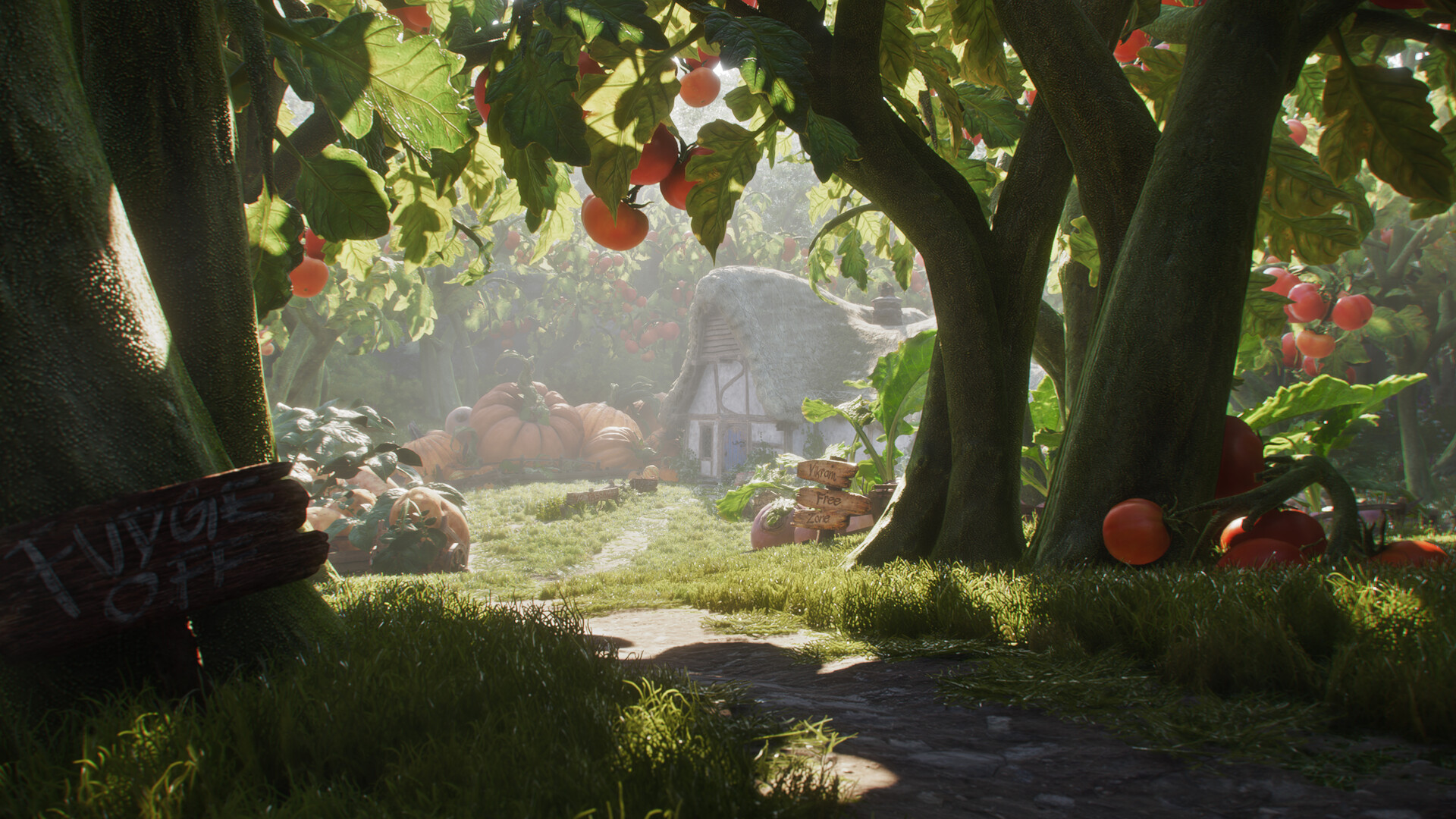
Location | Type | Description |
|---|---|---|
Capital city | Albion's largest settlement, contains Fairfax Castle, the Heroes' Guild, markets, and key NPCs | |
Starting village | The hero's childhood home, a small rural village in the south | |
Port town | A lawless port town recognisable by name from prior Fable games, located in the northern coastal region | |
Silverbrook | Settlement | A new Albion location for the reboot |
Upton-le-Beans | Settlement | A new Albion location for the reboot |
Landmark | Historic castle within Bowerstone |
Wraithmarsh
Wraithmarsh entered the confirmed map at the Xbox Games Showcase on June 7, 2026, through the reveal of Isabel, who carries the title Hero of Wraithmarsh. The name fits the bleak, marshy character that trailer footage has long shown in Albion’s northern reaches, the same spooky-marsh territory that surrounds Bloodstone. As the home region tied to the game’s villain, Wraithmarsh is positioned as a story-significant corner of the world rather than incidental scenery. Its specific layout, settlements, and role in the plot have not been detailed beyond its connection to Isabel.
Geographic Regions
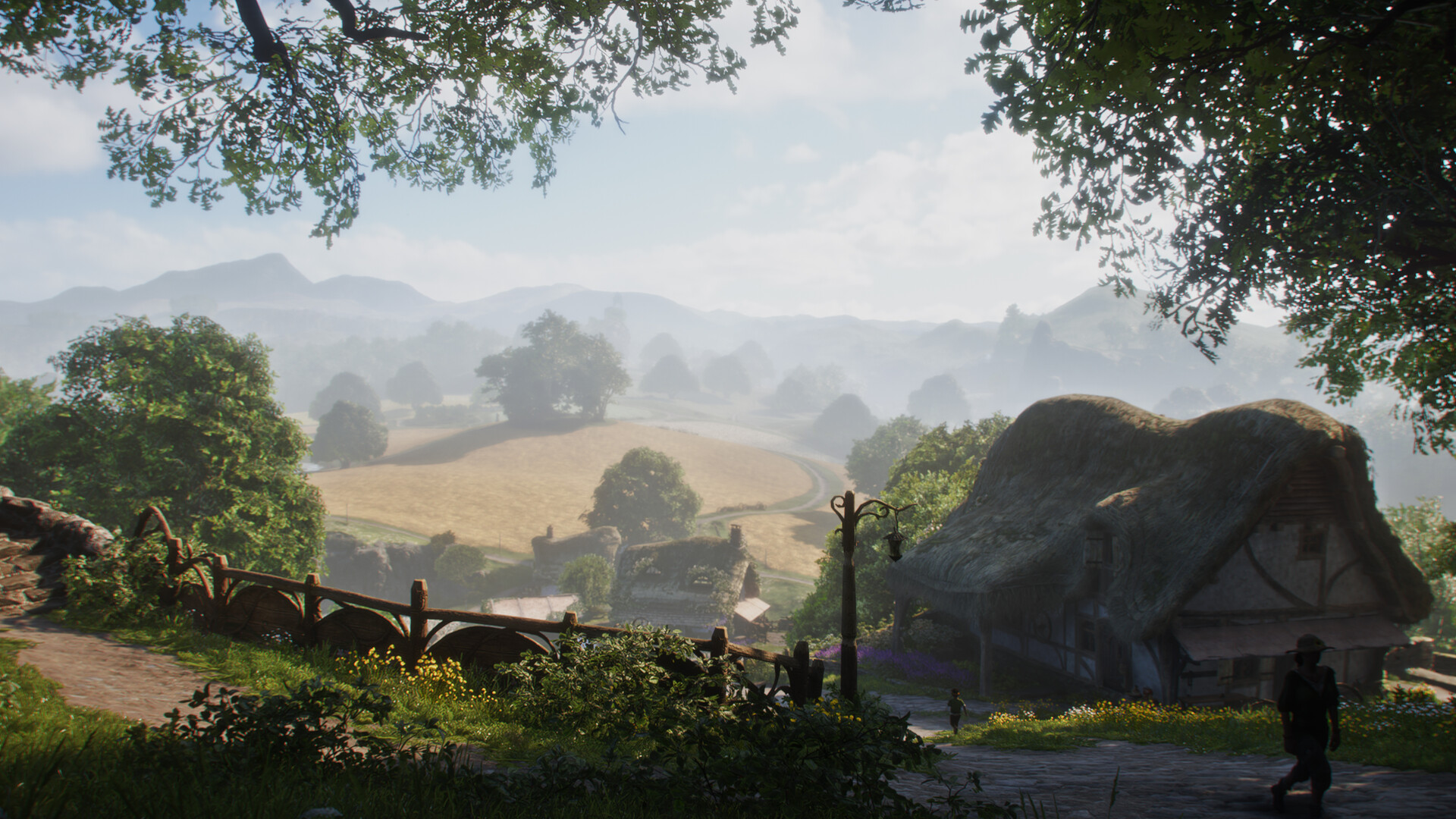
Fan analysis of trailers and Developer Direct footage has identified several distinct geographic zones across Albion:
Region | Description |
|---|---|
Southern villages and countryside | Rolling green hills, farms, and rural settlements including Briar Hill. The starting area. |
Central plains and forests | The heartland of Albion, connecting major settlements with roads and wilderness paths. |
Northern mountains and coastlines | Craggy terrain, spooky marshes, and the bleak windswept city of Bloodstone. |
Bowerstone and surroundings | The urban center of Albion, featuring the capital city and its outlying districts. |
One further piece of structure comes from hands-on coverage of the June 2026 demo rather than from Playground Games directly. That reporting describes Albion as being made up of six regions and names one of them Oakshire, a British-countryside-inspired region holding several settlements, with Silverbrook a farming town inside Oakshire rather than a region in its own right. Playground Games has not published a region count or a region list, so as of September 2026 treat both the number six and the name Oakshire as reported rather than confirmed.
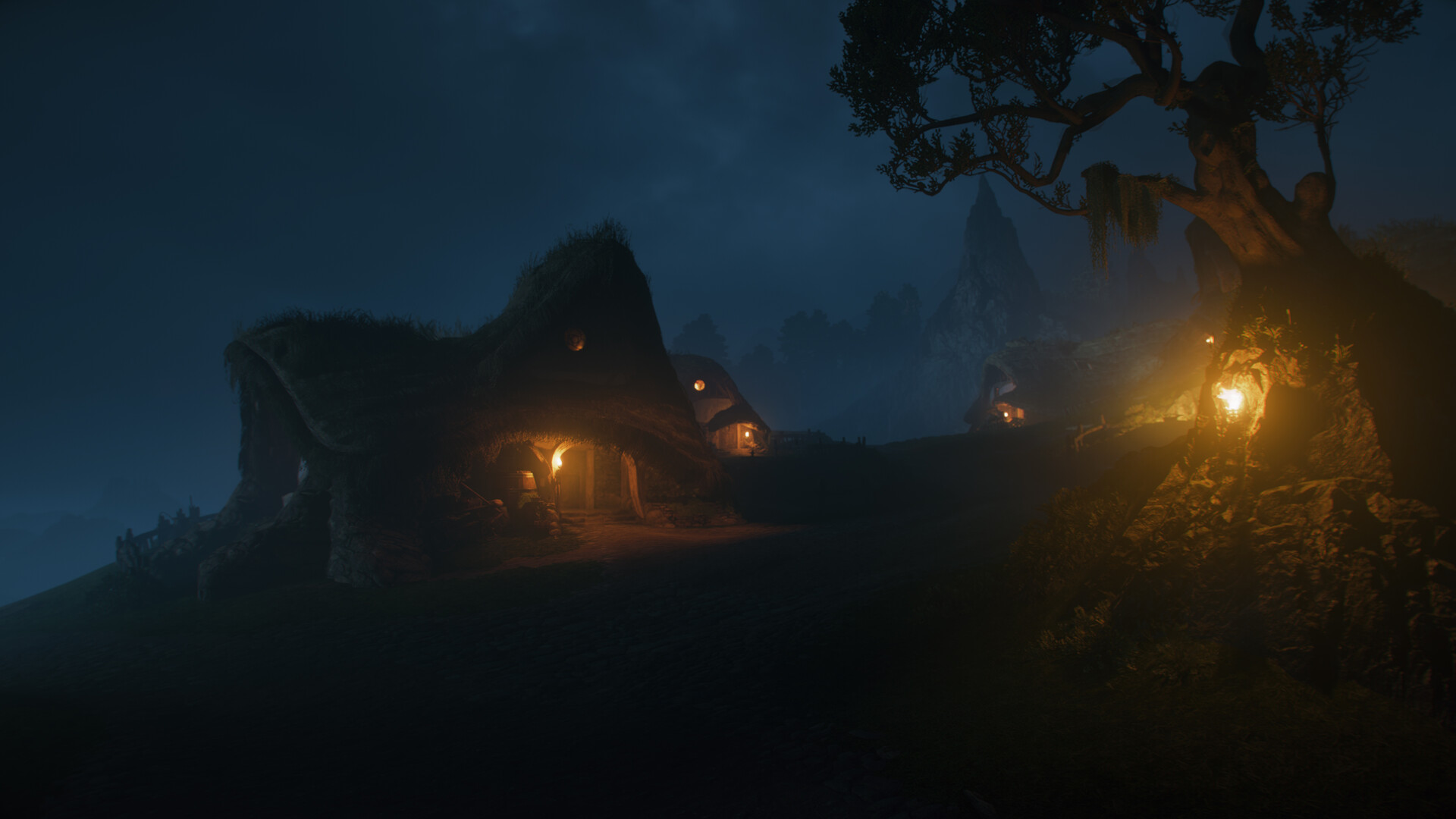
Dynamic weather affects the look and feel of each region. Rain, fog, sunshine, and storms cycle through the world, changing the atmosphere as you travel. Time of day also affects the world, with NPCs following schedules that change between daytime and nighttime.
Bowerstone in Detail
As the capital of Albion, Bowerstone is the largest and most complex location in the game. Confirmed sub-areas within or around Bowerstone include:
Area | Description |
|---|---|
A major landmark visible from afar, with historical significance | |
Warminster | The district at the top of the city, where the palace stands. Informally known as The Nobles District, it is lined with large townhouses and is the most expensive place in Bowerstone to buy property. |
Copperbottom | The affordable end of the city. Playground Games expects it to be where most players buy their first house. |
Old Clock Tower | A recognizable architectural feature |
Market area | Shops, traders, and commercial activity |
How Settlements Read
Towns are not just clusters of buildings; each one carries a short line that describes its current character, and that line shifts with what happens there. A village that loses most of its residents might be summed up as an underpopulated farming town, while a place marked by a grisly landmark earns a line to match. Because the description tracks the state of the Living Population, the way a settlement reads is a quick snapshot of the history you have written into it.
The same hands-on coverage reports that reputation is scoped to a region: what people think of you follows you across the region where you earned it, and crossing into another part of Albion gives you a clean slate. Playground Games has not described the system in those terms itself, so this one is reported rather than confirmed as of September 2026, and it sits alongside the studio’s own framing that a single settlement can hold several active reputations at once.
Navigation and Travel
With the open world design, travel between locations happens on foot, by horse, or through fast-travel systems. The roads connecting settlements are not empty corridors. Dynamic events, wandering NPCs, creature encounters, and environmental details make travel itself part of the experience.
Specific fast-travel mechanics have not been fully detailed, but previous Fable games used cullis gates (magical teleportation) and the world map for quick travel. A similar system is expected in the reboot.
Comparison to Previous Fable Maps
Each previous Fable game used a different approach to world design:
The 2026 map represents the most ambitious version of Albion ever created. The shift to open world, combined with over 1,000 NPCs with individual routines and a living economy, makes this version of Albion the most detailed and reactive in the series.