

Character customization in Fable (2027) begins in a creation screen where the player decides how the hero looks. Playground Games has confirmed that the creator offers a selection of heads, hair styles and skin tones among other options, and game director Ralph Fulton has framed the wider design as letting the player "be the hero you want to be in every sense."
Beyond that screen, what visibly changes is what the Hero wears and carries. Armour and outfits alter the silhouette, and the choices a player makes in combat and elsewhere are read by the world through reputation rather than through the Hero's face.
Initial Character Creation
At the start of the game, players can customize their hero's base appearance. Confirmed character creation options include:
Option | Description |
|---|---|
Gender | Choose between male and female hero |
Skin tone | Multiple options available |
Facial features | Customizable face shape and features |
Hairstyle | Selection of hair options |
The initial creation sets the foundation for your hero's look. Unlike some RPGs where the creation screen is the only opportunity to shape your appearance, Fable treats it as a starting point. Your hero's face, body, and overall look will change as you play.
In-Game Appearance Changes
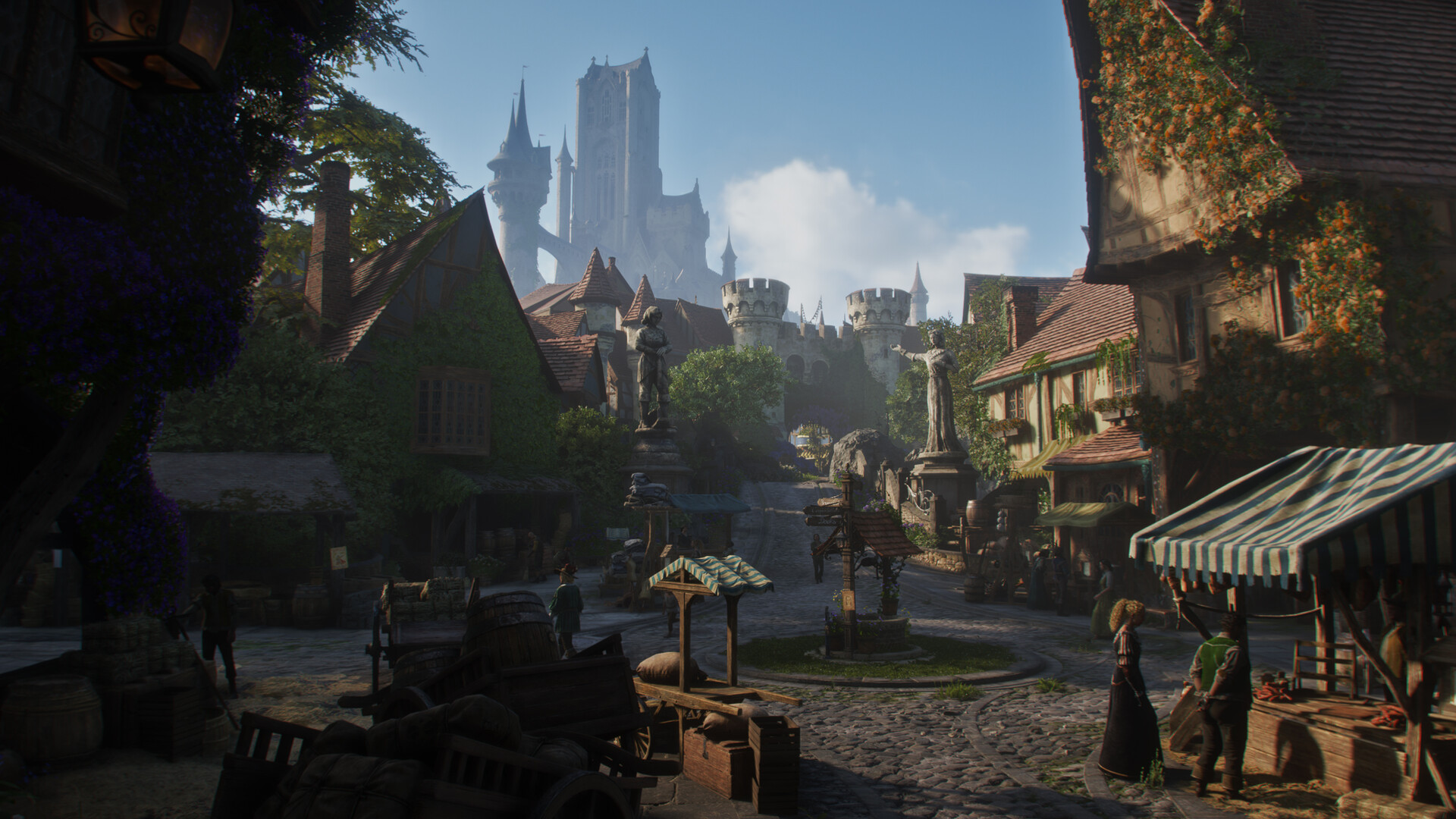
Several appearance elements can be modified throughout the game, not just at the start:
Element | Status | Detail |
|---|---|---|
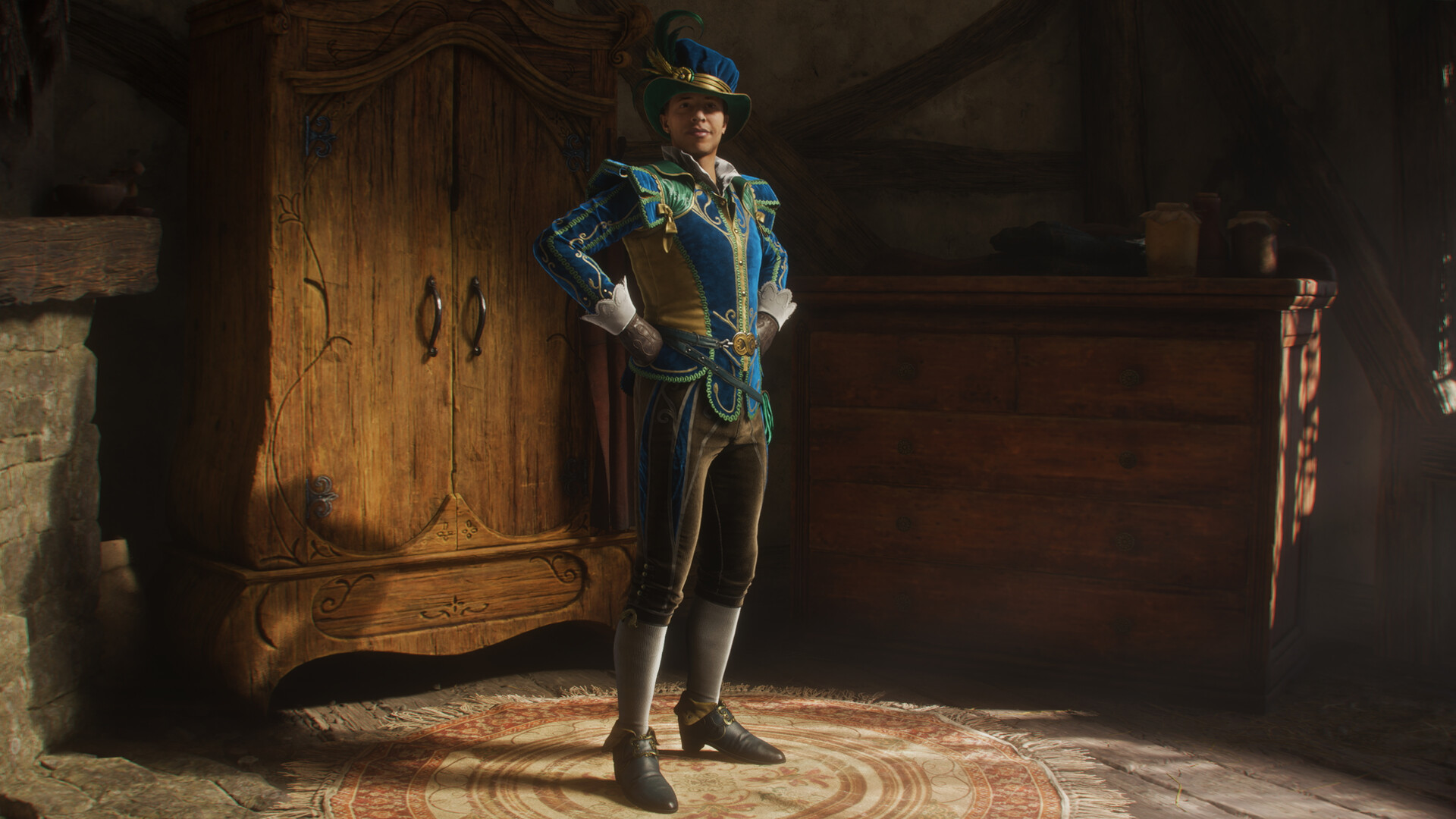
Clothing and armour | Confirmed | Equipping different gear changes how the Hero looks. Cosmetic armour sets and outfits ship as edition content, including two full armour sets and a Chicken Suit. |
Creator appearance | Confirmed | Heads, hair styles and skin tones are chosen at creation. |
Barbers and tattooists | Not confirmed | Earlier Fable games let the player change hair and add tattoos at in-world shops. Playground Games has not said whether those services exist here. |
Scars earned in play | Not confirmed | Scars appear as a creator option set by the player. Nothing published states that they accumulate from combat. |
Morality morphing | Confirmed absent | The trilogy's halos, horns and Will-driven glowing veins do not return. |
The reboot does not bring back the original trilogy's good-versus-evil morphing, so the Hero will not grow an alignment halo or devil horns, and heavy magic use will not light up their skin. Ralph Fulton has tied that removal to the game's rejection of an objective moral scale: with no universal good or evil to measure, there is nothing for a body to morph along.
What replaces it is narrower and player-driven. The look set in the creator persists, and the gear worn over it is the part that shifts during a playthrough. Two players who equip differently will present differently, but that difference comes from their choices of equipment rather than from the game rewriting their Hero's body.
How Appearance Affects Gameplay
How residents treat the Hero is driven by reputation and by actions they witness, not by a stated appearance score. When the player speaks to someone, a social panel explains why that person feels as they do, and the explanation is drawn from the reputations the player holds in that settlement. Whether appearance feeds into that judgement in its own right has not been stated.
The approximately 1,000 NPCs in the game each form subjective opinions. Your visual appearance is one of the factors they use to judge you, alongside your witnessed actions and established reputation. This creates a feedback loop: your choices change your appearance, your appearance changes NPC behavior, and NPC behavior opens or closes gameplay options.
The Hero's Identity
Fable's customization philosophy is about building a hero whose appearance reflects their journey. The game does not offer a catalogue of purely cosmetic options detached from gameplay. What the studio has shown is narrower than the old morphing system:
Your clothing and weapons reflect your economic status and combat preferences
Scars and tattoos are among the options available in the creator itself, set by the player rather than earned by play
By the end of the game, your hero is a walking autobiography. Every visual detail tells part of your story to anyone who sees you, whether that is an NPC in a village or another player seeing your character in a screenshot.
Comparison to Previous Games
Prior Fable games included variations on appearance-shifting morality systems. The reboot drops the angel/devil morphing in favour of trait-based and decision-based visual changes; see morality and traits for the specifics.