

Fairytale, Not Fantasy
The original Lionhead Studios design document for Fable contained a line that Playground Games has adopted as a guiding principle: "Fable is Fairytale, not Fantasy."
Ralph Fulton explained what this means to him: "Fairytales are intimate, small stories about regular people. They're not grand and sweeping. They deal with what happens when magic touches the lives of ordinary folks." Fable is not Lord of the Rings. It is not Game of Thrones. It is not trying to be an epic. It is about regular people living in a world where magic exists, and the comedy and tragedy that come from that.
This frames everything about the game. The story starts in a small village, not a throne room. Your mentor is a washed-up celebrity who does not want to be there. The NPCs are commuters with jobs and families, not grand quest-givers. Fable aims to be warm and funny and occasionally dark, not majestic.
British Humor
Fable's comedy is specifically British. Playground Games has described it as dry wit in the tradition of British sitcoms. Think The Office, Peep Show, The IT Crowd. The humor comes from awkward situations, deadpan delivery, understatement, and characters who take themselves seriously in ridiculous circumstances.
The casting reflects this. Richard Ayoade, known for Moss in The IT Crowd, voices Dave, a gardener who calls himself a "vegetable enthusiast" and accidentally becomes a giant. Matt King, known for Super Hans in Peep Show, voices Humphry, a retired hero who is dragged back into action against his will. Both actors are known for a very specific, very British kind of comedy performance.
Regional Accents
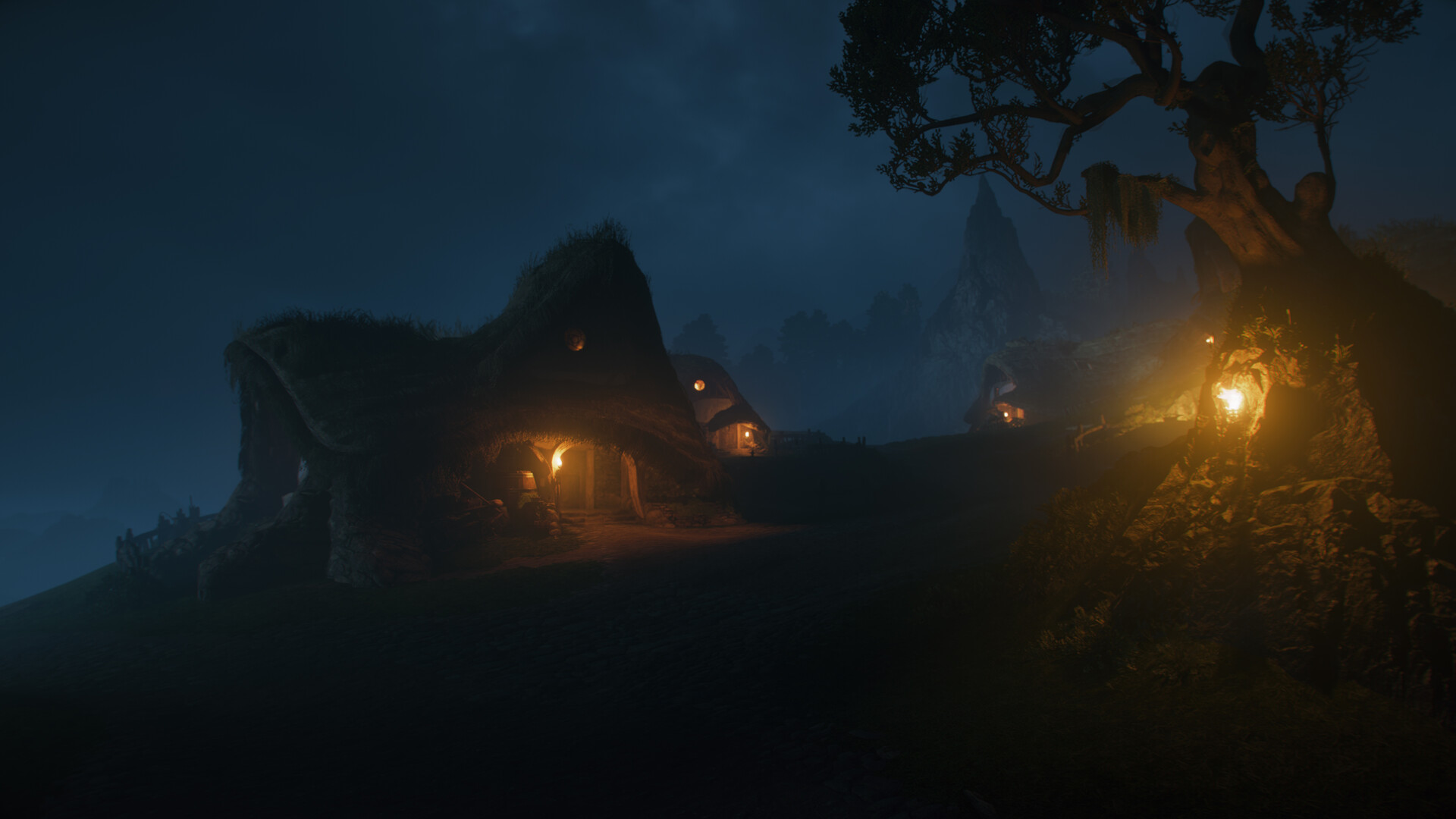
Playground Games uses authentic regional British accents throughout the game. Characters speak with Brummie (Birmingham), Scouse (Liverpool), and various Midlands dialects. This is not a game where everyone sounds like a BBC newsreader or a generic "fantasy British" voice.
The studio has said they are not toning the accents down for international audiences. Playground Games is based in Leamington Spa, in the West Midlands. The Midlands accents in the game reflect where the studio lives and works. For players outside the UK, some dialogue may require a moment of adjustment, which is apparently the point.
Mockumentary NPC Interviews
Some NPCs break the fourth wall through mockumentary-style interview segments. They address the camera directly and talk about the player, commenting on your actions and reputation like talking heads in a documentary.
Fulton explained that this is not just a trailer gimmick: "A lot of people assume we just did that for those trailers, but it's actually a device we use throughout the game." The mockumentary format is built into the game itself as a recurring narrative tool.
He described why it works: "I've never seen it in games before, but it allows you a way to really neatly tell a joke or drop a little bit of character detail in a way that would feel really clunky in dialogue, but suddenly feels entirely natural when you do it to 'camera'." The format lets Playground Games deliver information and comedy through a device that would feel forced in conventional dialogue but feels natural in a faux-documentary context.
NPCs as a Greek Chorus
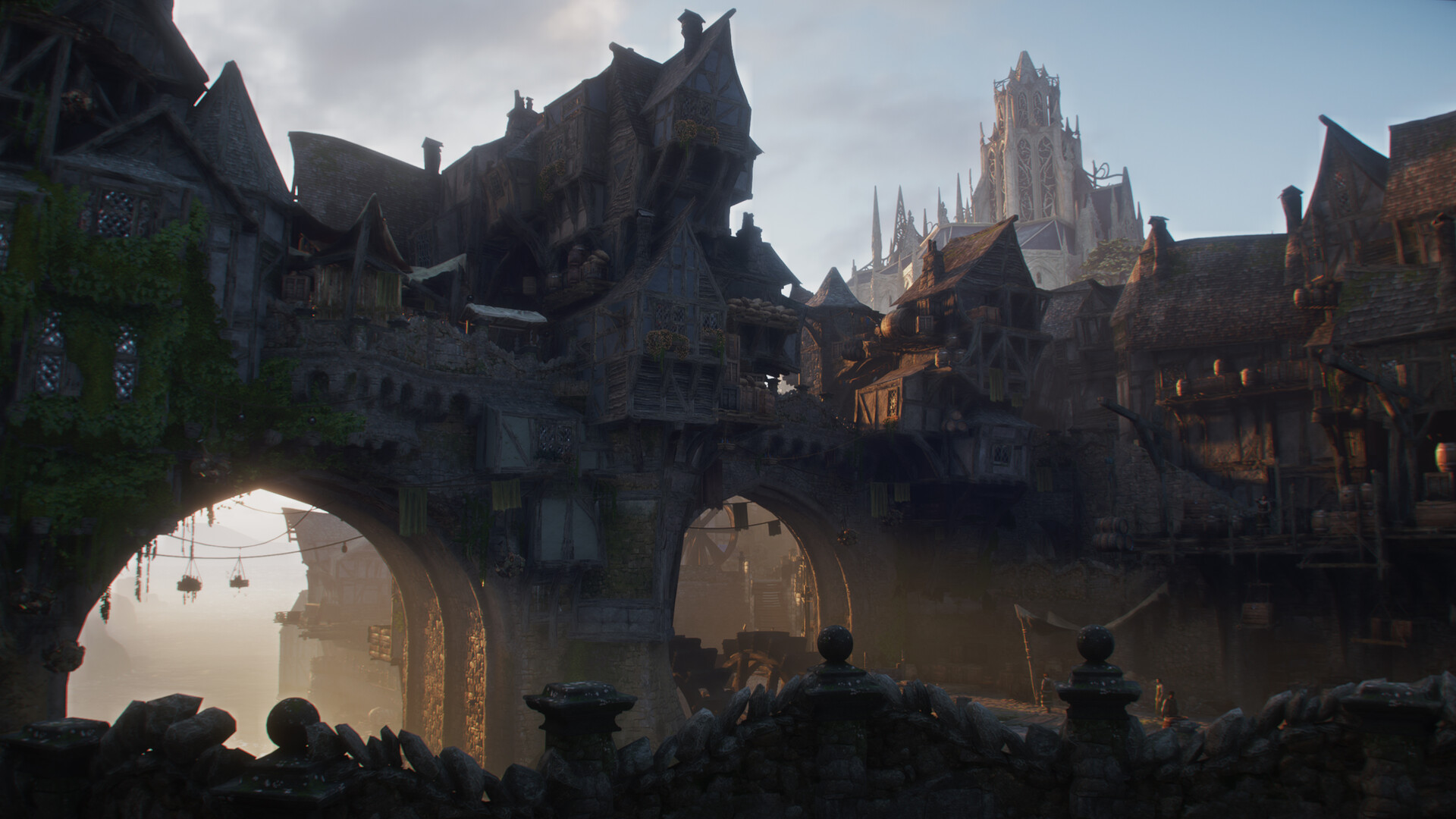
Beyond the mockumentary segments, NPCs react to you in real time as you move through settlements. Fulton described them as a "Greek chorus" who are constantly reminding players of their choices, "catcalling you in the street, telling you what they think of you."
This means walking through Bowerstone is not a silent experience. If you have been kicking chickens, people will mention it. If you are known as a property tycoon, you will hear about it. The NPCs are an active commentary track on your behavior, and because each one has their own personality and opinions, the commentary varies depending on who you walk past.
Chickens
Chickens are everywhere in Fable. They always have been. The reboot continues this tradition with full commitment.
You can kick chickens. This has been true since the 2004 original.
Kicking chickens in front of NPCs earns you the "Chicken Chaser" reputation tag in that settlement.
A Will spell (polymorph) turns enemies into chickens, which you can then kick.
The Cockatrice is a fire-breathing chicken boss, new to the franchise.
The chicken thing started as a joke in the original game and has become part of the franchise's identity. Playground Games clearly finds it funny and has no intention of dropping it. If anything, they have escalated. You can now fight a boss-sized chicken.
Humor in combat
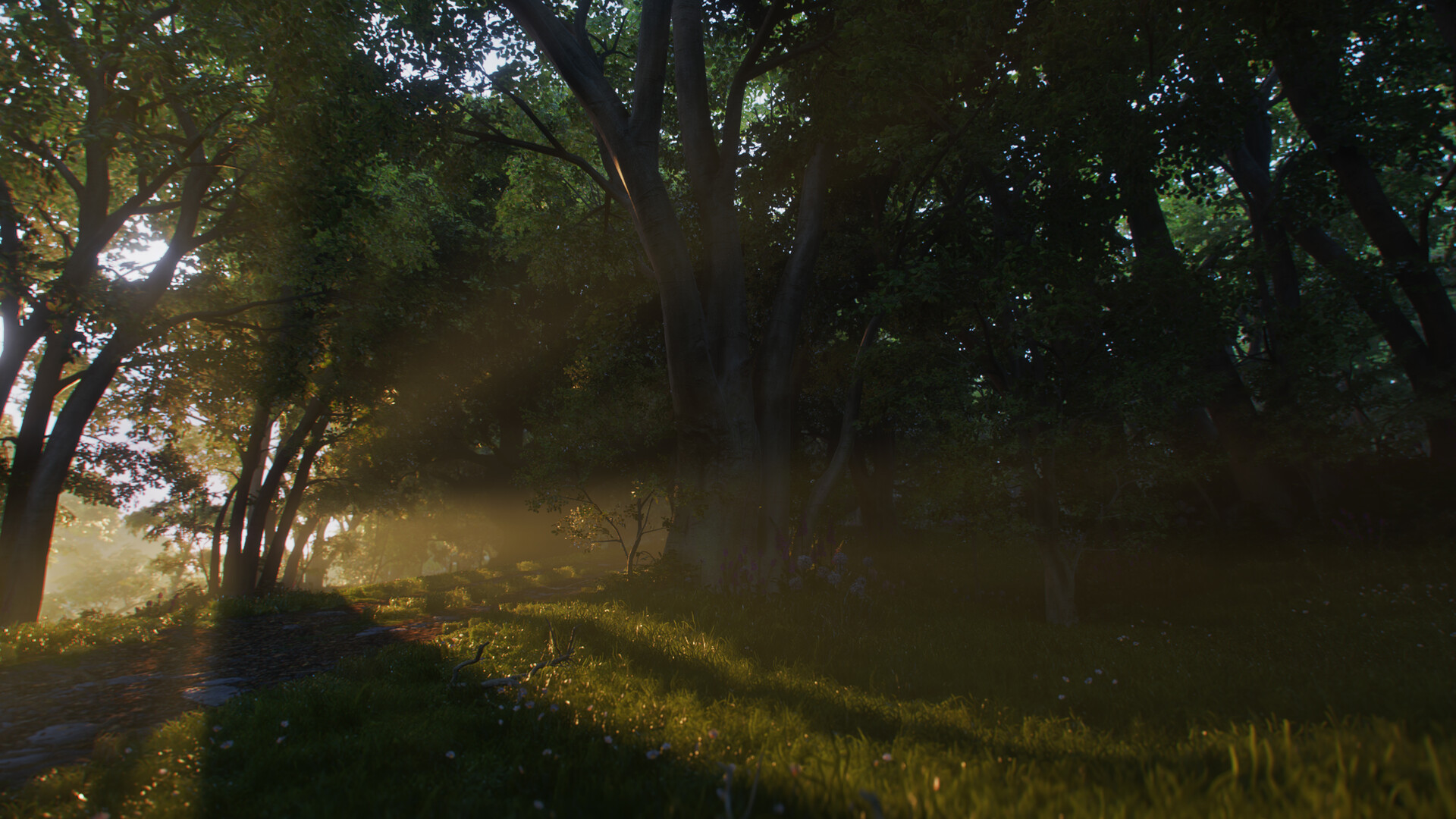
Playground Games asked themselves: "If humor is important to Fable, how does it manifest in combat, an inherently serious pursuit?" The answer is built into the combat system.
Hobbes accidentally kill each other with stray swings. Fulton explained: "That Hobbe that accidentally killed his pal in the video just happened by accident when we were capturing from the build. We thought we'd keep it in because it's funny." Combat is meant to be fun in both senses of the word. Fun as in satisfying, and fun as in funny.
Consequences with Comedy
The game mixes genuine consequences with humor. Killing Dave the giant leaves his corpse in the world permanently. Cinematics Director Mark Tan confirmed that this "is going to affect house prices" in the surrounding area. This is simultaneously a real consequence (property values drop, affecting your economic game) and a joke (a dead giant is bad for real estate).
This kind of dual-register storytelling, where something is both serious and funny at the same time, is what Fable has always aimed for. The reboot appears to have internalized it at every level of design.
Morality through witness
Fulton described the game's approach to morality in exact terms: "Our version of morality isn't a sliding scale -- we've chosen to anchor this around the actions you do, and specifically the things you do in Albion that are witnessed by at least one other person."
This means the game's moral system is built on observation. If nobody sees you do something, it does not count. If someone does see it, their opinion of you changes based on their own worldview. There is no objective good/evil score. See the reputation article for the full mechanical breakdown.
The tonal effect of this is significant. The game does not moralize. It does not tell you what is right or wrong. It just shows you what the people of Albion think about what you did, and their reactions are often funny, sometimes harsh, and occasionally touching.
Where the Line Is
Fable is clearly a comedy game but it is not a parody. People really are in danger. The player's village really is turned to stone. There are genuine threats to Albion. The humor does not undercut the stakes so much as it coexists with them. You can care about saving your grandmother and also laugh at a Hobbe hitting its friend with a sword. The game asks you to hold both.
This is a hard tone to sustain across a long RPG. Whether Playground Games pulls it off consistently is something players will judge for themselves when the game launches in February 2027.