Loading...
Loading...
Weather and Day-Night Cycle
May 24, 2026 at 04:33 AM
Update night-sprint claim to reflect 1.0.8 default sprinting at night (Homing Boots removed); fix Overview typo and tighten demo-era framing
Outbound has a day-night cycle and weather variations that affect gameplay across all biomes. These are not just visual effects: they directly influence energy production, survival mechanics, and the overall rhythm of play. Marc Volger, co-founder of Square Glade Games, has described sun, wind, and rain as "key sources of energy."
The world cycles between day and night. Daytime is optimal for solar energy and most outdoor activities. Patch 1.0.8 (May 18, 2026) enabled sprinting at night by default and removed the Homing Boots item that previously gated nighttime running, raising sprint speed by 15 percent and stamina regeneration by 150 percent across the board, so movement is no longer slowed when the sun goes down. Decorative lighting on the camper van and campsite illuminates automatically at dusk.
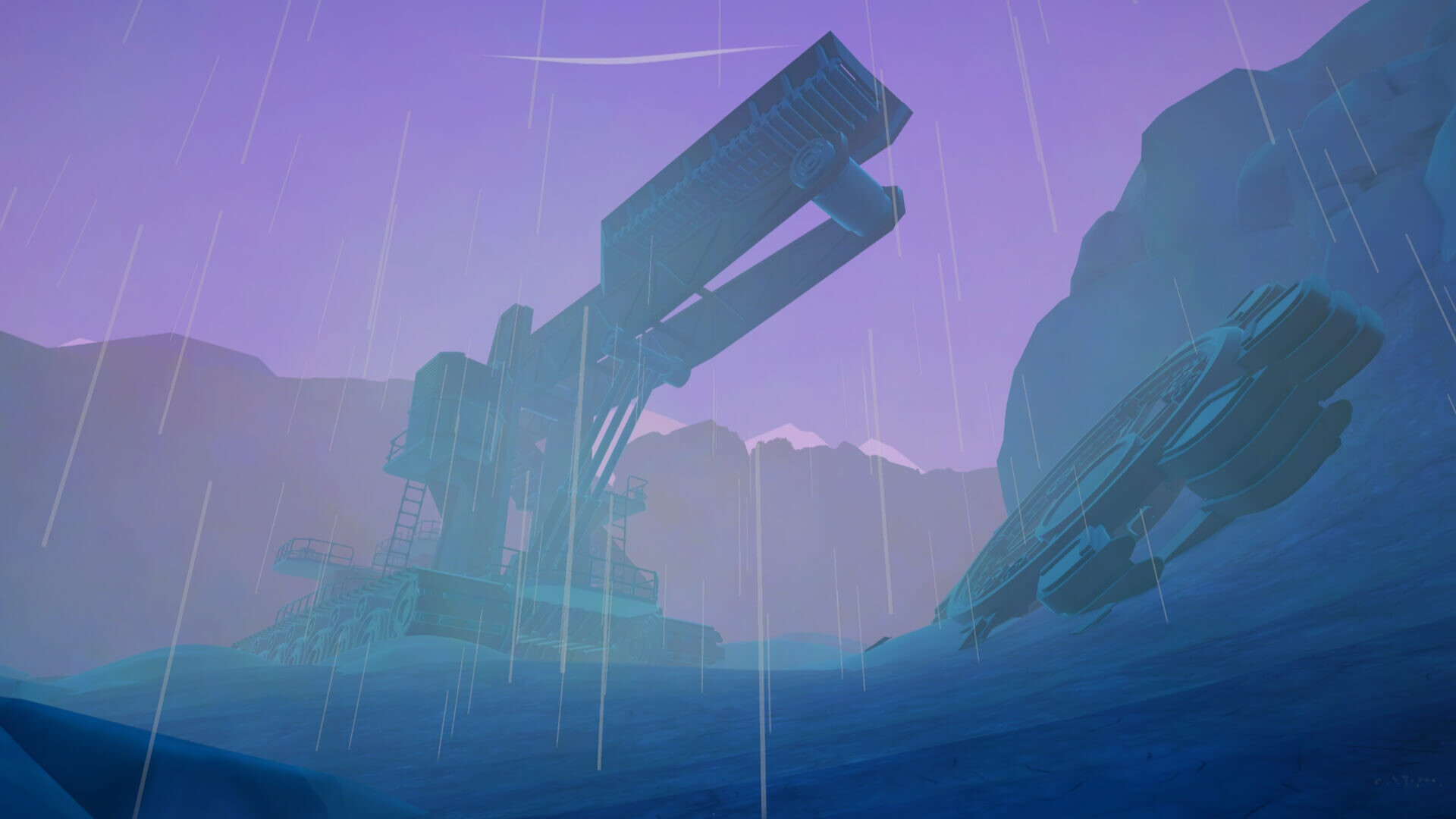
Days pass quickly relative to real-world time, which can feel limiting when trying to complete a long exploration goal before nightfall. The pace encourages a routine: gather and explore during daylight, then return to the van to craft, plan, and build as night falls. Even with the 1.0.8 night-sprint change, the cycle still rewards bringing field work back to base before light fully fades, both for visibility on the road and for the solar grid's recharge planning.
Weather conditions directly affect the van's energy systems:
Condition | Effect on Energy |
|---|---|
Clear skies | Solar panels produce maximum output |
Overcast | Reduced solar output |
Rain | Minimal solar; may benefit water collection |
Wind | Turbines produce more energy; varies by location and elevation |
Night | No solar production; wind turbines and Bio Burner cover the gap |
This weather-energy relationship is the core gameplay reason to diversify your power sources. Relying solely on solar panels means losing all production during overcast periods and nighttime. A mix of solar, wind, and Bio Burner fuel provides stable power regardless of conditions.
Kite flying is affected by wind conditions. Windier weather makes kites fly higher and respond more dynamically.
Wildlife behavior may change with weather, affecting what animals are active in different conditions.
Farming benefits from rain, which waters garden beds automatically.
Foggy or stormy conditions reduce visibility, making navigation harder during on-foot exploration.
Weather and lighting are central to the game's visual identity. The low-poly art style shifts noticeably with time of day: golden sunset shadows, nighttime campfire glow, and atmospheric fog that transforms the landscape. The visual changes are one of the most praised aspects of the demo, with players highlighting how the art style captures the feeling of a real road trip through different lighting conditions.
The audio environment changes between the van's interior and the outside. Inside the van, sounds are muffled and cozy. Outside, ambient sounds respond to weather: rain patters on surfaces, wind rustles through vegetation, and birds call during clear mornings. The sound design also shifts depending on whether you are driving, working inside the van, or exploring on foot, creating distinct audio experiences for each activity.
Weather patterns vary by biome. The Outdoors features temperate weather with moderate wind. The Coast is windier with more varied precipitation. Each biome has its own atmospheric personality, and adapting your energy setup to the local conditions is part of the strategy when traveling between regions.
The developer has noted that some players speculate about weather features that are more elaborate than what the game actually contains. The weather system provides meaningful gameplay effects through energy production and atmosphere, but it is not a full simulation. Expectations should be calibrated accordingly.