
Loading...
Loading...
The Pattern
September 27, 2026 at 06:27 AM
Reframed Resonants as people twisted by the Patterning and corrected the attribution of the art-direction influences
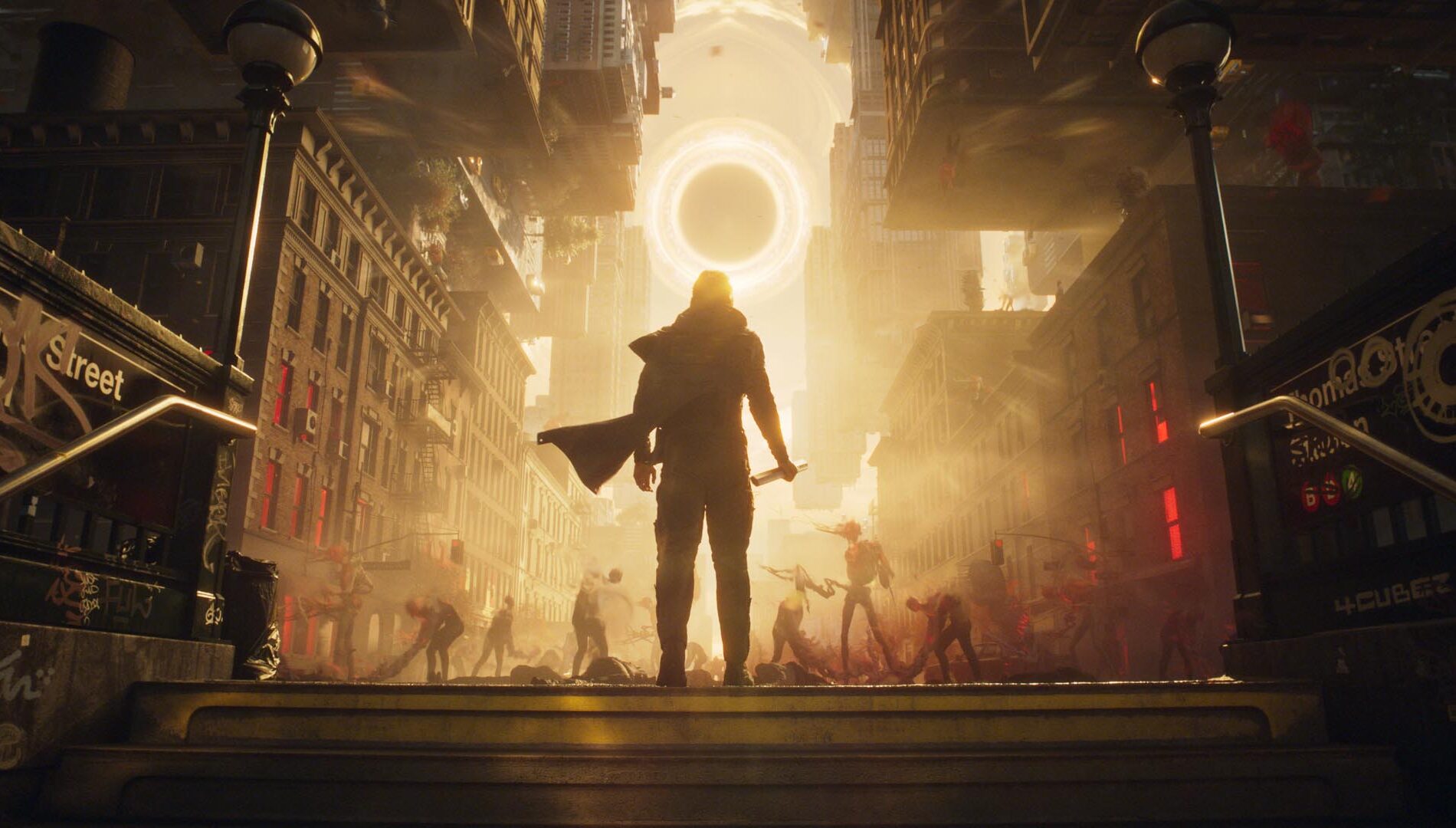
The Pattern is the Federal Bureau of Control's internal name for the cosmic force that has overtaken Manhattan at the start of Control Resonant. In material published before release the Pattern was described as a mysterious force that has totally engulfed the borough, blocked every conventional route off the island, and reshaped reality into what Remedy has called a geophysical nightmare. It is the underlying threat the FBC is unable to contain through standard tools, which is why Dylan Faden is released from the Oldest House to fight in its presence.
The Pattern is not the same threat category as the Hiss or the Mold. Those two are factions of paranatural enemies the player fights through across the campaign; the Pattern is the larger force whose presence has catalyzed or amplified what those factions are doing. Both factions read differently in Resonant's Manhattan than they did inside the Oldest House precisely because of the Pattern's influence on the world around them.
The Resonants, the boss class the game takes its name from, are framed the same way: people twisted by the force loose in Manhattan, rather than members of either faction. The two factions are also hostile to each other. A June 2026 hands-on described a Resonant entity clearing Hiss from its surroundings, and a full-game review published on September 18, 2026 describes the Mold as opposing the Hiss.
Patterning is the released game's own word for the phenomenon twisting the city. Quest objectives and descriptions use it, starting with the opening quest's push toward the source of the Patterning, and anything touched by it is called Patterned. Map locations carry the word too, such as the Patterned Factory in Central, where the Deserter is fought, and the Patterned Metro Tunnels. Coverage of the released game describes the Resonants as people twisted by the Patterning.
Before Dylan deploys, the FBC's first response to the Pattern is containment by zoning. The Bureau erects temporary firebreaks across Manhattan that hold individual zones apart from each other on the working theory that the Pattern's effects can be kept from spreading even when they cannot be reversed. That same zone-by-zone structure is what shapes the player's exposure to the borough: each zone has its own atmosphere, its own enemy composition, and its own internal logic, and movement between zones depends on the FBC's quarantine network as much as on Dylan's traversal abilities.
Effect | Detail |
|---|---|
Distorted gravity and orientation | Surfaces in named Gravity Anomalies that twist roads and architecture into vertical or inverted geometry. |
Defied natural law | Weather, lighting, and the city's physical fabric react to the Pattern's presence rather than to ordinary conditions. |
Reordered reality | The Manhattan of Resonant is described in the studio's words as a reality-warping playground in which the relationship between players, the city, and the Aberrant's effects shifts based on how deep into the Pattern's influence the current zone is. |
Pattern Break | A recurring World Feat in which Dylan breaks a local knot of Patterning: among a group of levitating objects one moves erratically, and hitting that odd one out repeatedly completes it. |
Creative director Mikael Kasurinen described the effect in an extended developer interview Remedy released before launch: "It's not simply a matter of ordering things in a predictable way, it's affecting the people," adding, "It affects time, it affects light."
Coverage of the same interview says the team drew on the work of M.C. Escher and on films such as A Field in England and Paprika rather than on other games; art director Elmeri Raitanen said games tend to resemble each other because people avoid taking risks.
Pre-release material did not reveal the Pattern's origin, its place in Control's wider cosmology, or how it might be contained or destroyed. This page does not yet cover the story beyond the opening and what first-party material states.
