

Elements
The four elemental affinities in Alabaster Dawn. Each element pairs with two Divine weapons (one melee, one ranged) and unlocks an elemental Divine Art finisher. Aether is confirmed via the Trial of Aether dungeon. Three additional elements unlock through later trials.
On This Page
Alabaster Dawn organizes its combat magic around four Elements (also called Aspects in the in-game UI), each tied to a god of the original pantheon, a pair of Divine Weapons (one melee and one ranged), and a unique Divine Art finisher. As of the May 2026 launch build, two of the four are playable (Physis and Aether); the remaining two appear briefly in the prologue and are planned for future Early Access patches.
How Elements Work
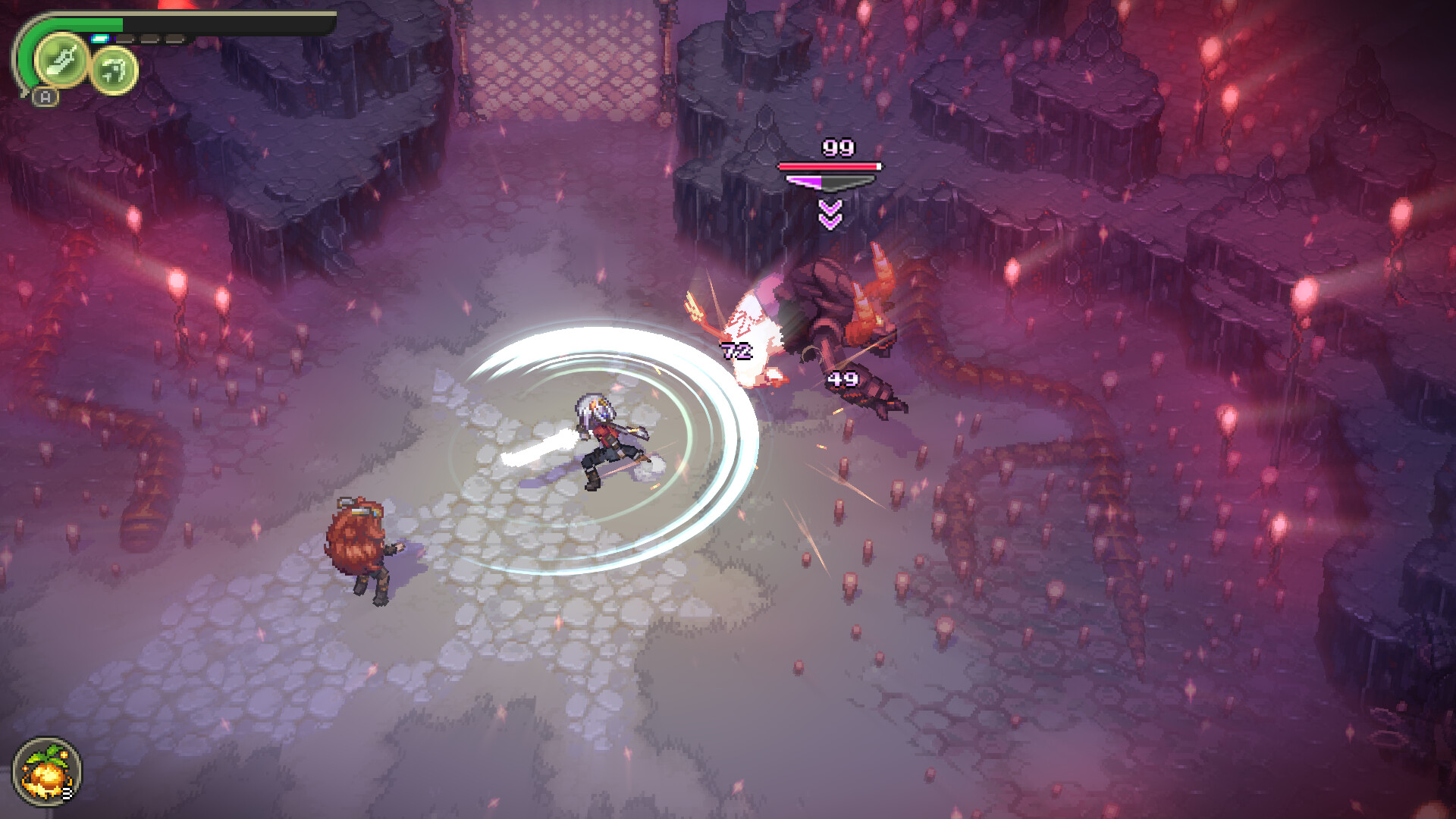
Each element gates a pair of Divine weapons: one melee, one ranged.
Each element has its own set of Divine Arts, powerful spells that fill the Melee, Ranged, and Guard Art slots when that element is active.
Elements are unlocked by completing elemental Trials, standalone dungeons attached to specific story regions.
Resistance and weakness vary by Nuemera type. Many Nuemera tied to a specific element resist their own element and take amplified damage from its complement.
Aspect Switching: once Juno has more than one Aspect unlocked, she can switch between them on the fly during combat. The active Aspect powers up her equipped Divine weapons, changing the damage type and altering how they interact with certain puzzle entities.
Confirmed Elements
Aspect | Theme | Source God | Paired Weapons | Status in Launch Build |
|---|---|---|---|---|
Physis | Plants and rocks | Vasia | Claio Solas (melee, sword), Bogha Solas (ranged, crossbow), Ortrom Solas (melee, hammer) | Default starting Aspect; granted in the prologue. Provides the early Divine Arts Bramble Quake and Leaf Blades. |
Aether | Lightning and ambient divine energy | Aether-element weapon lineup not yet finalized in code | Second Aspect. Granted by Libra at the Trial of Aether in Chapter 1. Many Aether-using Nuemera are also weak to Aether. | |
Ignis | Fire | To be revealed | Planned | Seen only in the prologue, where Dahmon and Nima use a combined Ignis and Cryo team attack against the Prologue Spider. Not unlockable in the May 2026 launch build. |
Cryo | Ice | To be revealed | Planned | Seen only in the prologue alongside Ignis. Not unlockable in the May 2026 launch build. Glyphs for Ignis and Cryo are not yet visible in the player-facing UI. |
Divine Arts and Elements
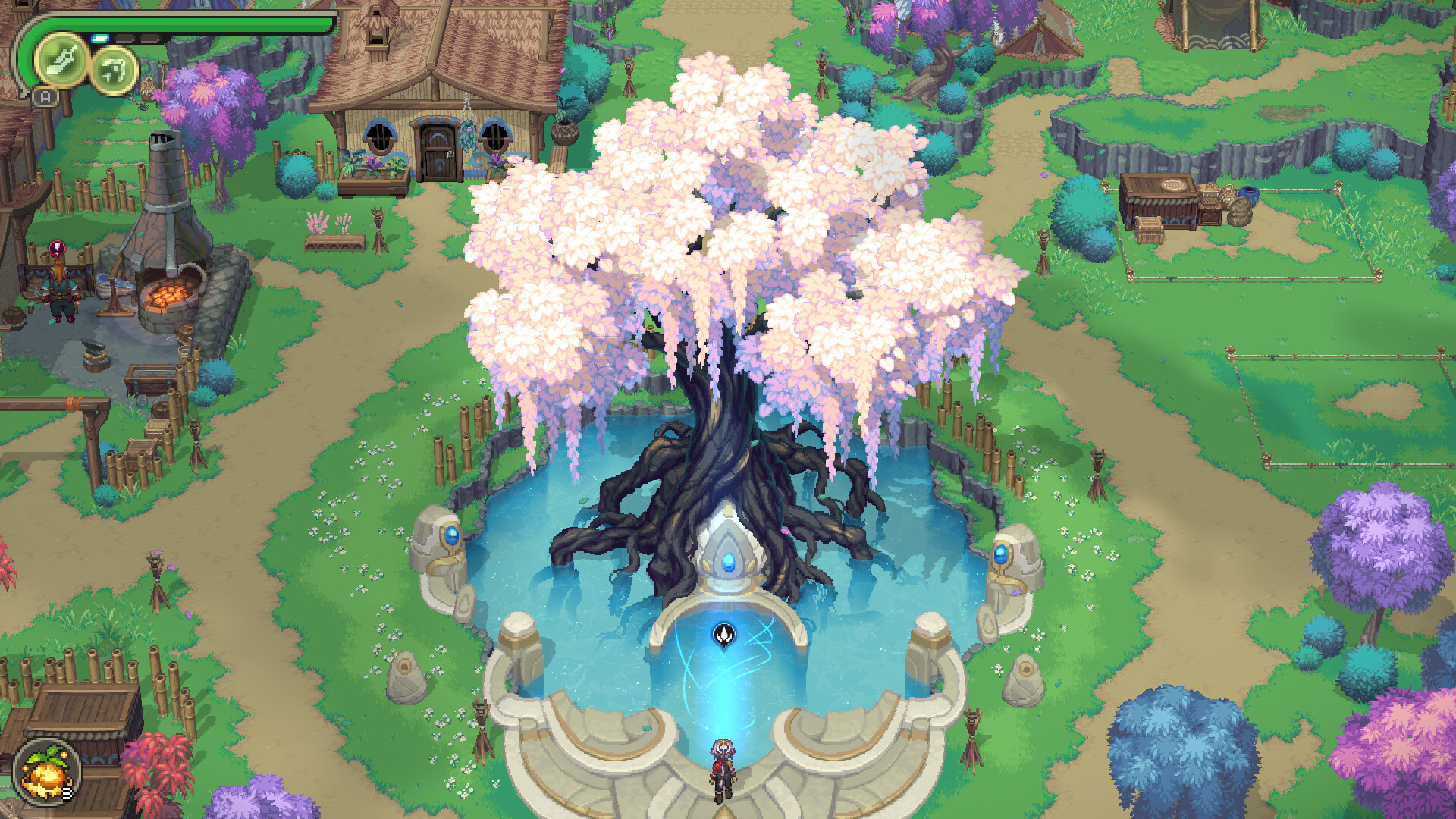
Each element unlocks a set of Divine Arts tied to its three slots (Melee, Ranged, Guard). Divine Arts are not the same thing as the per-weapon Combat Arts learned through the Growth Chart; they are element-bound spells that consume Divine Charges and can only be used while their Aspect is active.
Currently shipped Divine Arts:
Art | Aspect | Slot | Effect |
|---|---|---|---|
Physis | Burst (Melee) | Jump and slam to send a wide fan of spikes forward. | |
Physis | Burst (Ranged) | Fires a projectile that inflicts Brittle on hit and spawns rotating leaves; see Status Conditions. | |
Aether | Bloom (Melee), prologue only | Dahmon demonstrates this teleport-through Bloom Art in the prologue; not yet equipped by Juno in the launch build. |
Both shipped Arts are auto-equipped in the second room of the Trial of Aether. New Arts are expected to land as more Aspects unlock in later patches.
Element Selection in Combat
Because Juno carries two weapons and each weapon is locked to one element, a loadout always covers either one or two elements depending on whether you pair within the same element or split across two. Common patterns:
Same-element pair: consistent Divine Art weaving with the same finisher tied to either weapon. The current build supports a Physis-only same-element loadout.
Split-element pair: two different Divine Art rotations available, picked by which weapon is currently active. Possible once additional element-bound Divine weapons land in a future patch.
Anti-resistance pair: carry two different elements to cover a wider weakness chart, useful for boss fights with multiple phases.
Trials
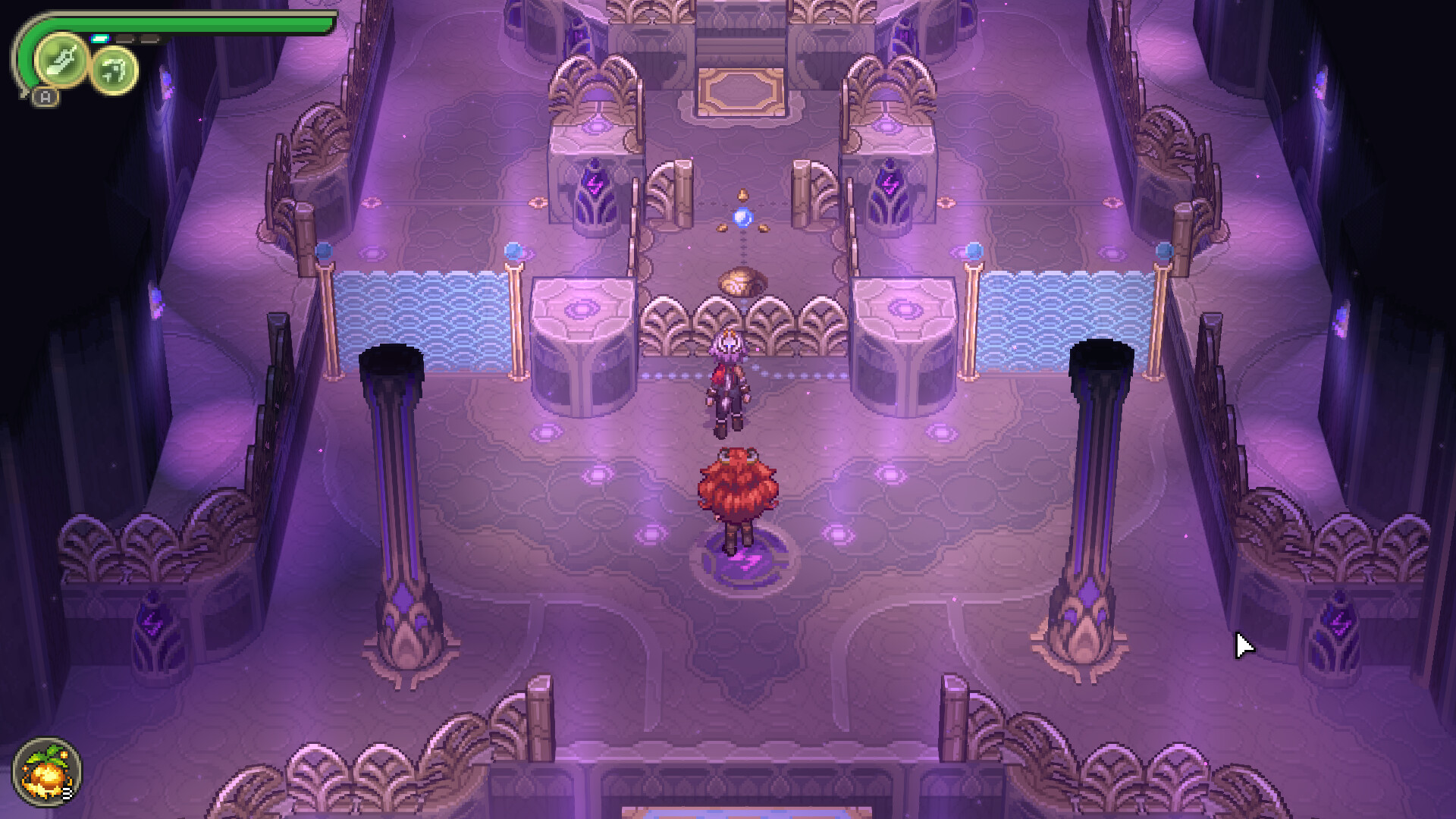
Trials are standalone dungeons that grant new elements. Each Trial is themed around its element with appropriate environmental puzzles, a unique boss, and the Divine Art reward at completion. The Trial of Aether is the first elemental Trial and is located inside Koro Valley; its boss is Rana Lingua Magna. Later Trials will open as the campaign progresses through new regions.
Elemental gating is not strict: most main-story content is clearable without unlocking every element, but specific puzzle paths and optional bosses require the Divine Art unlocked by a particular Trial. In a future build, environmental Aether Aspect Panels can also be stood on to convert any active attack to Aether without changing the equipped Aspect; this is one of the puzzle hooks introduced in the Trial of Aether.
See Also
Divine Weapons
Divine Arts