

Combat is the headline pillar of Alabaster Dawn. It is real-time, combo-driven, and built around three layered loops: a light-and-heavy combo system with per-weapon skill trees, an offense-and-defense rhythm anchored on parries and the break meter, and a loadout-switching layer that lets Juno change Divine Weapons and Elements mid-fight. Mastering all three is what separates basic clears from clean combat. Parry timing windows, weapon-switch slowdown, and early mana costs were tuned in the April 29 pre-launch hotfix; further small balance changes shipped in Hotfix 0.1.0-6.
Combo Structure
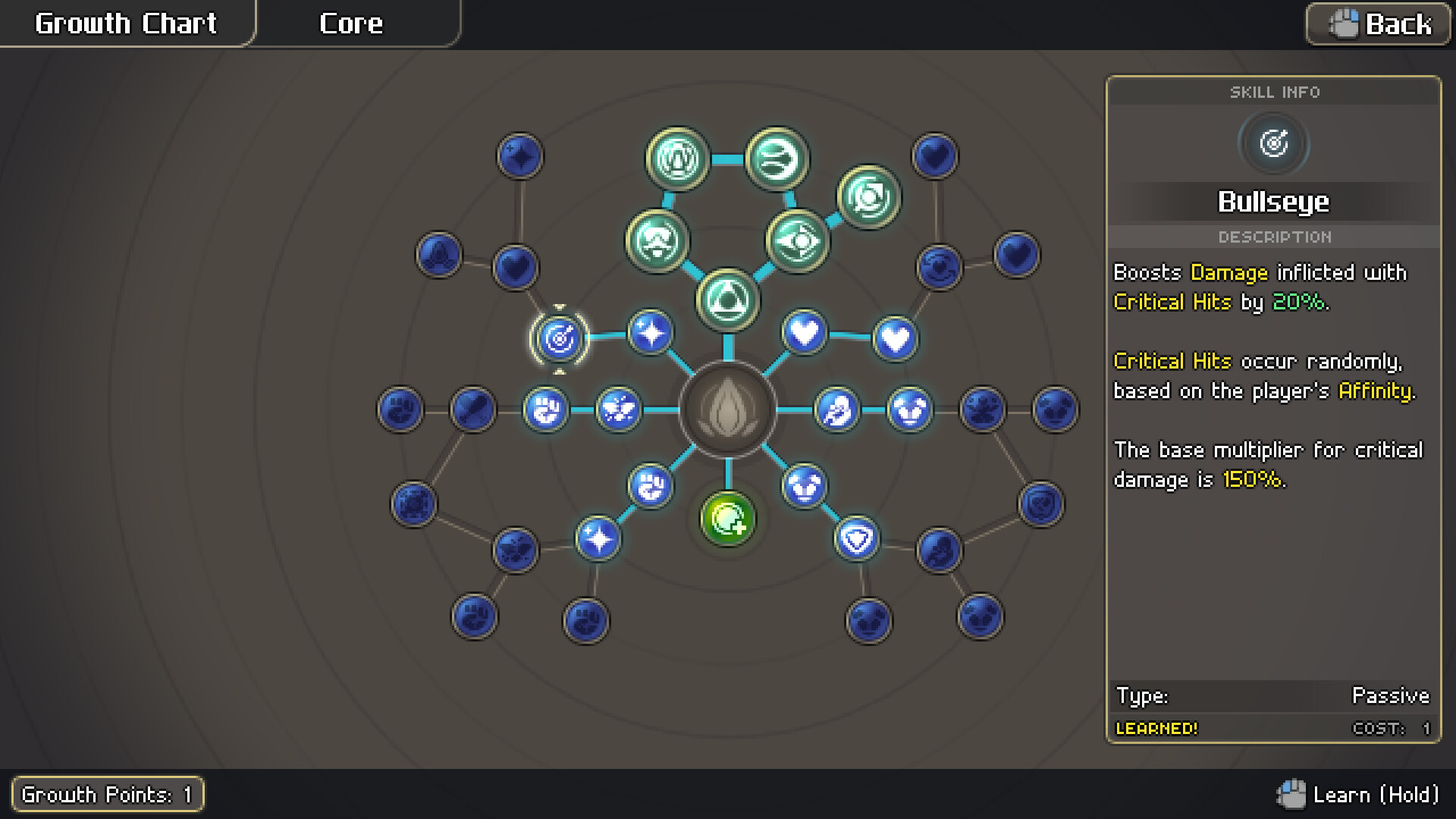
Each Divine weapon has its own animation set and combo string. The base inputs are the same across weapons, but the timing, range, and skill tree differ. Some weapons stagger heavily and slowly; others build combo length quickly with lighter hits.
Light attacks chain into combo strings. Holding the attack button mid-combo opens a delayed finish that adds extra damage but leaves you exposed if mistimed.
Charged attacks are slower wind-ups that deal more damage and contribute heavily to the break meter. Useful against shielded or armored Nuemera.
Combat Arts are the per-weapon skills unlocked through each weapon's individual Growth Chart. Some add stagger, others maximize damage on incapacitated foes, others enable post-parry counters.
Parries and the Break Meter
Every enemy has a break meter displayed alongside its HP. Filling the meter staggers the enemy, opening a window for high-damage follow-ups, including Divine Art finishers. The meter fills from light hits, charged hits, and most reliably from parries.
The parry button (default E) has a forgiving window by action-game standards. A successful parry stuns the attacker for a short follow-up window and contributes a large chunk of break-meter pressure. Parry timing is consistent across weapons, but the recovery animation on a missed parry is longer with heavy weapons; pairing a heavy melee with a fast ranged is a common loadout pattern.
Weapon Switching
Juno always carries one melee weapon and one ranged weapon, each tied to one of the four Elements. Pressing the weapon-switch input briefly slows time, letting you re-aim and pivot the combo into the new weapon's first hit without losing momentum. The slowdown is a deliberate combat tool, not just a menu shortcut. Combo trees are shared across weapons in structure, so a switch keeps the combo going rather than restarting it.
Divine Arts
Divine Arts are powerful elemental spells tied to the active Aspect. Activated by pressing the Divine Art key, they consume Divine Charges and trigger a finisher animation. The exact effect varies by Aspect and slot:
Bramble Quake (Physis Melee): wide ground-spike fan in front of Juno.
Leaf Blades (Physis Ranged): single projectile that applies Brittle and spawns rotating leaves.
Future Aether and other Aspect Arts unlock as later Trials are completed in the Early Access roadmap.
Combat Arts (per-weapon skills) and Divine Arts (per-Aspect spells) are intentionally separate progression layers. A weapon's Combat Arts come from its Growth Chart; a Divine Art is unlocked when you complete the elemental Trial that grants the Aspect.
Difficulty Options
Alabaster Dawn ships with three independent difficulty sliders that can be adjusted at any time:
Slider | Effect |
|---|---|
Enemy attack speed | Scales how quickly enemies wind up and chain attacks. Lower for parry practice; raise for skill-check runs. |
Enemy HP | Scales enemy health pools. Lower for grinding side content; keep default for boss tuning. |
Overall difficulty | Combined damage taken and damage dealt modifier. Provides one-knob tuning for accessibility. |
The combination is intentional: difficulty is not an all-or-nothing toggle, and adjusting one slider for a single boss does not commit the whole save to easy mode.
Stamina, Healing, and Resource Management
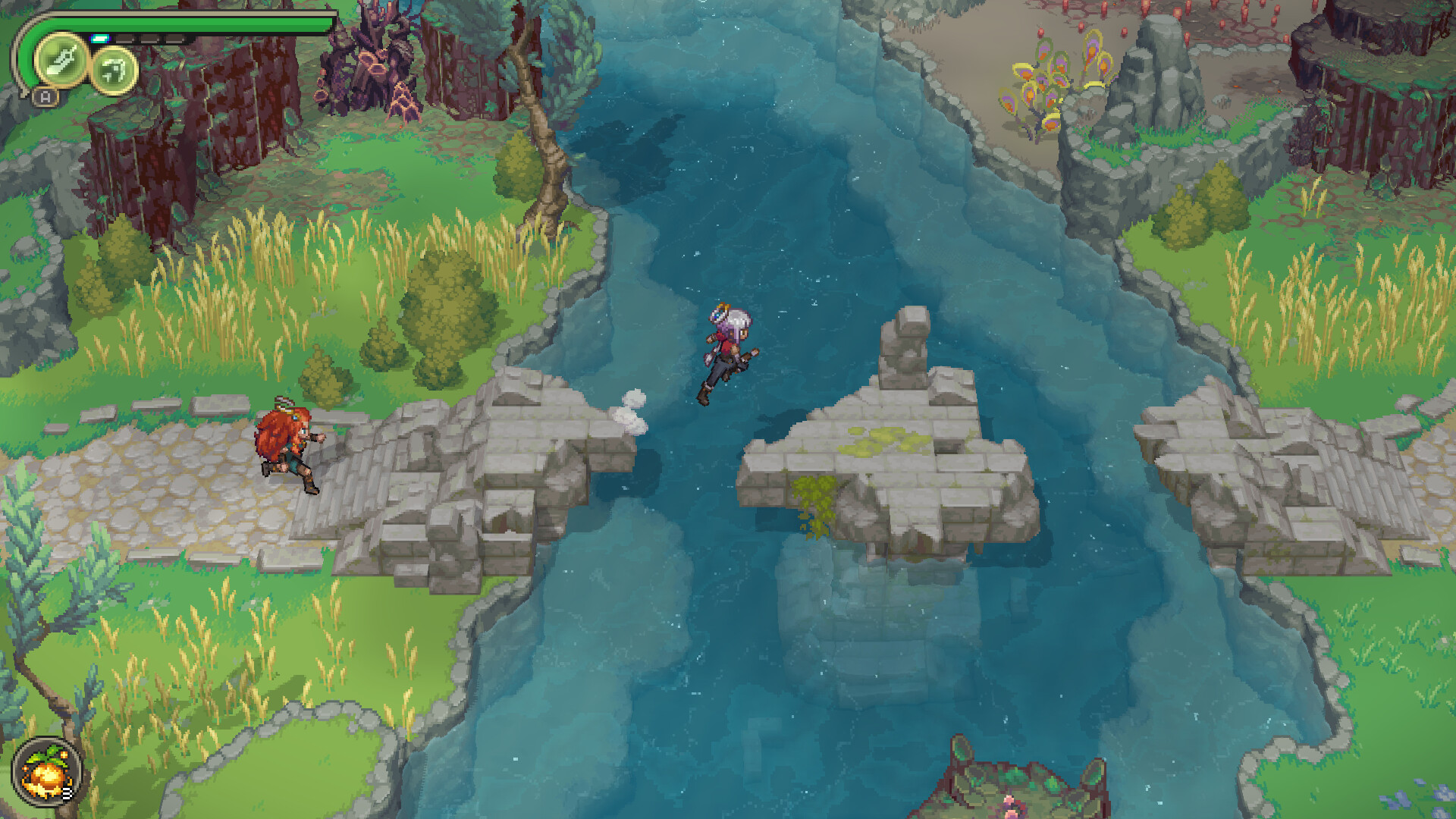
Dodging and certain Combat Arts consume stamina. Stamina regenerates passively but can be exhausted quickly by spamming dodges. Healing Bulbs, prepared dishes from the Cooking system, and rest at fast-travel checkpoints all factor into longer encounters.
Standard healing bulbs restore a partial chunk of HP and stack to a small inventory cap.
Massive bulbs are rare drops that fully refill HP.
Buff dishes from cooking add temporary attack, defense, or other modifiers and can stack with bulb healing during a fight.
Building a Loadout
A complete loadout consists of:
One melee Divine weapon plus one ranged Divine weapon (matched or split across Aspects).
Skill points spent on each weapon's Growth Chart for Combat Arts.
Gems slotted into both weapons and Divine Armor; see Gem Crafting.
A Divine Art tied to the equipped Aspect, unlocked through that element's Trial.
Because Combat Arts are weapon-specific and gems modify both weapons and armor, the design encourages experimentation. Re-rolling a build for a specific boss costs nothing in the current Early Access build, and gems can be unslotted without penalty.
Tips
Lead with parries on bosses. Boss damage scales with attack speed; a parry is the fastest way to break the rhythm and force a stagger window.
Carry split elements once a second Aspect is unlocked. Many Nuemera resist their own element.
Save Divine Arts for break windows. The animation lock is brutal mid-combat; wait for a stagger before triggering.
Cook before, not during. Pause-cooking is not supported; prep buff dishes between encounters.